The Science Behind Corten Steel's Exceptional Durability
Most garden edging materials fail within 10-15 years, forcing homeowners into a frustrating cycle of replacement and repair. Yet there's a weathering steel solution that stands strong for over five decades while actually becoming more beautiful as it ages. Corten steel, also called weathering steel, isn't some newfangled invention—it's been trusted in architectural and industrial applications for decades, and Plusjop NL has brought this proven material to residential gardeners.
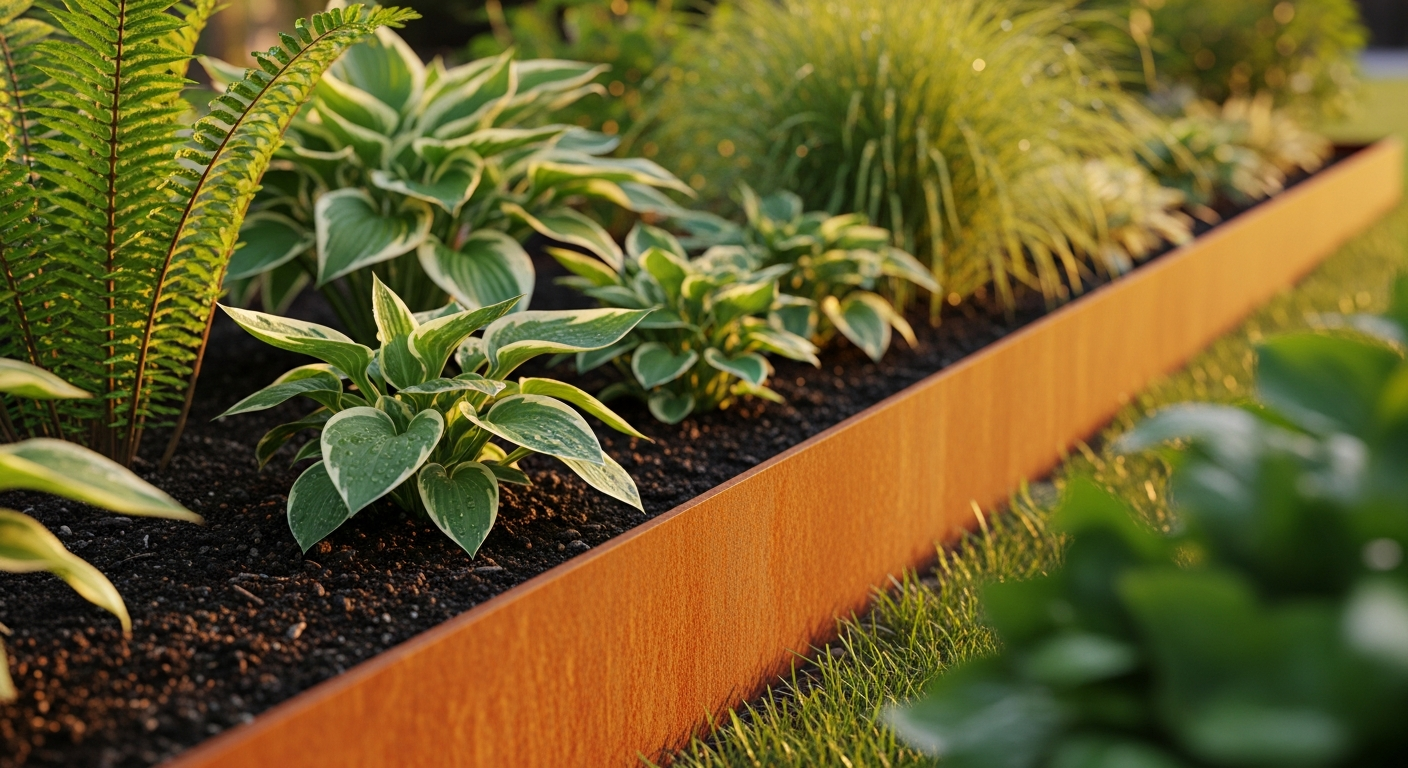
What makes it special? The material develops a self-protecting rust layer—a patina—that shields it from further corrosion while creating a warm, sophisticated aesthetic that complements virtually any garden style. Unlike standard steel that deteriorates, or plastic that fades and becomes brittle, Corten steel actually improves with time, evolving from metallic sheen to rich browns and purples that harmonize with natural surroundings.
Superior Corrosion Resistance
Corten steel offers 5-8 times greater corrosion resistance than standard steel, thanks to its unique alloy composition. This isn't magic—it's chemistry. The material contains specific alloying elements including copper, chromium, and nickel that work together to create a molecular structure far more resistant to degradation than conventional steel. These elements don't just improve performance; they fundamentally change how the material interacts with its environment.
The Protective Patina Explained
The self-protecting rust layer that forms on Corten steel functions as a genuine barrier against further degradation. When exposed to moisture and oxygen, the material's alloying elements migrate to the surface, creating a dense, stable oxide layer. This patina is fundamentally different from ordinary rust on standard steel—it's tightly bonded to the underlying material and prevents oxygen and moisture from reaching deeper layers. Think of it as the steel developing its own protective skin.
Weathering Cycle Mechanics
Patina development requires wet-dry cycles to reach full effectiveness. When the steel experiences alternating periods of moisture and dryness, the protective layer strengthens and becomes more stable. Rainy seasons followed by dry spells create the ideal conditions for optimal maturation. This is why Corten steel performs best in climates with natural precipitation patterns—the material literally improves through exposure to changing weather.
50+ Year Lifespan Reality
Homeowners can realistically expect Corten steel edging to perform for over 50 years, with many installations showing minimal degradation even at that milestone. Performance varies slightly depending on climate factors—coastal areas with salt spray, for instance, may see different development patterns than inland regions—but the fundamental durability remains exceptional. The material handles harsh weather conditions without deteriorating, whether facing intense sun, freeze-thaw cycles, or heavy rainfall.
Structural Integrity Under Pressure
Corten steel boasts robust structural strength, capable of withstanding lateral soil pressure from garden beds and managing terrain elevation changes. The material doesn't flex or compress under load the way plastic does, nor does it weaken over time like wood. When you're retaining soil or managing sloped gardens, this structural performance becomes immediately apparent—the edging maintains its position and shape year after year.
Material Composition Advantages
The specific alloying elements distinguish Corten steel from ordinary varieties. Copper improves atmospheric corrosion resistance. Chromium increases hardness and contributes to the protective oxide layer. Nickel enhances toughness and resistance to impact. Together, these elements create a material that doesn't just last longer—it fundamentally outperforms alternatives in real-world garden applications.
The Aesthetic Evolution: From Metallic to Sophisticated Browns
Initial Appearance and Transition Timeline
When Corten steel edging first arrives, it displays a bright metallic sheen with natural mill scale. Within weeks of exposure to moisture, the surface begins its transformation, shifting toward warm orange-brown tones. This transition continues over months, gradually deepening and enriching. The timeline varies based on climate and moisture exposure, but the general arc remains consistent—the material moves from industrial brightness toward natural warmth.
Final Patina Color Variations
Over time, the edging evolves into deep brown and purple-brown hues that settle into a stable, mature appearance. These final colors vary slightly depending on local environmental conditions—coastal regions may develop different purple tones than inland areas. Regardless of specific variation, the mature patina harmonizes beautifully with natural surroundings and typically creates a sophisticated visual anchor for garden spaces.
Harmonizing with Garden Design
The evolving color palette complements modern, rustic, and transitional landscapes equally well. In contemporary gardens, the clean lines and sophisticated browns create minimalist elegance. In rustic settings, the natural patina feels organic and grounded. The material's aesthetic flexibility means it adapts to your design vision rather than demanding compromise.
Visual Impact on Property Value
The sophisticated, clean lines that edging creates genuinely enhance overall garden beauty and curb appeal. Property value increases aren't random—they stem from recognizable quality and thoughtful design. Potential buyers notice well-maintained landscapes with professional-looking details. Corten steel edging signals intentionality and durability, the kind of detail that creates positive impressions before stepping inside the home.
Patina Stability and Maturation
The color eventually settles into a stable state, typically within 2-3 years in most climates. Once the protective layer becomes fully established, the appearance stops changing noticeably. What you see at that point is what you'll enjoy for the next several decades—a dependable, mature aesthetic that doesn't fade or deteriorate.
Photography and Design Inspiration
Corten steel edging photographs beautifully across various lighting conditions. In morning light, it catches warmth and richness. In overcast conditions, the browns appear deeper and more sophisticated. The material's textural quality creates visual interest that flat materials like plastic simply cannot match. Many landscape designers specifically choose Corten steel for properties where photography matters—the results consistently exceed expectations.
Installation, Maintenance, and Long-Term Care
Weight Considerations
Corten steel's heft requires thoughtful planning during installation. The material weighs more than plastic alternatives, which means installation demands more physical effort or professional support. For larger projects, this consideration might influence budget—professional installation adds cost but ensures proper positioning and long-term performance. For smaller projects, the material remains manageable with adequate planning.
Minimal Maintenance Requirements
The absence of painting, sealing, or chemical coating needs distinguishes Corten steel from wood and standard metal edging. You don't need to treat it annually, refinish it periodically, or apply protective coatings. This simplicity translates directly into cost savings and time savings across decades of ownership. The material essentially maintains itself.
Early-Stage Rust Runoff Management
During its initial weathering stage, temporary staining on pale pavers or concrete can occur. This rust runoff is typically an early-stage issue that ceases once the patina stabilizes. If you have light-colored adjacent surfaces, simple precautions during the first season or two prevent problems—covering nearby pavers during heavy rain or using temporary barriers can minimize contact until the patina settles.
Shady and Damp Area Considerations
Constantly wet or shady areas slow patina development. The material requires dry periods to complete its protective layer formation. In persistently damp conditions, this process extends beyond the typical 2-3 year timeline. Choosing installation locations with reasonable drainage and periodic drying cycles optimizes performance and accelerates the aesthetic development you're seeking.
Soil Contact and Ground Preparation
Positioning edging to maximize durability involves basic ground preparation. Ensuring adequate drainage around the edging prevents waterlogging and promotes healthy patina development. Removing large rocks or sharp objects that might damage the surface during installation protects your investment. These simple practices extend performance and maintain the material's integrity over decades.
Seasonal Care and Inspection
Simple checks ensure optimal performance year-round. Spring inspection after winter weathering helps identify any debris accumulation or drainage issues. Fall preparation removes leaves and ensures good water movement. These minimal tasks take minimal time but demonstrate commitment to longevity.
Cleaning and Surface Care
Gentle methods maintain appearance without damaging the protective patina. Light rinsing removes surface debris. Avoiding harsh scrubbing or chemical cleaners prevents interference with the oxide layer. The philosophy here centers on letting the material do its job without intrusive intervention.
Invest in Corten steel garden edging from Plusjop NL and enjoy decades of maintenance-free beauty.
Structural Performance for Garden Applications
Retaining Soil and Managing Elevation
Corten steel handles lateral pressure from garden beds with reliable strength. The material doesn't bow or flex under load, maintaining clean lines even as soil settles and shifts. For terraced landscapes or sloped gardens where structural performance matters, this consistency proves invaluable. The edging performs its job without compromise.
Design Flexibility and Moldability
The material's flexibility allows custom shaping for diverse garden layouts. Creating curves, corners, and custom shapes accommodates any design vision. This adaptability means you're not forced to work around the limitations of rigid materials—instead, the edging adapts to your landscape.
Load-Bearing Capacity
Real-world applications demonstrate reliable performance in sloped gardens and terraced landscapes. The material maintains structural integrity across seasons of soil movement and settlement. Heavy snow, saturated soil, and freeze-thaw cycles don't compromise the edging's ability to perform its containment function.
Compatibility with Various Soil Types
Performance remains consistent across clay, sandy, and loamy conditions. Regardless of your soil composition, Corten steel edging maintains its structural and protective properties. This versatility means you're not constrained by local soil conditions—the material adapts to nearly any garden environment.
Edge Definition and Garden Bed Containment
Creating crisp, professional lines that organize outdoor spaces is precisely what Corten steel excels at delivering. The clean edges define planting areas, separate mulch from lawn, and establish visual structure. This functional beauty—materials that look intentional while performing reliably—represents the best of garden design.
Integration with Hardscaping Elements
Corten steel works seamlessly alongside pavers, stone, and other materials. The sophisticated browns coordinate with warm-toned masonry and provide elegant contrast with cool grays and blues. The material elevates surrounding hardscaping elements rather than competing with them.
Environmental Impact and Sustainability
100% Recyclability
Corten steel maintains full environmental credentials at end-of-life. The material recycles completely without degradation or loss of properties. This circularity means your landscape investment eventually returns to material cycles, creating no permanent waste. For environmentally conscious homeowners, this matters significantly.
Eco-Friendly Manufacturing
The sustainable production process requires fewer chemical treatments than plastic alternatives. Manufacturing Corten steel involves basic metallurgical processes without the complex chemistry required for synthetic materials. The production footprint remains lower than many common alternatives.
Reduced Chemical Dependency
Eliminating the need for protective coatings and treatments reduces chemical runoff into garden soil and groundwater. Plastic edging often requires UV stabilizers and other chemical additives to prevent degradation. Wood demands regular treatment with preservatives. Corten steel requires nothing, keeping your garden environment cleaner.
Carbon Footprint Considerations
How longevity reduces overall environmental impact over time deserves consideration. A material lasting 50 years requires replacement five times less frequently than one lasting 10 years. Even accounting for manufacturing energy, the total lifecycle carbon impact favors durable materials. Every time you avoid replacing edging, you're avoiding the manufacturing energy and transportation emissions of new materials.
Supporting Responsible Sourcing
Plusjop NL's commitment to quality and ethical material sourcing ensures your purchase supports responsible business practices. Choosing suppliers who prioritize environmental stewardship matters. Your material choices influence industry standards and business practices.
Contribution to Sustainable Landscaping
Choosing durable materials that reduce waste and replacement cycles embodies genuine sustainability. The gardening world generates enormous waste through constant replacement cycles. Selecting materials designed for permanence shifts that equation fundamentally. Your landscape becomes part of the solution rather than contributing to the problem.
Investment Value: Upfront Cost vs. Long-Term Returns
Competitive Pricing at Plusjop NL
The brand delivers quality without premium price tags. While Corten steel costs more than budget plastic edging, Plusjop NL positions itself competitively compared to other quality suppliers. This pricing strategy means you're not paying premium prices for superior material—you're accessing genuine value.
Comparison with Plastic Edging
Initial cost differences appear significant—plastic might cost one-third of Corten steel pricing. However, total cost of ownership over 20, 30, and 50-year periods tells a different story. Plastic requires replacement every 10-15 years as UV exposure degrades the material, brittleness increases, and performance declines. Over 50 years, you're purchasing and installing plastic edging multiple times. The cumulative cost exceeds Corten steel investment decisively.
Comparison with Wood Edging
Wood's maintenance burden makes Corten steel more economical long-term. Wood requires annual or biennial treatment with preservatives, regular sealing to prevent rot, and eventual replacement as decay progresses. Professional maintenance services accumulate costs quickly. A wood edging system lasting 15-20 years before replacement costs substantially more than Corten steel lasting 50+ years with zero maintenance.
Maintenance Cost Elimination
Savings from avoiding paint, sealers, and replacement materials compound across decades. Annual maintenance budgets for wood edging or periodic repainting of standard steel simply disappear with Corten steel. These are real dollars staying in your pocket year after year.
Property Value Enhancement
How sophisticated edging choices influence real estate perception matters to anyone considering future resale. Professional landscaping details signal property care and quality. Corten steel edging communicates intentionality and permanence—the kind of detail that creates positive impressions during property viewings.
Budget Planning Strategies
Phasing installation across multiple garden areas manages upfront investment effectively. Installing edging in priority areas first, then expanding the project over subsequent seasons or years, distributes costs across time. This approach makes comprehensive landscaping achievable even with constrained budgets.
Return on Investment Timeline
When does Corten steel become the more economical choice? Typically within the first replacement cycle of alternatives. If plastic edging costs $1,000 and requires replacement every 12 years, you're spending $1,000 every 12 years. Corten steel costing $2,500 becomes economically superior after year 12, and the advantage widens significantly beyond that point. The longer you remain in your home, the stronger the financial case becomes.
Real-World Considerations and Honest Trade-offs
Installation Effort and Physical Demands
The heavier material requires proper planning and potentially professional help. Unlike lightweight plastic that one person can install casually, Corten steel demands respect during installation. This isn't necessarily negative—professional installation ensures proper positioning and prevents mistakes that could compromise performance. Budget accordingly based on project complexity and your physical capacity.
Initial Weathering Stage Challenges
Managing rust runoff during the first season or two requires awareness but not extensive effort. Monitoring weather forecasts and taking simple precautions—covering adjacent light surfaces during heavy rain, or rinsing edging afterward—prevents permanent staining. This temporary consideration disappears once the patina stabilizes.
Climate-Specific Performance
Different regions experience patina development at varying rates. Coastal areas with regular moisture develop patina quickly. Desert regions with minimal rainfall progress more slowly. Understanding your local climate helps set realistic expectations for the aesthetic transformation timeline.
Moisture and Drainage Requirements
Why consistent wet-dry cycles matter becomes clearer when examining soil conditions around installation. Edging in perpetually boggy areas develops patina more slowly than installations in well-drained locations. If drainage is problematic, addressing it improves Corten steel performance and benefits your entire garden.
Visual Expectations During Transition
Preparing for the color changes as edging seasons prevents surprise or disappointment. The material doesn't arrive in its final aesthetic form—it begins its journey with installation. Understanding this evolutionary process helps you appreciate the transformation rather than questioning whether something went wrong.
Compatibility with Sensitive Adjacent Materials
Protecting light-colored surfaces during the weathering phase prevents permanent staining. This doesn't require elaborate protection—basic awareness and simple precautions suffice. Once the patina stabilizes, rust runoff ceases entirely, and surfaces need no special consideration.
When Corten Steel Might Not Be Ideal
Identifying situations where alternatives serve better purposes demonstrates realistic thinking. In areas with extremely poor drainage where the edging would remain constantly saturated, Corten steel might develop slowly. In temporary installations where you plan to relocate or remove edging within a few years, cheaper alternatives make sense financially. Being honest about your specific situation leads to better decisions.
Making Your Decision: Is Corten Steel Right for Your Garden?
Assessing Your Landscape Goals
Determining whether durability and aesthetics align with your vision requires honest self-reflection. Are you seeking permanent solutions you'll enjoy for decades? Do you appreciate natural materials that evolve over time? Does the sophisticated, clean-line aesthetic appeal to you? Answering these questions reveals whether Corten steel matches your actual desires or merely sounds appealing in theory.
Evaluating Your Climate and Conditions
Matching environmental factors with Corten steel's performance characteristics ensures realistic expectations. Research your local precipitation patterns, humidity levels, and temperature ranges. Areas with regular moisture and moderate drying periods represent ideal conditions. Consistently wet or perpetually dry regions still work but develop more slowly. Extreme salt spray environments in coastal areas develop patina differently than inland locations.
Calculating Your Long-Term Commitment
Understanding whether you're planning to stay in your home or invest in the property influences the financial analysis. If you're building a permanent landscape for a home you intend to occupy for decades, the long-term value case becomes compelling. If you're planning to sell within five years, the upfront cost might not justify itself before you move. Knowing your timeline shapes the decision logically.
Comparing Your Options Systematically
Side-by-side evaluation of Corten steel, plastic, wood, and composite edging provides clarity. Create spreadsheets comparing initial costs, maintenance requirements, expected lifespan, and total cost of ownership across your planning horizon. Numbers often reveal truths that emotional preference might obscure.
Budget Reality Check
Honest assessment of whether upfront costs fit your financial situation prevents buyer's remorse. Corten steel investment requires adequate capital. If the initial expense strains your budget or prevents other necessary improvements, alternatives might serve better purposes. Financial responsibility matters more than having the theoretically superior product.
Aesthetic Preference Alignment
Confirming that the evolving patina appeals to your design sensibilities ensures satisfaction. If you prefer bright, clean whites and cool colors, the warm browns might eventually feel inconsistent with your aesthetic. If you love industrial or modern design that celebrates material honesty, Corten steel becomes deeply satisfying. Match material choice to your genuine preferences.
Professional Consultation Value
When to seek landscaper input for complex installations—such as sloped terrain, advanced terracing, or integration with existing hardscaping—provides expert perspective. Professionals have installed Corten steel in various conditions and understand local climate patterns. Their experience prevents costly mistakes and optimizes results.
The Lasting Advantage
Corten steel garden edging represents something rare in landscaping: a material that delivers on multiple fronts simultaneously. You're getting durability that spans generations, an aesthetic that improves with age rather than deteriorating, structural performance that handles real-world demands, and environmental responsibility that matters. Yes, the initial investment stings compared to cheaper alternatives, but that upfront cost dissolves when you consider the decades of maintenance-free performance ahead.
What emerges clearly is that Plusjop NL's Corten steel edging isn't just a garden product—it's a landscape philosophy. It's choosing quality over convenience, permanence over temporary fixes, and natural beauty over artificial shortcuts. Whether you're defining a single garden bed or undertaking a complete landscape redesign, this weathering steel delivers the kind of sophisticated, durable solution that makes you wonder why you didn't choose it sooner.
Your garden deserves edging that matches your ambitions. The performance statistics matter. The aesthetic evolution matters. The environmental credentials matter. But ultimately, what matters most is creating an outdoor space you genuinely love—one that reflects your values and improves with time rather than deteriorating. Corten steel edging makes that vision achievable.
Leave a Reply