Over 70% of tea consumers now prioritize sustainability when selecting their daily brew—yet most don’t realize their favorite tea bags might contain hidden microplastics. I was shocked to learn this statistic while researching premium organic teas, and it completely changed how I evaluate my tea choices. The disconnect between what we think we’re drinking and what we’re actually consuming is staggering.
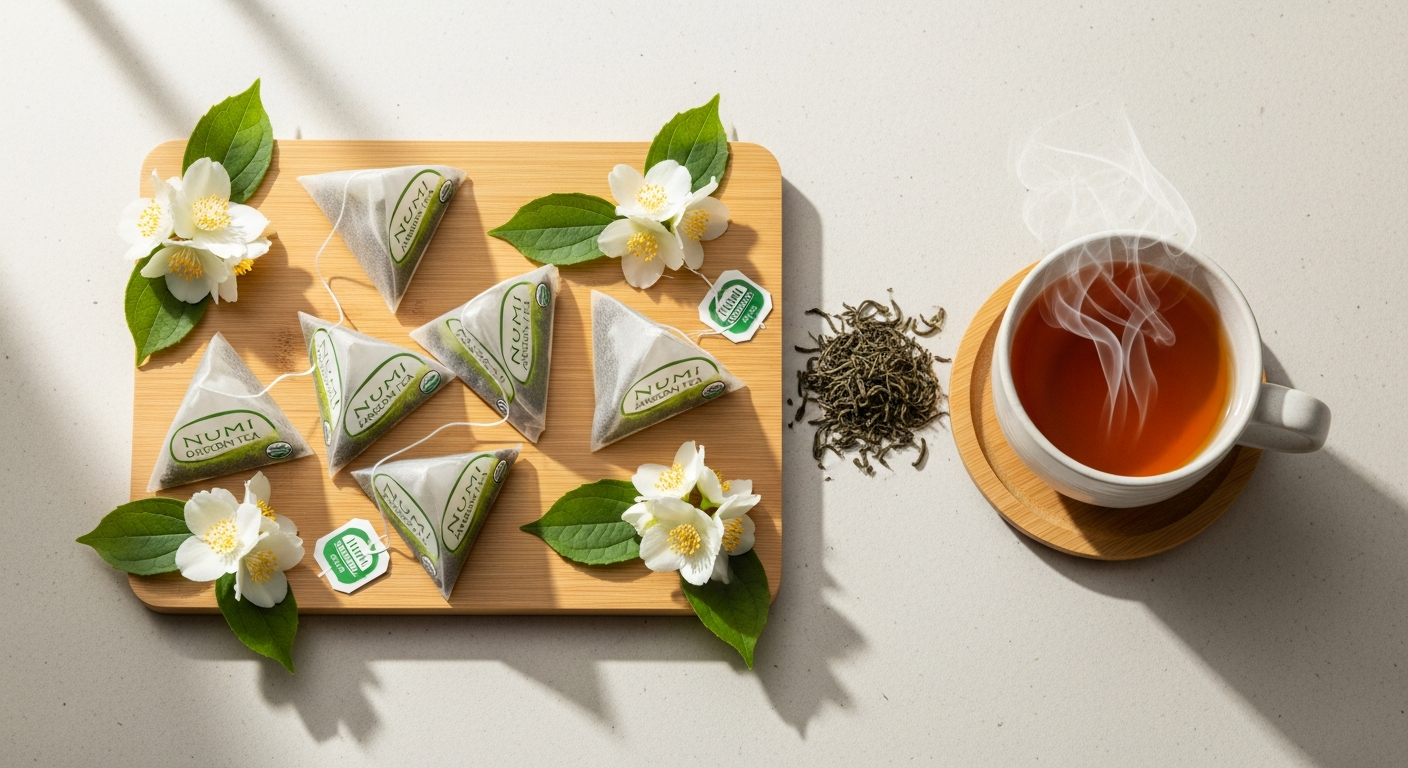
Numi Organic Jasmine Green Tea Bags have quietly become a game-changer for environmentally aware tea enthusiasts. The brand has built its reputation on transparency and purity, refusing to compromise on either ingredient quality or packaging responsibility. This isn’t just another jasmine green tea—it’s a statement about values, craftsmanship, and what matters most in your cup.
The Story Behind Numi’s Triple-Scented Jasmine Green Tea
How Numi sources and scents jasmine flowers three times for maximum flavor complexity
Numi’s approach to jasmine infusion sets it apart from competitors who rely on single-application scenting or artificial flavoring. The triple-scenting process involves exposing high-quality green tea leaves to fragrant night-blooming jasmine flowers across three distinct stages, allowing the tea to absorb layered floral notes rather than a singular, surface-level aroma. This method requires patience, precision, and a deep understanding of how botanicals interact with tea leaves over time.
The difference between naturally scented and artificially flavored jasmine teas
Naturally scented jasmine teas carry the authentic botanical complexity you’d experience walking through a jasmine garden at dusk. Artificially flavored alternatives rely on chemical compounds designed to mimic jasmine without delivering the depth or nuance. When you brew Numi’s jasmine green tea, you’re tasting actual flowers that have been carefully layered into the blend—not a laboratory recreation. This distinction becomes immediately apparent on your palate; natural jasmine carries subtle sweetness and floral sophistication, while artificial versions often taste one-dimensional and chemical.
Why the green tea base matters as much as the jasmine infusion
The green tea foundation determines whether jasmine becomes the star or overshadows the entire cup. Numi selects a green tea base that’s full-flavored yet balanced, offering its own grassy, slightly vegetal character that complements rather than competes with jasmine. A weak tea base would be entirely masked by floral notes, while an overly robust base would create an unpleasant clash. Numi’s sourcing ensures the green tea contributes its own identity to the brew.
The origin and processing methods that create Numi’s signature smooth profile
Processing decisions made immediately after tea leaves are harvested determine much of the final flavor. Numi’s commitment to preserving delicate flavors means avoiding over-oxidation and excessive processing that would destroy the subtle characteristics that make this tea memorable. The leaves are treated with care from harvest to packaging, maintaining their integrity throughout the journey from farm to your cup.
How the brand maintains flavor authenticity without chemical additives
In an industry where shortcuts tempt many producers, Numi refuses to cut corners. No preservatives, no synthetic enhancers, no masking agents—just carefully sourced ingredients working in harmony. This commitment to purity means your tea tastes like what it actually is: organic green tea infused with jasmine flowers. Nothing more, nothing less.
Tasting notes and aroma characteristics that make this tea distinctive
Expect a delicate opening of sweet jasmine florals that greets you before you take your first sip. The aroma carries a gentle, almost intoxicating quality without becoming cloying. As you drink, the green tea base emerges—a soft grassiness that grounds the floral sweetness. The finish lingers with subtle floral notes that fade gracefully rather than lingering aggressively. The overall experience feels sophisticated and calming rather than heavy or perfume-like.
Organic Certification and Fair Trade Sourcing Explained
What certified organic actually means for tea production and farming practices
Organic certification guarantees that tea was grown without synthetic pesticides, artificial fertilizers, or genetically modified organisms. Farmers follow rigorous standards that protect soil health, encourage biodiversity, and eliminate chemical runoff that harms ecosystems. Independent third-party auditors verify compliance regularly, ensuring the organic label isn’t merely marketing language. When you purchase certified organic, you’re supporting agricultural practices designed to work with nature rather than against it.
Fair trade standards and how they protect tea farmers and communities
Fair trade certification ensures that farmers and workers receive equitable compensation for their labor and that working conditions meet ethical standards. Rather than accepting whatever price commodity markets dictate, fair trade-certified producers guarantee minimum prices and direct relationships that cut out exploitative middlemen. This system creates stability for farming communities, allowing investments in education, healthcare, and sustainable farming methods that might otherwise be impossible.
Numi’s commitment to ethical ingredient sourcing across all products
Numi doesn’t treat ethics as an afterthought or marketing angle—it’s woven into the company’s operational DNA. The brand maintains direct relationships with tea farmers and suppliers, prioritizing long-term partnerships over short-term cost savings. This approach means Numi knows exactly where ingredients come from and can stand behind the human impact of their purchasing decisions.
Third-party certifications and transparency in the organic tea industry
Numi’s organic and fair trade certifications come from recognized third-party organizations, not self-declared claims. The brand publishes information about its sourcing and certifications, inviting scrutiny rather than shrouding practices in mystery. This transparency builds trust and allows informed consumers to verify claims independently.
How organic farming impacts flavor and nutritional profile
Soil health directly influences the nutritional density and flavor complexity of tea leaves. Organic farming practices that build rich, diverse soil produce plants with more robust mineral content and nuanced flavors compared to plants grown in depleted, chemically-dependent soil. You’re not just avoiding pesticide residues; you’re getting tea with superior flavor and nutritional value.
The environmental benefits of choosing certified organic over conventional tea
Organic tea farming eliminates synthetic chemicals that poison waterways, kill beneficial insects, and degrade soil over time. The practices required for organic certification—crop rotation, composting, natural pest management—build ecosystem resilience. Choosing organic tea means supporting agriculture that regenerates rather than depletes the land.
Microplastic-Free Tea Bags: Why This Matters More Than You Think
The microplastic problem in conventional tea bags and its health implications
Many conventional tea bags are made from nylon or polypropylene blends that shed microplastics when exposed to hot water. Research indicates that a single conventional tea bag can release billions of microplastic particles into your cup. These particles are small enough to enter your bloodstream and accumulate in organs over time. The health implications of chronic microplastic exposure are still being studied, but early findings suggest concerning impacts on inflammation and cellular function. Switching away from plastic tea bags eliminates this exposure entirely.
How Numi’s unbleached, compostable tea bags solve this issue
Numi uses tea bags made from plant-based materials—typically a proprietary blend of natural fibers—that break down safely when composted. These bags contain no plastic, no bleach, and no hidden chemical coatings. When you brew Numi tea, you’re getting only what’s supposed to be there: hot water and tea leaves, nothing more.
Materials used in eco-friendly tea bag construction
Quality eco-friendly tea bags use materials like unbleached paper, plant-based bioplastics derived from corn starch, or proprietary blends of natural fibers. These materials are chosen specifically for their ability to withstand hot water while remaining entirely biodegradable. Numi’s selection demonstrates that functionality and environmental responsibility aren’t mutually exclusive.
Biodegradability standards and what compostable actually means
“Compostable” isn’t a casual marketing term; it’s a measurable standard. Compostable materials break down into natural compounds within specific timeframes under appropriate composting conditions. Unlike plastic, which fragments into smaller pieces indefinitely, truly compostable tea bags transform into nutrient-rich compost that can nourish gardens. This distinction matters significantly for long-term environmental impact.
Comparison of tea bag types: pyramid, flat, loose leaf, and their environmental impact
Flat tea bags use the most material relative to tea volume and have the highest surface area for shedding microplastics if made from plastic. Pyramid bags use less material and allow better water circulation for flavor extraction. Loose leaf eliminates packaging waste entirely but requires an infuser. Numi’s tea bags balance material efficiency with brewing performance while eliminating plastic concerns entirely. Each format serves different preferences, but Numi’s microplastic-free design ensures no compromises on health.
Why switching to microplastic-free bags is a simple but powerful choice
Changing your tea bag choice requires zero lifestyle adjustment. You brew exactly as you would with conventional bags—the difference is what doesn’t end up in your cup and body. This single switch eliminates daily microplastic exposure for something you already consume regularly. It’s one of the easiest ways to reduce your microplastic intake without sacrifice.
Flavor Profile and Brewing Guide for Optimal Results
Detailed tasting notes: floral sweetness, green tea grassiness, and jasmine depth
The first impression arrives as floral sweetness without cloying perfume qualities. As the tea develops, the green tea base becomes apparent—a soft, slightly grassy character that provides structure beneath the florals. Mid-sip, jasmine depth emerges; this isn’t a flat, single-note floral but a complex infusion with subtle layers. The finish carries lingering jasmine sweetness that fades gracefully, leaving your palate refreshed rather than coated.
Recommended water temperature and steeping time for best flavor extraction
Brew Numi Organic Jasmine Green Tea at 160-180°F (70-80°C) for 3-5 minutes, depending on your preference for intensity. Water that’s too hot extracts bitter compounds from the green tea base and can scald the jasmine flowers, diminishing their delicate aromatics. Water that’s too cool results in under-extraction and weak flavor. If you don’t have a thermometer, let boiling water cool for about 3-5 minutes before pouring.
How to avoid over-steeping and bitter notes
Set a timer to prevent the common mistake of leaving tea bags in too long. After 5 minutes, remove the bag completely—continuing to steep intensifies bitterness. If you prefer stronger tea, use two bags instead of extending steeping time. This approach maintains the balanced flavor profile Numi’s blend was designed to deliver.
Flavor pairing suggestions and ideal times of day to enjoy this tea
Numi Organic Jasmine Green Tea works beautifully as a morning ritual, offering gentle uplift and mental clarity without the jittery intensity of coffee. Afternoon, it serves as a perfect moment for calm focus. The smooth character makes it suitable for meditation or quiet reflection. Pair it with light pastries, fruit, or simply enjoy on its own. The jasmine’s floral sweetness doesn’t compete with food—it complements without overwhelming.
Cold brewing options for warmer months
For iced jasmine green tea, place a tea bag in cold water and refrigerate for 6-8 hours. Cold brewing extracts flavors more gently than hot water, resulting in a naturally smooth, less astringent cup. The jasmine florals remain bright and inviting even when chilled. This method works particularly well during summer months when hot tea feels less appealing.
Tips for getting the most from each tea bag
Some tea bags can be steeped twice. After the first brew, set the bag aside and return to it later for a lighter second infusion. This extends the value of each bag while delivering perfectly acceptable flavor from the second steep. Store opened boxes in airtight containers away from light and strong odors to preserve freshness and aroma.
Packaging, Pricing, and Value Proposition
Standard box configuration: 18 tea bags and loose leaf alternatives
Numi packages the Organic Jasmine Green Tea in convenient 18-count boxes containing individual tea bags. Each bag brews one cup, making it simple to manage portions and freshness. For those who prefer loose leaf or buy in bulk, Numi offers alternative packaging options. The standard box size hits a sweet spot between value and manageable freshness windows.
Price point analysis ($6-$7 per box) compared to other premium organic jasmine teas
At $6-$7 per box, Numi sits in the premium segment without reaching luxury pricing. Many organic jasmine green teas cost $8-$12 per box or higher. Numi’s pricing reflects the quality of ingredients and ethical sourcing without the inflated cost structure of some competitors. You’re paying for genuine premium quality, not brand status.
Cost-per-cup calculation and long-term value
At $6.50 per box of 18 bags, each cup costs approximately 36 cents. Compare this to specialty coffee drinks costing $5-$7 per cup, and the value becomes obvious. Regular consumption of Numi tea costs a fraction of daily coffee shop visits while delivering superior sustainability and flavor complexity. Over a year, the difference in cost between daily specialty beverages and daily Numi tea amounts to hundreds of dollars.
Packaging design and sustainability features
Numi’s boxes use minimal, recyclable materials with printing done using soy-based inks. The design is clean and functional without excessive graphics or plastic windows. The tea bags themselves require no individual wrappers, reducing waste further. The entire package from box to bags aligns with the environmental values the product represents.
Where to purchase and availability across retailers
Numi Organic Jasmine Green Tea Bags are widely available through major online retailers including Amazon, specialty tea websites, and Numi’s official site. Many conventional grocery stores, health food markets, and wellness retailers stock the product. The broad availability means you can usually find it locally without special ordering, making switching easy.
Bulk buying options for regular consumers
For those who drink this tea regularly, subscribing to automatic delivery or purchasing larger quantities reduces cost per box slightly while ensuring you never run out. Many retailers offer volume discounts on multi-pack purchases. Regular consumers often find that buying cases of six boxes or more provides better value while supporting consistent consumption habits.
Who Should Choose This Tea (And Who Might Want Alternatives)
Ideal audience: environmentally conscious consumers, health-focused tea drinkers, sustainability advocates
If environmental impact influences your purchasing decisions, this tea aligns perfectly with your values. The organic certification, fair trade sourcing, and microplastic-free bags demonstrate genuine commitment to sustainability. Health-conscious tea drinkers appreciate the absence of artificial flavors and pesticide residues. Sustainability advocates find that choosing this tea represents values-aligned consumption.
Perfect use cases: morning ritual, afternoon pick-me-up, stress relief, meditation practice
The gentle caffeine from green tea provides mild morning uplift without the crash that accompanies coffee. Afternoon, it offers mental clarity for focused work or creative endeavors. The calming floral profile makes it ideal for stress relief and meditation practices. The versatility means it fits seamlessly into whatever tea ritual appeals to you.
Flavor intensity considerations for jasmine tea preferences
Some jasmine tea enthusiasts prefer more intensely fragrant blends where jasmine completely dominates the cup. Numi’s approach emphasizes balance and subtlety—the green tea base remains present and the jasmine flavor, while clear, doesn’t overwhelm. If you prefer your jasmine teas to be very floral-forward, you might explore jasmine pearls or other highly scented varieties. Numi excels for those who appreciate complexity over intensity.
Comparison to other Numi varieties and competitor jasmine green teas
Numi offers other jasmine blends and green tea varieties if you want to explore the brand’s range. Competitor jasmine green teas often cost more, use less rigorous sourcing, or compromise on packaging sustainability. Some competitors rely on artificial jasmine flavoring to achieve stronger aroma. Numi’s standing as a best-seller reflects that most consumers prefer the brand’s balanced approach to alternatives.
Budget considerations for premium organic tea buyers
If your budget is extremely tight, conventional tea bags offer lower per-cup costs, though you sacrifice health and environmental benefits. Mid-range organic jasmine teas sometimes cost similarly to Numi with lesser organic or sourcing certifications. Premium organic jasmine teas often cost significantly more without delivering proportionally better quality. Numi represents excellent value in the premium organic segment.
Dietary and lifestyle alignment factors
Numi Organic Jasmine Green Tea contains no allergens or dietary restrictions beyond natural caffeine content from green tea. The product suits vegan, vegetarian, gluten-free, and most other dietary approaches. Those sensitive to caffeine should note that green tea contains moderate amounts—it’s gentler than coffee but not caffeine-free. Individuals with specific jasmine sensitivities should test cautiously, though allergic reactions to jasmine are extremely rare.
Real-World Performance: What Customers Actually Experience
Common praise points from verified customer reviews
Customers consistently highlight the authentic jasmine aroma that fills the room while brewing. The balanced flavor—neither too floral nor too grassy—receives repeated praise. The microplastic-free bags appeal strongly to environmentally conscious reviewers. Many customers note that this tea stands out as noticeably superior to less expensive jasmine options they’ve tried. The sustainability aspect deeply resonates with buyers who feel good about their purchase.
The gentle uplift effect and how it differs from caffeinated beverages
Unlike coffee’s sharp caffeine jolt followed by crash, green tea delivers gentle, sustained mental clarity. Customers describe a calm alertness that accompanies focus without jittery side effects. The floral jasmine component adds an emotional lift—the aroma and taste create a sensory experience that contributes to the overall uplift beyond just caffeine. People report feeling both calmer and clearer simultaneously.
Consistency across multiple boxes and brewing sessions
Numi’s quality control ensures that successive boxes deliver nearly identical flavor experiences. This consistency matters because it allows the tea to become a reliable part of your ritual. You know what to expect, and the product delivers repeatedly. Poor consistency would undermine trust; Numi’s reliability is a significant advantage highlighted by loyal customers.
Aroma intensity and longevity in the cup
The jasmine aroma emerges immediately as water enters the cup, providing a sensory experience before you drink. The aroma persists throughout the steeping and lingers pleasantly while you consume the tea. Even as it cools, the fragrance remains present and inviting. This sensory richness elevates the tea experience beyond simple hydration into something more memorable and intentional.
Potential drawbacks and who might find them significant
Some customers wish the jasmine flavor were stronger, though this reflects personal preference rather than product shortcoming. Individuals who prefer very intense jasmine might find Numi’s balanced approach too subtle. The price, while reasonable for the quality, represents a higher per-cup cost than conventional tea bags. Those on extremely tight budgets or indifferent to sustainability might perceive the premium as unjustified.
Long-term satisfaction and repeat purchase patterns
The fact that Numi Organic Jasmine Green Tea Bags consistently appear on best-seller lists indicates strong customer loyalty and repeat purchases. People who try this tea tend to continue buying it, suggesting satisfaction extends beyond initial novelty. The combination of flavor, sustainability, and value creates a product people genuinely want to continue consuming, not one they tolerate.
Sustainability Beyond the Tea Bag
Numi’s broader environmental initiatives and corporate responsibility
Numi extends environmental commitment beyond individual products into company-wide practices. The brand invests in carbon offset programs, participates in reforestation initiatives, and continuously works to reduce supply chain emissions. Corporate responsibility reporting provides transparency about environmental goals and progress toward them. Choosing Numi means supporting a company genuinely invested in planetary health.
Supply chain transparency and traceability efforts
Numi maintains detailed knowledge of where each ingredient originates and how it’s processed. This traceability allows the company to verify organic certification, fair trade compliance, and environmental standards throughout the supply chain. Customers can often access specific information about the farms and regions that supplied their tea. This transparency builds accountability and allows you to understand the human and environmental impact of your purchase.
Packaging materials and end-of-life disposal options
The cardboard boxes are fully recyclable, and the tea bags are compostable in industrial composting facilities. While home composting is possible, industrial composting ensures complete biodegradation within the specified timeframe. Numi provides information about proper disposal, empowering customers to minimize waste at the product’s end of life.
Carbon footprint considerations of organic versus conventional tea
Organic farming methods typically have lower carbon footprints than conventional agriculture when accounting for the avoided emissions from synthetic fertilizer and pesticide production. Tea grown using sustainable methods and transported efficiently produces less climate impact than products requiring heavy chemical inputs. Choosing organic jasmine green tea represents a climate-conscious decision.
How your tea purchase supports sustainable farming practices
Your purchase directly funds farmers using regenerative, sustainable methods. The fair trade premium ensures compensation that incentivizes continued environmental stewardship. Over time, as demand for organic, ethically sourced tea grows, it becomes economically viable for more farmers to transition away from exploitative conventional methods. Individual purchasing decisions aggregate into market signals that reward sustainability.
Additional ways to reduce your tea ritual’s environmental impact
Beyond choosing sustainable tea, consider brewing practices. Use a reusable infuser instead of tea bags for zero packaging waste, though this requires loose leaf availability. Compost used tea bags in appropriate facilities. Use a ceramic or glass cup rather than disposable cups. Brew in a way that minimizes water waste. These additions to conscious tea selection create a ritual fully aligned with environmental values.
Making the Switch: Practical Integration Into Your Daily Routine
Transitioning from conventional to organic jasmine green tea
If you currently drink conventional jasmine tea, switching requires only ordering and trying a box. Brew it exactly as you would your usual tea—the process remains identical. Many people find that after tasting the authentic jasmine flavor and knowing about the microplastic-free bags, going back to conventional tea feels wrong. The transition feels natural rather than forced.
Storage best practices to maintain freshness and aroma
Keep unopened boxes in a cool, dry place away from direct sunlight and strong food odors. Tea absorbs ambient aromas, so storing near spices or pungent foods compromises flavor. Once opened, transfer remaining tea bags to an airtight container to preserve freshness. Properly stored tea maintains quality for six months to a year. Poor storage results in stale, flat-tasting tea that doesn’t represent the product’s actual quality.
Creating a sustainable tea ritual that feels intentional
Rather than mindlessly grabbing tea during busy mornings, create a ritual that acknowledges the effort behind your cup. Take a moment to appreciate the aroma, consider the farmers who grew your tea, and notice how you feel as you drink. Setting intention transforms a simple beverage into a meaningful practice. This deliberateness creates greater satisfaction and reinforces why you made the choice to switch.
Combining this tea with other wellness practices
Pair your tea ritual with meditation, journaling, or quiet reflection to amplify the wellness benefits. The jasmine’s calming effects compound when combined with intentional breathing or mindfulness practice. Using this tea as an anchor point for daily wellness routines creates structure and meaning around your consumption.
Gifting options for eco-conscious friends and family
Numi Organic Jasmine Green Tea Bags make excellent gifts for friends and family who value sustainability. The combination of quality, values alignment, and reasonable pricing makes it accessible as a gift while remaining special and thoughtful. Pairing it with a note explaining why you chose it elevates the gift beyond simple product to a values-based offering.
Building a tea collection that aligns with your values
As you explore organic, ethically sourced teas, consider building a small collection that reflects your preferences and values. Numi offers other varieties worth exploring. Other ethical tea brands offer different flavor profiles and origins. Intentionally curating your tea collection transforms daily tea drinking into a conscious, values-aligned practice rather than an unconscious habit.
Your Next Conscious Choice Awaits
Numi Organic Jasmine Green Tea Bags represent far more than a beverage choice—they’re an investment in your health, the planet’s wellbeing, and the communities that grow your tea. I’ve walked you through the meticulous sourcing, the innovative microplastic-free packaging, and the authentic flavor that keeps customers coming back. The combination of certified organic ingredients, fair trade practices, and sustainable tea bags creates a product that genuinely delivers on its promises.
What makes this tea particularly compelling is its accessibility. You’re not paying luxury prices for premium quality; you’re getting an exceptional product at a reasonable price point. Whether you’re a seasoned tea enthusiast or someone just beginning to explore organic options, this jasmine green tea meets you where you are. The smooth, balanced flavor works beautifully for morning clarity, afternoon moments of calm, or evening wind-downs.
The real question isn’t whether Numi Organic Jasmine Green Tea Bags are worth trying—it’s whether you’re ready to align your daily rituals with your values. Every cup you brew is a small but meaningful act of environmental stewardship. I encourage you to experience it for yourself, pay attention to how it makes you feel, and notice the difference that conscious choices can make.
Start your sustainable tea journey with Numi Organic Jasmine Green Tea Bags today.

Leave a Reply