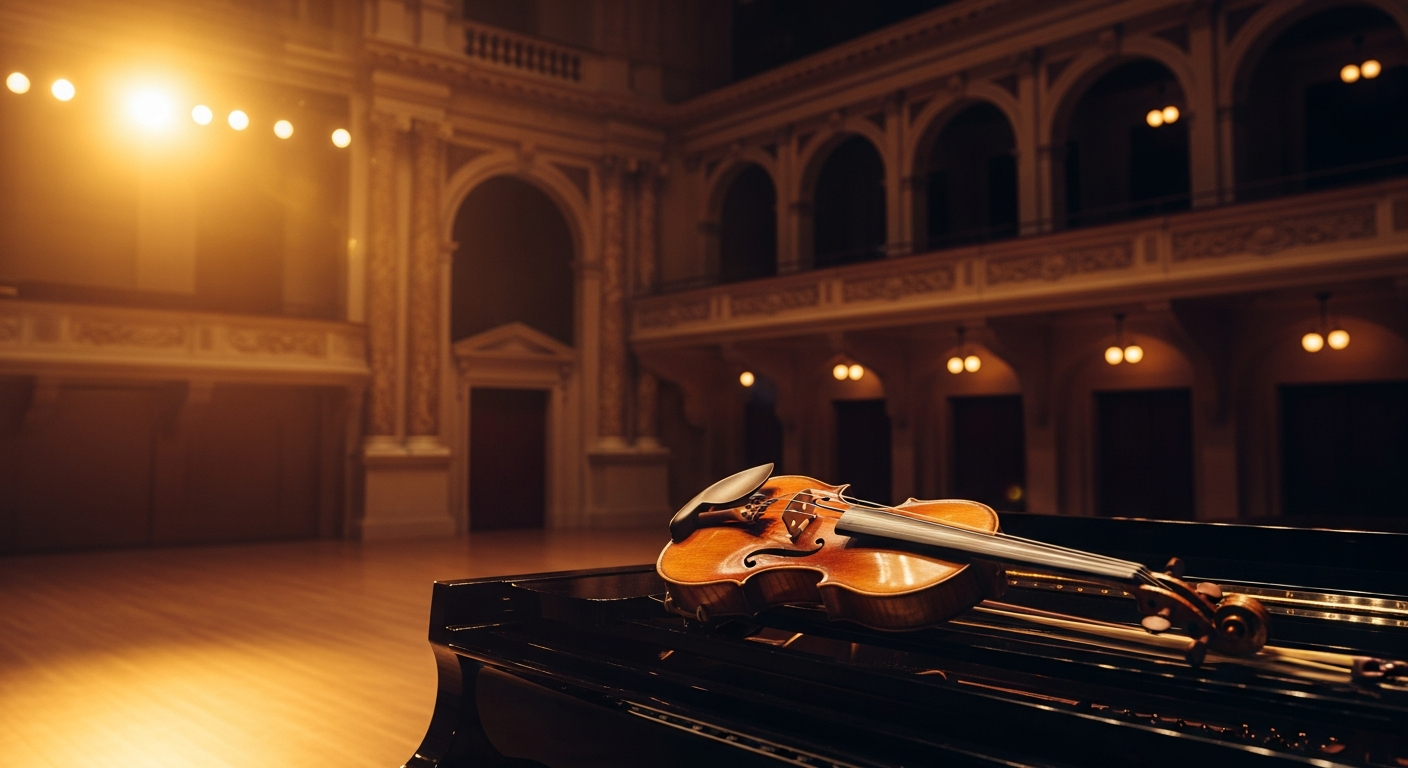
What if you could experience two of the world’s most celebrated interpretations of the seasons in a single, unforgettable evening? The Vivaldi & Piazzolla: Las Cuatro Estaciones concert isn’t just another classical music performance—it’s a transformative journey that pairs Baroque mastery with Argentine passion, creating something truly extraordinary. Fundación Excelentia, a non-profit organization dedicated to preserving and celebrating lyrical-musical heritage, has crafted this innovative concert experience as their flagship offering.
By juxtaposing Antonio Vivaldi’s timeless The Four Seasons with Astor Piazzolla’s evocative Four Seasons of Buenos Aires, they’ve created a program that bridges centuries, cultures, and musical traditions. The concert demonstrates that great art transcends geographical boundaries and speaks across generations. Discover the magic of this extraordinary musical experience.
This guide uncovers what makes this concert a must-see event for both classical music aficionados and curious newcomers. You’ll learn about the concert’s structure, the performing ensemble’s credentials, venue details, ticket pricing, and why audiences consistently sell out performances months in advance.
Two Centuries of Musical Genius: Understanding the Vivaldi & Piazzolla Pairing
Vivaldi’s The Four Seasons (1725): A Baroque Masterpiece
Antonio Vivaldi’s The Four Seasons stands as one of the most recognizable classical compositions ever written. This Baroque masterpiece features four concertos that capture the essence of each season through virtuosic violin passages and dynamic orchestration. Each concerto tells a story—the cheerful energy of Spring, the oppressive heat of Summer, the abundance of Autumn, and the bitter cold of Winter. Vivaldi’s brilliant use of the violin as the central voice creates passages that leap and dance across the musical landscape, showcasing technical brilliance while maintaining emotional clarity.
Piazzolla’s Four Seasons of Buenos Aires (1965): Tango Reinterpreted
Astor Piazzolla approached the seasons concept with completely different sensibilities. His Four Seasons of Buenos Aires, composed in 1965, infuses Latin rhythms, emotional intensity, and modern sensibilities into the seasonal narrative. Rather than depicting nature’s cycles, Piazzolla channels the tango—passionate, complex, and deeply human. His use of the bandoneon, strings, and rhythmic sophistication creates a sound world that feels simultaneously raw and sophisticated. The seasonal titles serve as metaphors for different states of Buenos Aires and the human experience within it.
The Contrast Effect: Amplifying Appreciation
Placing these works back-to-back creates a powerful contrast that enhances appreciation for both compositional styles. Vivaldi’s structured elegance, with its clear four-movement form and predictable harmonic progressions, suddenly illuminates the very different choices Piazzolla made. Conversely, Piazzolla’s complexity gains new context when heard after experiencing Vivaldi’s crystalline clarity. The juxtaposition invites audiences to consider how musical language evolves, how the same concept can generate completely different artistic responses, and how innovation builds upon tradition.
Accessibility Through Juxtaposition
For audiences unfamiliar with either composer, hearing these pieces together creates immediate understanding. The contrast makes both works more memorable and engaging. Someone encountering Vivaldi for the first time gains entry through a familiar framework—the seasons—before being transported into Piazzolla’s more complex emotional terrain. This pedagogical approach, whether intentional or not, makes the concert a gateway experience that opens doors to deeper classical music engagement.
The Performance Experience: Délica Chamber Orchestra and Venue Excellence
Délica Chamber Orchestra: Award-Winning Ensemble
The Délica Chamber Orchestra stands at the heart of this concert’s success. This award-winning ensemble is known for nuanced interpretations, impeccable technical precision, and deep commitment to chamber music tradition. The musicians who comprise Délica specialize in both Baroque and contemporary classical styles, allowing them to authentically perform both Vivaldi and Piazzolla with appropriate stylistic sensibilities. Their credentials speak volumes: they’ve earned recognition across Europe for their innovative programming and outstanding execution.
Auditorio Nacional de Música: Acoustics and Atmosphere
The concert takes place at the Auditorio Nacional de Música in Madrid, a prestigious concert hall featuring world-class acoustics that enhance every note. This venue isn’t chosen by accident—the acoustical properties of the space dramatically influence how audiences experience music. The hall’s design ensures that even the softest violin passage reaches the back rows with clarity, while the resonance of the space adds warmth and depth to the ensemble’s sound. The venue itself becomes part of the performance, elevating the experience beyond what even an excellent ensemble could achieve in a less suitable space.
Concert Structure and Duration
The concert runs approximately 90-120 minutes with an intermission. This duration allows audiences to absorb the first half (Vivaldi’s complete cycle) without fatigue, then reset their ears and minds before encountering Piazzolla’s radically different world. The intermission serves a crucial function—it’s not merely a practical break but an interpretive tool that forces audiences to experience the stylistic shift as a genuine transition rather than a continuous experience.
Ensemble Composition and Technical Mastery
The carefully selected musicians demonstrate how instrumental specialization enriches performance. String players who understand Baroque bow techniques execute Vivaldi’s ornamentations authentically, while those trained in contemporary classical approaches unlock Piazzolla’s rhythmic and harmonic innovations. This musical versatility requires significant preparation and artistry, reflecting Fundación Excelentia’s commitment to quality.
Ticket Pricing, Availability, and Subscription Options
Standard Ticket Pricing
Tickets range from €58 to €65 depending on seating location. Orchestra-level seats command premium pricing, while mezzanine and balcony sections offer more accessible rates. This tiered approach allows audiences across different budgets to experience the concert in a venue with excellent sightlines and acoustics throughout.
Additional Fees and Total Cost
Beyond the base ticket price, management and processing fees apply and vary by booking platform. These additional charges typically add 10-15% to the advertised price. Understanding the total cost upfront helps with budgeting and allows comparison across different ticketing channels.
Subscription Packages and Value
Fundación Excelentia offers multi-concert packages that provide significant savings for regular attendees. Subscribers often receive 15-25% discounts compared to single-ticket purchases, creating incentive for deeper engagement with the foundation’s programming. These packages cultivate loyalty while making classical music attendance more affordable for committed listeners.
Early Bird Promotions and Strategic Planning
Seasonal promotions and advance booking incentives reward planning ahead. Purchasing tickets 6-8 weeks prior to preferred performance dates typically unlocks the best pricing and optimal seating options. Book your tickets now and secure the perfect vantage point for this unforgettable concert.
High Demand and Sell-Out Patterns
This concert consistently sells out, particularly for weekend performances and peak season dates. The combination of renowned masterworks, exceptional performers, and limited performance windows creates natural scarcity. Waiting until last-minute bookings significantly increases the risk of unavailable seating or complete sell-outs.
Group Rates and Institutional Access
Fundación Excelentia offers potential discounts for organized groups, schools, and cultural institutions. Educational institutions frequently block tickets for music students, while cultural clubs and tour groups benefit from group pricing structures that make the concert more accessible to larger populations.
Why This Concert Captivates Diverse Audiences
Universal Themes Across Age Groups
Both Vivaldi and Piazzolla use seasons as metaphors, making the thematic content instantly relatable across age groups and musical backgrounds. A child hears the storm in Vivaldi’s Summer and recognizes something from their own experience. An adult hears Piazzolla’s Autumn and recognizes the melancholy of aging, memory, and change. The seasons transcend musical sophistication—they speak to something fundamental in human experience.
Stylistic Collision as Educational Theater
The pairing of Baroque elegance with tango passion creates an engaging narrative about how classical traditions evolve and adapt across cultures. Audiences witness not just two great works, but a conversation between them. This pedagogical dimension attracts music students, educators, and lifelong learners who appreciate experiencing musical history as a living, dynamic process.
Emotional Range and Artistic Merit
Vivaldi’s structured elegance contrasts beautifully with Piazzolla’s raw, passionate expression. The concert delivers emotional variety—audiences experience joy, melancholy, excitement, and reflection within a single evening. This emotional richness explains why attendees describe the concert as transformative and personally meaningful.
Foundation’s Mission and Cultural Impact
Fundación Excelentia’s commitment to making classical music accessible attracts audiences who appreciate both artistic excellence and social mission. Knowing that ticket purchases support educational initiatives and preservation efforts adds emotional resonance to the concert-going experience. Attendees become patrons, not merely consumers.
Gateway Experience for Classical Music
Many newcomers to classical music cite this concert as their entry point into serious concert attendance. The innovative programming removes barriers that might intimidate first-time attendees. Instead of beginning with a single composer or pure Baroque programming, audiences encounter a narrative arc that educates while entertaining.
What to Expect: Concert Structure and Musical Highlights
First Half: Vivaldi’s Four Seasons
The evening opens with Vivaldi’s complete Four Seasons cycle presented in traditional order. Spring awakens with bright violin figuration and celebratory orchestral texture. Summer brings intensity—the famous “storm” movement where orchestral violence depicts violent weather. Autumn transitions to themes of harvest and festivity, while Winter closes the Baroque portion with shimmering depictions of frost and ice. Audiences hear Baroque violin virtuosity at its finest, with the soloist demanding extraordinary technical facility while maintaining musical intelligence.
Intermission: Reflection and Transition
The intermission provides more than a practical break. It allows audiences to absorb what they’ve heard, process the Baroque musical language, and prepare mentally for the stylistic shift about to occur. Many attendees use this time to consult program notes about Piazzolla, mentally transitioning from 18th-century Venice to 20th-century Buenos Aires.
Second Half: Piazzolla’s Four Seasons of Buenos Aires
The second half features the tango-infused seasonal journey with bandoneon, strings, and rhythmic complexity that energizes audiences. Piazzolla’s Spring dances with urban energy rather than pastoral innocence. Summer burns with different intensity—sexual tension and passionate human drama rather than meteorological violence. Autumn carries elegance tinged with melancholy, while Winter closes with stark, almost noir-ish atmosphere. The contrast in instrumental color, rhythmic approach, and emotional content creates visceral impact.
Dynamic Contrast and Tension/Release
The concert deliberately builds tension and release through juxtaposition. Each movement of Vivaldi’s work sounds fresh and clarified by the contrast with what comes after. When Piazzolla begins, audiences immediately recognize the stylistic shift, which heightens engagement with his compositional choices.
Signature Moments and Audience Response
Certain passages consistently draw enthusiastic audience response. Vivaldi’s famous “storm” movement never fails to impress, while Piazzolla’s opening movement of his spring segment reliably energizes listeners. These predictable high points contribute to the concert’s appeal—audiences anticipate and savor these moments.
Encore Traditions
Fundación Excelentia maintains a tradition of offering unexpected bonus performances that leave audiences delighted. These encores might feature shorter movements, alternative arrangements, or pieces that complement the evening’s themes. The generosity of encores reflects the foundation’s genuine commitment to audience satisfaction.
Practical Planning: Booking, Venue Access, and Preparation Tips
Advance Booking Strategy
Reserve tickets 6-8 weeks prior to preferred performance dates to secure optimal seating. Early booking provides choice across multiple performance dates and seating sections. This advance planning also locks in ticket pricing before potential price increases as performances approach sell-out status.
Purchasing Channels
Fundación Excelentia offers multiple purchasing channels through their official website and authorized ticketing partners. Online purchasing provides immediate confirmation and digital tickets, while box office purchases allow personal consultation about seating options. Both methods charge comparable fees, so convenience should drive the choice.
Venue Location and Transportation
The Auditorio Nacional occupies a central Madrid location with excellent public transportation access via metro and bus. Multiple metro lines serve the venue, making car-free attendance feasible for most visitors. Public transportation eliminates parking concerns and allows audiences to relax before and after the performance.
Accessibility and Accommodations
The venue provides wheelchair accessibility, accessible restrooms, and seating accommodations for guests with mobility needs. Fundación Excelentia’s website details specific accessibility information, and contacting the box office directly ensures appropriate arrangements for any special requirements.
Dress Code Considerations
While formal attire isn’t required, many attendees choose smart casual or elegant clothing for the cultural experience. The social atmosphere at classical concerts tends toward respectful dress without demanding formality. Observing other attendees’ choices upon arrival provides guidance if uncertain.
Strategic Arrival Timing
Arrive 20-30 minutes early for program review and seating. This buffer allows time to locate the venue section, find your specific seat, review program notes, and settle in without rushing. Early arrival also contributes to the social experience of concert-going—observing other attendees and building anticipation.
Concert Etiquette
Guidelines regarding recording devices, flash photography, and mobile phone etiquette protect the performance and fellow attendees’ experiences. Mobile phones must be silenced (not merely vibrated), flash photography is prohibited, and recording devices are typically not permitted. These policies ensure that everyone experiences the concert with full attention and respect for the performers.
The Fundación Excelentia Mission: Making Classical Music Accessible
Non-Profit Commitment to Heritage
Fundación Excelentia operates as a non-profit organization dedicated to preserving lyrical-musical heritage while keeping performances affordable. This dual commitment sometimes involves compromise—perfect venues cost money, exceptional musicians demand appropriate compensation. Yet the foundation balances artistic excellence with financial accessibility in ways that commercial concert promoters cannot.
Educational Initiatives Beyond Performance
Workshops, pre-concert talks, and educational materials deepen audience understanding. These programs transform the concert from entertainment into learning experience. Attendees gain context about Vivaldi’s historical moment, insight into Piazzolla’s compositional techniques, and understanding of how tango music evolved as an art form.
Community Engagement and Outreach
Outreach programs bring classical music to underserved populations and schools. Educational performances in non-traditional venues introduce classical music to audiences who might never enter concert halls. This democratization of classical music represents the foundation’s core values translated into action.
Artist Development and Emerging Musicians
Support for emerging musicians and chamber ensembles through performance opportunities ensures that classical music traditions continue evolving. Young musicians gain invaluable experience performing alongside established professionals, while audiences encounter fresh interpretive approaches.
Balancing Preservation and Innovation
The Vivaldi & Piazzolla pairing exemplifies how the foundation maintains classical music traditions while embracing innovative programming. Rather than presenting Vivaldi in historical isolation, they contextualize his work against contemporary musical developments. This approach keeps classical music alive and relevant.
Building Subscription Community
Multi-concert packages and member benefits cultivate loyal audiences who attend multiple performances throughout the season. This community aspect transforms classical music attendance from isolated events into ongoing cultural engagement, building social connections among music enthusiasts.
Comparing the Concert Experience: Live Performance vs. Recordings
Acoustic Immersion in Physical Space
Live performance in the Auditorio Nacional provides spatial and emotional dimensions impossible to capture on audio recordings. The sound surrounds listeners in three-dimensional space, with slight variations depending on seating location. This immersive quality creates presence that recordings, even the finest ones, cannot replicate.
Witnessing Technical Mastery
Observing the ensemble’s communication and technical mastery creates deeper appreciation for the music. Audiences watch violinists execute rapid passages with precision, observe the conductor shaping phrases, and witness musicians listening intently to each other. This visual dimension enriches understanding of the music’s construction.
Real-Time Energy Exchange
The real-time connection between performers and audience generates spontaneous moments that define live classical music. A musician’s intense focus, an unexpected interpretive choice, or a moment of absolute technical brilliance creates connection that transcends the notes on the page. This energy exchange is unique to live performance.
Visual Artistry and Instrumental Technique
Beyond hearing the music, audiences appreciate observing instrumental technique. Watching a violinist execute rapid figurations or a conductor’s precise hand gestures enhances understanding of performance challenges and artistic choices. The visual dimension complements the auditory experience.
Unique Variations Each Performance
Every performance contains subtle variations and interpretive choices that make each concert distinct. Tempos might shift slightly, dynamics adjust based on the ensemble’s feeling that evening, and spontaneous interpretive choices emerge. No two performances are identical, creating genuine uniqueness.
Recorded Alternatives for Accessibility
Official recordings and streaming options exist for those unable to attend live performances. These recordings preserve the foundation’s interpretations and serve educational purposes. However, recordings function as documentation rather than replacement for the live experience.
Audience Reviews and Why Attendees Return
Consistent Praise and Recognition
Testimonials highlight the innovative programming and exceptional musical quality. Attendees consistently emphasize the concert’s ability to engage both longtime classical music enthusiasts and complete newcomers. Review platforms and word-of-mouth recommendations reflect high satisfaction rates.
Transformative Emotional Impact
Audiences describe the concert as transformative and personally meaningful. Many attendees report that hearing these masterpieces performed together shifted their understanding of classical music or inspired deeper engagement with the art form. The emotional impact extends beyond the two-hour performance into lasting influence.
High Repeat Attendance Rates
A significant percentage of ticket holders subscribe to multiple performances annually. This repeat attendance demonstrates that the concert satisfies audiences completely—they return because they want to experience it again and bring friends and family. Subscription renewals reflect consistent quality and audience satisfaction.
Strong Word-of-Mouth Success
High recommendation rates among friends, family, and cultural circles create organic audience growth. Personal recommendations carry more weight than advertising, and the concert generates genuinely enthusiastic advocates who encourage others to attend.
Generational Appeal and Family Attendance
Families attend together, with both seasoned listeners and first-time concert-goers finding value. Parents introduce children to classical music, adult children bring aging parents, and peer groups share the experience. This multi-generational appeal demonstrates the concert’s accessibility across different musical backgrounds.
Specific Venue Appreciation
Audiences consistently commend the Auditorio Nacional’s acoustics and comfortable seating. Recognition of the venue’s role in the overall experience reflects understanding that performance quality depends on multiple factors beyond the musicians themselves. The setting matters profoundly.
Planning Your Classical Music Journey: Beyond This Concert
Building Sustainable Concert Habits
Attending this performance can inspire regular classical music engagement. Many first-time attendees report that this concert sparked interest in exploring classical music more deeply. Building concert attendance into regular cultural habits enriches life significantly.
Exploring Fundación Excelentia’s Calendar
Other flagship events and seasonal programming deserve exploration. The foundation presents diverse classical music programming throughout the year, offering opportunities to hear different composers, ensembles, and styles. A single concert often becomes entry point into broader engagement with the foundation’s mission.
Deepening Musical Knowledge
Recommended recordings, documentaries, and books about Vivaldi and Piazzolla extend learning beyond the concert experience. Understanding the composers’ historical contexts, exploring alternative recordings, and reading about their compositional techniques deepens appreciation for their masterworks.
Subscription Benefits and Long-Term Value
Committing to multiple performances throughout the concert season provides substantial long-term value. Beyond financial savings, subscriptions create accountability for concert attendance and build anticipation throughout the cultural calendar. Subscribers often report that the subscription commitment deepens their cultural engagement.
Networking With Fellow Enthusiasts
Concert attendance creates opportunities to connect with fellow classical music enthusiasts. Many listeners form friendships around shared cultural interests. The social dimension of concert-going, from pre-performance discussions to post-concert conversations, enriches the experience.
Supporting the Arts and Cultural Preservation
Ticket purchases directly support Fundación Excelentia’s educational initiatives and preservation missions. Every ticket sold funds workshops, outreach programs, and artist development opportunities. Attending concerts becomes an act of cultural patronage with tangible impact.
Your Invitation to Musical Discovery
The Vivaldi & Piazzolla: Las Cuatro Estaciones concert represents far more than an evening of entertainment—it’s a masterclass in how classical music evolves, adapts, and continues to move audiences across generations. By bringing together Baroque brilliance and tango-infused passion under one roof, Fundación Excelentia has created something genuinely special: an accessible gateway into serious classical music that doesn’t compromise on artistic excellence.
Whether you’re a seasoned concert attendee or someone curious about what classical music offers, this performance delivers on every level. The Délica Chamber Orchestra’s interpretive prowess, combined with the Auditorio Nacional’s superior acoustics, ensures you’ll experience these masterpieces as they deserve to be heard. The innovative programming removes barriers to entry while respecting the sophistication of both compositions. You’ll hear music that has moved audiences for centuries, performed by musicians who understand how to honor tradition while embracing new possibilities.
Given the consistent sell-outs and high demand, your next step is straightforward: identify your preferred performance date, check availability, and secure your tickets immediately. This concert won’t wait—audiences are already planning their attendance months in advance. The opportunity to experience two centuries of musical genius in a single, unforgettable evening comes infrequently. Reserve your seat today and join thousands of audiences discovering why this concert transforms classical music appreciation.
Leave a Reply