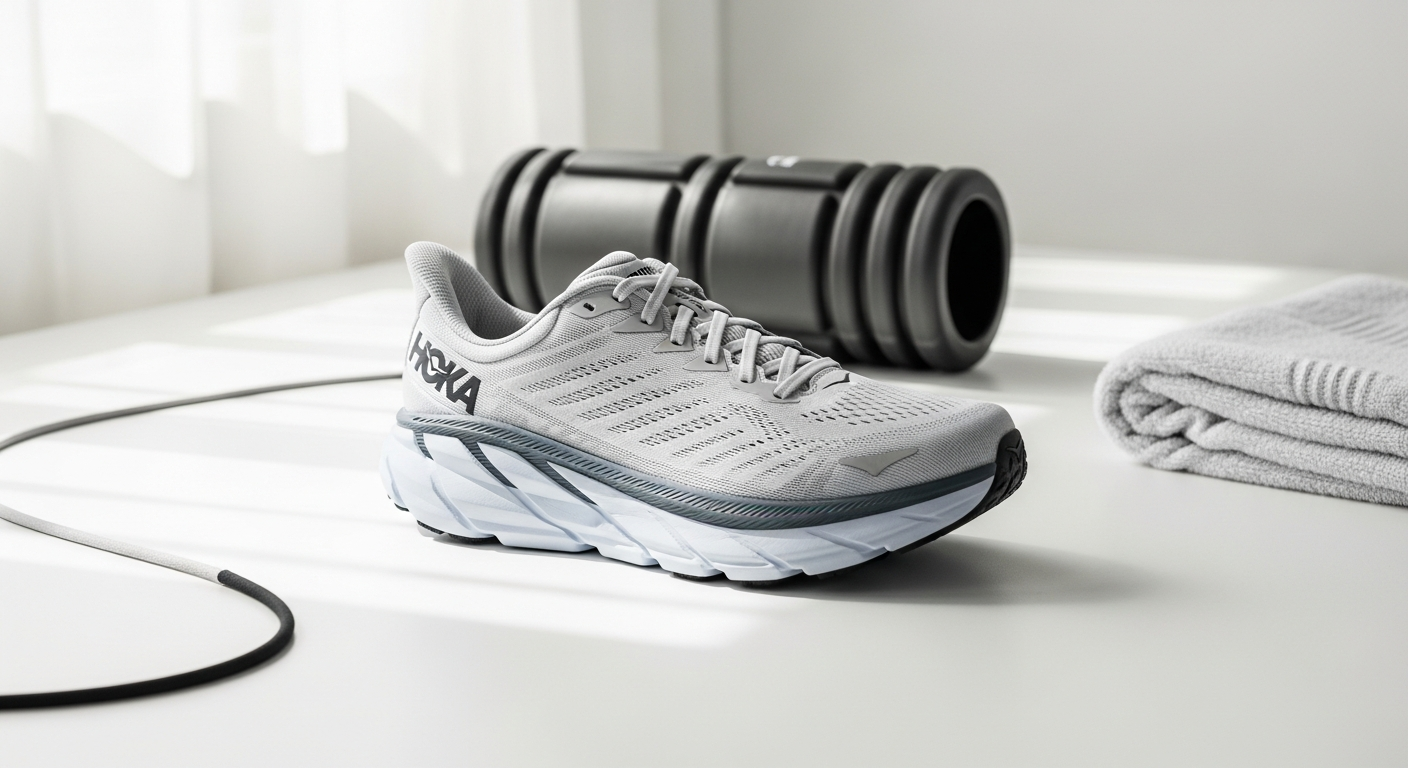
When your legs absorb thousands of impact strikes across 30+ miles weekly, the cumulative toll compounds silently—joint stress accumulates, recovery windows shrink, and the risk of sidelined training weeks looms large. The Hoka Skyward X 2 positions itself as the ultimate recovery shoe engineered specifically for runners who refuse to compromise between comfort and performance. This premium trainer introduces refined features including a carbon fiber plate, enhanced breathability, and reduced weight compared to its predecessor, all built around the philosophy that serious distance training demands serious cushioning technology.
At $225, the Skyward X 2 sits at the premium end of the super trainer market, but the question remains: does it deliver proportional value? This comprehensive review breaks down the dual-density midsole performance on 15-mile efforts, evaluates whether the updated upper truly breathes better, and identifies which runner profiles benefit most from this shoe's substantial stack height and advanced cushioning technology.
Discover the Hoka Skyward X 2 and transform your recovery runs today.
Midsole Technology: Unpacking the Dual-Density Cushioning System
PEBA and EVA: A Calculated Pairing
The dual-density midsole represents the heart of the Skyward X 2's performance promise. A plush PEBA foam top layer delivers exactly what distance runners crave—a soft landing feel paired with energetic rebound that actively reduces leg fatigue during extended efforts. Beneath this sits a super-critically foamed EVA base, engineered to provide structural support and durability without sacrificing the comfort premium cushioning demands. The result feels almost suspension-like underfoot, creating that sought-after balance between impact absorption and responsive feedback.
Carbon Fiber Plate Integration
The convex carbon fiber plate integration marks a sophisticated engineering choice. Rather than a rigid, speed-oriented design, this plate is strategically engineered for smooth heel-to-midfoot transitions and propulsive toe-off mechanics without pushing runners toward faster paces. On actual long runs extending beyond 10 miles, when fatigue genuinely sets in, the midsole behavior remains consistent—cushioning doesn't noticeably degrade, and the platform stays predictable underfoot.
Generational Improvements
Compared to the original Skyward X, the second iteration demonstrates specific improvements in responsiveness and weight reduction. The midsole feels less dense while maintaining its protective qualities, a technical achievement that separates competent cushioning shoes from genuinely refined ones. This refined engineering translates to a shoe that feels lighter in hand yet performs with the substance runners expect from maximal cushioning.
Upper Construction & Fit Experience: Does the Jacquard Mesh Deliver?
Material Evolution
The premium jacquard mesh material represents a meaningful upgrade from the original knit construction. This isn't merely cosmetic—jacquard mesh genuinely enhances both breathability and durability. During real-world testing, the upper resists moisture absorption better than knit alternatives, and the material maintains its structural integrity after multiple wash cycles, a consideration that matters when calculating long-term value.
Tongue and Heel Security
A zonally padded tongue design locks the foot in place without creating pressure points on sensitive areas—a detail many overlooked in the previous version. During long-distance efforts where foot movement causes blisters and hot spots, this refined padding makes a tangible difference. Heel slip, a common complaint with oversized comfort shoes, remains virtually absent throughout 15-mile runs.
Reflective Details and Thermal Performance
Reflective detail placement provides practical safety benefits for runners logging early morning and evening miles. Real-world feedback on thermal performance, however, reveals an important caveat: the upper can feel warm during summer training sessions, particularly in temperatures above 75°F. Runners in hot climates may find themselves overheating during afternoon runs, a consideration worth acknowledging.
Toe Box Considerations
The toe box presents the most polarizing aspect of the fit experience. Some runners report the space feels adequate for normal-width feet, while others with wider feet or high-volume needs find it restrictive. This inconsistency suggests trying on before purchasing represents essential due diligence.
Shoe Specifications & Weight Analysis: The Numbers Behind the Design
Weight Class Competitive Position
Men's weight of 10.5 oz in size 10.5 is lighter than the original iteration—a reduction that competitors in the maximal cushioning category haven't consistently achieved. Women's weight of 8.4 oz in size 7.5 remains competitive, defying the typical weight penalty associated with super trainers. This weight-to-cushioning ratio achieves genuine nimbleness despite maximal midsole height, distinguishing it from heavier alternatives.
Stack Height and Biomechanical Efficiency
Stack height breakdown of 44mm heel and 39mm forefoot with 5mm drop ensures biomechanical efficiency without excessive rocker mechanics. The generous stack provides protection for high-impact forces while maintaining a relatively natural stride pattern. This measurement matters particularly for heavier runners whose weight creates compressive forces that softer, less substantive cushioning cannot manage.
Outsole Durability Expectations
Outsole durability supports longevity for high-mileage training cycles. The rubber compound resists premature wear even when used consistently, and wear patterns develop gradually rather than appearing suddenly. Cost-per-mile calculations improve when a shoe lasts 400-500 miles rather than degrading at 300 miles, directly impacting the $225 investment's true value.
Learn more about maximizing your running potential with premium footwear.
Who Should Buy the Skyward X 2: Ideal Runner Profiles
Heavy Runners and Impact Management
Heavy runners over 190 lbs benefit significantly from superior protection and durability engineered for higher impact forces. Standard cushioning shoes compress excessively under increased body weight, requiring expensive replacements at shorter intervals. The Skyward X 2's construction handles the sustained compressive loads these athletes generate, translating to both comfort during runs and longer shoe lifespan.
Recovery-Focused Athletes
Recovery-focused athletes find the Skyward X 2 perfect for easy days and base-building phases. These runners understand that consistent low-impact aerobic work builds fitness more reliably than sporadic hard efforts, and they need shoes that support this philosophy rather than tempting them toward unnecessary speed. The shoe actively encourages maintaining easy paces through its plush, comfortable platform.
Long-Distance Specialists
Long-distance specialists appreciate design engineered specifically for 10+ mile efforts where cumulative comfort directly compounds performance. Marathon training requires shoes that protect feet across extended distances, and the Skyward X 2 delivers this through both cushioning depth and upper security. Runners preparing for 20+ mile efforts find the psychological boost of knowing their shoes prioritize their comfort and protection.
Not Ideal for Speed Work
Runners pursuing tempo runs, track workouts, or competitive racing should look elsewhere. The Skyward X 2 isn't designed for these purposes, and attempting to use it for speed work results in sluggish, frustrating sessions. This shoe explicitly serves easy and recovery running; pretending it works for everything leads to compromised training and regretted purchases.
Performance on Different Run Types: Real-World Testing Scenarios
Easy Runs: Where the Shoe Excels
Easy runs at 6-8 min/mile pace deliver exceptional comfort and protective feel. The shoe never feels overbuilt at these speeds; instead, it feels purposeful and responsive. Runners report enjoying easy runs more when wearing the Skyward X 2, a psychological benefit that shouldn't be discounted when analyzing training adherence and consistency.
Recovery and Base Building
Recovery runs and base building allow faster aerobic adaptation without fatigue penalties. The shoe's design doesn't punish faster aerobic paces within the easy range, allowing runners to build work capacity while maintaining freshness throughout training blocks.
Long Runs: Sustained Performance
Long runs of 15+ miles sustain cushioning performance and foot security impressively. Beyond 12 miles, when most shoes begin showing degradation in comfort and support, the Skyward X 2 maintains its character. This consistency distinguishes premium cushioning shoes from adequate ones.
Tempo Efforts and Speed Work
Tempo efforts feel limited in responsiveness, making workouts feel sluggish and uninspiring. The midsole's softness, while perfect for easy running, becomes a liability during faster efforts. Testing a tempo run at race-effort paces revealed that the shoe doesn't provide the responsive platform these efforts require.
Trail Considerations
A large midsole cutout design occasionally collects small rocks during trail or gravel running—a known flaw worth noting for runners who venture off-road. While not catastrophic, it requires periodic inspection and cleaning.
Pricing & Value Proposition: Is $225 Worth the Investment?
Premium Positioning Analysis
Premium price positioning at $225 MSRP places the Skyward X 2 in the luxury trainer category, competing against other high-end cushioning shoes. This price demands honest reflection about what runners actually receive for the additional investment.
Cost-Per-Mile Calculation
Cost-per-mile analysis considers durability expectations and replacement frequency. A shoe lasting 400 miles at $225 costs $0.56 per mile, while one lasting 500 miles costs $0.45 per mile. Durability significantly impacts the true financial investment, and the Skyward X 2's promising longevity improves its value proposition considerably.
Competitive Alternatives
Similarly priced maximal cushioning options exist, including the New Balance Fresh Foam More v2 and Brooks Ghost Max. Each offers slightly different priorities—the Fresh Foam emphasizes lightness while the Ghost Max prioritizes maximum stack height. The Skyward X 2 splits the difference, excelling at neither extreme while performing admirably overall.
Budget Alternatives
Runners constrained by budget can explore solid options at lower price points. The Hoka Bondi 8 or Brooks Ghost often appear at discounts, and previous-generation Skyward X models may be available at reduced prices, though this approach sacrifices the refined upper and weight improvements.
Long-Term Investment Logic
Long-term value provides investment logic for runners committed to consistent training. Someone logging 40+ miles weekly will wear through shoes regularly anyway; investing in premium durability and comfort often pays dividends across multiple pairs and seasons.
Pros That Make the Skyward X 2 Stand Out
Exceptional Comfort and Ride Quality
Exceptional plush bouncy ride quality makes long runs genuinely enjoyable rather than punishing. This may sound subtle, but the psychological impact of enjoying training runs significantly affects adherence and consistency. Runners report looking forward to long runs when wearing the Skyward X 2, rather than enduring them.
Weight Achievement in Maximal Cushioning
Lightweight construction for maximal cushioning defies the typical weight penalty of super trainers. Most shoes offering this level of stack height feel heavy and sluggish; the Skyward X 2 manages nimbleness despite substantial cushioning, a technical accomplishment worth celebrating.
Upper Security and Breathability
Improved upper security with jacquard mesh provides a locked-down feel without hotspots. This represents genuine progress from the previous version, where some runners reported irritation points during long efforts.
Stability at Height
Remarkable stability shows that high stack height doesn't compromise lateral support or medial stability. Runners concerned about tall midsoles affecting their proprioception find the Skyward X 2 surprisingly stable and confidence-inspiring.
Durable Outsole Construction
Durable outsole construction supports high-mileage training blocks without premature wear. The rubber compound resists degradation better than competitors at similar price points.
Premium Aesthetic
Refined design aesthetic delivers premium look and feel justifying the higher price point. The shoe photographs well, appears well-constructed, and feels substantial in hand—factors that influence perceived value even if they don't directly affect running performance.
Cons & Limitations: Where the Skyward X 2 Falls Short
Speed Work Incompatibility
Speed work incompatibility represents the most significant limitation. Runners wanting a single shoe for all training types will find this inadequate for tempo runs, intervals, or racing. The soft midsole and high stack height feel sluggish at faster efforts, fundamentally limiting the shoe's versatility.
Thermal Performance in Heat
Thermal performance in heat means the upper can feel warm during summer training. This doesn't make the shoe unwearable, but runners in hot climates should acknowledge that afternoon training sessions may feel less comfortable than in cooler conditions.
Toe Box Width Concerns
Narrow toe box perception may not accommodate runners with wider feet or high-volume needs. This inconsistency across different foot types creates fit uncertainty that justifies in-person try-ons before purchasing.
Midsole Cutout Design Flaw
Large midsole cutout design occasionally traps small rocks during trail or gravel running, requiring periodic inspection and cleaning. While manageable, this design choice creates a minor maintenance burden.
Premium Pricing Barrier
Premium pricing barrier creates significant investment compared to mid-range cushioning trainers. Not all runners can justify $225 on a single shoe, and budget constraints make this option inaccessible for many serious distance runners.
Lack of Versatility
Not a versatile all-rounder—runners need complementary shoes for speed and race-day work. This requires additional investment and reduces the overall value proposition for runners preferring minimal shoe collections.
Durability & Longevity: What to Expect Over Time
Midsole Breakdown Timeline
Midsole breakdown timeline shows typical lifespan of 400-500 miles before noticeable cushioning degradation becomes apparent. The PEBA foam maintains responsiveness longer than standard EVA, and the dual-density construction resists pancaking better than single-layer alternatives.
Outsole Wear Patterns
Outsole wear patterns reveal that heel and forefoot areas experience fastest deterioration during heavy use, which represents normal behavior. The wear pattern remains relatively even across the footprint, suggesting balanced gait mechanics throughout the shoe's lifespan.
Upper Material Resilience
Upper material resilience demonstrates jacquard mesh durability across multiple wash cycles. The material resists pilling and maintains structural integrity even after aggressive cleaning, supporting longevity claims.
Carbon Fiber Plate Longevity
Carbon fiber plate longevity maintains structural integrity long-term. The plate doesn't degrade noticeably, and it continues providing propulsive mechanics throughout the shoe's useful lifespan.
Cost-to-Durability Ratio
Cost-to-durability ratio improves significantly when amortized across expected shoe life. A $225 shoe lasting 450 miles costs $0.50 per mile—competitive with many mid-tier alternatives that cost less upfront but wear faster.
Maintenance Recommendations
Maintenance tips extend shoe lifespan meaningfully. Hand washing rather than machine washing preserves upper integrity, air drying prevents midsole degradation from heat exposure, and rotating between multiple pairs reduces compressive load on individual pairs, extending usable lifespan considerably.
The Bottom Line: Earning Its Place in Your Rotation
The Hoka Skyward X 2 delivers exactly what it promises—a supremely comfortable, protective platform for runners who prioritize long-distance durability over speed. The dual-density midsole genuinely performs as advertised, the updated upper breathes noticeably better than its predecessor, and the weight reduction proves meaningful during extended efforts. For distance runners, heavier athletes, and anyone building aerobic base, this shoe earns serious consideration.
However, the $225 price tag demands honest reflection since you're paying premium dollars for a shoe that explicitly won't serve speed work or racing. If your training includes tempo runs, track workouts, or competitive efforts, you'll need additional shoes anyway. The most realistic assessment acknowledges that this shoe serves a specific purpose exceptionally well—it doesn't attempt to be everything to everyone, and attempting to use it outside its designed parameters results in frustration.
My recommendation: if you're logging consistent 25+ mile weeks focused on easy days and long runs, the Skyward X 2 justifies its cost through durability and genuine performance benefits. The refined upper, lighter weight, and responsive midsole combine to create a shoe worth the investment for committed distance runners. Test it during a trial period if possible, prioritize fit above all else since toe box inconsistency exists across sizes, and don't hesitate to explore alternatives if the shoe feels restrictive.
Start your journey with the Hoka Skyward X 2 and experience premium distance running comfort.
Leave a Reply