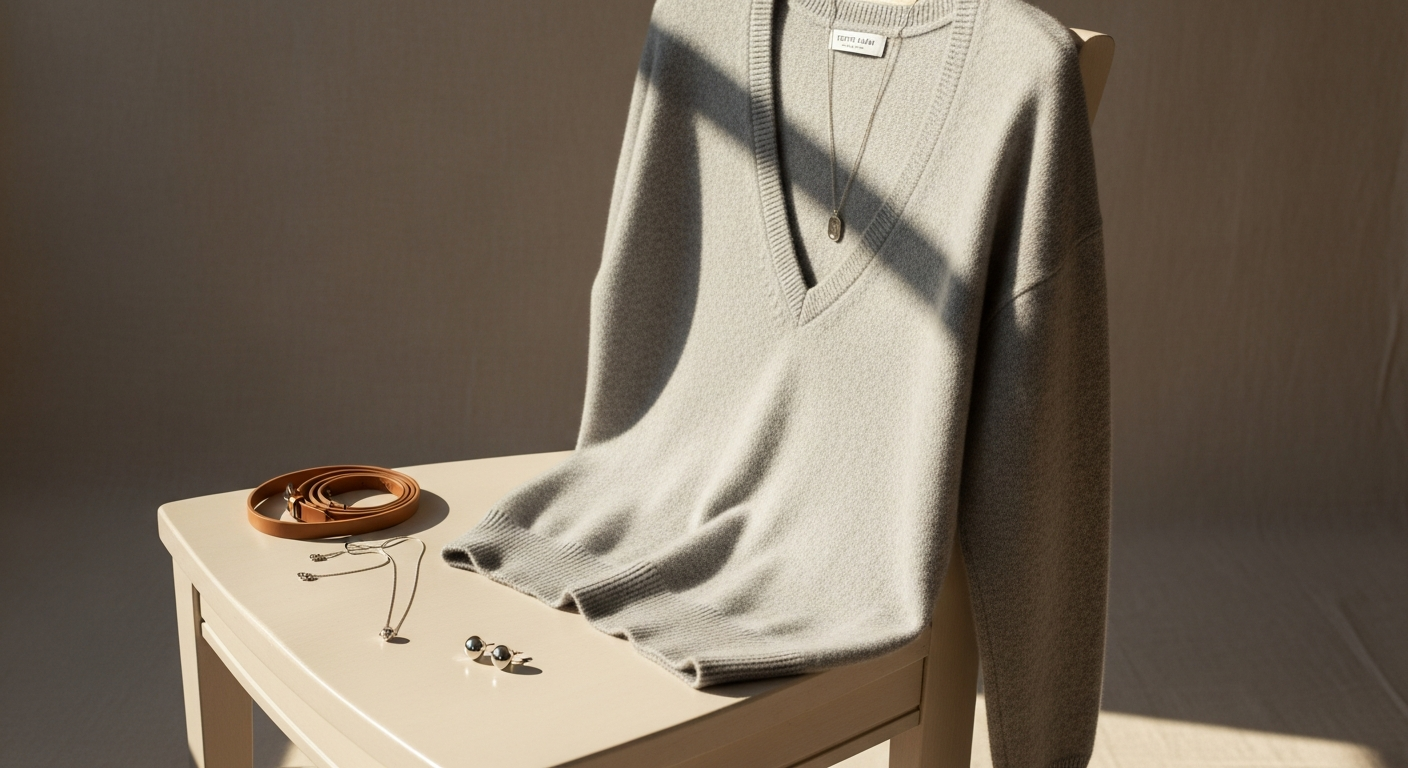
I’ve watched countless professionals waste money on trendy knitwear that falls apart after a single season. Yet there’s a counterintuitive truth: spending more upfront on genuine cashmere actually saves you thousands in the long run. The Peter Hahn 100% Cashmere Pullover represents this shift in thinking—a piece that gets better with age, not worse.
Peter Hahn has spent decades perfecting the art of cashmere craftsmanship, sourcing the world’s finest fibers and adhering to rigorous standards like The Good Cashmere Standard. This isn’t about following trends; it’s about understanding that premium natural fibers deliver unmatched comfort, performance, and longevity. For anyone serious about building a lasting wardrobe, this distinction matters enormously.
I’m going to walk you through exactly what makes this pullover worth the investment—from the science behind premium cashmere to real-world durability, care requirements, and how it stacks up against alternatives. By the end, you’ll understand why discerning professionals consider this a non-negotiable closet staple, not just another expensive sweater.
The Science Behind Peter Hahn’s Premium Cashmere Selection
Fiber Sourcing from Northwest China and Geographic Quality
The origin of cashmere matters far more than most consumers realize. Peter Hahn sources fibers from northwest China, a region renowned for producing some of the world’s finest cashmere. Geographic origin directly influences fiber quality because climate conditions, breeding practices, and local expertise create cashmere with superior characteristics. The harsh mountain environment produces cashmere goats with exceptionally fine undercoats, making this region the gold standard for premium fiber sourcing.
Long-Staple versus Short-Staple Cashmere
Fiber length separates luxury cashmere from mediocre alternatives. Long-staple cashmere fibers create stronger yarns that resist pilling and maintain integrity through countless washing cycles. Short-staple fibers, by contrast, break apart more easily and pill rapidly with normal wear. Peter Hahn prioritizes long-staple cashmere, which means the pullover you purchase today will feel as soft a decade from now as it did on day one.
The Good Cashmere Standard Certification
Third-party verification provides assurance that isn’t available with uncertified cashmere. The Good Cashmere Standard guarantees environmental responsibility, animal welfare standards, and transparent supply chains. When Peter Hahn highlights this certification, they’re signaling that their fibers meet rigorous international standards—not just vague claims about quality.
Micron Count and Fiber Fineness
Peter Hahn prioritizes ultra-fine fibers measured at 14-15 microns in diameter. This fineness directly correlates to softness against skin. Thicker fibers (16+ microns) feel scratchy and uncomfortable, while these ultra-fine fibers create the buttery texture that defines luxury cashmere. The difference might sound marginal, but it’s the reason premium cashmere feels dramatically different from standard alternatives.
Pilling Resistance and Longevity
Premium cashmere maintains fiber integrity over years of wear because the long fibers remain anchored to the yarn structure. Cheap cashmere pills excessively because short fibers break free and ball up on the surface. A Peter Hahn pullover experiences minimal pilling even after 50+ washes, which speaks to the fundamental quality difference between genuine premium cashmere and lower-grade alternatives.
Thermal Properties and Performance
The science behind cashmere’s warmth-without-bulk advantage lies in fiber structure. Cashmere fibers trap air in microscopic pockets, creating insulation far superior to thicker wool alternatives. The result is a pullover that keeps you warm in winter without the weight or bulk. Conversely, these same properties provide breathability in warmer months, making cashmere a genuinely year-round fiber.
Performance Features That Justify the Investment
Exceptional Softness Against Skin
The tactile experience of wearing this pullover sets it apart immediately. Wool, even premium merino, feels slightly coarse by comparison. Synthetic blends offer no natural softness whatsoever. Pure cashmere delivers a sensory experience that luxury should feel like—your skin notices the difference within seconds of putting it on.
Temperature Regulation Capabilities
This pullover actively regulates your body temperature rather than simply trapping heat. In winter, it provides genuine warmth. In summer or moderate seasons, it breathes instead of making you overheat. This dual capability means you’re not constantly removing and replacing the sweater throughout the day.
Natural Odor Resistance
Cashmere’s molecular structure naturally resists odor accumulation. You can wear this pullover multiple times between washes without detecting any smell, which reduces wash frequency significantly. Less frequent washing directly extends garment lifespan by minimizing fiber stress and maintaining shape retention over time.
Dirt-Repellent Properties
Surface dust and debris slide off cashmere rather than embedding themselves into fibers. This self-cleaning property means your pullover looks fresher longer, even without washing. The natural waxy coating on cashmere fibers creates this hydrophobic effect—another advantage that synthetic alternatives simply cannot replicate.
Shape Retention and Classic Design
The pullover’s classic cut combines with cashmere’s natural elasticity to create a garment that maintains its shape season after season. Your pullover won’t stretch out or develop baggy areas like cotton or cheaper wool alternatives. The neckline stays where it should, sleeves maintain proper length, and the overall silhouette remains crisp.
Breathability Without Moisture Retention
Unlike synthetics that trap moisture, cashmere allows perspiration to evaporate efficiently. You stay dry and comfortable without the clammy feeling that synthetic blends create. This breathability makes the pullover suitable for layering in various conditions without overheating.
Building a Capsule Wardrobe Around This Pullover
Versatility Across Seasons
This single pullover works across all four seasons through strategic layering. In winter, wear it under a blazer or overcoat. Spring and fall call for layering over long-sleeve shirts. Summer evenings become comfortable with the pullover draped over your shoulders. This seasonal versatility amplifies the cost-per-wear calculation dramatically.
Professional Styling
Pair the pullover with tailored trousers and a structured blazer for boardroom-ready sophistication. The timeless design elevates any formal ensemble without appearing overdressed. The neutral color palette that Peter Hahn emphasizes complements virtually any professional wardrobe foundation.
Casual Sophistication
Swap the tailored pieces for quality denim and minimalist accessories, and the pullover shifts into casual territory. The inherent luxury of cashmere means even your weekend looks feel intentional and polished rather than lazy or thrown-together.
Color Selection Strategy
Neutral tones—charcoal, cream, navy, and camel—ensure the pullover coordinates with multiple wardrobe pieces. Avoid trendy colors that limit pairing options. A neutral cashmere pullover becomes a wardrobe multiplier because it works with nearly everything you already own.
Investment-to-Wear Ratio
Calculate the actual cost per wear over 5-10 years. A €250 pullover worn 200+ times over a decade equals €1.25 per wear. Compare this to a €60 synthetic alternative worn 30 times before deteriorating: that’s €2 per wear. The premium investment becomes economically rational when you view it across a realistic ownership timeline.
Mixing with Complementary Natural Fibers
Layer this pullover with other natural fiber pieces—linen shirts, wool trousers, silk scarves—to create cohesive, sophisticated looks. Natural fibers complement each other aesthetically and functionally, creating outfits that feel intentional rather than random combinations.
Start building your investment wardrobe with Peter Hahn’s cashmere pullover collection today.
Understanding the Price Point and Value Proposition
The €150-€400 Price Range
Peter Hahn cashmere pullovers typically range from €150 to €400 depending on style, cut, and current sales. Sale opportunities sometimes drop premium pieces to €170-€190 without compromising quality. Understanding these price variations helps you identify genuine value rather than assuming higher always means better within this range.
Why Cashmere Commands Premium Pricing
Wool alternatives cost less because they’re easier to source, process, and manufacture. Synthetic blends cost even less because they’re petroleum-based commodities. Genuine cashmere requires specialized sourcing, meticulous quality control, and expert craftsmanship. The price premium directly reflects these legitimate production cost differences.
Synthetic Blend Performance Gaps
Synthetic blends offer moisture-wicking that pure cashmere cannot match, but they sacrifice softness, longevity, and the thermal regulation properties that make cashmere exceptional. For most professionals, those trade-offs aren’t worthwhile. The synthetic advantage applies only to specific athletic or technical applications, not everyday professional wear.
Identifying Quality Sales
Peter Hahn’s sale pieces at €170-€190 represent genuine value. These aren’t outlet-store compromises or discontinued poor performers—they’re overstock of quality pieces. Buying during sales doesn’t mean settling for lower quality; it means securing the same premium product at reduced prices.
Cost-Per-Wear Calculation
A €250 pullover worn 200 times equals €1.25 per wear. A €60 alternative worn 30 times equals €2 per wear. A €400 piece worn 300 times equals €1.33 per wear. Over realistic ownership timelines measured in years rather than seasons, premium cashmere consistently outperforms cheaper alternatives on a per-wear basis.
Secondary Market Resale Value
Premium cashmere maintains appeal in the secondhand market far longer than synthetic alternatives. Should your circumstances change, you can recoup 30-50% of the original purchase price selling a well-maintained Peter Hahn pullover. This resale option provides a financial safety net that cheap sweaters cannot offer.
Care and Maintenance: Protecting Your Investment
Hand Washing Technique
Fill a basin with lukewarm water and gentle cleanser designed for delicate fibers. Submerge the pullover and gently agitate the water for several minutes without wringing or scrubbing. Rinse thoroughly in clean water until all soap residue disappears. Gently squeeze out excess water—never wring or twist the garment.
Dry Cleaning Considerations
Professional dry cleaning remains optional for routine maintenance. Reserve dry cleaning for situations where the pullover requires deep cleaning or has encountered stubborn stains. Overusing dry cleaning damages fibers through chemical exposure. Hand washing extends garment lifespan far more effectively for routine care.
Storage Best Practices
Store the pullover flat or loosely folded in a breathable cotton bag, never in plastic. Keep it away from direct sunlight, which causes fading. Maintain moderate humidity and temperature conditions during off-season storage. Proper storage prevents damage that would otherwise occur during months when you’re not wearing the piece.
Managing Pilling
Minimal pilling occurs with premium cashmere, but surface pilling sometimes develops through friction. Use a cashmere comb or professional pilling tool to gently remove pills without damaging underlying fibers. Never pick pills off by hand or use razors, which create holes in the fabric.
Humidity and Environmental Control
Extreme humidity and temperature fluctuations stress delicate cashmere fibers. Maintain stable conditions around your storage area. Dry environments are preferable to damp ones, which encourage mildew and odors.
Professional Restoration Services
Quality cashmere pieces deserve professional restoration when necessary. Expert services can repair moth damage, rebuild damaged seams, or restore shape to stretched areas. These investments extend useful lifespan significantly, making professional restoration economically sensible for premium pieces.
Sustainability and Ethical Considerations
The Good Cashmere Standard
This certification verifies environmental responsibility, animal welfare standards, and transparent supply chains. Peter Hahn’s commitment to this standard demonstrates that luxury doesn’t require ethical compromise. You can wear this pullover knowing it meets rigorous standards for responsible production.
Peter Hahn’s Green Cotton Collection
The brand extends sustainability commitments beyond cashmere into other natural fibers. Their Green Cotton collection demonstrates consistent brand philosophy prioritizing sustainable practices across their entire product range. This consistency separates genuinely committed brands from those using sustainability as marketing theater.
GOTS Certification
Global Organic Textile Standard certification applies organic standards to natural fiber sourcing and production. When Peter Hahn highlights this certification, they’re guaranteeing organic production methods that protect ecosystems and worker health.
Longevity as Sustainability
A garment that lasts 10 years eliminates the need to manufacture 10 cheaper alternatives. This longevity argument represents genuine sustainability—reducing overall environmental impact through durability rather than through recycling claims. A single Peter Hahn pullover causes less environmental harm than replacing cheap sweaters seasonally for a decade.
Ethical Sourcing Practices
Premium brands like Peter Hahn maintain traceability throughout supply chains, ensuring fair wages and safe working conditions. Mass-market alternatives often obscure sourcing details precisely because those conditions wouldn’t withstand scrutiny. Choosing Peter Hahn means supporting ethical production practices.
Circular Fashion Perspective
Investment pieces transcend seasonal trends, which is the essence of circular fashion. You’re not discarding this pullover when next season’s color trends emerge. Instead, it remains a reliable wardrobe foundation, reducing consumption and supporting a more sustainable fashion model.
Real-World Durability: What Years of Wear Actually Look Like
Softness Retention
Premium cashmere maintains its initial tactile quality even after 50+ washing cycles. The fibers don’t degrade into coarse texture the way cheaper cashmere does. Your pullover will feel luxurious five years from now, not progressively rougher with each wash.
Color Fastness
Quality dyes used in premium cashmere resist fading through normal wear and proper care. Your charcoal pullover won’t fade to gray, and cream won’t yellow. This color permanence reflects the quality difference between Peter Hahn’s production standards and mass-market alternatives.
Seam Integrity
Construction quality prevents unraveling and deterioration at seams. You won’t experience separated shoulders or unraveling necklines that plague cheap knitwear. The stitching remains intact because Peter Hahn uses proper construction techniques and quality thread that outlasts the fibers themselves.
Elastic Recovery
Cashmere fibers bounce back after stretching and normal wear, maintaining shape instead of developing permanent baggy areas. Your pullover’s fit remains consistent across years of ownership, unlike cheap alternatives that stretch out and never recover.
Comparative Wear Testing
When compared side-by-side with wool and synthetic blends after equivalent wear cycles, premium cashmere clearly outlasts both alternatives. The fibers maintain integrity, colors remain vibrant, and shape retention remains superior. This comparative durability justifies the premium investment absolutely.
Long-Term Owner Testimonials
Professionals owning multiple Peter Hahn cashmere pieces consistently report decade-plus ownership of individual pieces. These aren’t anecdotes from brand marketing—they’re genuine user experiences demonstrating real-world durability that skeptics should find compelling.
Cashmere vs. Alternatives: Making an Informed Decision
Pure Cashmere Advantages
100% fiber content matters significantly because blending introduces compromises. Pure cashmere delivers the full spectrum of advantages: exceptional softness, superior thermal regulation, natural odor resistance, and genuine longevity. Each compromise fiber introduces brings trade-offs that reduce overall performance.
Cashmere-Wool Blends
Blending cashmere with wool reduces costs while maintaining some luxury characteristics. However, you lose some softness advantage and gain increased itchiness from wool fibers. These blends make sense only if budget constraints exist—they’re never superior to pure cashmere for the intended purpose of everyday luxury wear.
Merino Wool Comparisons
Merino wool offers superior moisture-wicking for athletic applications, but it feels noticeably coarser than cashmere. Merino is also more durable for high-stress activities but offers less thermal regulation advantage. For professional wardrobes, cashmere’s comfort advantage outweighs merino’s marginal durability edge.
Synthetic Alternatives
Synthetic blends offer moisture-wicking benefits and lower cost, but they sacrifice softness, longevity, and thermal regulation properties. Synthetics also generate static electricity and feel less luxurious against skin. For everyday professional wear, the sensory experience difference between cashmere and synthetics is immediately apparent.
Blended Option Decision Points
Blending fibers makes sense only when specific technical properties become necessary—moisture-wicking for athletic wear, for instance. For a professional wardrobe staple intended for everyday wear and longevity, pure cashmere’s comprehensive advantages justify avoiding blends entirely.
Long-Term Value Analysis
Comparing ROI across different fiber types over realistic ownership timelines consistently favors premium cashmere. The initial cost premium becomes economically negligible when spread across years of superior performance, longevity, and sensory experience. This value analysis should guide your purchasing decision away from cheaper alternatives.
Investment Payoff: The Long-Term Cashmere Advantage
When you purchase a Peter Hahn 100% Cashmere Pullover, you’re not just buying a sweater—you’re acquiring a wardrobe cornerstone that will outlast dozens of cheaper alternatives. The premium fiber sourcing, meticulous construction, and timeless design combine to create something genuinely rare in modern fashion: a piece that becomes more valuable to you over time, not less.
Understanding the science behind cashmere’s superior performance, the production standards that justify premium pricing, and the realistic durability metrics transforms how you view this investment. This pullover will work across seasons through intelligent layering. It will maintain its softness and shape for years. The cost per wear becomes economically rational when calculated across realistic ownership timelines measured in decades rather than seasons.
For professionals building intentional wardrobes, for anyone tired of replacing mediocre knitwear seasonally, and for those who value comfort without compromising on sophistication—this pullover represents exactly what premium fashion should be. The investment stops feeling expensive when you experience the difference daily. Your skin notices the softness. Your wardrobe gains flexibility. Your closet becomes more intentional rather than filled with disposable pieces.
Make the investment today, and you’ll understand why discerning dressers consider Peter Hahn’s cashmere collection non-negotiable.
Leave a Reply