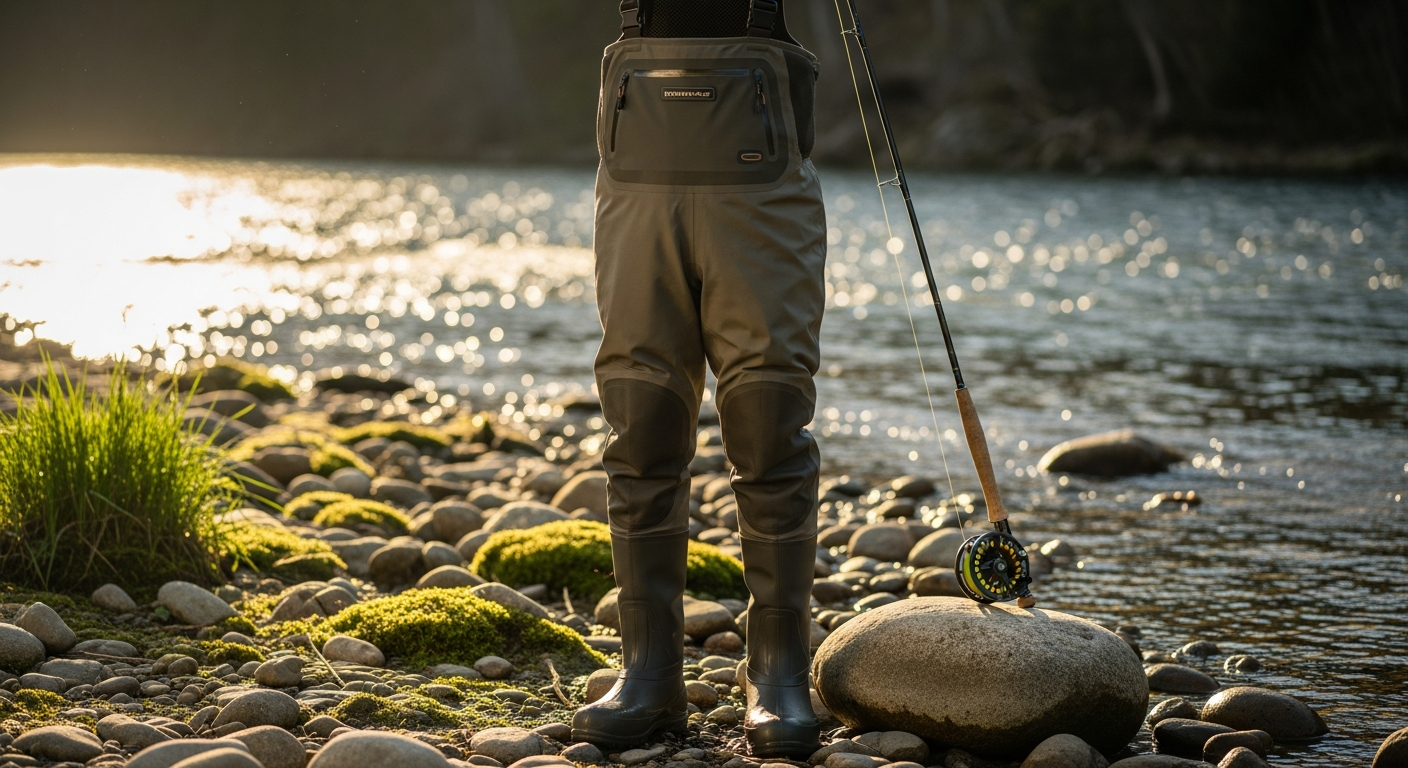
Over 80% of hunters cite cold feet as their biggest challenge during winter season, yet most premium wader brands demand $400+ investments. The wader market has long been dominated by brands that equate high prices with quality, leaving budget-conscious hunters feeling forced to choose between performance and financial responsibility. TideWe has quietly changed this equation entirely.
These insulated hunting waders pack features typically reserved for high-end brands—neoprene construction, Thinsulate insulation, reinforced seams, and thoughtful storage solutions—all while staying under $150. The difference between paying $500 and paying $120 for essentially the same core functionality isn't just about saving money; it's about smart resource allocation for gear that gets heavy use during peak season.
Understanding what makes TideWe waders work requires looking past marketing claims and examining actual construction, insulation technology, and real-world durability. You'll learn about insulation options ranging from 600g to 1600g, construction quality that withstands repeated use, and whether these waders truly deliver on their promise of premium performance at entry-level prices.
Check TideWe Insulated Hunting Waders availability and current pricing
Insulation Technology That Actually Keeps You Warm
Thinsulate insulation options: 600g, 800g, 1400g, and 1600g explained
TideWe offers multiple insulation levels because one-size-fits-all rarely works in hunting. The 600g option suits early season and milder climates where temperatures stay above freezing but activity level generates substantial body heat. The 800g handles moderate cold—think November mornings with highs in the 30s. Jump to 1400g for serious winter hunting where you're stationary in a blind for hours, and 1600g represents the maximum warmth tier for extreme conditions.
The Thinsulate technology behind these weights traps dead air space without adding bulk. Unlike traditional down insulation, Thinsulate maintains its insulating properties when wet, which matters in wader applications where moisture exposure is inevitable. Each gram rating corresponds to specific warmth ratings measured against temperature ranges, allowing hunters to match insulation directly to their climate and hunting style.
How neoprene thickness (3.5mm vs. 5mm) impacts warmth retention
The neoprene shell works in tandem with Thinsulate insulation. Standard 3.5mm neoprene provides adequate warmth for most hunters while maintaining reasonable flexibility and weight. The 5mm option increases insulation value noticeably, creating a noticeable difference in cold extremities after hours in the field. However, 5mm neoprene trades some mobility for warmth, making it the better choice for stationary hunting rather than wading through rivers or navigating dense terrain.
Combining materials matters more than individual thickness measurements. TideWe's construction pairs neoprene with a poly/jersey shell and stretch liner, creating a three-layer system where each component serves a specific purpose. The neoprene handles insulation, the poly/jersey shell provides durability and water resistance, and the stretch liner offers mobility without sacrificing weatherproofing.
Layering strategy: pairing waders with base layers for maximum cold-weather performance
Waders alone don't tell the full insulation story. Merino wool base layers or quality synthetic alternatives create a microclimate within your waders. The key is avoiding cotton, which retains moisture and amplifies cold. A quality base layer wicks sweat away from skin, allowing waders to focus on blocking external cold rather than managing internal moisture.
Most experienced hunters pair their waders with lightweight merino long underwear for temperatures above 20°F and midweight or expedition-weight merino for extreme cold. This layering approach costs under $100 additional and significantly extends the effective temperature range of your waders without requiring a larger insulation investment.
Insulation weight selection based on hunting season and climate conditions
Match insulation to your actual hunting conditions rather than worst-case scenarios. Overshooting insulation creates bulk, reduces mobility, and causes overheating during active movement. Most waterfowl hunters in northern regions land on 1400g as the sweet spot—warm enough for 12-hour blind sessions in 15°F weather without becoming oppressive during the warmup periods.
Duck season typically peaks in November and December when 1400g insulation handles most conditions effectively. Geese hunters pushing into January benefit from 1600g. Southern hunters focusing on early season might find 600g or 800g entirely sufficient. The advantage of TideWe's pricing model becomes apparent here—if you hunt different seasons or climates, purchasing multiple insulation levels remains financially accessible.
Waterproof Construction and Seam Engineering
Double-stitched, glued, and taped seam technology explained
Seams represent the primary failure point in any wader. TideWe addresses this through triple-redundancy: stitching locks the seam mechanically, glue creates a waterproof bond, and tape provides a final moisture barrier. This multi-layer approach prevents the common scenario where waders leak at seams after a season or two of use.
The construction process involves stitching neoprene pieces together first, then applying waterproof adhesive along the seam, and finally heat-applying waterproof tape over the entire joint. This technique, borrowed from higher-end brands, adds manufacturing cost but extends wader lifespan dramatically. Hunters report minimal seam failures even after three to four seasons of regular use.
Neoprene and poly/jersey shell combination for leak prevention
Neoprene provides the primary waterproofing layer. Its closed-cell structure blocks water from penetrating the material itself. However, neoprene alone wears through relatively quickly when exposed to abrasion. The poly/jersey shell coating protects neoprene from brush, rocks, and rough terrain, essentially serving as sacrificial outer armor.
This two-layer approach distributes wear across materials with different properties. The poly shell absorbs contact damage while neoprene retains waterproofing integrity underneath. After extended use in harsh conditions, the outer shell may show cosmetic wear, but the waterproofing remains intact because the critical neoprene layer stayed protected.
Stretch liner benefits for mobility and durability
TideWe incorporates a stretch liner interior that serves dual purposes. First, it increases comfort by allowing materials to move with your body rather than constraining movement. Second, it protects the neoprene interior from sweat, dirt, and friction that degrades materials. The stretch capability means the waders adapt to your shape rather than forcing you into a rigid form.
This liner also extends neoprene lifespan by preventing the inside surface from experiencing the same wear as the outside. Many wader failures stem from liner deterioration, which then compromises the protective neoprene layer. Quality liner construction directly impacts whether your waders remain waterproof for multiple seasons.
Reinforced knee and toe cap protection against wear
Knees take constant punishment. Crawling through dense brush, pushing through muddy bottoms, and kneeling in blinds all target knee areas specifically. TideWe reinforces these zones with additional neoprene thickness and sometimes protective panels that shield the vulnerable areas underneath. Toe caps receive similar treatment—additional material and reinforced stitching prevent the boots from splitting at flex points.
These reinforcements prevent the scenario where waders remain dry and insulated but develop holes exactly where you need them most. By distributing wader lifespan across materials rather than concentrating wear at single stress points, reinforced construction extends functionality significantly.
Explore TideWe wader reinforcement features and material specifications
Comfort Features That Don't Sacrifice Functionality
Adjustable elastic shoulder straps and waist belt customization
Properly fitted waders stay in place without cutting off circulation or sliding down unexpectedly. TideWe's adjustable shoulder straps allow personalization across different body types and clothing layers. Tighten them enough to keep waders secured during movement but not so much that they restrict breathing or upper body mobility.
The waist belt serves similar purposes—securing the waders while remaining adjustable for different layer thicknesses between seasons. Hunters wearing thin base layers in September will adjust the belt differently than those bundled in heavy insulation during January. Elastic construction lets the belt conform to changing body shapes rather than forcing a single static fit.
Fleece-lined hand warmer pockets for essential warmth
Cold hands compromise safety and functionality. Hunters struggle with dexterity, grip strength, and focus when hands freeze. TideWe's fleece-lined hand warmer pockets address this by providing dedicated space specifically designed for hand warming. The fleece lining increases insulation compared to standard pockets, and the strategic placement—typically at chest height—puts them within easy reach during shooting.
These pockets fit handwarmers or gloved hands, providing rapid temperature restoration during long sessions. The feature seems simple but meaningfully impacts hunting success because numb hands lead to missed opportunities. At the price point TideWe operates within, including thoughtful features like this represents exceptional value.
Waterproof phone pocket placement and accessibility
Modern hunters want phones accessible without removing waders or exposing critical areas to cold. TideWe's waterproof phone pockets keep devices safe from water intrusion while remaining positioned for easy access when needed. The pocket design acknowledges that hunters increasingly rely on hunting apps, topographic maps, and communication during their outings.
The waterproofing ensures that phones survive the inevitable water exposure in wader use. Even if you accidentally dunk a phone-containing pocket, the contents remain protected. This represents a quality-of-life feature that separates waders designed by people who actually hunt from those engineered purely around waterproofing metrics.
Zippered and velcro chest pockets for organized storage
Shells, calls, rangefinders, and knives all need accessible storage without adding bulk to vest systems. Chest pockets with both zippered and velcro options provide flexibility—velcro for items you need constant access to, zippers for securing valuable gear or preventing loss during movement. Multiple pocket styles acknowledge different storage needs rather than forcing one-size-fits-all solutions.
The placement at chest height keeps items accessible while wading or moving. Pockets that hang too low interfere with leg movement or get submerged frequently. Proper pocket positioning transforms waders from purely functional gear into genuinely practical field systems.
Real Cost Breakdown: Is the Value Actually There?
Entry-level pricing around $100 for introductory models
TideWe's baseline pricing hovers around $100 for basic models, a figure that seems almost shockingly low when compared to established wader brands. This entry-level price point doesn't mean compromised quality—it reflects efficient manufacturing and direct-to-consumer sales models that eliminate middleman markups. Standard retailers add 50-100% margins to products; TideWe's direct approach removes this burden.
For hunters on limited budgets, this pricing opens opportunity. An individual who couldn't justify spending $500 on waders suddenly can invest $100 and genuinely test whether serious hunting makes sense before committing larger amounts to the sport. Parents considering whether to introduce kids to hunting face far less financial risk with TideWe options.
Price variations by insulation level and special features
Moving from 600g to 1600g insulation typically adds $20-40 to the base price. Specialized features—Realtree MAX5 camouflage patterns, upgraded boot construction, or additional storage pockets—add another $20-30. Even fully loaded models rarely exceed $150, a price point representing roughly one-third of mainstream premium brands.
Seasonal sales and promotional pricing further reduce effective costs. Buying off-season or watching for flash sales can drop prices another 20-30%, putting quality TideWe waders into the $70-90 range. This pricing elasticity means strategic timing can dramatically impact value per dollar spent.
Cost-per-use calculation over multiple hunting seasons
Consider a hunter purchasing $120 TideWe waders used for 40 hunting days annually over three seasons. The per-use cost drops to $1 per hunting day. Compare this to a $450 premium brand used identically—that's $3.75 per hunting day. Over five seasons of use, the cost-per-use advantage becomes even more dramatic.
Most hunters report TideWe waders lasting 3-5 seasons with reasonable care. Even assuming a lifespan at the shorter end of this range, the cost-per-use remains exceptionally low. Hunters who only hunt 10-15 days annually should expect longer durability simply due to reduced stress on materials. The value proposition doesn't require waders lasting 10+ years—three good seasons represents excellent return at these price points.
Comparison of TideWe pricing to premium brands ($400+)
Premium wader brands charge $400-600 based on brand reputation, retail distribution networks, and marketing expenditure. The functional performance differences between a $120 TideWe wader and a $500 competitor wader are smaller than price differences suggest. Both keep you dry and warm. Both feature quality construction. Both should last multiple seasons.
The premium brands' advantages typically involve fit refinement (especially for women and extreme sizes), exotic material choices, or aesthetic preferences. A hunter concerned primarily with performance and durability gains minimal advantage from paying 4x more. This price structure explains TideWe's popularity—rational hunters recognize the diminishing returns on wader pricing and allocate savings toward quality base layers, boots, or other gear categories where differences matter more substantially.
Durability Testing: What Hunters Report After Extended Use
Seam integrity feedback from multi-season users
Experienced hunters report minimal seam failures after 2-3 years of regular use. The triple-redundancy construction (stitching, glue, and tape) prevents the common failure mode where water eventually finds its way through seam joints. Some users pushing five seasons report original seams remaining intact, though this represents the upper end of typical experience.
The feedback from real users matters more than manufacturer claims. Independent hunting forums and retailer reviews consistently note that TideWe waders hold up comparably to brands charging double or triple the price. When seam failures do occur, they typically appear after extended periods of very heavy use—daily hunting for entire seasons without off-season rest, which reflects usage patterns beyond typical recreational hunting.
Liner wear patterns and how to prevent degradation
The stretch liner interior faces constant contact with skin, base layers, and internal friction. After 2-3 seasons of regular use, some users report liner softening or minor pilling, which reduces comfort but doesn't compromise waterproofing since the neoprene underneath remains functional. This wear pattern appears consistent across price points—even premium brands experience liner degradation at similar rates.
Preventing liner wear involves rinsing waders with fresh water after each use to remove salt (saltwater hunting accelerates wear), drying them properly, and storing in cool, dry conditions away from direct sunlight. These simple practices extend liner lifespan significantly. Hunters who neglect maintenance see accelerated wear; those implementing basic care routines report liners remaining comfortable for multiple seasons.
Material resilience against brush, rocks, and rough terrain
The poly/jersey shell coating absorbs impact damage that would otherwise penetrate to neoprene. Brush tearing, rock punctures, and rough terrain contact all affect the outer shell first. Users report the shell material showing cosmetic wear—scuffs, surface abrasions—while the underlying neoprene and waterproofing remain intact. This distributed wear represents exactly the design intention.
After heavy brush hunting or steep terrain use, waders may look cosmetically worn but remain functionally waterproof. Some hunters apply protective patches preemptively on high-wear areas. This simple reinforcement (typically costing $10-20 in adhesive patches) can extend functional lifespan another season by preventing small shell penetrations from exposing critical neoprene layers.
User testimonials on longevity and value retention
Hunters across experience levels report satisfaction with TideWe durability. Budget-conscious hunters appreciate waders surviving 3-4 seasons, which eliminates the need for annual replacement. Experienced hunters with multiple wader pairs in different insulation levels note they trust TideWe waders as backup pairs or specialized-use equipment. The consistent feedback emphasizes value retention—TideWe waders hold functionality longer than their low price suggests.
Some users even report resale success with used TideWe waders, which indicates broader market recognition of their value. Waders that command reasonable resale prices after use demonstrate durable construction that purchasers trust. This secondary market validation—hunters willing to buy used TideWe waders confidently—represents perhaps the strongest durability indicator available.
The Bottom Line: Premium Performance Without Premium Pricing
TideWe Insulated Hunting Waders represent a genuine breakthrough for hunters operating on realistic budgets. These waders deliver on their core promise—keeping you dry, warm, and comfortable in challenging conditions without requiring substantial financial investment. The construction quality, insulation options, and thoughtful design features perform noticeably above their price point, delivering functionality comparable to brands charging three to four times more.
For hunters tackling winter seasons with moderate-to-heavy use, these waders offer exceptional value that's difficult to match elsewhere in the market. The combination of triple-redundancy seam construction, multiple insulation options, and practical storage features addresses the actual needs hunters face in the field. You won't sacrifice performance due to budget constraints, and you'll likely discover that premium pricing doesn't always correlate with premium functionality.
Your next hunting season doesn't need to be derailed by cold feet or budget limitations. Quality base layers, proper insulation selection, and realistic expectations about durability will extend both comfort and wader lifespan. Invest your resources where they matter most—proper fit, appropriate insulation for your climate, and field-tested reliability rather than brand prestige.
Get your TideWe Insulated Hunting Waders today and start your season prepared
Leave a Reply