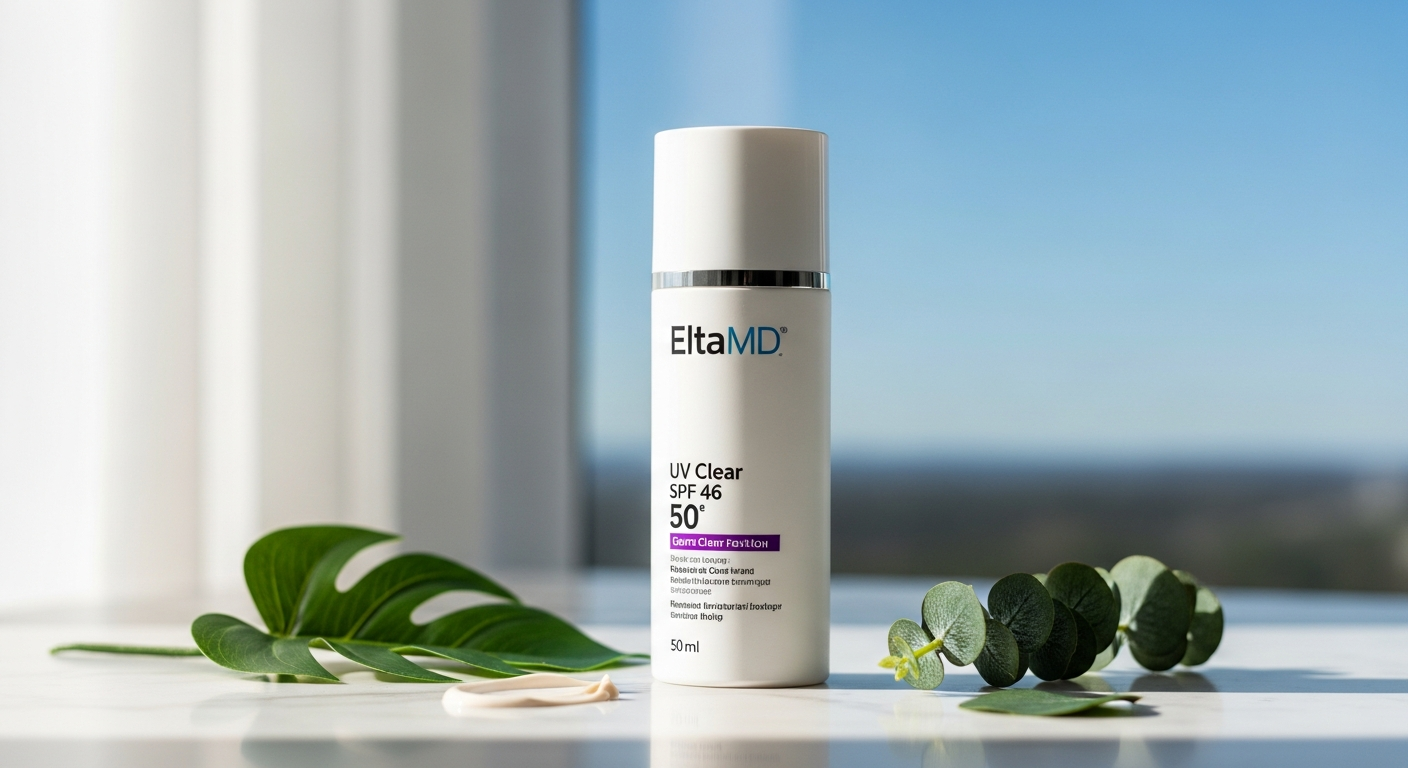
The Acne-Prone Sunscreen Paradox: Why EltaMD UV Clear SPF 46 Changes Everything
If you've ever stood in front of the mirror with acne-prone skin, you know the frustration intimately: dermatologists insist you wear sunscreen daily to prevent UV damage and darkening of acne scars, yet nearly every formula you try either triggers new breakouts or leaves your skin feeling slick and suffocated. This isn't paranoia—it's a real chemical and biological clash that millions face. The grease, the comedogenic ingredients, the occlusive feel of traditional sunscreens essentially work against everything you're doing to clear your skin.
EltaMD UV Clear SPF 46 entered the dermatological skincare space specifically to solve this paradox. Rather than being a generic sunscreen that happens to work for some acne-prone individuals, this formula was engineered with acne-fighting ingredients baked into its DNA. The 5% niacinamide reduces sebum and calms inflammation, the hyaluronic acid hydrates without heaviness, and the mineral-chemical hybrid approach provides robust broad-spectrum protection while maintaining a non-comedogenic status.
This guide examines whether EltaMD UV Clear SPF 46 truly delivers the goods for acne-prone skin. You'll understand the science behind its key ingredients, learn application techniques that prevent the pilling that frustrates some users, and determine whether the $35-$47 investment aligns with your skin goals and budget constraints.
Discover if EltaMD UV Clear SPF 46 is the game-changer your acne-prone skin needs.
Why Acne-Prone Skin Needs Sunscreen (Beyond the Basics)
The Post-Inflammatory Hyperpigmentation Problem
Anyone who's experienced acne knows that the blemish itself is often not the final insult. Once inflammation subsides and the pimple heals, what remains is sometimes darker than the original breakout: post-inflammatory hyperpigmentation (PIH). This darkening occurs because the skin increases melanin production in response to inflammation. UV exposure directly accelerates this process, making unprotected sun exposure essentially a guarantee that your acne scars will darken and persist longer.
Skipping sunscreen doesn't just fail to prevent this damage—it actively worsens it. A single day of unprotected sun exposure on healing acne can set back your skin's recovery timeline by weeks.
How UV Rays Extend the Appearance of Blemishes
The damage extends beyond aesthetics. UV rays penetrate deep into the dermis where acne inflammation has already compromised the skin's structure. This cumulative exposure can extend the visible lifespan of acne scars and marks by months or even years. Someone using acne treatments like retinoids or benzoyl peroxide is particularly vulnerable because these medications increase photosensitivity—meaning UV rays do even more damage to already-sensitized skin.
Bacterial Overgrowth and Heat-Triggered Breakouts
Heat and sweat create an ideal breeding ground for Cutibacterium acnes (formerly Propionibacterium acnes), the bacteria primarily responsible for acne formation. Without sunscreen protection, you're not just risking UV damage; you're risking increased bacterial proliferation during outdoor activities or hot weather. The skin barrier becomes compromised, oil production ramps up, and acne flares intensify.
Protecting Your Acne Treatment Investment
Most prescription acne medications—particularly retinoids and benzoyl peroxide—make skin significantly more photosensitive. Tretinoin, adapalene, and isotretinoin users are routinely advised by dermatologists that sun protection isn't optional; it's essential. Skipping sunscreen essentially undermines the entire treatment regimen and increases the risk of adverse reactions, increased irritation, and slower healing.
Cumulative Damage and Barrier Compromise
Acne-prone skin already operates with a compromised skin barrier. The chronic inflammation, frequent treatments, and sometimes overuse of drying products create a weakened defensive layer. Without UV protection, this barrier deteriorates further, leading to increased transepidermal water loss (TEWL), heightened sensitivity, and extended healing times for active breakouts.
Mineral vs. Chemical Filters: The Acne-Prone Distinction
Mineral sunscreens (zinc oxide and titanium dioxide) work through physical blocking—they sit on top of skin and reflect UV rays away. Chemical sunscreens (like octinoxate and oxybenzone) absorb UV radiation and convert it into heat. For acne-prone skin, mineral filters traditionally seemed superior because they're less likely to cause irritation. However, EltaMD's hybrid approach combines both, leveraging the strengths of each while minimizing traditional drawbacks.
The Niacinamide Advantage: How 5% Vitamin B3 Transforms Breakout-Prone Skin
Sebum Production and Pore Refinement
Niacinamide, also known as Vitamin B3, is one of the few skincare ingredients with clinical evidence specifically supporting its use in acne treatment. At the 5% concentration used in EltaMD UV Clear, niacinamide reduces sebaceous gland activity and sebum production. For acne-prone individuals, this means fewer clogged pores and reduced oiliness without the harsh drying effects of traditional acne medications.
Studies show that niacinamide can reduce sebum production by approximately 30% within four weeks of consistent use. This isn't dramatic enough to eliminate oil entirely (which would be unhealthy), but it's substantial enough to prevent the excessive sebum accumulation that feeds bacterial growth.
Anti-Inflammatory Action on Active Breakouts
Beyond sebum control, niacinamide possesses potent anti-inflammatory properties. Active acne lesions are inflamed, angry, and often painful. Niacinamide calms this inflammation by modulating the skin's inflammatory response without suppressing immune function entirely. Users frequently report visible redness reduction within days of consistent niacinamide application—not because the acne has healed, but because inflammation has subsided.
This simultaneous action on sebum production and inflammation is why dermatologists consider niacinamide a cornerstone acne-fighting ingredient. It addresses root causes rather than simply masking symptoms.
Skin Barrier Strengthening While Fighting Acne
Most acne treatments weaken the skin barrier. Benzoyl peroxide kills bacteria but strips natural oils. Salicylic acid exfoliates but can over-dry. Retinoids increase cell turnover but increase sensitivity. Niacinamide takes a different approach: it strengthens barrier function by promoting ceramide and lipid production while simultaneously fighting acne. This is critical for acne-prone individuals whose barriers are already compromised from chronic inflammation and frequent treatments.
Why 5% Is the Dermatologist-Approved Sweet Spot
Niacinamide concentration matters. Too little (under 2%), and you won't see meaningful anti-inflammatory effects. Too much (over 10%), and you risk irritation and diminishing returns. The 5% concentration in EltaMD UV Clear represents the scientifically validated optimal dose—high enough to deliver visible acne-fighting benefits, low enough to minimize irritation risk even on sensitive, inflamed skin.
Reduction of Post-Acne Redness and Discoloration
Post-inflammatory erythema (PIE)—the red or pink discoloration that lingers after acne heals—is largely driven by inflammation and vascular dilation. Niacinamide's anti-inflammatory action directly addresses this concern. Additionally, niacinamide influences melanin transfer, helping to normalize skin tone and reduce the appearance of post-inflammatory hyperpigmentation. Users applying niacinamide consistently report noticeable fading of red marks and evening of skin tone over 6-12 weeks.
Synergistic Action Within the Formula
EltaMD didn't just add niacinamide randomly. The formula's other ingredients—hyaluronic acid, lactic acid, and the non-comedogenic base—work synergistically with niacinamide. Hyaluronic acid maintains hydration while niacinamide reduces sebum. Lactic acid gently exfoliates while niacinamide calms inflammation. This orchestrated ingredient combination amplifies each component's effectiveness.
Clinical Evidence Supporting Niacinamide for Acne
Multiple peer-reviewed studies validate niacinamide's acne-fighting potential. A 2004 study published in Cutis found that 5% niacinamide was as effective as 1% clindamycin (a topical antibiotic) for reducing inflammatory acne lesions. More recent research continues to confirm these findings. This clinical backing is why dermatologists consistently recommend niacinamide-containing formulas for acne-prone skin.
Non-Comedogenic Formula: What It Means for Breakout Prevention
Defining Non-Comedogenic and Its Importance
A non-comedogenic formula is one that has been tested and proven not to clog pores or trigger comedones (blackheads and whiteheads). This designation isn't regulated by the FDA, which means manufacturers can claim it based on their own testing protocols. However, legitimate non-comedogenic claims are backed by rabbit ear assays or other standardized testing methods where the product is applied to especially sensitive skin to detect pore-clogging potential.
For acne-prone individuals, non-comedogenic status isn't just a marketing advantage—it's essential. A single pore-clogging ingredient can trigger weeks of breakouts, undoing progress from acne treatment medications.
Ingredients EltaMD Strategically Excluded
EltaMD formulated UV Clear by identifying notorious pore-clogging culprits and deliberately excluding them. Common comedogenic ingredients in traditional sunscreens include silicones (like dimethicone), certain waxes, heavy oils (coconut, mineral oil in high concentrations), and occlusive film-formers. You won't find these in EltaMD UV Clear. Instead, the formula uses a carefully selected base of lighter emollients and a mineral-chemical hybrid system that provides UV protection without the pore-clogging baggage.
Oil-Free Base and Bacterial Proliferation Prevention
The explicitly oil-free formulation serves two purposes: it prevents the sebum-like occlusion that feeds bacterial growth, and it maintains a lightweight feel that won't trigger the "greasy skin" sensation that often leads acne-prone individuals to skip sunscreen application. The absence of added oils creates an inhospitable environment for Cutibacterium acnes while allowing the skin's natural sebum to regulate normally.
Transparent Zinc Oxide's Breakout-Prevention Role
Zinc oxide is a mineral UV filter that has been used in skincare for decades with a strong safety profile. What makes EltaMD's version special is that it uses transparent zinc oxide—a micronized form that doesn't leave the heavy white cast associated with traditional zinc oxide sunscreens. But beyond cosmetic elegance, zinc oxide itself has mild antimicrobial properties. It doesn't aggressively kill bacteria like benzoyl peroxide, but it creates an unfavorable environment for bacterial overgrowth without stripping the skin barrier.
Why Octinoxate Was Selected Over Alternatives
EltaMD includes octinoxate (7.5%) as the chemical UV filter component. Octinoxate absorbs UVB radiation and is considered one of the more stable chemical filters. The choice reflects a balance: octinoxate is less likely to cause irritation than some alternatives (like avobenzone, which can degrade and cause photosensitivity), yet it provides complementary UV protection to zinc oxide. Some consumers prefer purely mineral sunscreens, which is worth considering if you're octinoxate-sensitive. However, for most acne-prone individuals, octinoxate's stability and efficacy make it an appropriate choice.
Testing Protocols and Certification Validation
EltaMD UV Clear has been dermatologist-tested and is approved by the Skin Cancer Foundation, which requires rigorous testing of sun protection claims. This third-party validation matters because it means the non-comedogenic claims have undergone scrutiny beyond the manufacturer's internal testing. The product's popularity among dermatologists also provides real-world validation—these physicians wouldn't recommend it to acne-prone patients if it regularly triggered breakouts.
Real User Experiences: Breakout Prevention vs. Triggering
Across dermatological forums, Reddit's skincare communities, and retailer reviews, the overwhelming consensus is that EltaMD UV Clear does not trigger breakouts in acne-prone individuals. Yes, some users report pilling or initial adjustment reactions, but actual breakout triggering is remarkably rare. This real-world evidence aligns with the product's formulation and testing data—a non-comedogenic formula genuinely lives up to its designation.
Get your EltaMD UV Clear SPF 46 and experience breakout-free sun protection.
Texture, Application, and the Pilling Problem
Lightweight Texture and Makeup Compatibility
EltaMD UV Clear's most immediately noticeable characteristic is its texture. It applies as a lightweight lotion that feels almost like a thin gel primer rather than a traditional thick sunscreen. This texture absorbs quickly and doesn't create the occlusive, heavy layer that many acne-prone individuals experience with conventional sunscreens. The product sets within minutes, creating a matte or slightly dewy finish depending on your skin type.
For makeup wearers, this lightweight texture is transformative. It layers seamlessly under foundation, BB creams, and powders without creating a slippery base or causing products to slide throughout the day. Most acne-prone individuals report that this sunscreen is one of the few they'll actually wear consistently because it doesn't interfere with their makeup routine.
Preventing Pilling: Application Technique Matters
Pilling—the formation of small balls or flakes of product that roll across the skin when you apply additional products—is perhaps the most common complaint users report with EltaMD UV Clear. However, pilling is almost always an application technique issue rather than a formula problem. The key is application method: use a small amount (about a pea-sized quantity for the face), and blend thoroughly in upward motions until the product disappears completely into the skin.
The critical step most users miss is waiting time. After applying EltaMD UV Clear, wait 2-3 minutes before applying other products. This allows the formula to set fully. If you apply moisturizer or other actives immediately, the layers haven't bonded to your skin yet, and the sunscreen will ball up. This simple timing adjustment eliminates pilling in the vast majority of cases.
Layering With Acne Treatments: Strategic Sequencing
Acne-prone individuals typically use multiple treatments: benzoyl peroxide, salicylic acid, retinoids, azelaic acid, etc. The order matters significantly. The general rule is to apply treatments from thinnest to thickest consistency. A typical morning routine might be: cleanser → benzoyl peroxide (wait to dry) → niacinamide serum (wait 1-2 minutes) → lightweight moisturizer (wait 2 minutes) → EltaMD UV Clear (wait 2-3 minutes) → makeup.
The waiting periods prevent pilling and allow each product to be absorbed and set before the next layer. This might seem tedious, but it's necessary for both efficacy and texture. Rushing the process invites pilling and compromises the sunscreen's protective ability.
Pilling: Product Incompatibility vs. Application Error
True product incompatibility pilling is rare with EltaMD UV Clear, but it can occur if you've layered silicone-heavy products (like silicone primers) underneath. In this case, the silicone base and the water-based EltaMD formula don't mix well, and pilling results from genuine chemical incompatibility rather than user error. If you're using silicone products, ensure they're fully set and optionally use a hydrating spray between layers to create a bridge that prevents pilling.
Absorption Time and Makeup Application Timeline
EltaMD UV Clear sets relatively quickly—usually within 2-3 minutes of application. This quick absorption makes it ideal for people on tight morning schedules. After the sunscreen has set, makeup application can proceed immediately without concern for smudging or displacement. The quick-setting nature contributes to its popularity despite the occasional pilling if application protocols aren't followed.
Application to Inflamed or Congested Areas
Applying sunscreen to active acne or severely congested areas can be uncomfortable. EltaMD's lightweight, gentle formula minimizes irritation during application. Rather than rubbing over active lesions (which can increase inflammation and trauma), gently pat the product around and over congested areas using fingertip pressure. The goal is coverage without friction. For especially tender areas, consider using a clean beauty sponge for absolutely gentle application.
Compatibility With Popular Acne Treatment Regimens
EltaMD UV Clear has proven compatible with virtually every major acne treatment approach: benzoyl peroxide (morning and night formulations), salicylic acid, glycolic acid, retinoids (tretinoin, adapalene, retinol), azelaic acid, sulfur products, and even prescription medications like isotretinoin. This compatibility makes it an ideal SPF choice for individuals in active acne treatment. The niacinamide content even complements many treatments by providing anti-inflammatory support.
Untinted vs. Tinted: Which Version Works Better for Acne-Prone Skin
White Cast Concerns Across Different Skin Tones
One of the most debated aspects of mineral sunscreens is white cast—the chalky, visible residue left on skin after application. This occurs because mineral UV filters (zinc oxide) are opaque white particles. To create a less visible formula, manufacturers either micronize the zinc oxide to smaller particle sizes or add tinting agents to match various skin tones. The untinted EltaMD UV Clear uses transparent zinc oxide, which minimizes white cast more effectively than traditional zinc oxide sunscreens.
For lighter skin tones, the untinted version typically shows minimal to no white cast. For medium skin tones, white cast is usually barely noticeable. For very dark skin tones, some users report a slight visible residue, though it's significantly less pronounced than traditional mineral sunscreens. This variance is why the tinted option exists.
Tinted Formula Coverage and Foundation Replacement
The tinted version of EltaMD UV Clear provides light to medium coverage that can theoretically serve as a foundation replacement for some individuals. However, it's more accurate to describe it as a tinted sunscreen rather than a full-coverage foundation. The tint is subtle—designed to even out skin tone and minimize white cast rather than provide full-coverage correction.
For acne-prone individuals with significant post-acne marks or active breakouts, the tinted formula provides enough coverage to tone down redness and hyperpigmentation without feeling heavy. Some users find they can skip foundation entirely on lighter breakout days when using the tinted version, while others layer it under their usual foundation for enhanced undertone correction.
Tint Interaction With Active Breakouts and Hyperpigmentation
A subtle advantage of the tinted formula for acne-prone skin is how it interacts with active lesions and marks. The tint slightly masks the appearance of red and purple breakouts without feeling like heavy makeup, allowing acne-prone individuals to feel more confident while still receiving sun protection. Additionally, the slight coverage helps balance the appearance of hyperpigmentation, making post-acne marks less visually prominent throughout healing.
Ingredient Differences Between Untinted and Tinted Versions
The formulations are essentially identical except for the addition of iron oxides (the tinting agents) in the tinted version. Iron oxides are safe, non-comedogenic pigments commonly used in mineral makeup. The core active ingredients—zinc oxide, octinoxate, niacinamide, hyaluronic acid, and lactic acid—remain unchanged. This means efficacy is identical between versions; the choice is purely about preference regarding white cast visibility and desired coverage level.
User Feedback From Scarring and Hyperpigmentation Perspectives
Users managing post-acne scars and hyperpigmentation report strong preference for the tinted version, primarily because the slight coverage reduces the psychological impact of visible marks while they're healing. However, some dermatologists suggest that the untinted version is better for active acne phases because it's less likely to feel heavy or contribute to congestion during treatment. The ideal approach might be untinted during active breakouts, then switching to tinted during the healing and scar-reduction phases.
Dermatological Recommendations for Different Acne Phases
Dermatologists typically recommend the untinted version for individuals with active, inflamed acne because it's the most minimalist formula—no unnecessary tinting agents, just the essential UV-protective and acne-fighting components. For individuals in the post-acne healing phase dealing primarily with marks and hyperpigmentation, the tinted version is often recommended because the additional coverage provides psychological benefit without compromising skin health.
Cost Comparison and Value Proposition
Both versions are typically priced identically at $35-$47 for a 1.7 oz bottle. The choice between them doesn't involve budget trade-offs; it's purely a preference decision. Some individuals purchase both—untinted for active acne phases and tinted for maintenance once breakouts are controlled. This flexibility in product selection is part of what makes EltaMD such a versatile choice.
Hydration Without Heaviness: Hyaluronic Acid and Lactic Acid Benefits
Hyaluronic Acid for Pore-Safe Hydration
Acne-prone skin presents a hydration paradox: it desperately needs moisture (because dry, irritated skin is more prone to breakouts), yet traditional heavy moisturizers clog pores and feed acne bacteria. Hyaluronic acid solves this problem beautifully. This humectant molecule can hold up to 1000 times its weight in water, drawing moisture from the environment and deeper skin layers into the epidermis.
Unlike occlusive moisturizers that create a barrier, hyaluronic acid hydrates through humectant action—it doesn't coat the skin. This means acne-prone individuals get genuine hydration without the pore-clogging effects of thick creams or oils.
Molecular Weight and Penetration Depth
Hyaluronic acid comes in various molecular weights, each with different penetration depths. Lower molecular weight versions penetrate deeply and provide internal hydration. Higher molecular weight versions sit on the surface and provide a hydrating layer. EltaMD UV Clear likely uses a combination of molecular weights to provide both surface hydration (for immediate comfort) and deeper moisture delivery (for barrier support). This dual-action approach is more sophisticated than single-weight hyaluronic acid formulations.
Lactic Acid's Gentle Exfoliation and Brightening Effect
Beyond sun protection and acne prevention, EltaMD UV Clear includes lactic acid—a gentle alpha-hydroxy acid (AHA) that exfoliates dead skin cells and promotes cell turnover. For acne-prone skin, gentle exfoliation helps prevent pore clogging while improving cell turnover, which is already disrupted in acne. Additionally, lactic acid increases cell turnover in the stratum corneum (the outermost skin layer), which gradually reduces the appearance of post-acne marks and hyperpigmentation.
The concentration of lactic acid in sunscreen is typically much lower than in dedicated exfoliating products, so it provides gentle, cumulative benefits rather than aggressive exfoliation. For acne-prone skin that's already sensitized by treatments, this gentle approach is ideal.
Hydration's Critical Role During Acne Treatment
Prescription acne medications—particularly retinoids and benzoyl peroxide—significantly increase skin dryness and irritation. Paradoxically, dry skin becomes more inflamed, more prone to barrier dysfunction, and ironically, more likely to overproduce sebum in response to dehydration stress. Maintaining hydration with products like EltaMD UV Clear (which provides hydration through hyaluronic acid while treating acne through niacinamide) is essential for tolerating aggressive acne treatments and achieving faster healing.
Balancing Moisture Retention With Oil Control
The ingredient combination in EltaMD UV Clear represents careful balance. Hyaluronic acid provides hydration; niacinamide controls sebum. Lactic acid exfoliates without disrupting the barrier. The non-comedogenic base ensures the formula doesn't add to sebum burden. This orchestration allows acne-prone skin to remain adequately hydrated and comfortable without becoming oilier or more congested—a balance that's notoriously difficult to achieve.
Supporting the Skin Barrier During Active Acne Treatment
A compromised skin barrier is both a cause and consequence of acne. Inflammation disrupts the barrier, which increases TEWL and irritation. Acne treatments further compromise the barrier. Hyaluronic acid in EltaMD UV Clear supports barrier recovery by ensuring adequate hydration. Combined with niacinamide's barrier-strengthening effects, the formula actively works to restore barrier function while treating acne—a rare dual-action benefit.
Cumulative Brightening Effect of Lactic Acid Over Time
The brightening effects of lactic acid are subtle but cumulative. Consistent application over 4-8 weeks gradually increases cell turnover, which reduces the visibility of post-inflammatory hyperpigmentation and post-inflammatory erythema. Users notice that even stubborn red marks fade more visibly when using EltaMD UV Clear daily compared to sunscreens without exfoliating ingredients. This cumulative benefit extends the product's value beyond sun protection into active scar and mark management.
Skin Cancer Foundation Approval: What It Means for Sun Protection
Rigorous Testing Standards for Certification
The Skin Cancer Foundation's approval isn't a simple endorsement—it requires manufacturers to submit detailed testing data proving SPF claims and broad-spectrum protection. Testing follows FDA protocols involving human subjects, specific application methods, and standardized measurement procedures. Products must demonstrate consistent sun protection across multiple test runs before certification is granted. This means EltaMD UV Clear's SPF 46 claim has been independently verified through rigorous methodology, not just manufacturer testing.
SPF 46 vs. SPF 50+: Meaningful Differences for Daily Wear?
SPF stands for Sun Protection Factor and indicates the multiplier of time you can spend in the sun before burning. SPF 46 theoretically allows you to stay in the sun 46 times longer than unprotected skin before burning. SPF 50+ is only marginally better—it blocks approximately 98% of UVB rays versus 97.4% for SPF 46. The real-world difference is minimal, especially when reapplication is factored in.
For daily indoor/outdoor wear with regular reapplication, SPF 46 provides ample protection. The difference between SPF 46 and 50+ becomes meaningful primarily for all-day outdoor activities without reapplication. For acne-prone individuals managing daily sun exposure during acne treatment, SPF 46 is sufficient and appropriate.
Broad-Spectrum Protection Explained
Broad-spectrum protection means the sunscreen protects against both UVA and UVB radiation. UVB rays primarily cause sunburn and contribute to skin cancer risk. UVA rays penetrate deeper, causing aging and contributing to melanoma risk. Neither should be ignored. EltaMD UV Clear provides broad-spectrum protection through its combination of zinc oxide (which blocks both UVA and UVB) and octinoxate (which primarily absorbs UVB but provides some UVA protection). Together, they create comprehensive broad-spectrum coverage.
The Zinc Oxide and Octinoxate Combination Effectiveness
This hybrid approach—combining mineral and chemical filters—leverages each component's strengths. Zinc oxide provides excellent, stable UVA and UVB protection with a strong safety profile. Octinoxate adds additional UVB absorption and improves the formula's texture and feel. The combination provides superior sun protection compared to either ingredient alone, and this synergistic approach is why dermatologists favor hybrid sunscreens for sensitive and compromised skin types.
Impact of Certification on Credibility
Third-party certification from the Skin Cancer Foundation significantly impacts credibility. It signals that sun protection claims have been independently verified and meet rigorous standards. For acne-prone individuals considering a higher-priced sunscreen, Skin Cancer Foundation approval provides assurance that they're investing in a genuinely effective UV protective product, not just a premium-priced cosmetic.
Reapplication Recommendations for Acne-Prone Outdoor Activity
The FDA and Skin Cancer Foundation recommend reapplication every two hours during outdoor sun exposure, or immediately after swimming or heavy sweating. For acne-prone individuals, this presents a challenge: frequent reapplication with powder sunscreens can disrupt makeup and trigger breakouts through friction and pore occlusion. EltaMD UV Clear's lightweight formula makes reapplication more feasible—it can be applied over makeup without creating visible residue, and the non-comedogenic base means frequent reapplication doesn't significantly increase breakout risk.
Water Resistance and Sweat Resistance for Active Individuals
EltaMD UV Clear provides water resistance, though specific duration claims vary by source. For individuals engaging in outdoor activities that involve sweating (common in active individuals with breakout-prone skin), water and sweat resistance is important. However, extended water resistance doesn't eliminate the need for reapplication if you're swimming or engaging in extended high-sweat activities. The practical approach is to reapply after swimming or after about 80-120 minutes of sweating, depending on activity intensity.
Price Point Analysis: Is $35-$47 Worth It for Acne-Prone Skin?
Cost-Per-Use Calculation Over Bottle Lifespan
A 1.7 oz (48g) bottle of EltaMD UV Clear, used at the recommended application amount (approximately 1/4 teaspoon for the full face), typically lasts 2-3 months with daily facial application. At the midpoint ($41), this breaks down to approximately $0.45-$0.68 per day, or $13-$20 per month. Compared to many dermatologist-recommended acne treatments or professional treatments, this is actually moderate pricing for a specialized formula.
For reference, a tube of prescription tretinoin often costs $40-$100 per month with insurance, and untreated acne often costs significantly more in terms of dermatology visits and potential scar treatments. Viewed through this lens, EltaMD UV Clear's price is reasonable for a daily-use product with multiple skin benefits.
Comparison With Other Dermatologist-Recommended Acne-Safe Sunscreens
Other dermatologist-recommended sunscreens for acne-prone skin include La Roche-Posay Anthelios SPF 60 (approximately $30-$38 for 1.7 oz), CeraVe Face Lotion SPF 50 (approximately $12-$18 for 2 oz), and Vanicream SPF 30 (approximately $10-$15 for 3 oz). EltaMD UV Clear sits at the higher end of this spectrum, justified by its niacinamide content, lactic acid inclusion, and Skin Cancer Foundation certification. The premium is partially for the additional active ingredients beyond basic sun protection.
The Hidden Costs of Untreated or Poorly Managed Acne
Acne that progresses due to inadequate sun protection and resulting hyperpigmentation often requires professional treatment—laser therapy, microdermabrasion, or chemical peels—costing $200-$2,000+ per treatment. A single professional scar treatment session often costs more than an entire year's supply of EltaMD UV Clear. When viewed as preventative investment, the product's price becomes remarkably economical. Preventing the need for scar treatment saves far more than the product's cost.
Value Proposition: Sun Protection Plus Acne Treatment in One
Unlike generic sunscreens that provide only UV protection, EltaMD UV Clear simultaneously provides sun protection, niacinamide-based anti-inflammatory action, gentle exfoliation (lactic acid), and hydration (hyaluronic acid). This multi-benefit approach justifies premium pricing compared to basic sunscreens. You're essentially getting sun protection plus supportive acne care in one product, reducing the need for additional specialized formulations.
Finding the Best Prices and Promotional Opportunities
EltaMD UV Clear is widely available through DermAvenue, Amazon, Ulta, Sephora, and dermatology offices. Prices fluctuate based on retailer and promotional periods. Amazon occasionally offers it at the lower end of the range ($33-$35), while dermatology offices sometimes charge full retail ($47+). Subscribing to price tracking alerts or purchasing during Ulta/Sephora sales events can yield 15-20% savings. Some dermatologists also offer professional pricing if purchased directly from their offices.
Bulk Purchasing Considerations
EltaMD UV Clear has a decent shelf life of 3 years unopened. Bulk purchasing during sales (purchasing 2-3 bottles at discounted prices) can reduce average cost-per-unit. However, the product does degrade once opened (exposure to air oxidizes some ingredients), so bulk purchasing makes sense only if you'll use the product consistently. For someone committed to daily use, purchasing during sales is a smart financial strategy.
Long-Term Skin Health Investment vs. Short-Term Budget Constraints
The core financial question is whether preventing acne progression and scar formation is worth $0.50-$0.70 per day. For anyone taking prescription acne medications, investing in proper sun protection is not optional—it's essential for treatment success and long-term skin health. For anyone concerned about post-acne hyperpigmentation, the preventative investment in a specialized sunscreen is remarkably cost-effective compared to professional scar treatments. The product represents reasonable value for its intended purpose.
Who Should (and Shouldn't) Use EltaMD UV Clear SPF 46
Ideal Candidates: Acne-Prone, Sensitive, and Rosacea-Prone Skin
EltaMD UV Clear's formulation is specifically optimized for acne-prone skin, but its benefits extend to closely related conditions. Sensitive skin types benefit from the non-comedogenic base, hyaluronic acid hydration, and niacinamide's barrier-strengthening effects. Rosacea-prone skin benefits tremendously from niacinamide's anti-inflammatory action and the gentle, non-irritating mineral-based sun protection. Individuals with combination skin—oily and acne-
Leave a Reply