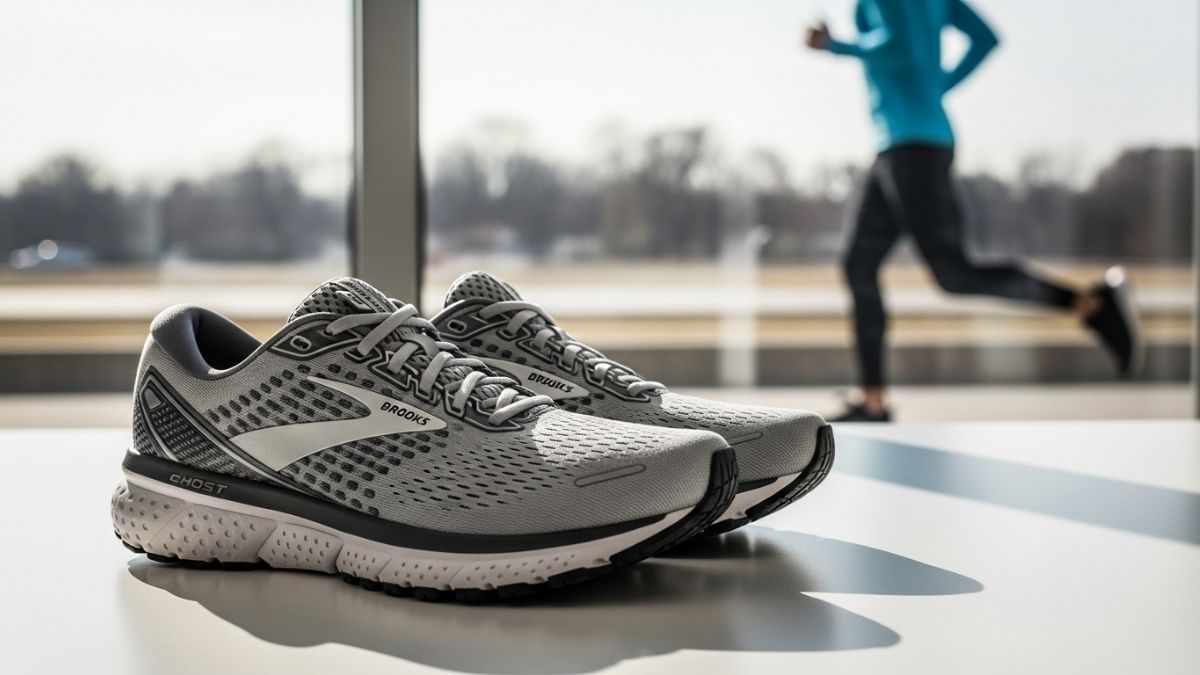
Over 70% of new runners quit within the first year, often due to discomfort and injury caused by wrong shoe choices. This statistic underscores why selecting the right running shoe matters far more than most people realize. The Brooks Ghost 18 isn’t flashy or trendy, but it offers something far more valuable: a proven track record of delivering comfort, stability, and performance mile after mile.
Since its introduction, the Ghost 18 has become a fixture in the running community, not through marketing hype but through consistent, reliable performance. Runners of all abilities—from those lacing up for the first time to seasoned marathoners—have come to depend on this shoe for everyday training, long runs, and everything in between.
Discover the Brooks Ghost 18 and experience why runners trust this shoe for everyday training.
The heart of the Ghost 18’s appeal lies in its nitrogen-infused DNA LOFT v3 cushioning. This midsole technology strikes a precise balance between impact absorption and ground feel—two qualities that often work against each other. The nitrogen-infused formula creates tiny air pockets throughout the midsole, delivering a soft landing without the excessive mushiness that can make a shoe feel unstable or disconnected from the road.
Runners who prefer a plush, enveloping sensation might initially find the Ghost 18’s cushioning a touch firmer than expected. However, this firmness is intentional. It provides enough compliance to absorb impact during long runs while maintaining responsiveness when you need to pick up the pace. The 36mm heel and 26mm forefoot stack heights create a traditional 10mm drop that complements the cushioning profile, allowing your foot to transition smoothly through each stride without feeling bogged down.
The real-world performance of this cushioning shines across varied terrain and conditions. On asphalt, concrete, and light trail surfaces, the DNA LOFT v3 responds consistently, whether running easy recovery miles or pushing through tempo work. The midsole doesn’t degrade noticeably after hundreds of miles, maintaining its supportive character throughout the shoe’s lifespan.
Balance Between Impact Absorption and Ground Feel
What separates the Ghost 18 from purely cushioned trainers is its ability to deliver protection without sacrificing connection to the ground. Runners benefit from adequate shock absorption during daily runs and long distances while retaining enough responsiveness for faster-paced sessions. This balance appeals equally to beginners seeking a forgiving platform and experienced runners who’ve grown weary of shoes that feel either too soft or too responsive.
Ideal Use Cases: Daily Runs, Long Distances, Recovery Sessions
The Ghost 18 excels across a spectrum of running scenarios. For easy daily runs, it provides steady, reliable support mile after mile. During long-distance training and marathons, the cushioning holds up remarkably well, protecting your joints and muscles during extended efforts. Recovery runs benefit from the shoe’s forgiving nature, allowing your body to recuperate while still enjoying comfortable footwear. Even moderate-intensity work finds a home in the Ghost 18, though dedicated speedwork athletes may prefer lighter, more specialized options.
Upper Design and Fit: Breathability Meets Security
The upper construction represents one of the Ghost 18’s most significant upgrades in recent iterations. The two-color engineered air mesh material dramatically improves ventilation compared to previous versions, keeping feet cooler and drier during warm-weather runs. This mesh design doesn’t sacrifice durability; the engineered pattern provides targeted reinforcement where needed while maintaining breathability throughout.
Redesigned Flat-Knit Tongue and Ortholite X-60 Sockliner
Brooks redesigned the flat-knit tongue to eliminate pressure points and reduce the sensation of tightness across the midfoot. Unlike traditional padded tongues that can compress and create irritation, the flat-knit design distributes pressure evenly and maintains consistent comfort from the first mile to the last. Some runners notice slight curling at the tongue edges after extended use, but this cosmetic change rarely affects actual comfort once the shoe is on the foot.
Beneath the tongue sits the Ortholite X-60 sockliner, which contributes significantly to the overall feel and comfort. This material provides a soft step-in sensation and enhances the smooth ride, making the Ghost 18 feel premium and well-finished from the moment you put it on.
Prevention of Rubbing, Chafing, and Blister Formation
The combination of breathable mesh and secure flat-knit construction prevents most runners from experiencing rubbing or chafing during extended runs. The upper accommodates a variety of foot shapes without creating pressure points, and the engineered design allows foot swelling during long efforts without restricting circulation. These features make the Ghost 18 particularly reliable for runners managing minor discomfort or those recovering from previous shoe-related injuries.
The upper performs exceptionally well in hot and humid conditions, a critical consideration for runners in warm climates. The ventilation provided by the air mesh means feet remain relatively cool even during intense efforts or extended runs.
Traction and Durability: The RoadTack Rubber Outsole
The RoadTack rubber outsole represents Brooks’ commitment to delivering a shoe that works across various road conditions without requiring compromise. The full-coverage rubber design extends from heel to forefoot, ensuring reliable grip whether you’re navigating wet pavement, loose gravel, or standard asphalt. The tread pattern balances efficiency on smooth surfaces with sufficient texture for traction on wet or uneven terrain.
Grip Performance and Longevity Expectations
Durability testing of the Ghost 18 reveals impressive longevity expectations. Most runners report visible wear becoming noticeable between 400 and 500 miles, with the shoe remaining usable well beyond that point. The RoadTack rubber resists the premature breakdown common in lighter-weight shoes, making the Ghost 18 a genuinely durable investment.
Explore the durable construction and proven longevity of the Brooks Ghost 18 today.
Reflective Heel Elements and Cost-Per-Wear Analysis
Reflective elements on the heel enhance visibility during early morning or evening runs, a practical safety feature that costs little to include but matters significantly for runners managing dark-hour training sessions. When calculated across expected mileage, the cost-per-wear of the Ghost 18 compares favorably to cheaper alternatives that require more frequent replacement, offering genuine long-term value.
Weight and Responsiveness: Finding the Sweet Spot
At 10.2 oz for men’s and 9.2 oz for women’s sizes, the Ghost 18 occupies the moderate range of the neutral trainer spectrum. This weight carries practical implications for daily comfort and performance across different running intensities.
Impact on Speed, Efficiency, and Daily Comfort
The shoe’s weight doesn’t feel cumbersome during easy runs, but dedicated speedwork athletes accustomed to shoes weighing under 8 oz may notice the difference during tempo efforts or shorter interval sessions. For the vast majority of runners focusing on consistent daily training rather than competitive racing, this weight proves inconsequential to performance outcomes.
Responsiveness during tempo runs and easy pace remains consistent, with the DNA LOFT v3 providing sufficient energy return to feel engaged without feeling sluggish. During push efforts, the shoe responds predictably without feeling either overly firm or excessively soft.
Comparative Weight Analysis
Relative to competitors in the neutral trainer category, the Ghost 18 sits slightly heavier than some specialized lightweight options but markedly lighter than maximum-cushion daily trainers. This positioning reflects Brooks’ design philosophy: prioritizing comfort, durability, and versatility over chasing the lightest possible weight.
The 10mm Drop Question: Traditional Offset Explained
The 10mm heel-to-toe drop represents a traditional offset that suits the vast majority of runners but won’t align with everyone’s preferences. This measurement describes the difference in stack height between the heel and forefoot, influencing how your foot contacts the ground and how forces propagate through your body.
Suitability for Different Running Styles and Transition Considerations
Runners accustomed to 10mm-drop shoes typically experience no adjustment period when moving to the Ghost 18. However, those transitioning from lower-drop models (6mm or less) should expect an adaptation period as your biomechanics adjust to the increased heel height. The 10mm offset supports a slightly longer stride and emphasizes heel striking, which works well for many runners but may feel awkward for those trained on minimal-drop shoes.
The drop affects cadence, stride length, and injury prevention differently depending on individual running mechanics. Runners with a history of plantar fasciitis or calf tightness often benefit from the additional heel cushioning the 10mm drop provides. Conversely, those who’ve successfully adapted to minimal-drop shoes might feel the Ghost 18’s offset pulling them toward a biomechanically less efficient position.
Compatibility exists across the spectrum from recreational joggers to serious runners, with the key factor being whether the 10mm drop aligns with your current shoe collection and injury history rather than representing an absolute advantage or disadvantage.
Versatility Across Running Scenarios
The Ghost 18’s designation as a “daily trainer” understates its adaptability across different running contexts. Performance on easy, everyday runs represents the shoe’s baseline strength—it delivers steady, comfortable support regardless of pace or distance. During long-distance marathons and half-marathons, the consistent cushioning and supportive upper provide reliable performance through the final miles.
Recovery runs specifically benefit from the Ghost 18’s forgiving midsole, allowing your body to recuperate while enjoying comfortable footwear that won’t aggravate fatigued muscles or joints. The shoe handles tempo work and moderate-intensity training adequately, though dedicated speedwork athletes often prefer lighter alternatives. Many runners also use the Ghost 18 as a transition shoe for cross-training activities, appreciating the stability and cushioning during non-running workouts.
Suitability extends to casual walkers and recreational joggers seeking a reliable, comfortable shoe for regular activity. This broad appeal explains why the Ghost 18 consistently ranks among the best-selling running shoes globally—it genuinely works for almost everyone.
Who Should Buy the Brooks Ghost 18
Beginner runners seeking a forgiving, stable platform find an ideal match in the Ghost 18. The shoe forgives biomechanical inefficiencies while providing enough feedback to help develop proper running mechanics. Experienced runners needing a reliable workhorse appreciate the shoe’s consistent performance across training cycles, and those recovering from injuries or managing minor discomfort benefit from the balanced cushioning and supportive upper.
Runners prioritizing comfort and consistency over cutting-edge technology discover that the Ghost 18 delivers these qualities without compromise. Athletes training for marathons and half-marathons gain confidence from a shoe that holds up across months of heavy mileage, and runners in climates requiring breathable, durable footwear find the Ghost 18’s engineered mesh and RoadTack outsole particularly valuable.
Anyone seeking a shoe that won’t let them down during critical training phases or race day preparation should seriously consider this option. The Ghost 18 rewards loyalty through dependable performance rather than flashy features.
Where the Ghost 18 Falls Short
Honesty requires acknowledging that the Ghost 18 doesn’t serve every runner perfectly. Those craving extremely plush, enveloping cushioning might find the DNA LOFT v3 too firm for their preferences. Weight considerations become relevant for competitive speed-focused athletes targeting personal records in shorter distances, where every ounce matters.
The 10mm drop represents a potential mismatch for runners committed to minimal-drop philosophies or those recovering from injuries best addressed through lower-offset shoes. The tongue edge curling with extended use, while typically cosmetic, bothers some runners concerned with perfect condition. Limited specialized features mean the Ghost 18 doesn’t excel in specific scenarios like trail running or track training.
The $150 price point sits above budget-friendly alternatives, and aesthetic preferences may steer some runners toward bolder designs or different colorways than currently available.
Pricing and Value Proposition
The $150 US pricing reflects fair value when calculated across expected shoe lifespan. Breaking down the cost-per-mile over anticipated durability reveals favorable economics compared to both premium alternatives and cheaper shoes requiring more frequent replacement. European retail equivalents typically hover around €150, maintaining pricing consistency across markets.
Seasonal sales and discount opportunities occasionally reduce the effective cost, making timing the purchase strategically advantageous. The Ghost 18 maintains reasonable resale value due to its popularity, and the durability ROI strengthens the investment case for runners planning extended use.
The Verdict: Why Runners Keep Coming Back
The Brooks Ghost 18 doesn’t chase trends or promise revolutionary technology. Instead, it delivers exactly what runners actually need: a shoe that feels great from mile one to mile 500. The DNA LOFT v3 cushioning strikes the perfect balance between protection and responsiveness, the breathable upper keeps your feet comfortable in any season, and the RoadTack outsole grips reliably. While slightly heavier than some competitors and featuring a 10mm drop that won’t suit everyone, these minor compromises are the price of versatility.
The Ghost 18’s enduring popularity stems from consistent, high-level performance that doesn’t rely on hype but rather on the shoe simply working as promised. Whether running easy recovery miles, pushing through tempo work, or logging long weekend efforts, the Ghost 18 responds reliably. Its reputation as a “gold standard” daily trainer reflects authentic user experience across millions of miles rather than marketing claims.
If you’re searching for a daily trainer that won’t let you down, adapts to your training needs, and delivers genuine comfort without breaking the bank, the Ghost 18 deserves a spot on your shortlist.
Leave a Reply