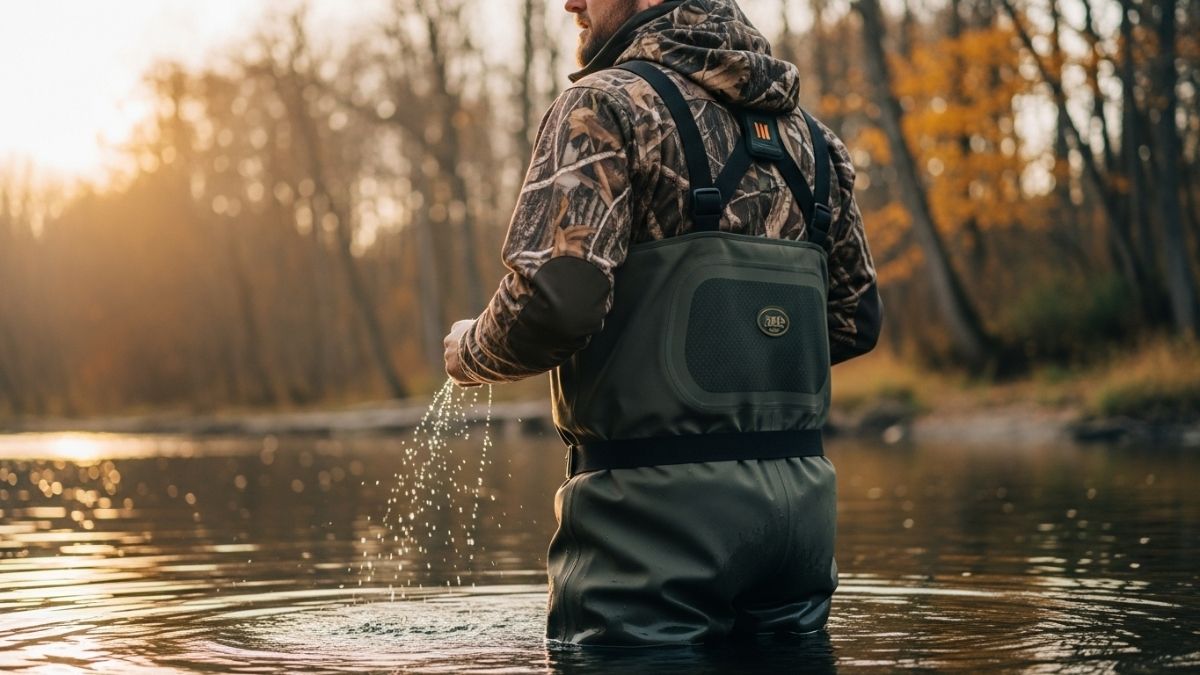
When you’re standing waist-deep in frigid water before dawn, the last thing you want is numb feet or water seeping into your boots. Yet countless hunters and anglers resign themselves to exactly that misery, convinced that staying warm and dry requires dropping $300 or more on premium waders. The truth is far different—and far more affordable than you’d expect.
Professional-grade hunting waders with military-spec insulation exist at price points lower than a decent pair of winter boots. Tidewe has shattered the myth that performance demands premium pricing, delivering waders that combine neoprene durability, Thinsulate insulation ranging from 600g to 1600g, and thoughtful features like waterproof phone pockets and fleece-lined hand warmers. These waders work for weekend warriors and seasoned professionals alike, offering genuine value across every category.
Discover what sets Tidewe Insulated Waterproof Hunting Waders apart from the competition today.
Understanding Neoprene Construction and Durability Standards
Neoprene Thickness and Flexibility Trade-Offs
Neoprene thickness directly impacts both insulation and movement. Tidewe offers waders in 3.5mm and 5mm neoprene constructions, each serving different purposes. The 3.5mm version provides adequate insulation while preserving flexibility for anglers who prioritize mobility during casting or wade fishing. The thicker 5mm neoprene delivers superior insulation and puncture resistance, though at a slight cost to range of motion. Neither thickness feels restrictive during real-world use—the trade-off is subtle enough that most users won’t notice the difference once they’re in the water.
Double-Stitched Seams and Leak Prevention
Water finds every weak point in waders. Double-stitched seams on Tidewe models represent a deliberate commitment to preventing leaks during extended immersion. This construction technique seals stress points where the neoprene body meets boots, around the chest pockets, and along shoulder seams. Double stitching costs manufacturers more time and materials, but it directly translates to longer wader life and fewer mid-hunt surprises.
Neoprene’s Insulation Properties
Neoprene insulates through cellular structure—thousands of tiny air pockets trapped within the material itself. Unlike synthetic alternatives, neoprene maintains its insulating capacity even when wet, making it the industry standard for water-immersion applications. Tidewe leverages this property effectively, though the real warmth factor comes from the Thinsulate insulation layered into the boots rather than the neoprene body alone.
Expected Lifespan and Durability Benchmarks
For the price range, Tidewe waders deliver solid longevity. Users regularly report 3–5 seasons of reliable performance with proper care, compared to 5–10 seasons typical of premium brands costing twice as much. The neoprene holds up well to brush, rocks, and general field abuse. Seams stay intact. The real question isn’t whether they’ll fail quickly—it’s whether the price-to-lifespan ratio justifies the investment, which for most hunters, it absolutely does.
Puncture and Tear Resistance
The neoprene shell resists tears reasonably well for daily use, though it’s not immune to sharp rocks or aggressive brush. Thorns and broken branches cause minimal damage compared to waders made from lighter materials. The integrated boots feature thick rubber that protects against most common hazards encountered during hunting and fishing. That said, these aren’t military-grade indestructible waders—they’re durable outdoor equipment designed for realistic use.
Maintenance to Extend Neoprene Life
Proper care matters. Rinse waders thoroughly with fresh water after each use to remove saltwater, mud, and sediment that can degrade neoprene over time. Store them out of direct sunlight in a cool, dry location—UV exposure breaks down the material faster than anything else. Apply neoprene conditioner annually to maintain flexibility. Handle zippers gently and avoid dragging the waders across concrete or rough surfaces unnecessarily. These simple steps can extend wader life significantly.
Insulation Levels Decoded: Choosing the Right Thinsulate Weight for Your Climate
600g Thinsulate: Ideal Conditions and Seasonal Use
The 600g insulation level works perfectly for early season hunting and moderate cold conditions—think September through early November in most regions. Water temperatures in the 50s and 60s Fahrenheit feel comfortable with 600g insulation, especially when layered underneath. This weight also accommodates anglers who fish year-round in temperate climates where water rarely drops below freezing. The lighter insulation maximizes mobility without sacrificing meaningful warmth.
800g Thinsulate: Moderate Cold Weather Performance
Step up to 800g when you’re facing genuine cold—late November through December in northern regions. This weight handles water temperatures in the 40s without issue, keeping feet warm during extended hunts. The 800g level represents the sweet spot for hunters who face variable conditions or who hunt multiple seasons. It’s warm enough for serious cold, light enough to accommodate layering, and backed by reasonable pricing.
1200g Thinsulate: Serious Winter and Extended Immersion
Winter waterfowl hunters recognize 1200g insulation as the tier where real protection begins. January and February duck hunts demand this level. Water temps in the 30s become manageable, and all-day wading stops being a test of endurance. The 1200g boot insulation transforms the hunting experience from “how long can I survive this” to “I can actually focus on hunting.” This weight justifies the slight increase in bulk.
1600g Thinsulate: Extreme Cold and Extended Immersion
The 1600g option exists for hunters pursuing waterfowl in brutal conditions or for professionals who work in water all day during winter. Temperatures below 32 degrees no longer threaten your feet. Extended immersion in ice-forming water becomes survivable. If your hunting season coincides with the coldest months and you regularly spend 10+ hours wading, 1600g insulation represents genuine insurance against cold-related misery.
Boot Insulation Versus Body Insulation
Tidewe strategically concentrates insulation in the boots rather than the entire body. This decision makes sense—your feet suffer from cold exposure far more acutely than your legs. The boots feature the specified Thinsulate weight (600g to 1600g depending on model), while the body remains uninsulated neoprene. This allows you to layer underneath the torso without excessive bulk while keeping your most vulnerable extremities thoroughly protected.
Insulation’s Impact on Mobility and Layering
Additional insulation increases bulk incrementally. The jump from 600g to 1600g boot insulation is noticeable but not debilitating. Layering becomes the real solution for core warmth—wear a base layer, insulating mid-layer, and waterproof outer layer over the waders. This approach gives you more warmth flexibility than relying purely on wader insulation. The boots accommodate thick wool socks without compromising fit, providing additional thermal barriers where it matters most.
Find the perfect insulation level for your hunting conditions and order your Tidewe waders now.
Fit, Sizing, and Anatomical Considerations for Different Body Types
Men’s Sizing: True-to-Size Fit
Tidewe men’s waders run true to size. Order your normal shoe size for the boots and your standard waist measurement for the overall fit. The design assumes you’ll layer underneath—factor in the thickness of a base layer and insulating mid-layer when assessing whether sizing up makes sense. Most men find standard sizing comfortable without modification, with plenty of room for thick wool socks in the boots.
Women’s Sizing: Current Limitations and Workarounds
Women’s models exist, but they’re generally scaled-down versions of men’s designs rather than anatomically tailored cuts. Some female users report that the women’s waders fit awkwardly in the hips or feel too tall proportionally. The workaround involves either ordering men’s waders in smaller sizes or accepting that the women’s line requires trial-and-error fitting. This remains an honest limitation of the Tidewe product line.
Shoulder Strap Adjustability
Adjustable shoulder straps accommodate different torso shapes and layering thickness. The straps tension securely without cutting off circulation or slipping during active movement. This simple feature matters more than many realize—poorly fitting shoulder straps either dig in uncomfortably or allow the entire wader to shift, creating cold spots and increasing fatigue during long days.
Chest and Waist Fit Across Body Shapes
The chest and waist fit generously, allowing multiple body types to find comfort. Broader-chested hunters and those carrying additional weight generally accommodate well within standard sizing. The neoprene stretches slightly with movement and pressure, adapting to your shape rather than fighting against it. Extremely tall or short hunters sometimes struggle with proportions, but average-build individuals typically find acceptable fit in standard sizes.
Boot Traction and Aggressive Tread Patterns
The boot soles feature thick, aggressive tread designed for slippery substrates. Rocky riverbeds, mud-covered banks, and algae-slicked surfaces all respond well to the tread pattern. The grip isn’t quite equivalent to dedicated hiking boots, but it’s more than adequate for typical hunting and fishing conditions. You won’t slip constantly on smooth rocks, though extremely steep or heavily iced banks might still pose challenges.
Layering Compatibility
Tidewe waders accommodate substantial layering underneath. Start with a moisture-wicking base layer, add an insulating mid-layer (fleece or wool), and you’re ready for extreme conditions. The wader boots fit comfortably over thick wool socks. The overall fit remains functional even with multiple layers, never feeling like you’re fighting against the waders to move naturally.
Feature-Rich Pockets and Practical Storage Solutions
Fleece-Lined Hand Warmer Pockets
Hand warmer pockets on Tidewe waders are genuinely fleece-lined, not an afterthought. Slipping numb hands into these pockets provides immediate relief during breaks or quiet moments in the field. The pockets sit naturally at hip level, making them easy to access without breaking position. Fleece lining retains warmth better than bare neoprene and feels comfortable against bare skin.
Waterproof Phone Pockets
Modern hunters and anglers carry phones for navigation, communication, and photos. Tidewe’s waterproof phone pockets actually keep devices dry during typical use. The sealed construction prevents water intrusion even when submerged briefly. The pocket location allows easy access without removing gloves or completely breaking concentration. This feature alone justifies the modest price increase over basic waders.
Chest Pockets: Zippered and Velcro Options
Multiple chest pockets with both zippered and Velcro closures provide versatile storage. The zippered options secure important items like hunting licenses, maps, or cash. Velcro pockets work well for frequently accessed gear like ammunition or lip balm. Pocket placement avoids interference with binoculars, calls, or gun slings. The design suggests thoughtful consideration of actual field use rather than theoretical functionality.
Secure Storage for Licenses, Maps, and Tools
The combination of pocket styles accommodates everything a hunter typically carries. A waterproof license holder fits in zippered pockets. Topographic maps fold into chest storage. Small multitools, knife, or game calls occupy Velcro pockets for quick access. The system works intuitively once you’ve loaded it once or twice.
Pocket Placement and Field Accessibility
Engineers positioned pockets where hunters can access them without excessive contortion. Hand warmer pockets sit at natural hip height. Chest pockets remain reachable even when wearing a backpack or gun sling. Phone pockets sit at waist level where you can feel them vibrate without fishing around. This thoughtful placement separates functional pockets from decoration.
Pocket Functionality Versus Premium Brand Alternatives
Premium waders from $300–$400 brands offer similar pocket configurations. Tidewe achieves feature parity at a fraction of the cost. The waterproofing, placement, and material quality of Tidewe pockets rivals higher-priced competitors. You’re not sacrificing pocket functionality to save money.
Advanced Models: Heated Waders and Breathable Technology
Integrated Heating Elements: Coverage and Output
Heated wader models include battery-powered elements in the feet and often across the torso. Coverage focuses on extremities where cold exposure hits hardest. The heating generates steady warmth without burning skin, maintaining comfortable temperatures even in brutal cold. Coverage area varies by model, with premium heated options extending warmth further up the leg.
Battery Life and Charging Protocols
Battery life typically ranges from 4–8 hours of continuous heating, depending on heat setting and battery capacity. Most systems charge via USB, compatible with standard portable power banks. Some premium models allow battery swapping to extend operation beyond a single charge. Plan charging around your hunting schedule—a full charge before departure usually covers a hunting day.
Breathable Neoprene for Moderate Temperatures
Breathable neoprene incorporates micro-perforations that allow moisture vapor to escape while blocking liquid water. These models work well for fall and spring hunting when temperatures hover around 40–50 degrees and activity generates sweat. Breathable options weigh less than standard neoprene, reducing fatigue during long wading days.
Moisture Management in Non-Heated Models
Standard neoprene traps moisture to some degree—it’s unavoidable with water-immersion gear. Wear moisture-wicking base layers underneath to manage perspiration. The fleece lining in boots absorbs some moisture, keeping feet relatively dry. Air out waders thoroughly after use to prevent odor and mildew. Standard maintenance handles moisture buildup effectively.
When Heated Waders Justify Additional Investment
Heated models cost significantly more than standard options. Justify the expense if you hunt regularly in temperatures below 20 degrees or work in water all day during winter. For casual hunters who occasionally face extreme cold, standard insulation with proper layering achieves similar results. Battery-powered heating makes sense for professionals and dedicated waterfowl hunters pursuing season-long duck and goose seasons.
Common Heating Element Issues and Support
Heating elements occasionally fail, though Tidewe’s warranty covers manufacturing defects. Battery connections can corrode if not properly maintained—clean contacts with a dry cloth after each use. Charge batteries indoors rather than in damp conditions. User reports suggest heating elements are generally reliable, with failures uncommon enough not to warrant avoidance if heated waders suit your needs.
Price-to-Performance Analysis: Where Tidewe Waders Stand
Typical Price Range and Seasonal Sales
Standard Tidewe models typically list between $60–$100, though regular sales bring prices down to $28.50–$71.25 depending on insulation level and model. Heated waders command higher prices, usually in the $100–$150 range. These prices represent 60–80% discounts from comparable premium brands. Seasonal sales patterns follow hunting calendars—prices drop in spring when hunting concludes and again in late summer before fall seasons.
Comparison to Premium Brands Costing $200–$400
Premium wader manufacturers (Simms, Orvis, LaCrosse high-end lines) charge $250–$450 for equivalent insulation and features. Tidewe delivers 80–90% of that performance at 25–40% of the cost. The difference isn’t in the core functionality—both brands keep you warm and dry. Premium brands typically offer better anatomical tailoring (especially for women), slightly extended durability projections, and more aesthetic color options. For raw performance, Tidewe closes the gap remarkably.
Value Proposition for Entry-Level and Experienced Outdoors People
Beginners benefit enormously from Tidewe’s affordability—you can jump into wading without $300+ commitment. Experienced hunters appreciate the performance-to-dollar ratio, often buying multiple pairs for different seasons or climates. The value proposition works universally: you get functional, reliable waders at genuinely accessible pricing.
Seasonal Sales Patterns and Best Buying Times
Purchase prices drop significantly in April–May when waterfowl season concludes. Spring promotions sometimes feature 40–50% discounts. Expect higher prices in August–September as fall hunting season approaches, though sales still occur. Winter months (November–January) maintain moderate pricing. Buy during spring sales for best prices if you can plan ahead.
Long-Term Cost Savings Through Durability
Replacing cheap waders every season costs more than buying mid-range Tidewe waders that last 3–5 years. The durability math works: two $400 premium waders over 10 years versus three $60 Tidewe waders covering the same timespan. Tidewe offers the cost-effective long-term strategy for regular users who can accept slightly shorter lifespan.
Return on Investment for Recreational Versus Professional Use
Recreational hunters using waders 10–15 times per season easily recoup investment through extended comfort and reliable performance. Professionals working in water continuously might reach durability limits faster but still save money compared to premium alternatives. The ROI is positive across both use categories.
Real-World Performance: Warmth, Waterproofing, and Comfort in Action
Waterproofing Effectiveness in Extended Immersion
Tidewe waders stay genuinely waterproof during typical hunting conditions. Seams hold during extended wading. The neoprene itself doesn’t develop leaks with normal use. Seam integrity remains solid throughout multiple seasons. Double stitching earns its place in the construction. You won’t experience unexpected water intrusion during normal field conditions.
Warmth Retention Across Insulation Levels
Users consistently report that specified insulation levels deliver expected warmth. The 600g tier genuinely insulates to about 50-degree water. The 800g handles the 40s comfortably. The 1200g performs reliably in 30-degree water. The 1600g tier extends protection into extreme cold. Warmth claims match reality across the range.
Comfort During Extended 8–12 Hour Hunting Days
Comfort factors improve beyond mere warmth. The fit allows natural movement throughout long days. Pockets remain accessible without irritation. Shoulder straps don’t cut off circulation. The boots don’t cause blisters or pressure points. Hunters consistently report that eight-hour wading days feel manageable rather than like endurance tests.
Traction on Slippery Banks, Mud, and Rocky Terrain
The aggressive boot treads perform well on mud and loose substrates. Rocky banks present moderate challenge—good enough for typical conditions, occasionally slippery on extremely steep rocky pitches. The traction surpasses casual footwear but doesn’t match dedicated hiking boots. For typical hunting scenarios, traction is adequate and often exceeds expectations.
Breathability and Condensation Management
Standard neoprene builds internal condensation through normal perspiration, particularly during active movement. Wear moisture-wicking base layers to manage this. Breathable models reduce condensation significantly during fall and spring conditions. The neoprene itself allows slow evaporation, preventing water pooling inside the waders. It’s not perfect, but it’s manageable with proper layering.
User Testimonials Highlighting Specific Use Cases
Duck hunters praise Tidewe waders for maintaining warmth through cold mornings and allowing steady movement to blinds. Wade fishermen note that the pockets and traction work well for stream fishing. Goose hunters report that the insulation levels match expectations for late-season pursuits. User feedback consistently emphasizes value—people are pleasantly surprised by the quality relative to price.
Known Limitations and Honest Trade-Offs
Women’s Waders: Sizing Inconsistencies
The women’s line doesn’t match the tailoring quality of premium women’s waders. Some female hunters report that women’s sizes fit awkwardly, particularly in hips and proportions. The men’s equivalent in smaller sizes sometimes fits better for women with athletic builds. This limitation matters for female users who prioritize comfort and should factor into purchasing decisions.
Long-Term Durability Compared to Premium Alternatives
Tidewe waders last 3–5 years with regular use, while premium brands often reach 5–10 years. The neoprene gradually loses elasticity and insulation performance degrades slightly over time. Seams occasionally separate after years of use, though this isn’t common. The durability trade-off is real but acceptable for the price point.
Heated Model Battery Performance
Heated wader batteries sometimes underperform in extreme cold, providing fewer hours of heat than advertised. Battery connections can corrode with exposure to moisture. Some users report that heating elements lose effectiveness after multiple seasons. These issues remain occasional rather than widespread, but they’re worth acknowledging.
Neoprene Thickness Restrictions Affecting Flexibility
The 5mm neoprene reaches the limit of practical flexibility. Thicker material would provide better durability and insulation but would severely restrict movement. Tidewe stays within the practical thickness range, accepting some durability compromise to maintain usability.
Limited Color and Style Options
Tidewe offers fewer aesthetic choices than specialty brands. Colors stick to functional options (black, brown, camouflage patterns) rather than vibrant or fashionable selections. If aesthetics matter alongside functionality, premium brands offer more variety. Performance-focused hunters won’t mind this limitation.
Warranty Coverage and Customer Service Responsiveness
Tidewe warranties typically cover manufacturing defects for one year, which is standard but less generous than some premium brands offering multi-year coverage. Customer service responsiveness varies according to user reports. Most issues resolve satisfactorily, but support isn’t always immediate. Understand the warranty terms before purchasing.
Selecting Your Ideal Tidewe Model: A Practical Decision Framework
Matching Insulation Weight to Your Climate
Identify your primary hunting season and expected water temperature range. Fall hunting in temperate regions? Start with 600g or 800g. Winter waterfowl in northern climates? Jump to 1200g. Extreme cold exposure or professional use? Consider 1600g. Pick the lowest insulation level that handles your typical conditions rather than overbuying unnecessary warmth.
Heated Versus Non-Heated Decision Criteria
Non-heated models suit most hunters effectively. Heated waders make sense if you regularly hunt below 20 degrees or work all day in winter conditions. Calculate whether heated model cost justifies the comfort gain for your specific use. Casual hunters rarely need heating elements.
Size Selection Process
Order your standard shoe size for boots. Measure your waist for the overall fit. Consider one size up if you layer heavily or prefer extra room. Try on a pair before committing if possible—sizing varies slightly by model. Most Tidewe retailers accept returns if fit doesn’t work.
Budget Allocation
If budget is primary concern, standard 600g or 800g models deliver excellent value. Heated or breathable options cost more but add functionality in specific conditions. Allocate budget based on actual needs rather than aspirational features you won’t use.
Trying Before Buying and Return Policies
Check retailer return policies before ordering online. Many sporting goods stores stock Tidewe waders for try-ons. Testing fit and weight firsthand eliminates sizing regrets. Returns typically work smoothly through major retailers.
Future-Proofing Investment Across Multiple Seasons
Buy waders that handle your most common conditions. If you hunt three seasons per year across temperature ranges, mid-level insulation (800g or 1200g) provides flexibility across conditions. Single-season hunters can buy specifically for that season. Think about multi-year use when selecting models.
Take the Plunge: Making Your Tidewe Waders Investment
After examining the neoprene construction, insulation options, fit considerations, and real-world performance, Tidewe Insulated Waterproof Hunting Waders earn their reputation as the smart choice for hunters who refuse to sacrifice quality for affordability. You’re acquiring neoprene durability, Thinsulate insulation that genuinely keeps your feet warm, and practical features like waterproof pockets—all without the sticker shock that accompanies premium brands.
The real question isn’t whether Tidewe waders perform—they absolutely do. The question is which insulation level and model align with your specific hunting conditions and budget. New to wading? The 600g or 800g options offer excellent entry points. Chasing waterfowl in brutal January conditions? The 1200g or 1600g models deliver the warmth you need. Double-stitched seams won’t fail you. The boots grip terrain responsibly. The pockets work intuitively. The fit accommodates layering and prolonged use.
Understand the limitations—women’s sizing could use refinement, long-term durability trails premium brands by a few years, and heated elements occasionally require maintenance. These trade-offs remain acceptable for the price and performance combination Tidewe offers.
Leave a Reply