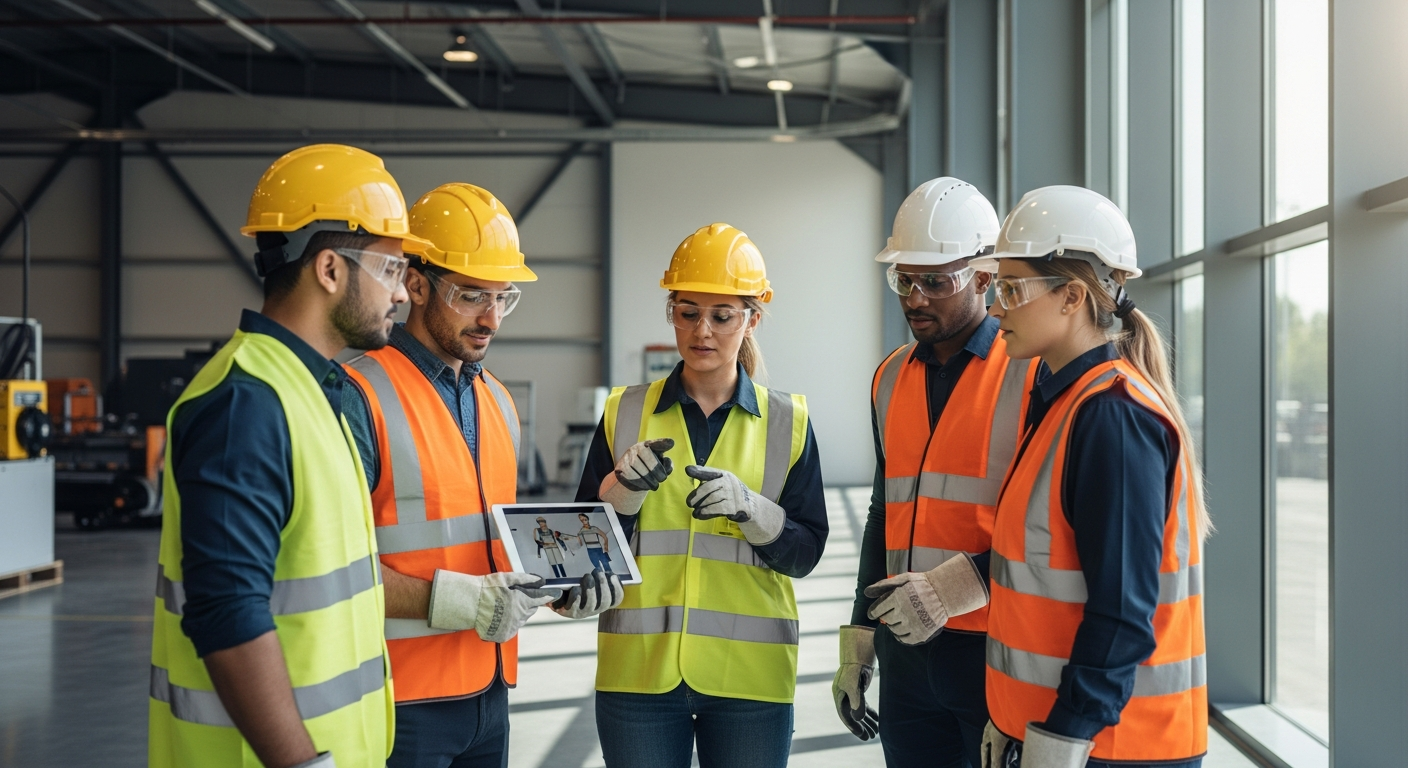
Workplace injuries represent a persistent drain on organizational resources and human wellbeing. The statistics are sobering—U.S. businesses lose over $163 billion annually to workplace injuries, yet many organizations still treat safety as an afterthought rather than a strategic priority. The disconnect between knowing safety matters and actually implementing comprehensive protective measures remains one of the most significant gaps in occupational health management.
Most companies underestimate how foundational a well-executed safety supply strategy truly is. Organizations across construction, manufacturing, healthcare, and facility management sectors are discovering that preventing accidents before they occur is far more cost-effective than managing the aftermath. The question isn't whether your organization can afford to invest in safety—it's whether you can afford not to.
Throughout this article, you'll discover how to evaluate your specific workplace safety supply needs, identify the right protective equipment for your industry, and establish a sustainable safety culture that keeps your team genuinely protected. Explore comprehensive safety supply solutions with trusted distributors today.
Understanding Your Workplace Safety Supply Gaps
Every organization operates with invisible vulnerabilities—gaps between current safety measures and actual protective needs. Identifying these gaps requires systematic evaluation rather than guesswork. Start by conducting a thorough hazard assessment specific to your industry. This process involves mapping your physical environment, understanding the nature of potential hazards, and recognizing which areas demand the most rigorous protection.
Conducting a Thorough Hazard Assessment for Your Specific Industry
Your hazard assessment should begin with a physical walkthrough of your workspace. Document environmental conditions, machinery operations, chemical exposure risks, and worker movement patterns. Different industries present entirely different challenges—construction workers face fall hazards that healthcare providers never encounter, while laboratory technicians deal with chemical exposure that manufacturing floors don't typically address. Your assessment must be tailored to your specific operational context.
Identifying High-Risk Areas Where Protective Equipment Is Essential
Once you've mapped your environment, pinpoint the high-risk zones. These areas typically cluster around machinery, chemical storage, elevated work platforms, or spaces where environmental contamination occurs. Mark these zones clearly and use them as focal points for your protective equipment strategy.
Recognizing Compliance Requirements by Sector
OSHA standards form the baseline for most U.S. workplaces, but EPA regulations, industry-specific standards, and state requirements often layer additional obligations on top. Construction sites must meet specific fall protection standards. Healthcare facilities navigate bloodborne pathogen protocols. Manufacturing environments follow machinery guarding requirements. Understanding your regulatory landscape prevents costly violations and, more importantly, protects your workforce from genuine harm.
Common Safety Oversights That Lead to Workplace Incidents
Most incidents stem from preventable oversights. Organizations frequently underestimate environmental hazards, fail to replace worn protective equipment, or implement training that employees forget within weeks. Another critical mistake involves treating safety equipment as optional rather than mandatory. Workers who perceive lax enforcement quickly adopt the same attitude themselves.
Budget Allocation Strategies for Comprehensive Safety Coverage
Safety budgets require strategic allocation. Rather than spreading limited resources thin across all areas, concentrate investment where risk is highest. A construction company's fall protection budget will look entirely different from a healthcare facility's infection control spending. Calculate the cost per employee for each protective category, then prioritize based on incident probability and potential severity.
Assessing Current Inventory Versus Actual Protective Needs
Audit your existing inventory against your hazard assessment findings. You'll likely discover either surplus equipment in low-risk areas or dangerous shortages in high-risk zones. This mismatch represents both wasted capital and unacceptable risk exposure.
Core Protective Equipment Categories Every Organization Needs
Protective equipment functions as your organization's first line of defense against occupational hazards. Understanding equipment categories helps you build a comprehensive protective arsenal.
Personal Protective Equipment (PPE) Fundamentals: Hard Hats, Safety Glasses, Gloves
Hard hats protect against head injuries from falling objects and bumps against fixed structures. Safety glasses shield eyes from particles, chemical splashes, and radiation. Gloves range from cut-resistant varieties to chemical-impermeable types depending on your specific hazards. These fundamental PPE items form the foundation of any safety program, yet they're frequently the most neglected because workers perceive them as inconvenient.
Respiratory Protection Systems and Air Quality Monitoring Solutions
Respiratory hazards demand serious attention. Dust, chemical vapors, and biological agents all present inhalation risks. Respirators range from simple particulate masks to supplied-air systems depending on contamination levels. Air quality monitoring equipment lets you track exposure in real time, enabling informed decisions about when respiratory protection becomes necessary.
Foot Protection and Specialized Footwear for Hazardous Environments
Foot injuries are common yet frequently underestimated. Steel-toed boots protect against crushing injuries from heavy objects. Slip-resistant soles prevent falls on wet surfaces. Chemical-resistant footwear protects against hazardous liquid exposure. Selecting appropriate footwear depends entirely on your specific workplace hazards.
Body Protection: Vests, Aprons, and Chemical-Resistant Clothing
Full-body protection addresses hazards that don't fit neatly into other categories. Impact vests protect against blunt force trauma. Chemical-resistant aprons shield clothing and skin during hazardous liquid handling. Full-body suits provide comprehensive coverage in laboratory or pharmaceutical environments.
Hand and Arm Protection for Specific Industrial Applications
Hands represent one of the most frequently injured body parts in industrial settings. Cut-resistant gloves protect against sharp edges. Insulated gloves shield against electrical hazards and temperature extremes. Chemical-resistant gloves vary dramatically in thickness and material composition depending on the specific substances workers handle.
Fall Protection Systems and Harness Equipment for Elevated Work
Falls remain a leading cause of workplace fatalities. Harnesses, lanyards, and anchorage systems work together to prevent falls or arrest them safely. These systems demand proper installation, regular inspection, and thorough employee training. Discover industry-specific safety equipment options from established distributors.
Industry-Specific Safety Solutions That Actually Work
Generic safety approaches fail because industries face fundamentally different hazard profiles. Tailoring your approach to your specific industry dramatically increases effectiveness.
Construction Site Safety Requirements and Equipment Specifications
Construction presents constant hazards—heights, heavy machinery, electrical risks, and dynamic work conditions. Hard hats, fall protection harnesses, high-visibility clothing, and steel-toed boots form the construction safety baseline. Site-specific hazards might demand additional equipment like respirators for dust exposure, heat stress prevention measures, or specialized protective gear for roofing or excavation work.
Manufacturing Floor Hazards and Corresponding Protective Measures
Manufacturing environments feature rotating machinery, hydraulic systems, chemical processes, and repetitive motion hazards. Machine guarding prevents contact with rotating components. Hearing protection addresses noise exposure. Chemical-resistant clothing and respiratory protection address chemical processing. Ergonomic considerations prevent repetitive strain injuries that develop gradually over months and years.
Healthcare Facility Safety Protocols and Infection Control Supplies
Healthcare workers face biological hazards that demand rigorous protocols. Bloodborne pathogen exposure, airborne infectious diseases, and chemical exposure from disinfectants and medications all require specific protective measures. Gloves, masks, face shields, gowns, and hand hygiene stations form the healthcare safety foundation.
Facility Maintenance and Janitorial Safety Considerations
Maintenance and janitorial staff encounter hazards that office workers rarely face—chemical exposure from cleaning products, slip hazards from wet floors, and ergonomic strain from repetitive physical work. Chemical-resistant gloves, slip-resistant footwear, and proper cleaning product storage prevent most incidents in these roles.
Chemical Handling and Laboratory Safety Equipment
Laboratory and chemical handling environments demand the highest level of protective sophistication. Chemical-resistant gloves, aprons, and footwear prevent skin contact. Fume hoods and respiratory protection manage inhalation hazards. Eye protection and face shields address splash risks. Proper training becomes absolutely critical because workers handle substances with significant hazard potential.
Building a Sustainable Safety Culture Beyond Equipment
Equipment alone doesn't create safety. Culture does. Organizations where safety permeates decision-making at every level see dramatically better outcomes than those where safety remains a compliance checkbox.
Training Programs That Reinforce Proper PPE Usage
New equipment sitting in storage creates no value. Training programs must teach proper selection, fitting, usage, and maintenance of protective equipment. Training becomes truly effective when it addresses the "why" behind each requirement, helping workers understand the specific hazards they're protecting against rather than simply memorizing rules.
Creating Accountability Systems for Safety Compliance
Accountability transforms safety from optional to expected. When supervisors consistently observe whether workers are wearing required protective equipment and respond consistently to non-compliance, safety becomes normalized. This doesn't require punishment—often simple, respectful reminders prove sufficient when delivered consistently.
Rotating and Replacing Protective Equipment on Schedule
Equipment degrades through use. Hard hats crack. Gloves tear. Respirator seals weaken. Establishing a replacement schedule prevents workers from using compromised equipment without even realizing it. Track equipment wear patterns and replace items before they fail entirely.
Conducting Regular Safety Audits and Equipment Inspections
Quarterly or semi-annual safety audits reveal gaps before incidents occur. These audits should assess both equipment condition and usage compliance. Inspect fall protection harnesses for damage, check respiratory equipment seals, and verify that workers understand when specific protective equipment becomes necessary.
Engaging Employees in Safety Decision-Making Processes
Workers understand hazards better than anyone because they encounter them daily. Creating channels for employees to contribute safety suggestions, report concerns, and participate in hazard identification builds a culture where safety feels collaborative rather than imposed. When workers see their suggestions implemented, they develop genuine ownership of safety outcomes.
Moving Forward With Confidence
The path to genuine workplace safety isn't paved with shortcuts or one-size-fits-all solutions. It requires thoughtful assessment, quality equipment, ongoing training, and a cultural commitment that permeates every level of your organization. Organizations that treat safety strategically—matching protective measures to specific hazards, training thoroughly, and maintaining equipment rigorously—experience measurably better outcomes than those treating safety superficially.
When you partner with reliable safety supply distributors and implement comprehensive protective measures, you're not just checking compliance boxes. You're fundamentally transforming how your team approaches risk management. This transformation shows up immediately in reduced incident rates, declining workers' compensation insurance premiums, and most importantly, in employees who arrive home safely every single day.
Start by auditing your current safety gaps against the hazard assessment framework outlined here. Connect with a trusted distributor who genuinely understands your industry's unique challenges rather than offering generic solutions. Build a safety strategy that evolves with your organization's changing needs and operations. Partner with experienced safety supply distributors to build your comprehensive protection strategy.
Leave a Reply