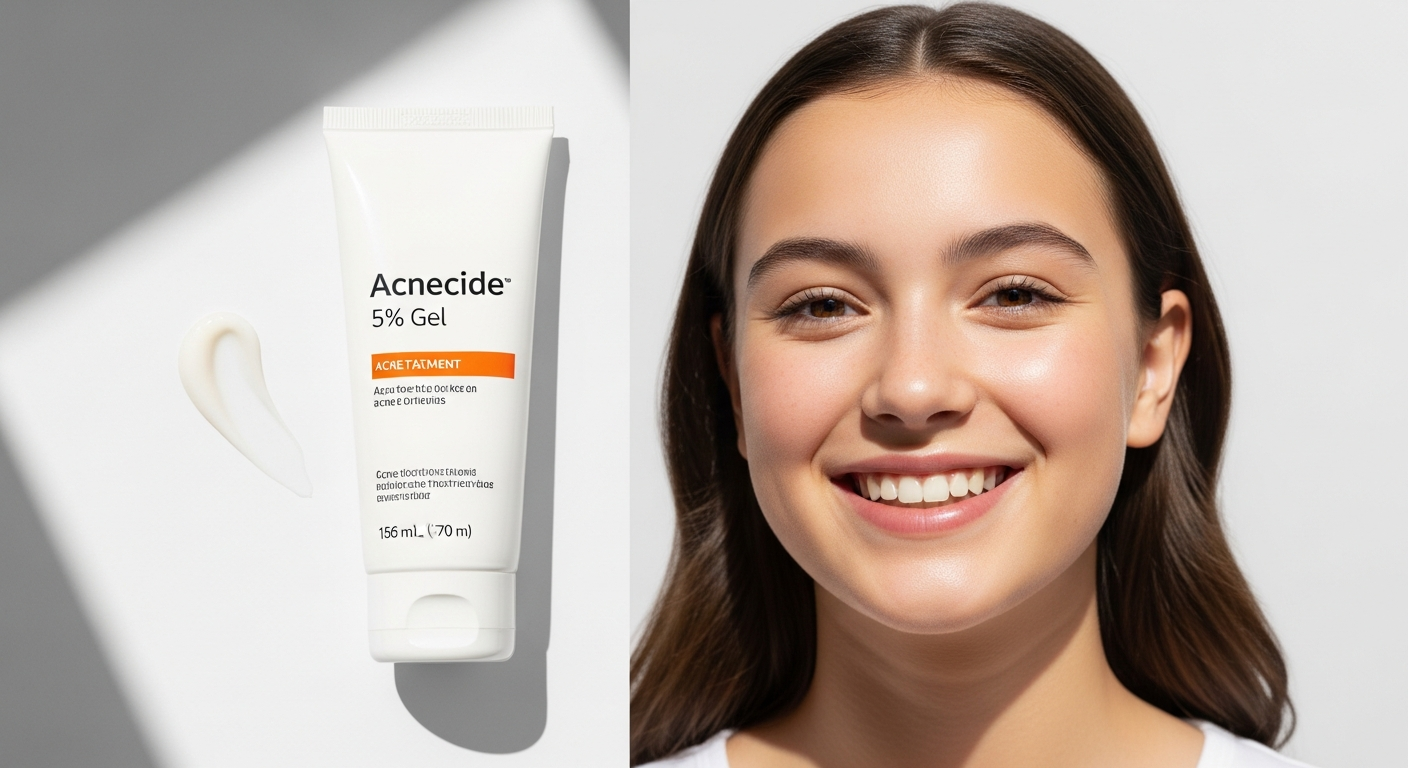
Around 85% of teenagers experience acne at some point during adolescence, and the emotional toll can be just as painful as the physical breakouts themselves. Acne isn't just a skin condition—it's a confidence killer that affects how you interact with friends, show up at school, and feel about yourself in the mirror.
That's where Acnecide 5% Benzoyl Peroxide Acne Gel steps in. This over-the-counter treatment has become a game-changer for UK teens and young adults who want fast, effective acne control without jumping through prescription hoops. With its clinically proven formula that kills up to 95% of acne-causing bacteria, it's earned its spot as a best-seller for good reason.
Discover how Acnecide 5% Gel can transform your skin today.
This guide will walk you through everything you need to know about using Acnecide 5% Gel as a teenager—from how it actually works on your skin to the real side effects you might experience and how to manage them. You'll discover the best application strategies, learn whether it's right for your specific acne type, and get honest answers about timeline expectations. By the end, you'll have the confidence to decide if this treatment is your skin's new best friend.
Why Acnecide 5% Works Differently for Teen Acne
Teenage acne isn't random—it's driven by specific factors that Acnecide targets directly. The primary culprit behind your breakouts is Cutibacterium acnes, a bacterium that thrives in clogged pores and oil-rich skin. Benzoyl peroxide, the active ingredient in Acnecide, kills up to 95% of this bacteria through oxidation, literally destroying the conditions that allow acne to flourish.
But Acnecide goes beyond simple bacteria-killing. Its microsphere technology penetrates deeper than surface-level treatments, unclogging pores that traditional cleansers miss. This dual-action approach addresses the root causes of acne rather than just treating the symptoms.
The formula also reduces inflammation and calms the redness that makes acne so visible and frustrating. At the same time, it absorbs excess oil production—one of the main triggers for teen acne. What sets Acnecide apart from competing benzoyl peroxide products is its simultaneous release of glycerine, which prevents the extreme dryness that makes other acne treatments unbearable.
As a leave-on daily treatment, Acnecide fits seamlessly into a busy teen routine. You apply it, let it dry, and it works while you sleep or go about your day.
Getting Started: Application Protocol for Young Skin
Acnecide is suitable for ages 12 and up, making it accessible to most teenagers. The key to success is starting conservatively and allowing your skin to build tolerance gradually.
Begin with once-daily application. Apply only a pea-sized amount to affected areas on your face, chest, or back—don't use it everywhere. The temptation to use more product thinking it'll work faster is almost universal, but restraint here pays dividends.
Apply Acnecide to clean, completely dry skin for maximum effectiveness. Damp skin reduces penetration and increases irritation risk. Allow 5-10 minutes of drying time before applying moisturizer or other products.
After 1-2 weeks, if your skin tolerates it well, you can increase to twice-daily application. Most users find once daily is sufficient, but flexibility matters. Read the product leaflet carefully before starting—this isn't a treatment where you can wing it. The instructions exist because they've been tested with thousands of users and refined based on real-world results.
The Real Side Effects Teenagers Should Expect
Honesty matters here: Acnecide causes side effects, especially in the first 2-4 weeks. Dry skin is the most common reaction. Your skin will feel tight, may look slightly flaky, and might feel uncomfortable in a way that makes you wonder if you've made a mistake.
Redness and mild peeling are normal as your skin adjusts to the active ingredient. A burning sensation or itching may occur, particularly if you apply too much product or if your skin barrier is already compromised. General skin irritation can happen if you rush the adjustment period instead of starting low and building tolerance.
Sensitivity to sunlight increases significantly, making SPF 30+ sunscreen non-negotiable daily wear. Benzoyl peroxide can also bleach fabrics, so be careful with pillowcases and clothing—use old ones during the adjustment phase.
The crucial detail: these side effects typically subside within 4-6 weeks as your skin builds tolerance. This is where most teenagers quit, thinking the treatment isn't working or is harming their skin. The reality is different. Your skin is adjusting, and pushing through this phase leads to clear skin on the other side.
Managing Dryness and Irritation Like a Pro
Pairing Acnecide with a hydrating moisturizer significantly reduces discomfort. Layer a fragrance-free, non-comedogenic hydrating product over the gel once it's fully dried. Look for products with ceramides and hyaluronic acid, which strengthen your skin barrier while providing moisture.
Use a gentle, hydrating cleanser instead of harsh, stripping face washes. Your skin is working overtime adjusting to benzoyl peroxide, so don't add additional stress through aggressive cleansing.
If irritation becomes unbearable, reduce application frequency to every other day. This isn't failure—it's strategic adjustment. Your skin still receives treatment, but at a pace it can tolerate. You can increase frequency again once irritation settles.
Avoid other potentially irritating ingredients like vitamin C, retinoids, or salicylic acid initially. Mixing multiple actives accelerates irritation and makes it impossible to know what's causing problems. Once your skin stabilizes on Acnecide, you can introduce other treatments if needed.
Apply sunscreen every single day, even on cloudy days. Post-inflammatory hyperpigmentation—dark marks left behind after acne heals—can be worse than the original breakouts. SPF protection prevents this entirely.
Start your acne-clearing journey with Acnecide 5% Gel now.
Timeline: When You'll Actually See Results
First visible improvements typically appear within 5-7 days for many users. Your skin may look slightly calmer, and active inflammation starts decreasing. This early win provides motivation to continue.
Noticeable reduction in active breakouts comes by week 2-3 of consistent use. New spots form less frequently, and existing blemishes flatten and fade. Redness and inflammation calm down before spots completely disappear—this ordering matters because it shows the treatment is working from the inside out.
Maximum results usually arrive between weeks 6-12 of daily application. Blackheads and whiteheads respond faster than deeper cystic acne. If you have severe acne, Acnecide may not be sufficient, but for mild to moderate breakouts, this timeline is realistic.
If no improvement appears after 12 weeks, it's time to consult a dermatologist. You may need a stronger treatment, or your acne might have an underlying cause requiring medical attention.
Consistency is crucial. Skipping applications resets your progress and delays results. Don't expect overnight miracles, but expect steady, visible improvement when you stay committed.
Is Acnecide 5% Right for Your Specific Acne Type?
Acnecide excels for mild to moderate acne, blackheads, and whiteheads. It works best on facial acne but is equally effective on chest and back breakouts where acne commonly appears during teenage years.
However, it's not recommended for severe cystic acne or nodular acne. If you have large, painful lumps beneath your skin, you need prescription-strength treatment. Acnecide targets surface and slightly deeper bacteria and congestion, not the deeper inflammation cystic acne requires.
The treatment is ideal if you have oily or combination skin prone to congestion. If you have naturally dry skin or eczema-prone areas, you're not ruled out—you'll just need more aggressive moisturizing alongside Acnecide.
Consider patch testing on a small area first if you're uncertain about your skin's tolerance. Apply a small amount to your jawline or behind your ear for 3-5 days and observe how your skin reacts before committing to full-face treatment.
Acnecide isn't suitable if you're pregnant or breastfeeding without medical approval. In these situations, consult your healthcare provider about safe acne treatments during this phase of life.
The treatment works well alongside other non-irritating skincare products. A gentle cleanser, moisturizer, and sunscreen form the foundation that makes Acnecide even more effective.
Cost-Effectiveness and Where to Buy
A standard 15g tube retails around £9.99 in the UK. Available without prescription through UK Meds and other online pharmacies, it removes the barrier of expensive dermatologist visits or prescription fees.
One tube typically lasts 6-8 weeks with proper application of small amounts. Cost per week works out to approximately £1.25-£1.67, making it genuinely budget-friendly compared to other effective acne treatments.
Prices vary by retailer and promotional offers, so shopping around pays off. Larger tube sizes may offer better value if you're treating multiple body areas, though most teenagers find a single 15g tube sufficient.
Compare Acnecide with other benzoyl peroxide products available in the UK—you'll find it offers strong value without quality compromise. The best-seller status reflects not just effectiveness but also accessibility and affordability.
What Dermatologists Say About Benzoyl Peroxide for Teens
Benzoyl peroxide is a gold-standard acne treatment recommended by skin specialists worldwide. Unlike antibiotics, bacteria cannot develop resistance to benzoyl peroxide, meaning it remains effective long-term without losing power.
The 5% concentration in Acnecide strikes the sweet spot between effectiveness and tolerability. Higher concentrations exist but cause excessive irritation for most users. Lower concentrations work more slowly. The 5% formulation represents what dermatologists have found works best for the broadest population.
Dermatologists often recommend benzoyl peroxide as a first-line treatment for mild-to-moderate acne, before moving to prescription options. Clinical studies confirm its ability to reduce acne lesions by 50-70% in 8-12 weeks—results that match many prescription treatments.
It's safe for long-term use when applied correctly, even for teenagers. Benzoyl peroxide doesn't accumulate in your body or cause systemic issues. The concerns are purely topical—dryness and irritation that resolve with proper management.
When stronger treatment becomes necessary later, benzoyl peroxide works synergistically with other acne treatments. Starting here doesn't limit your future options; it establishes a strong foundation.
Common Mistakes Teenagers Make (and How to Avoid Them)
The biggest mistake is applying too much product thinking more equals faster results. Less is genuinely more with benzoyl peroxide. Using a pea-sized amount gives your skin optimal exposure without overwhelming it.
Another widespread error: skipping moisturizer because teens believe acne-prone skin shouldn't be hydrated. This backfires spectacularly. A properly hydrated skin barrier tolerates acne treatment better and heals faster.
Increasing frequency too quickly before skin has adjusted accelerates side effects and often causes teenagers to abandon the treatment. Start once daily for 2-3 weeks, then increase if tolerated.
Mixing with other potentially irritating actives in the same routine is another common mistake. Your skin can't handle retinoids, vitamin C, and benzoyl peroxide simultaneously. Master one treatment first.
Not using sunscreen leads to post-inflammatory hyperpigmentation—dark marks that can last months or years. SPF protection during acne treatment prevents this entirely.
Many teenagers give up after 2-3 weeks when side effects hit before results appear. This is precisely when you need to persist. The adjustment period comes before the clear-skin payoff.
Using Acnecide on already-damaged or compromised skin barrier accelerates irritation. If your skin is raw from other treatments, pause and let it recover first.
Forgetting to read the leaflet and ignoring application instructions is surprisingly common. Those instructions exist because they represent the optimal way thousands of users found success.
Real Teenager Reviews: What Actually Works
Users consistently report visible improvements within 5-7 days, even if it's just calmer, less inflamed skin. Many praise its ability to calm redness and prevent future breakouts, which is often more valuable than clearing existing spots.
Positive feedback comes particularly from those who've struggled with acne for years and tried multiple treatments. The speed of Acnecide's action stands out compared to other options.
Teenagers appreciate that it works without requiring a doctor's appointment or navigating the NHS system. Acne treatment becomes immediate and accessible.
Common praise highlights quick results compared to other over-the-counter options. Users often mention surprise at how rapidly skin improves once they push past the adjustment period.
Some mention it's genuinely a game-changer for confidence and social anxiety. Clearing skin removes a constant source of stress and self-consciousness that affects academic performance, social interaction, and mental health.
Users highlight the affordability relative to other effective treatments. At less than £2 per week, Acnecide removes financial barriers that prevent many teenagers from accessing decent acne treatment.
Honest reviews acknowledge initial dryness but consistently note it's manageable with proper moisturizing. The key insight from real users: the first 4 weeks are uncomfortable, but the payoff is absolutely worth it.
Your Acne-Free Future Starts Here
Acnecide 5% Benzoyl Peroxide Acne Gel isn't just another product gathering dust on your shelf—it's a clinically proven solution that's genuinely transformed skin for thousands of UK teenagers. The combination of bacteria-killing power, pore-unclogging technology, and skin-hydrating glycerine makes it a rare acne treatment that actually delivers on its promises.
Yes, you'll experience some dryness and irritation initially. Yes, you'll need to be patient and consistent. But the results are absolutely worth the two-week adjustment period. The real magic happens when you approach this treatment strategically. Start low, go slow, pair it with hydration, and give your skin the full 6-12 weeks to transform.
Your teenage years shouldn't be defined by acne anxiety. At £9.99 for a tube that lasts weeks, Acnecide 5% Gel removes the financial barrier to effective treatment. You don't need a prescription, you don't need to wait months for a dermatology appointment, and you don't need to spend £50+ on fancy skincare that doesn't actually work.
Order Acnecide 5% Benzoyl Peroxide Acne Gel and start your clear skin transformation today.
Leave a Reply