Lead-contaminated water from aging household pipes affects millions of families worldwide, yet most homeowners never discover the problem until it’s too late. A slow leak of heavy metals into your tap water rarely announces itself with taste or smell—it simply accumulates in your body over months and years.
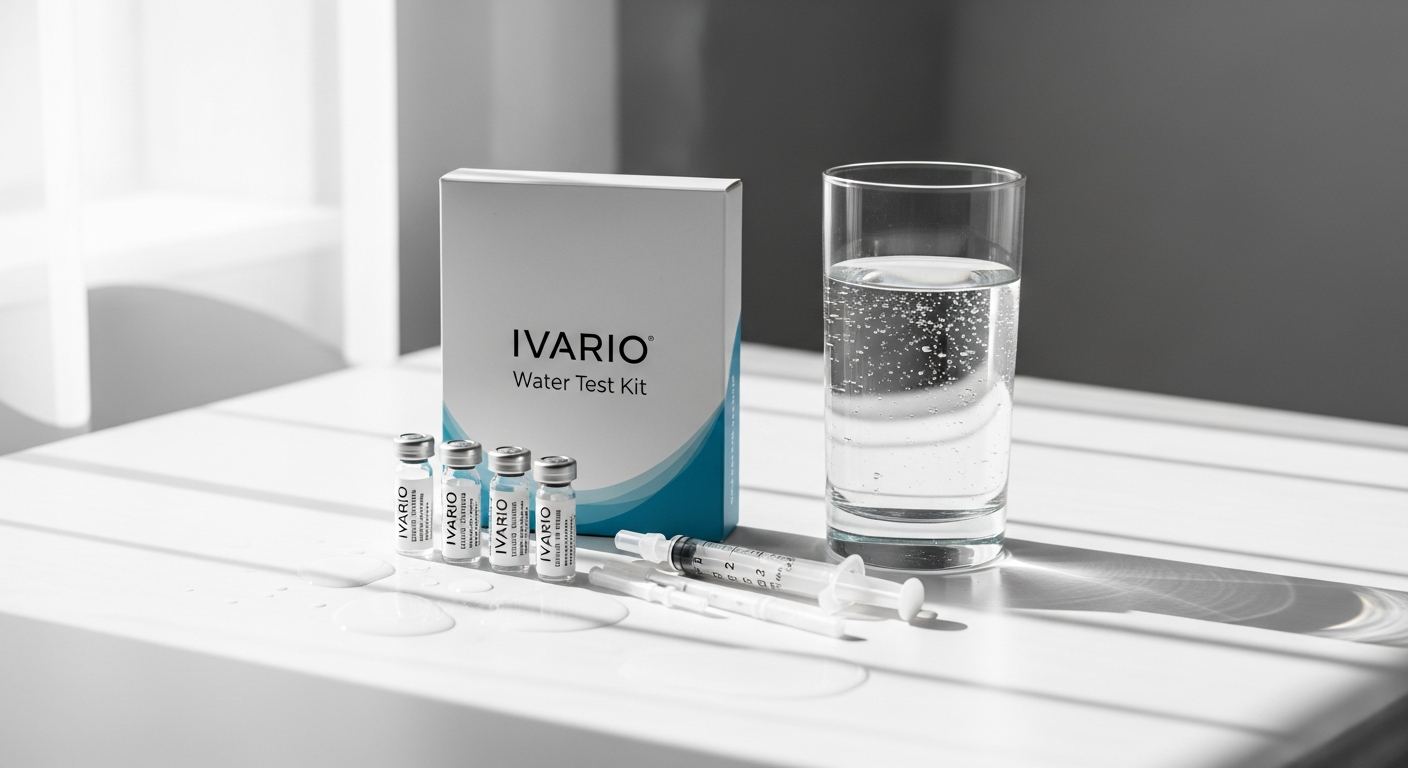
The IVARIO Standard Water Test Kit has become the go-to solution for households concerned about water quality from aging infrastructure, analyzing 32 critical parameters from heavy metals like lead and copper to nitrogen compounds and mineral content. This comprehensive approach fills a gap that municipal water reports simply cannot address: the quality of water flowing through your specific home’s pipes.
Why Aging Pipes Are a Hidden Water Quality Threat
How corroded pipes release lead, copper, and other heavy metals into drinking water
Water moving through corroded metal pipes doesn’t stay chemically neutral. The acidic or alkaline nature of your water interacts with pipe materials, slowly dissolving them into your drinking supply. Lead solder, used extensively before 1986, becomes particularly problematic in acidic water conditions. Copper pipes develop pinhole leaks that weep contaminated water into your lines. Even supposedly “safe” materials like galvanized steel deteriorate over decades, releasing zinc, cadmium, and chromium into every glass of water your family consumes.
The health risks associated with long-term exposure to contaminated household water
Lead exposure in children causes irreversible neurological damage, reducing IQ and impairing learning capacity. Pregnant women who consume lead-contaminated water face increased miscarriage risk and complications during delivery. Arsenic accumulation leads to skin problems, cardiovascular disease, and increased cancer risk. Cadmium damages kidneys and bones. Chromium increases cancer risk. These aren’t acute poisonings that send you to the emergency room—they’re silent accumulations that damage your organs slowly, making them nearly impossible to connect to water quality without testing.
Why municipal water testing doesn’t account for pipe-related contamination in individual homes
City water authorities test water quality at distribution points, not at individual household taps. The difference matters enormously. Your water may leave the treatment facility perfectly clean, then pick up contamination traveling through aging neighborhood pipes and corroded plumbing within your home. Municipal reports tell you nothing about what’s actually flowing from your kitchen faucet, making them practically useless for assessing individual household risk.
Common signs that your home’s plumbing may be compromising water safety
Blue or green staining around copper pipes indicates corrosion. Brown water coming from older pipes suggests iron contamination. The smell of rotten eggs points to hydrogen sulfide. Discoloration on fixtures, unexplained metallic taste, or visible particles all signal potential contamination. Children experiencing developmental delays, family members with unexplained rashes, or recurring gastrointestinal issues sometimes correlate with water quality problems, though these require testing to confirm.
Geographic regions and building types most vulnerable to pipe degradation issues
Homes built before 1986 face lead solder risks. Properties in areas with naturally acidic water (northeastern United States, parts of the Pacific Northwest, and certain European regions) experience accelerated pipe corrosion. Older urban buildings with decades-old municipal water lines connected to homes with original plumbing suffer the worst contamination. Rural properties with private wells face different but equally serious risks. Coastal areas expose metal pipes to salt-accelerated corrosion.
The timeline for pipe corrosion and when testing becomes critical
Copper pipes typically last 50-70 years before significant corrosion begins. Galvanized steel fails within 40-60 years. Lead solder, used from the 1940s through 1986, gradually releases lead regardless of pipe age. If your home was built before 1990, your plumbing has already spent 30+ years accumulating corrosion products. If you moved into an older property, you have no idea how long the previous owners allowed contamination to build. The critical moment for testing arrives the instant your home falls into the vulnerable age range, particularly if young children live there.
What Gets Tested—Breaking Down the 32-Parameter Analysis
Complete inventory of 13 heavy metals and toxic elements detected
The IVARIO kit screens for lead, copper, aluminum, arsenic, cadmium, chromium, cobalt, nickel, selenium, silver, uranium, and zinc across your entire water supply. Each metal carries specific health consequences. Lead damages nervous systems. Arsenic causes cancer. Cadmium harms kidneys. Chromium increases cancer risk. Uranium presents radiation exposure risks. The kit’s comprehensiveness ensures you catch problems that partial tests might miss.
The four nitrogen compounds measured and why they matter for water safety
Ammonium, nitrite, nitrate, and total nitrite/nitrate levels indicate potential contamination from septic systems, agricultural runoff, or sewage infiltration. These compounds shouldn’t appear in household drinking water at detectable levels. Their presence suggests serious water system problems requiring immediate investigation and professional intervention.
Mineral and hardness analysis covering 13 components
Testing identifies beryllium, iron, potassium, lithium, calcium, magnesium, manganese, sodium, phosphorus, water hardness, chloride, and sulphate. Water hardness affects appliance longevity and soap effectiveness. Excessive iron causes staining and metallic taste. High sodium concerns people with hypertension. Calcium and magnesium levels determine whether water treatment becomes necessary for plumbing protection.
pH and electrical conductivity measurements and what they reveal about water purity
pH measurement shows whether your water is acidic or alkaline—a crucial indicator of corrosion potential and contamination risk. Acidic water (pH below 6.5) aggressively leaches metals from pipes. Electrical conductivity measures dissolved mineral content, revealing whether water quality has degraded or whether contamination from unexpected sources has entered your supply.
How these parameters compare to drinking water standards and safety thresholds
The IVARIO analysis compares your results against German drinking water standards (TrinkwV), which align closely with WHO guidelines and EU standards. Results clearly indicate whether values fall within safe ranges or exceed recommended maximum contamination levels. This comparison framework transforms raw data into actionable health information.
Which contaminants are most commonly found in homes with older plumbing systems
Lead tops the list in pre-1986 homes. Copper emerges as the most frequently detected contaminant, often exceeding safe levels. Iron from galvanized pipes appears in older properties. Zinc follows closely. Hard water minerals build up in homes with mineral-rich water supplies. Understanding these patterns helps you anticipate which results might raise concerns.
Who Should Test Their Water—Beyond Just Older Homes
Families with young children and infants requiring the safest possible drinking water
Children absorb lead more efficiently than adults, and their developing brains suffer permanent damage from even modest exposure. Families with children under six years old face particular urgency. The difference between safe and unsafe water directly affects your child’s cognitive development, academic performance, and long-term health trajectory.
Pregnant women and the specific water quality concerns during pregnancy
Pregnant bodies become more susceptible to contaminant absorption. Lead crosses the placental barrier, affecting fetal brain development. High sodium levels complicate blood pressure management. Certain minerals interfere with nutrient absorption. Testing during pregnancy provides critical information for protecting developing fetuses during the most vulnerable window.
Households preparing baby formula and the critical importance of contaminant-free water
Infant formula mixed with contaminated water concentrates those contaminants in tiny bodies with minimal detoxification capacity. Infants drinking formula made from lead-contaminated water face severe neurological consequences. This application alone justifies testing for every family with babies, regardless of home age or apparent water quality.
Families without existing water filtration systems or with outdated filters
Homes relying on untreated tap water absorb whatever contamination enters the pipes. Outdated filters designed for older contaminant profiles may not address modern water quality issues. Testing reveals whether your current approach adequately protects your family or whether filtration upgrades become necessary.
Homeowners planning renovations or moving into properties with unknown plumbing history
Renovation work disturbs corroded pipes, potentially dislodging accumulated sediment and releasing heavy metals. Before beginning any plumbing work, baseline testing protects your family from temporary spikes in contamination. New homeowners inherit unknown plumbing conditions and previous owners’ neglect. Testing immediately after moving establishes your water’s actual condition.
People experiencing unexplained health symptoms potentially linked to water contamination
Recurring gastrointestinal issues, persistent rashes, unusual fatigue, or cognitive changes sometimes correlate with water quality problems. Testing either confirms contamination-related causes or eliminates water as a contributing factor, allowing you to pursue other diagnostic avenues with confidence.
The Testing Process—From Sample Collection to Results
Step-by-step breakdown of the sample collection kit and included instructions
Your kit arrives with sterile collection bottles, detailed instructions in your language, and pre-paid return shipping materials. Clear guidance prevents contamination of the sample during collection, ensuring your results reflect actual water quality rather than handling errors. The process intentionally requires no technical expertise—any adult can complete it correctly.
How to properly collect water samples to ensure accurate laboratory analysis
You collect cold water directly from your kitchen tap after running water for 30 seconds to clear old water sitting in pipes. The sterile bottle captures your sample without introducing outside contamination. Specific timing and technique ensure consistency across samples. Following instructions precisely matters—deviations compromise result accuracy and waste your investment.
Pre-paid return shipping logistics and timeline for sending samples to the laboratory
After collection, you seal the sample bottle, place it in the provided return envelope, and drop it in the mail. Pre-paid shipping means no additional costs or tracking hassles. The sample travels to the accredited German laboratory where analysis begins immediately upon arrival. Total shipping time typically adds 2-3 days to the overall process.
What happens inside the accredited DIN-EN-ISO 17025 German laboratory
Professional technicians subject your sample to sophisticated analytical procedures for each of the 32 parameters. Inductively coupled plasma mass spectrometry (ICP-MS) measures heavy metals with precision impossible at home. Ion chromatography analyzes nitrogen compounds. Atomic absorption spectroscopy confirms specific metal concentrations. Each result undergoes quality verification against reference standards. The laboratory’s ISO 17025 accreditation guarantees adherence to rigorous international standards.
Standard turnaround time of 10-14 working days versus express processing in 3-5 days
Standard processing reflects the actual laboratory work required—rush requests mean your sample moves to the front of the queue without changing the analysis itself. Express processing costs more but delivers results faster if you face urgent concerns. Either timeframe provides comprehensive accuracy; the difference lies purely in laboratory scheduling.
How results are delivered and presented in an easy-to-understand online format
Results arrive through a secure online portal where you can access them immediately upon completion. The report presents each parameter with your measured value, safe drinking water standards, and a clear visual indicator showing whether your result falls within acceptable ranges. Complex technical data translates into comprehensible health information you can act on immediately.
What to expect if your results show concerning contamination levels
The report provides guidance on next steps. Elevated heavy metals might suggest professional water treatment system installation. High hardness indicates water softening consideration. Bacterial indicators recommend boiling water or seeking professional assessment. Some results prompt consultation with local water authorities. Others simply confirm your water safety. Either way, you receive actionable information rather than vague worry.
Evaluating the Value—Cost, Accuracy, and Practical Limitations
Price point analysis at €89.90 and whether it represents good value for comprehensive testing
Professional laboratory water testing typically costs €150-300 when you hire technicians to collect samples. Home test kit accuracy varies wildly, with many providing unreliable results. The €89.90 price point delivers professional laboratory analysis at roughly one-third the cost of equivalent services while eliminating technician scheduling hassles. Compared to ongoing exposure to heavy metals affecting your family’s health permanently, the investment pays for itself with a single discovered problem.
Accuracy and reliability standards of accredited laboratory testing versus at-home kits
ISO 17025 accreditation guarantees testing methodologies meet international standards. Professional equipment detects contaminants at concentrations home kits miss entirely. Chain of custody documentation ensures your specific sample receives proper handling throughout analysis. At-home kits operate on simplified chemistry with accuracy limitations and higher error rates. For decisions affecting family health, professional laboratory testing provides confidence that matters.
Why self-collected samples aren’t suitable for official, legal, or regulatory purposes
Official water testing for property sales, regulatory compliance, or legal cases requires certified sampling technicians and documented chain of custody. Your self-collected sample proves your water quality to yourself and your family but wouldn’t satisfy legal or official requirements. Understanding this limitation prevents disappointment if you hoped to use results for official purposes.
Contaminants the kit doesn’t cover including Legionella, pharmaceuticals, and pesticides
The Standard kit focuses on common household contamination from pipes and minerals. Legionella bacteria require specialized culturing techniques. Pharmaceutical residues and pesticides demand advanced chromatography methods available only through specialized testing. If you suspect specific contaminants beyond the kit’s scope, specialized tests address those concerns separately. The Standard kit covers the most common and consequential household water quality issues.
Comparing the IVARIO Standard Test to other testing options available in the market
Basic home test strips cost €10-20 but provide limited accuracy and narrower parameter coverage. Professional technician testing costs €200-400 and requires scheduling. Specialized IVARIO tests address specific concerns like Legionella or pesticides at premium prices. The Standard kit balances comprehensive analysis with reasonable cost and easy self-administration, hitting a practical sweet spot for most households.
Long-term cost considerations if you need to test multiple times or install remediation systems
Annual testing costs €89.90 yearly if you monitor for changes or verify filter effectiveness. Water filtration systems range from €500 for under-sink units to €3,000+ for whole-house systems. Professional plumbing assessment and pipe replacement reaches five figures. Testing costs represent the smallest investment in the contamination response chain, making it financially sensible insurance against much larger remediation expenses.
Taking Action on Your Results—Next Steps and Solutions
How to interpret your lab report and understand what the numbers mean for your health
Your report lists each parameter with your measured concentration, the recommended maximum level, and visual indication of compliance. Values in green fall within safe ranges. Yellow indicates slightly elevated levels worth monitoring. Red means exceeding safe limits requiring action. The report format intentionally simplifies interpretation—you don’t need laboratory expertise to understand whether your water is safe.
When results indicate the need for professional water treatment or filtration systems
Elevated lead, copper, or cadmium typically warrants filtration system installation. High nitrate levels suggest contamination requiring professional assessment. Excessive hardness justifies water softening. Bacterial indicators demand immediate boiling or professional treatment. Your report guidance indicates whether you can address issues through equipment installation or require professional plumbing investigation.
Remediation options available if heavy metals or contaminants are detected
Point-of-use filters address kitchen tap contamination. Whole-house systems treat contamination at the entry point. Water softeners handle mineral content. Carbon filters reduce certain contaminants. Reverse osmosis systems provide maximum purification. Professional plumbers assess your specific situation and recommend appropriate solutions. Some contamination requires pipe replacement—technicians identify these cases through professional evaluation.
When to contact local water authorities or seek professional plumbing assessment
Results indicating bacteria or sewage contamination warrant immediate contact with local water authorities and professional investigation. Elevated nitrogen compounds suggest septic system infiltration requiring professional assessment. Lead or copper levels necessitate professional plumbing evaluation. You’ll recognize these urgent scenarios from your report, triggering appropriate next steps.
Documentation and record-keeping for future home sales or health concerns
Save your test results and any remediation documentation for future reference. If health issues arise years later, baseline testing establishes what your water contained at a specific time. When selling your home, previous test results demonstrate your diligence regarding water quality. Documentation creates a paper trail protecting your family’s interests.
Whether follow-up testing is necessary after installing water treatment solutions
Testing after filter installation verifies that your system functions effectively. Annual testing monitors whether filter replacement remains necessary. If remediation included pipe replacement, testing confirms contamination elimination. Most systems benefit from follow-up testing at 3, 6, and 12 months post-installation to verify effectiveness.
What You Need to Know Before Ordering
The IVARIO Standard Water Test Kit delivers genuine peace of mind for families concerned about water safety from aging pipes without the hassle of scheduling technician visits or paying premium prices for specialized testing. The €89.90 investment pays for itself the moment you discover a problem that municipal reports would’ve missed entirely. If your home fits the profile with older pipes, young children, no filtration system, or unexplained health concerns, ordering the kit takes minutes and you’ll have actionable results within two weeks.
Testing answers the question that’s probably been nagging at you: Is my family’s drinking water actually safe? Uncertainty lingers when you rely on generic municipal reports that don’t reflect conditions in your specific home. Once you have your results, whether they confirm safety or reveal problems, you can move forward with confidence. You’ll either gain reassurance that your water is fine or gain actionable information directing you toward solutions.
The process eliminates guesswork from water quality assessment. No more wondering if that metallic taste matters. No more worrying whether your old pipes are silently harming your children. No more hoping your water filter is actually working. Testing transforms anxiety into knowledge, enabling informed decisions about your family’s health.
Leave a Reply