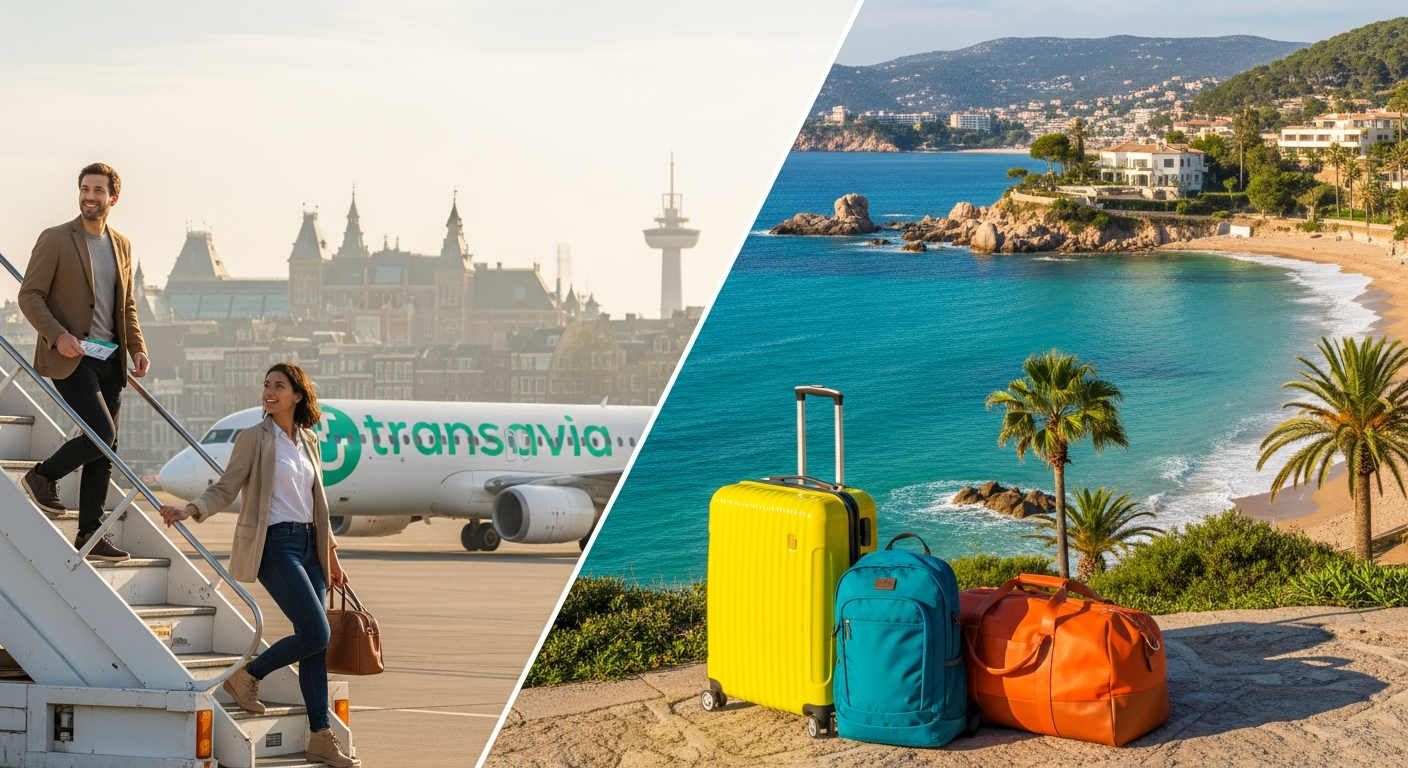
Transavia’s Amsterdam to Alicante route has become a masterclass in how low-cost carriers democratize European travel. With fares starting under €100 one-way, this corridor consistently ranks among the most affordable gateways to Spain’s Mediterranean coast. Yet countless travelers unknowingly overpay by thousands annually by misunderstanding how budget airlines structure their pricing models.
Transavia, owned by the Air France-KLM Group, has perfected the formula for connecting major European hubs to holiday destinations. The Amsterdam-Alicante corridor exemplifies their strategy flawlessly: direct flights, minimal travel time, and transparent pricing that rewards informed bookers. Whether chasing beach days or exploring coastal culture, this route delivers both convenience and genuine value—provided travelers understand the mechanics.
This guide walks through everything needed to maximize savings on this route. Readers will discover the real cost breakdown, optimal booking windows, aircraft details, and honest comparisons of value received versus amounts paid. By the conclusion, you’ll possess a complete playbook for securing the best possible fares on one of Europe’s most popular budget routes.
The Real Cost of Flying Transavia: Beyond the Base Fare
How Transavia’s Unbundled Pricing Model Works
That €79 advertised fare represents only the beginning of actual costs. Transavia, like most low-cost carriers, separates base transportation from ancillary services. This unbundled approach allows the airline to advertise aggressively low fares while generating substantial revenue from add-ons. The base price covers your seat on the aircraft and nothing else—no baggage, no seat assignment, no refreshments.
Understanding this model prevents sticker shock at checkout. The airline isn’t deceiving travelers; the pricing structure is transparent. However, customers who don’t read terms carefully often discover that their “cheap flight” costs significantly more once essentials are added.
Itemized Breakdown: What Actually Costs Extra
Checked baggage carries the heaviest fees. A single checked bag on Transavia typically costs €15-€25 depending on when you purchase it. Booking baggage during initial ticket purchase is cheaper than adding it later or at the airport. Second checked bags incur additional charges, making this particularly expensive for travelers accustomed to included luggage allowances.
Seat selection charges range from €5-€15 per flight depending on seat location. Aisle seats and emergency exit rows command premium prices. Standard seats toward the back of the aircraft cost less or nothing if you’re willing to accept the airline’s automatic assignment.
Carry-on baggage allowances are stricter than traditional carriers. Transavia permits one personal item (bag, backpack, or laptop case) measuring no larger than 40x20x25 centimeters, plus one standard carry-on roller bag. Oversized carry-ons incur fees at the gate.
Selection on Board Service Explained
Transavia’s “Selection on Board” service offers beverages, snacks, and light meals for purchase during flight. A coffee costs approximately €2.50, sandwiches run €5-€8, and alcoholic beverages are €4-€6. On a 2.5-3 hour flight, many passengers purchase refreshments, adding €10-€20 to their total cost.
The airline accepts cash and card payments onboard. Purchasing items pre-flight through their website occasionally offers minor discounts, though savings are minimal.
Comparison of Total Trip Costs
A Transavia round-trip Amsterdam to Alicante journey typically breaks down as follows:
- Base fare (round-trip): €150-€180
- One checked bag each way: €30-€50
- Seat selection (optional): €20-€30
- In-flight refreshments: €20-€30
- Total realistic cost: €220-€290
Full-service carriers like KLM or Lufthansa charge €300-€500 for comparable routes, but include baggage, seat selection, and basic refreshments. The Transavia experience remains notably cheaper, though less comfortable.
Hidden Fees Travelers Commonly Overlook
Payment processing fees occasionally apply when booking through third-party websites, though Transavia’s direct website avoids this. Seat changes made after initial booking incur modification fees. Name corrections or ticket transfers also carry charges.
Airport-specific fees exist at certain locations. Amsterdam and Alicante are generally straightforward, but services like early boarding, priority check-in, and expedited security lines all cost extra.
Strategies for Traveling Light
The most effective cost-reduction strategy involves packing exclusively with carry-on luggage. Many travelers successfully manage week-long Mediterranean trips with a single 40-liter backpack or rolling carry-on. This approach eliminates the largest add-on expense entirely.
Rolling luggage strategically—wearing bulkier items during flight—maximizes packing efficiency. Compression bags further optimize space. Laundry facilities in hotels enable fewer clothing items for longer stays.
Discover how carry-on packing strategies unlock additional savings on your next Transavia booking.
Flight Specifications and What to Expect Onboard
Aircraft Types on the Amsterdam-Alicante Route
Transavia operates this corridor with two primary aircraft types. The Boeing 737-800 represents the older segment of their fleet—reliable workhorses that have transported millions of passengers. These aircraft feature basic amenities and narrower cabin configurations typical of their generation.
The newer Airbus A320neo represents Transavia’s modernization efforts. This aircraft offers improved fuel efficiency, slightly more comfortable seating, and enhanced cabin environments. Flight assignments vary, meaning you might board either aircraft depending on scheduling.
Flight Duration and Route Suitability
The Amsterdam-Alicante flight takes approximately 2.5 to 3 hours—an ideal length for budget travel. Long enough to justify aviation costs, short enough to avoid the discomfort associated with extended economy journeys on budget carriers. This timeframe positions the route perfectly for the low-cost model’s sweet spot.
Single-Class Cabin Configuration
Unlike traditional carriers offering premium and economy cabins, Transavia operates single-class aircraft exclusively. All passengers occupy identical seating configurations without tiered service levels. This egalitarian approach reduces operational complexity and helps maintain competitive pricing.
Seat Comfort and Legroom Analysis
Boeing 737-800 aircraft feature seat pitch (front-to-back spacing) around 31 inches—tighter than legacy full-service carriers but adequate for a 3-hour journey. Armrest width accommodates standard body types, though larger passengers may experience constraint. The newer A320neo offers marginally better pitch and comfort levels.
Seat width remains consistent across both aircraft at approximately 17 inches—narrow by premium standards but functional for short-haul travel. Cushioning is minimal but sufficient for flights under 4 hours.
In-Flight Amenities and What Requires Purchase
Transavia provides lavatory facilities, regulated cabin temperature, and overhead bin storage. Drinking water is available at lavatories. Beyond these basics, all amenities and refreshments require purchase. Even complimentary water isn’t offered; passengers must bring their own or buy bottled water onboard.
Entertainment systems exist only on newer A320neo aircraft, featuring basic seat-back monitors with limited film and television options. Older 737-800s offer no in-flight entertainment, requiring passengers to bring personal devices and entertainment.
Aircraft Comparison: Boeing 737-800 versus Airbus A320neo
The 737-800 remains functional and safe but shows its age. Windows feel small, cabin lighting is standard fluorescent, and noise levels are noticeably higher than modern aircraft. Air conditioning keeps cabin temperatures comfortable, but the overall experience feels utilitarian.
The A320neo delivers a notably improved passenger experience. Larger windows, LED cabin lighting, quieter engines, and enhanced air filtration create a more pleasant environment. Modern touchscreen IFE systems (where available) provide superior entertainment. For comparable fares, A320neo assignments represent genuine upgrades.
Booking Strategies: When and How to Secure the Lowest Fares
Seasonal Pricing Patterns
Transavia’s Amsterdam-Alicante fares fluctuate dramatically based on season. Off-peak months (November, January, February, and March) feature the lowest prices, with flights available at €60-€100 one-way. These months offer genuine bargains for flexible travelers.
Shoulder seasons (April-May and September-October) present moderate pricing around €100-€150 one-way. Summer months (June, July, August) and holiday periods (Christmas, Easter, New Year) command premium rates at €200-€350 one-way. The price differential between low and peak season frequently exceeds 300 percent.
Optimal Booking Windows
Research consistently demonstrates that booking 6-8 weeks before travel produces optimal fares for this route. This window allows sufficient advance planning while capturing early-bird pricing before peak demand periods trigger price increases.
Booking further than 12 weeks in advance occasionally offers slightly lower fares, though the savings are marginal. Last-minute bookings—within 2 weeks of departure—rarely produce bargains and frequently show premium pricing.
Day-of-Week and Time Fluctuations
Tuesday and Wednesday departures consistently show lower pricing than weekend flights. This reflects reduced leisure travel demand on weekdays. Saturday and Sunday flights command 15-30 percent premiums due to concentrated weekend travel patterns.
Time-of-day variations exist but matter less than day-of-week factors. Morning and early evening departures occasionally show marginal price variations, with midday flights sometimes featuring slightly lower fares.
Using Transavia’s Website and Aggregators Effectively
Booking directly through Transavia.com avoids third-party commissions and occasionally unlocks exclusive deals. The website’s search functionality allows flexible date selection, showing price calendars across multiple days simultaneously.
Third-party aggregators like Kayak, Skyscanner, and Google Flights effectively compare prices and alert users to fare drops. These platforms integrate Transavia alongside competing carriers, providing clear competitive context. However, final booking should occur through Transavia’s website to avoid processing fees and ensure accurate baggage policies.
Price Alert Strategies That Work
Setting up price alerts through both Transavia and third-party platforms maximizes notification frequency. Google Flights and Kayak provide email notifications when tracked routes show price changes. Transavia’s internal notification system alerts subscribers directly.
Check alerts actively rather than passively waiting. Fares demonstrating downward trends often continue declining, but sudden price drops warrant immediate booking. Waiting for further decreases risks prices rebounding as departure dates approach.
Flexibility Tactics: Optimizing Travel Dates
Flying mid-week rather than weekends reduces fares by 20-30 percent. A Wednesday departure costs noticeably less than Friday. Similarly, flying during shoulder season (April-May, September-October) rather than peak summer delivers substantial savings.
Consider alternative dates surrounding your preferred travel period. A week’s travel starting Tuesday instead of Saturday might reduce total costs by €60-€100. For flexible travelers without fixed vacation dates, this elasticity unlocks significant savings.
The Pros and Cons: Is Transavia Right for Your Trip?
Advantages That Make This Route Compelling
Transavia delivers unbeatable affordability for budget-conscious travelers and families. At €220-€290 round-trip when calculated realistically, costs remain substantially lower than traditional carriers. This accessibility democratizes Mediterranean travel for cost-sensitive demographics.
Direct flights eliminate layover hassles, connection risks, and lost baggage concerns. Flying directly from Amsterdam to Alicante saves 4-6 hours compared to routed alternatives. This time efficiency matters significantly for short vacations where every day counts.
Frequent daily departures ensure scheduling flexibility. Multiple daily flights accommodate various travel preferences without forcing inconvenient timing compromises. This frequency also improves rebooking options if flight disruptions occur.
Modern A320neo aircraft on this route provide improved fuel efficiency and enhanced comfort compared to legacy equipment. Passengers fortunate enough to board newer aircraft experience noticeably superior cabin environments.
Disadvantages and Realistic Limitations
Unbundled pricing can quickly inflate total costs. That €79 base fare becomes €180-€220 after necessary additions. While still competitive, the final price disparity from advertised fares frustrates unprepared travelers.
Basic comfort standards define the experience, particularly on older Boeing 737 aircraft. Minimal legroom, narrow seats, and austere cabin environments don’t suit passengers prioritizing comfort. Those accustomed to full-service carriers often find the experience notably downgraded.
Limited legroom compared to full-service carriers becomes apparent on longer low-cost flights. While 2.5-3 hours remains manageable, passengers over 6 feet tall or with mobility limitations may experience discomfort. Emergency exit row seats offer additional legroom but carry premium charges.
Schedule changes and delays occasionally affect low-cost carriers more frequently than legacy airlines. While Transavia maintains reasonable reliability through Air France-KLM backing, operational disruptions do occur. Travel insurance becomes prudent for fixed-date trips.
Insider Tips for First-Time Transavia Passengers
Pre-Flight Checklist Specific to Transavia
Verify carry-on dimensions before arrival. Oversized bags face gate checks and fees. Confirm baggage policies match your packing strategy—unexpected checked baggage charges at airport counters cost substantially more than advance purchases.
Review Transavia’s seat selection policy. Whether planning to pay for preferred seating or accept automatic assignments, understanding options prevents confusion during booking. Verify passport validity for Spanish entry, with standard EU requirements demanding 6+ months remaining validity.
Check online check-in procedures. Transavia requires 24-hour advance check-in through their website or mobile app. Mobile boarding passes reduce paper hassles and integrate with airport technology seamlessly.
Amsterdam Airport Terminals and Gate Assignments
Transavia operates primarily from Amsterdam Airport Schiphol’s Terminal 2, though occasional flights depart from Terminal 3. Confirm your specific terminal when checking in. Both terminals feature reasonable facilities, though Terminal 2 offers faster security processing.
Gate assignments typically appear 2 hours before departure. Transavia’s mobile app provides real-time updates. Airport signage clearly directs passengers to gates, though terminal size occasionally requires 15-minute walks from check-in to boarding.
Alicante Airport Arrival Procedures
Alicante-Elche Airport (ALC) is a straightforward, manageable facility. EU citizens proceed through expedited passport control lanes. Baggage collection occurs on the lower level, with clearly marked carousels displaying flight information.
Ground transportation options include taxis (€25-€40 to central Alicante), airport buses (€3-€5), and rental car agencies. Pre-booking transportation eliminates airport queues and ensures smooth transitions to accommodations.
Packing Strategies for Carry-On-Only Travel
A 40-liter backpack or rolling carry-on accommodates 5-7 days of travel for most travelers. Lightweight clothing, minimal footwear, and travel-sized toiletries optimize space. Laundry facilities at accommodations enable extended trips with minimal luggage.
Wear bulky items during flight rather than packing them. Jackets, sweaters, and heavier shoes occupy considerable space; body-wearing them eliminates packing constraints. Compression bags further optimize remaining space.
Place essential items in personal bags—medications, valuables, and critical documents never belong in checked luggage. Comfortable in-flight clothing takes priority over fashion, as casual wear dominates Mediterranean beach environments.
Mobile App Functionality
Transavia’s official mobile app provides real-time flight status, gate assignments, boarding passes, and booking management. Push notifications alert users to gate changes and delays. The app functions reliably even with minimal data connectivity, essential for airport navigation.
Download boarding passes before airport arrival. Mobile presentation at check-in and gate scanning simplifies processes and reduces paper handling. The app also manages seat selection changes and baggage modifications post-booking.
Airport Arrival Timing for Budget Flights
Transavia recommends 2 hours prior arrival for European flights. However, 2.5-3 hours provides comfortable buffers for security lines, unexpected queues, and terminal navigation without excessive waiting. Weekend and holiday periods occasionally require additional time padding.
Early arrival enables relaxed check-in, reducing stress around boarding times. Baggage queues occasionally develop near departure, making earlier arrival advantageous. Mobile check-in and boarding pass preparation can expedite airport procedures substantially.
Your Amsterdam-Alicante Journey Starts with Smart Booking
Transavia’s Amsterdam to Alicante flights represent genuine value for travelers willing to understand the low-cost model. That €79 base fare is authentic—but it’s only the beginning of actual costs. When factoring in baggage, seat selection, and refreshments, realistic pricing typically reaches €150-€200 for a one-way ticket, still substantially competitive against traditional carriers.
The key distinction lies in transparency. Knowing what you’re paying for, packing strategically with carry-on luggage, and booking during optimal windows transforms budget travel from frustrating to rewarding. This route succeeds precisely because it connects two powerhouse destinations with genuine travelers and compelling reasons for movement between them.
Amsterdam’s position as a major European hub generates consistent demand and frequent daily flights. Alicante’s Mediterranean beaches and vibrant culture pull leisure travelers throughout the year. Transavia capitalizes on this intersection beautifully, offering direct flights that save both time and money compared to routed alternatives through secondary hubs. The Air France-KLM ownership backing provides reliability guarantees that independent budget carriers frequently cannot match.
Your decision ultimately hinges on personal priorities. Prioritize savings above comfort? Transavia delivers decisively. Need maximum legroom and included meal services? Alternative carriers better suit your needs. For the majority of European travelers pursuing affordable beach escapes without compromise on accessibility, this airline and route combination remains unbeatable.
Start monitoring prices immediately. Set price alerts across multiple platforms. Book 6-8 weeks before your intended departure date for optimal rate capture. Your Spanish Mediterranean getaway awaits—and your wallet will thank you for the smart choices ahead.
Leave a Reply