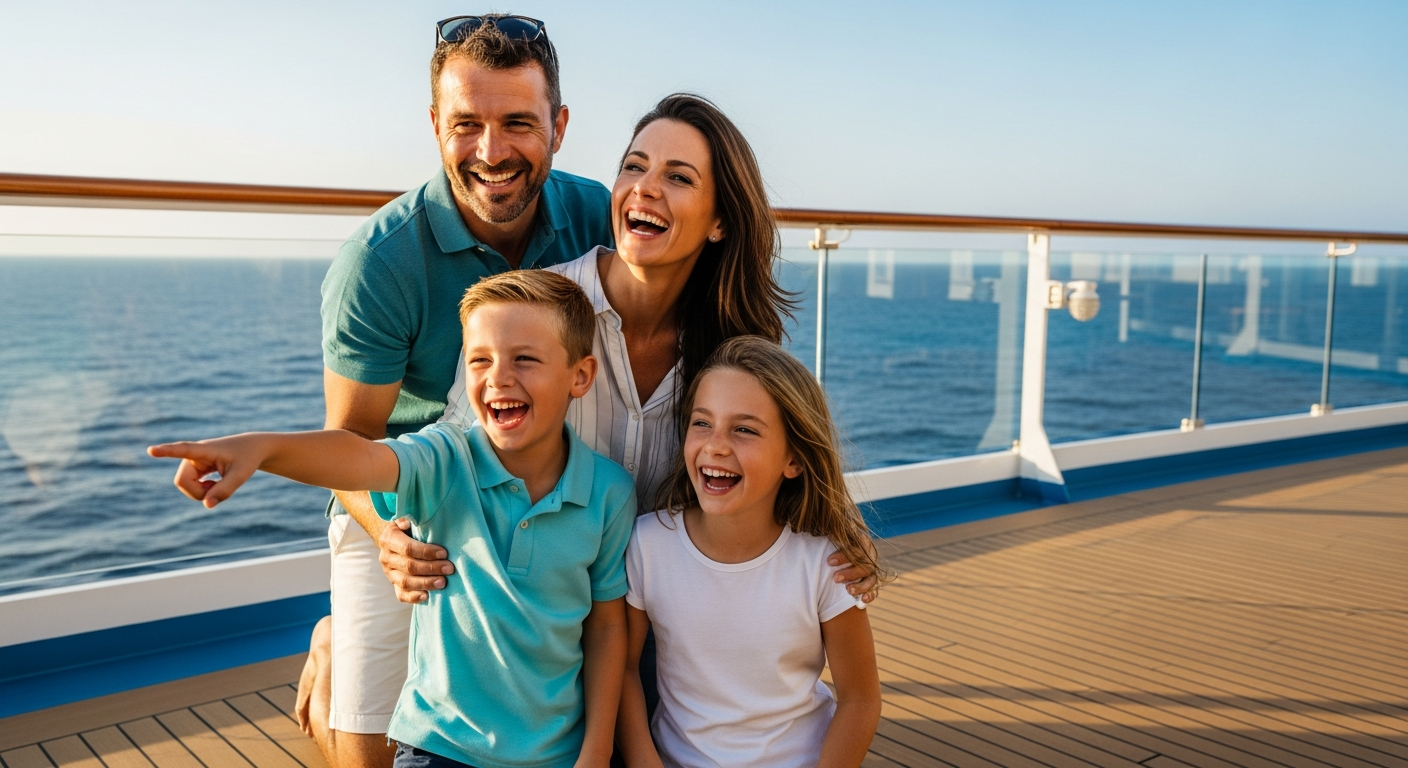
Imagine your kids racing down the longest dry slide at sea while you're sipping specialty coffee overlooking the Mediterranean—without breaking the bank. The MSC World Europa transformed family cruising when it launched in late 2022, becoming Europe's largest year-round cruise ship. This World Class vessel carries nearly 7,000 passengers across 22 decks, creating a floating city that operates on a completely different scale than traditional cruise experiences.
A ship this massive can feel overwhelming when you're planning your first mega-ship voyage with your family. The sheer number of passengers, dining options, and activities scattered across multiple decks requires a strategic approach to avoid exhaustion and hidden costs. Discover how to book your MSC World Europa cruise and start planning your family adventure today.
Throughout this guide, you'll find family-specific strategies for maximizing your experience on this innovative vessel. From identifying which entertainment zones work best for different ages to budgeting hacks that keep specialty dining charges reasonable, these insights will help you navigate the World Europa with confidence. Whether you're traveling with toddlers, teenagers, or multi-generational groups, this comprehensive approach ensures every family member finds their rhythm on this remarkable ship.
Family-Friendly Deck Navigation: Finding Your Rhythm on a 22-Deck Mega-Ship
Understanding deck assignments and which areas work best for different age groups
The MSC World Europa's 22 decks can feel like a maze without a clear strategy. Decks are numbered from the bottom up, with lower decks housing engine rooms and technical areas, while mid-range decks contain the majority of staterooms. Upper decks feature the pool areas, water park, and outdoor spaces. Understanding this vertical geography helps families minimize wandering and maximize time enjoying activities rather than navigating hallways.
Guest staterooms typically occupy decks 6 through 16, arranged by cabin type and location. Families with young children often benefit from mid-deck cabins closer to kids' clubs and family dining areas, reducing travel time during urgent bathroom needs or entertainment transitions. Upper decks (17-22) house premium attractions like the water park, Venom Drop slide, and specialty entertainment venues, making them natural gathering points during daytime hours.
Identifying family zones versus adult-only retreats like the MSC Yacht Club to plan your daily route
The MSC World Europa deliberately segregates spaces to serve different traveler types. Family zones cluster around the kids' clubs, buffet restaurants, and main theater areas, typically occupying decks 8-12. These areas hum with activity, noise, and energy throughout the day—perfect for families seeking constant engagement but potentially overwhelming for those seeking quiet moments.
Adult-only retreats like the MSC Yacht Club occupy exclusive sections with restricted access, featuring private pools, premium lounges, and specialty dining reserved for Yacht Club guests. These sanctuaries provide families with a clear understanding of where to find peaceful spaces and where the action concentrates. Standard cabin guests can occasionally access certain adult areas during specific times, allowing parents brief respite from family-zone intensity.
Mapping out quick routes to dining venues, kids' clubs, and entertainment theaters to minimize exhausting hallway marathons
Before your cruise begins, study the ship's deck plans available on MSC's website. Identify the fastest routes from your cabin to the main dining room, kids' clubs, and primary theater—the locations you'll visit most frequently. On your first day aboard, walk these routes in person, noting elevator locations, emergency exits, and shortcut corridors. Many families find that taking slightly longer routes that avoid main thoroughfares during peak hours actually reduces overall stress.
Note which elevators serve which deck ranges. The World Europa has multiple elevator banks, and using the correct bank dramatically speeds navigation. Familiarize yourself with alternate stairwell locations for times when elevators experience heavy traffic. Understanding these shortcuts separates families who spend vacations frustrated and rushing from those who move through the ship effortlessly.
Recognizing peak traffic times at elevators and main gathering spaces during sea days
Sea days—when the ship remains at sea rather than docking at ports—concentrate passenger activity on the vessel itself. Morning rush hours (7-9 AM) bring queues at the buffet and elevators as everyone prepares for the day. Late morning (10 AM-12 PM) sees heavier pool and water park usage. The pre-dinner period (5-7 PM) creates bottlenecks at elevators as passengers head to their cabins to dress for dinner.
Mid-afternoon (2-4 PM) and late evening (10 PM onward) represent sweet spots for accessing popular amenities with minimal crowds. These timing insights allow strategic families to enjoy pool time when queue lengths stay manageable and buffet lines move quickly. Planning your daily schedule around traffic patterns rather than against them transforms the cruising experience.
Entertainment Tailored to Every Age: Beyond the Theater Shows
Kids' clubs segmented by age with daily programming schedules for toddlers, elementary, tweens, and teens
The MSC World Europa's kids' programming represents one of the ship's strongest family features. The facility operates as a mini resort unto itself, with separate zones designed for toddlers (ages 3-6), elementary kids (7-12), and teens (13-17). Each age group enjoys programming specifically designed for their developmental stage and interests, meaning parents can actually relax while confident their children are appropriately supervised and genuinely entertained.
Toddler programs focus on sensory play, storytelling, and low-key activities. Elementary programs balance structured activities like arts and crafts with outdoor games and movie time. Teen zones feature gaming tournaments, sports competitions, dance parties, and social activities that appeal to adolescent interests. Programs run throughout the day, including dedicated meal times where kids eat together under supervision, freeing parents for adult-only dining experiences.
Water park attractions and the Venom Drop slide with age restrictions, wait times, and best visiting times
The Venom Drop stands as the longest dry slide at sea, spanning multiple decks of pure adrenaline. This attraction generates excitement (and extensive wait times) throughout the day. Height and age restrictions apply—typically children under 12 require parental supervision, and minimum height requirements exclude the smallest passengers. Early morning visits, immediately after the pool area opens, offer the shortest Venom Drop queues, sometimes dropping to 10-15 minutes compared to 45-minute afternoon waits.
The broader water park includes multiple pools, family slides, and splash areas for younger children. Understanding which slides require adult supervision versus those designed for independent use helps coordinate family water time efficiently. Aqua-based attractions tend to reach peak congestion around 11 AM-2 PM on sea days, making early morning or late afternoon visits considerably more pleasant.
Teen-specific venues including gaming lounges, sports bars, and late-night entertainment options
Teenagers often feel lost on massive cruise ships, caught between kids' club programming and adult nightlife. The World Europa addresses this gap with genuine teen-focused entertainment. Gaming lounges feature competitive gaming tournaments, bowling, and virtual reality experiences. Sports bars provide casual hangout spaces where teens can socialize without parental oversight. Late-night entertainment includes teen dance parties, karaoke competitions, and music venues featuring genres appealing to younger audiences.
These dedicated teen spaces grant parents legitimate adult vacation time while ensuring teenagers remain engaged and supervised in age-appropriate environments. Many families report this teen programming as the differentiating factor making the World Europa superior to smaller ships for multi-generational trips.
Specialty shows and theater productions suitable for families versus adult-oriented evening outings
The World Europa hosts multiple theaters with different show schedules throughout the day and evening. Matinee performances and early evening shows cater to families, featuring family-friendly productions with humor appealing across age groups. Later evening performances (9:30 PM+) often contain adult-oriented humor and content better suited to parents-only outings.
Reviewing the daily program upon arrival helps families select shows matching their preferences. Booking preferred seating in advance ensures your group sits together and secures prime viewing locations. Some evening shows extend into late night, meaning earlier performances work better for families with young children requiring reasonable bedtimes.
Dining Strategy: Maximizing Value While Keeping Everyone Fed
Included dining venues like the main dining room, buffet, Luna Pizza, and Burger Bar
Your cruise fare includes multiple dining venues, and strategic families maximize value by understanding which included restaurants best serve their situations. The main dining room offers formal dining with assigned seating at set times. The buffet provides maximum flexibility and variety, though crowding during peak hours can challenge families with young children. Luna Pizza and the Burger Bar offer casual, quick dining perfect for families seeking flexibility over formality.
Most families find a blend of venues works best: formal dining room dinners once or twice weekly to create special memories, buffet lunches for variety and independence, and casual venues for relaxed breakfast and lunch periods. Understanding that these restaurants are fully included in your cruise fare removes temptation to spend additional money on specialty alternatives every meal.
Specialty restaurant pricing analysis and which premium dining experiences offer genuine family value
Specialty restaurants charge additional fees per person—typically $15-40 per diner depending on the venue and dining experience. For a family of four dining together, one specialty experience costs $60-160 beyond your base fare. Over a week-long cruise, frequent specialty dining can easily exceed $500-1000 in additional charges.
Select specialty restaurants offering authentic value rather than simply premium pricing. Italian restaurants, steakhouse experiences, and cuisines unavailable in your home region represent worthwhile splurges. Conversely, specialty restaurants offering slight variations on included dining themes rarely justify the premium. Many families successfully limit specialty dining to 1-2 experiences weekly, creating special memory moments without budget overruns.
Breakfast and lunch strategies to avoid dinner-time crowds and long waits
Breakfast and lunch represent the least crowded meal periods on cruise ships. Families who eat dinner during off-peak times (5:30 PM or 8:30 PM rather than the popular 7-7:30 PM seating) experience shorter waits and more relaxed atmospheres. Conversely, breakfast and lunch service extends across multiple hours with staggered attendance, creating naturally shorter queues.
Strategic families might enjoy a leisurely buffet breakfast while the ship remains relatively quiet, reducing stress from crowded dining experiences. Lunch at the buffet often feels more manageable than dinner, with shorter lines and calmer atmospheres. This approach satisfies dining needs while minimizing the frustration associated with peak-time crowds.
Drink package comparison and budgeting tactics to prevent surprise specialty venue charges
Beverages on cruise ships incur additional charges beyond the base fare. Water, coffee, and tea are complimentary, but specialty coffee drinks, alcohol, and premium beverages require payment. MSC offers drink packages providing daily allowances, typically ranging $10-15 per person daily for non-alcoholic packages and $30-40 for packages including alcohol.
Families should carefully calculate whether drink packages represent genuine savings. If your family rarely purchases beverages beyond complimentary options, packages add unnecessary expense. Conversely, if teenagers order specialty coffee drinks and adults enjoy evening cocktails, packages offer predictable budgeting and actual savings. Establishing family guidelines before boarding—such as "specialty drinks only on formal dining nights"—prevents surprise charges from accumulating.
Cabin Types and Configurations: Choosing the Right Space for Your Family
Interior stateroom layouts and whether they work for families with multiple children
Interior staterooms offer the most budget-friendly accommodation, featuring no windows but reduced pricing. For families prioritizing onboard time in the ship's extensive facilities over cabin comfort, interior cabins provide functional sleeping quarters without premium costs. Most interior cabins accommodate 2-3 people comfortably, with sofa beds or upper berths for additional family members.
Interior cabins work adequately for families with older children who spend minimal time in the cabin. Young children requiring frequent cabin access for naps and bathroom breaks may find interior cabins claustrophobic and limiting. Consider your family's cabin habits—do you return frequently throughout the day, or do you mostly sleep there? This honest assessment determines whether interior cabins work for your situation.
Oceanview and balcony cabins value proposition for families spending time in their rooms
Oceanview cabins feature portholes or small windows providing natural light and visual connection to the sea, improving the cabin experience considerably compared to interior options. Balcony cabins add private outdoor space where family members can enjoy fresh air without navigating crowded pool decks. These amenities justify premium pricing if your family values cabin time, particularly for families with young children requiring frequent rest periods.
Balcony cabins create personal retreats where parents can supervise outdoor play while enjoying adult conversation. For multi-generational trips, balcony cabins offer grandparents dedicated outdoor rest space. If your family plans to spend meaningful time in the cabin—morning relaxation, afternoon naps, evening wind-down—oceanview and balcony options enhance the overall experience.
Family suite options with connecting cabins for multi-generational groups
The World Europa offers family suite configurations connecting two staterooms, ideal for multi-generational travel. These setups allow grandparents, parents, and children to maintain semi-independence while staying connected. Teenagers appreciate their own sleeping space while remaining supervised, and parents gain private adult space for evenings and mornings.
Connecting cabins add significant expense compared to single large cabins but provide flexibility and privacy advantages, particularly for extended trips. If your family includes three or more generations, connecting cabins often transform the vacation from stressful to genuinely enjoyable by respecting individual space needs while maintaining group cohesion.
MSC Yacht Club premium accommodations with exclusive benefits like private pools and priority dining
The MSC Yacht Club represents the ship's premium tier, offering exclusive access to private pools, priority restaurants with shorter waits, concierge service, and premium amenities. Yacht Club guests enjoy significantly reduced specialty dining prices, priority show and activity booking, and a more intimate community within the mega-ship environment.
For families seeking to minimize the "mega-ship overwhelm," Yacht Club accommodations essentially create a boutique ship experience within the larger vessel. Exclusive restaurants reduce dining crowds, priority activity booking secures preferred show times and experiences, and private pool areas offer genuine relaxation. The premium pricing reflects genuine value through reduced wait times, simplified dining experiences, and superior service levels. Families with flexible budgets often find Yacht Club accommodations justify their cost through stress reduction and enhanced vacation quality.
Budget Breakdown: What to Expect Beyond the Base Fare
Base cruise fare components and what's typically included in advertised pricing
MSC advertises cruise fares representing the base cost per person, which includes the cabin and onboard accommodations. Gratuities (service charges), specialty dining, alcoholic beverages, premium activities, and port excursions typically fall outside the advertised price. Understanding this distinction prevents sticker shock when your final bill arrives post-vacation.
Base fares vary dramatically based on travel season, cabin type, voyage length, and itinerary. Mediterranean itineraries during summer months command premium pricing, while shoulder-season sailings (spring and fall) offer better value. Booking during promotional periods or through travel agents familiar with MSC pricing patterns often uncovers significant savings on base fares, making these strategic booking decisions financially meaningful.
Specialty dining surcharges and how they accumulate across a 7-day voyage
A 7-day cruise offering three daily meals presents 21 total meal opportunities. If a family of four dines at specialty restaurants for just two meals, they incur $120-320 in additional charges. For families treating specialty dining as occasional splurges, these costs remain manageable. However, families viewing specialty restaurants as primary dining options face surprise charges of $500-1500+ by cruise completion.
Before boarding, establish family dining guidelines: perhaps specialty dinners on formal nights, casual buffet meals otherwise. Communicating these boundaries to your family prevents daily negotiations about restaurant choices and unexpected expense accumulation.
Premium beverage packages versus à la carte drink costs and gratuities
Beverage charges accumulate differently based on family habits. A specialty coffee drink costs $5-7 daily; over a week, that represents $35-49 per person. Alcoholic beverages ($8-15 per drink) escalate costs rapidly. Gratuities, automatically added to most onboard purchases, add 15-18% to specialty restaurant and bar charges.
A family purchasing specialty drinks daily without a package pays $200-300 weekly in beverages plus gratuities. Premium beverage packages ($70-280 weekly per person) provide value only for families regularly purchasing beverages. Before booking, honestly assess your family's beverage habits. Will teenagers order specialty coffee drinks? Do adults enjoy daily cocktails? Will you purchase bar drinks during sea days? Truthful answers guide package decisions.
Shore excursion costs and money-saving strategies through booking timing and promotional offers
The MSC World Europa docks at Mediterranean ports providing excursion opportunities. MSC-organized excursions typically cost $50-150 per person for half-day experiences and $100-250 for full-day activities. A family of four could spend $400-1000 on excursions across a week's itinerary.
Money-saving strategies include booking excursions well before cruise departure when early-bird discounts apply, or independently arranging activities through local operators at port rather than through MSC. Some ports offer free or low-cost attractions accessible without organized excursions. Book your World Europa adventure now and explore Mediterranean ports with insider tips for maximizing every destination.
The Crowding Reality: Strategies for Enjoying a 7,000-Passenger Ship
Understanding passenger capacity and realistic crowd expectations during peak versus shoulder seasons
The MSC World Europa carries nearly 7,000 passengers—equivalent to a small town onboard. Understanding realistic crowd expectations prevents disappointment. During peak summer months (July-August), the ship typically operates near or at full capacity. Every pool, every buffet, every theater reaches congestion levels. Families seeking more intimate cruising experiences should avoid peak season.
Shoulder seasons (April-June, September-October) offer considerably better value and more manageable crowds. The ship operates at 60-80% capacity during these periods, with noticeably shorter waits and less competition for amenities. A family of four might find the shoulder-season experience genuinely different—shorter dining waits, accessible pool deck space, and more relaxed atmospheres overall.
Best times to access popular amenities like pools, buffets, and theaters without overwhelming queues
Strategic timing eliminates the crowding reality for families willing to adjust their schedules slightly. Pool areas experience minimal congestion before 10 AM and after 5 PM. Arriving for breakfast between 7-8 AM grants access to relatively short buffet lines. Evening shows enjoy shorter lines and better seating if booked during initial sailings rather than late-night performances.
Understanding these timing patterns allows families to enjoy identical amenities and experiences with dramatically different crowd levels. A family choosing 8 AM breakfast over 10 AM breakfast simultaneously reduces dining stress, improves meal quality, and creates a more enjoyable morning tone.
Booking strategies for shows, specialty dining, and activities to secure preferred times
The most popular shows and dining times sell out quickly on mega-ships. Families should book specialty restaurants and priority activities immediately upon boarding—before seat inventory depletes. Most ships now allow pre-cruise booking through online systems, enabling advance reservations before boarding.
Early booking ensures preferred dining times, desired show performances, and better activity selections. Families who postpone bookings until on-ship often face "all optimal times fully booked" scenarios, requiring compromises on preferred scheduling.
Crowd-avoidance tactics for families seeking a more intimate experience on a mega-ship
Beyond timing strategies, specific actions create intimate experiences within the mega-ship framework. Exploring less-publicized decks and venues means discovering quieter lounges and smaller theaters offering shows with smaller audiences. Eating at off-peak times creates relaxed dining experiences even in high-capacity restaurants.
Forgoing the main pool for quieter specialty pools, visiting the water park during shoulder times, and selecting less-advertised dining venues all contribute to a more intimate experience. Families setting intentional expectations—recognizing this is a mega-ship while strategically accessing quieter alternatives—enjoy the World Europa's unique offerings while minimizing crowding frustrations.
Your Family's Perfect Floating Vacation Awaits
The MSC World Europa represents a genuine paradigm shift in what families experience at sea. This vessel isn't simply a larger version of traditional cruise ships—it's a floating city designed to accommodate diverse vacation styles within a single hull. Yes, nearly 7,000 passengers require strategic navigation, and specialty dining charges accumulate across a week-long voyage. Yet when you approach this mega-ship intentionally, something genuinely special emerges.
Your toddler splashes in the water park without you spending vacation time in admission lines. Your teenager discovers live music venues and connects with other young travelers without feeling abandoned in a kids' club. You actually enjoy adult time knowing your children remain supervised in age-appropriate spaces. The strategic insights throughout this guide—from cabin selection that matches your family's habits to timing your meals around crowd patterns—transform what could feel overwhelming into an orchestrated adventure that everyone remembers for the right reasons.
The MSC World Europa's innovative environmental design through LNG propulsion means your family vacation supports sustainable cruising. The 22-deck layout, diverse entertainment offerings, and multiple dining venues ensure variety rarely matches. Mediterranean year-round sailing means family vacations centered on unforgettable destinations. Armed with budgeting strategies limiting surprise charges, crowd-avoidance tactics preserving your sanity, and deck navigation knowledge eliminating exhausting hallway marathons, your family is prepared to transform this mega-ship experience into genuinely memorable vacation moments.
Leave a Reply