Introduction
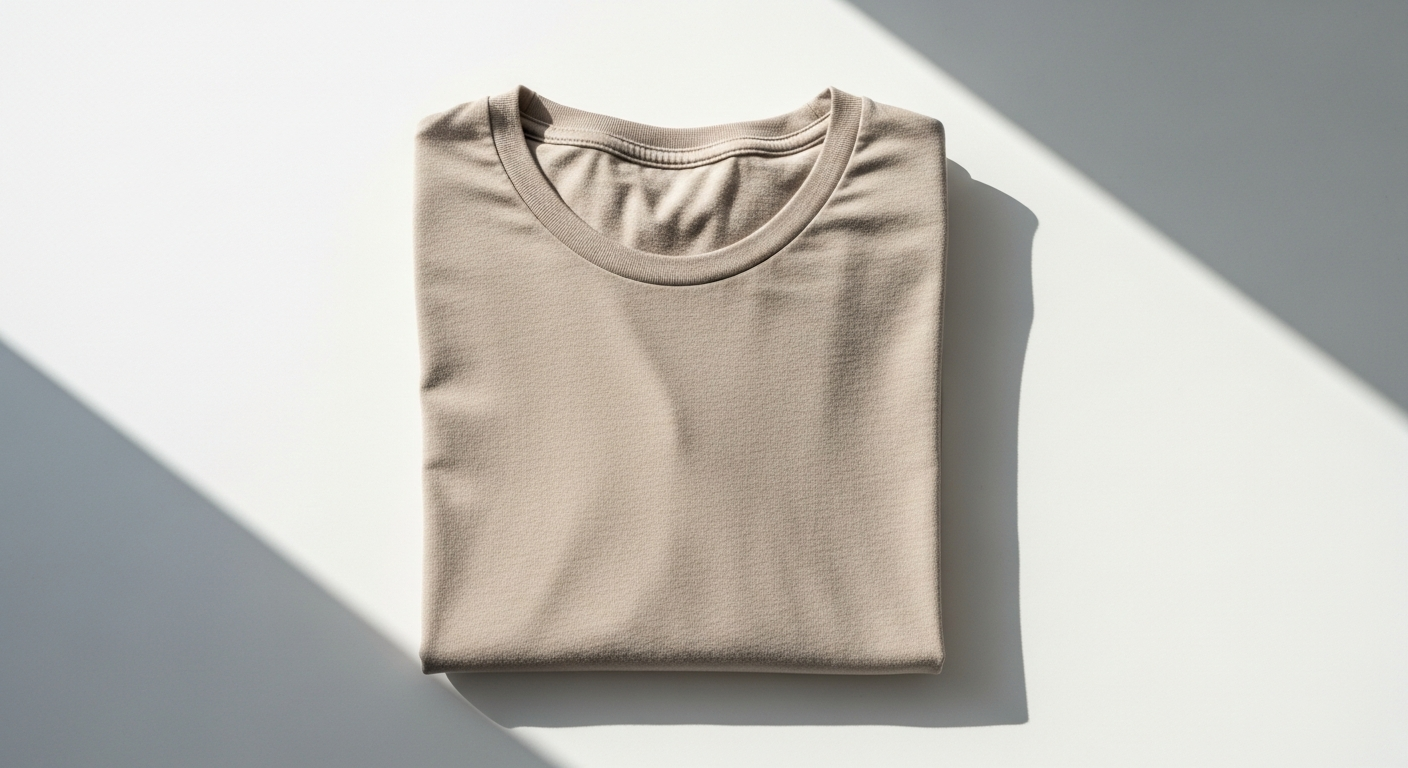
Custom apparel businesses have long relied on a trusted circle of manufacturers, and that pattern exists for compelling reasons. When quality matters and margins need protecting, sourcing decisions become strategic investments rather than mere transactions. The Circle Clothing Unisex Jersey Tee has earned its place in this inner circle through consistent performance, earning a 4.9 out of 5.0 rating from businesses that depend on reliability.
This 4.3 oz lightweight jersey serves multiple audiences simultaneously: print-on-demand entrepreneurs seeking their first bulk supplier, established brands protecting their merchandise quality standards, and everyday consumers hunting for the most comfortable tee in their closet. The convergence of these needs rarely happens, yet this particular blank tee manages it with remarkable ease.
Explore the full Circle Clothing Unisex Jersey Tee collection today. Throughout this guide, you'll uncover what makes this tee special: the fabric composition that delivers genuine comfort against your skin, the print-friendly construction that printers consistently praise, the extensive color and size range accommodating virtually any customer preference, and the pricing structure that transforms bulk orders into financially sensible decisions.
Why Print-Friendly Fabric Matters for Custom Apparel Businesses
Ink adhesion and color vibrancy on lightweight 4.3 oz cotton blends
The 4.3 oz weight creates an ideal substrate for ink application. Heavier fabrics often absorb ink unevenly, resulting in dull or muddy colors. This lightweight jersey accepts ink with precision, allowing colors to maintain their intended vibrancy even after repeated washing. The SoftLume combed and ring-spun cotton construction ensures fibers are properly aligned, creating a smooth surface that promotes even ink distribution.
How the 28-gauge knit construction prevents ink bleeding and distortion
The 28-gauge knit density strikes a crucial balance. Tighter knits can trap moisture and cause ink bleeding during curing, while looser constructions allow ink to spread beyond intended boundaries. This tee's knit structure provides stability without suffocation, keeping printed designs crisp and undistorted. Screen printers and DTG operators appreciate this consistency because it reduces the variables that typically cause failed prints.
Comparison to heavier tees that can muddy printed designs
Premium blank tees in the 5.5–6.0 oz range often promise superior durability but deliver compromised print quality. The extra weight creates absorption challenges, and thick fabric surfaces resist precise ink layering. The Circle Clothing jersey operates in a sweet spot where durability and printability coexist without sacrifice.
The advantage of SoftLume combed and ring-spun cotton for screen printing and DTG applications
Combed cotton removes short fibers that would otherwise interfere with ink saturation. Ring-spun construction adds additional twist to fibers, creating stronger yarn that resists pilling while maintaining softness. This combination proves invaluable for direct-to-garment printing, where ink needs to penetrate fabric fibers without damaging them, and screen printing, where ink sits on the surface waiting for cure and wash cycles.
Why heather color options offer unique printing possibilities
Heather colors introduce visual texture through their cotton-polyester blend (60% cotton, 40% polyester). Printers can leverage this texture for vintage-look designs, creating the appearance of aged or distressed prints without additional processing steps. The polyester content also provides unique ink adhesion properties, appealing to shops specializing in trendy, contemporary aesthetics.
Tear-away booklet neck label enabling seamless rebranding and custom neck tape applications
The removable neck label transforms white-label operations from tedious to practical. Brands can eliminate the original manufacturer label entirely or replace it with custom alternatives, creating a fully branded product. This feature matters significantly for businesses building their own brand identity or reselling under private labels.
Absorbency benefits that prevent ink pooling during the curing process
During heat-curing, moisture management determines print durability. Proper absorbency allows moisture to dissipate rather than pooling beneath the ink layer, which would compromise adhesion. The Circle Clothing jersey's fabric composition handles this naturally, reducing failed cures and costly reprints.
Discover why printers recommend this tee for every application.
Fabric Quality & Comfort: What Sets This Jersey Apart
100% combed and ring-spun cotton construction for solid colors offering superior softness
Solid color options feature pure cotton in its most refined form. The combing process eliminates impurities and short fibers, while ring-spinning adds mechanical strength without compromising feel. This creates fabric that softens with washing rather than degrading, building loyalty from customers who wear their tees repeatedly.
The Super Soft feel: what 145 GSM weight means for wearability
GSM (grams per square meter) directly correlates to fabric density and weight perception. At 145 GSM, this jersey achieves genuine softness without flimsy construction. Lightweight tees often feel insubstantial, while this one maintains structural integrity that inspires confidence. The 4.3 oz measurement translates to a tee that breathes freely while maintaining its shape through countless wears.
1×1 ribbed crew neck that maintains shape through repeated washing
The 1×1 ribbed construction—alternating single knit and purl stitches—creates elasticity that rebounds after stretching. Unlike 2×2 ribbed necks that gradually loosen, this design resists permanent deformation. Crew necks remain necklines that appeal universally across demographics and styling preferences.
Double-needle sleeve and bottom hems for durability and longevity
Double-needle construction involves two parallel passes of the needle, creating redundancy that prevents unraveling. Sleeve hems and bottom seams receive this reinforcement, ensuring the garment maintains integrity through years of use. This construction detail separates wardrobe staples from disposable fashion.
Side seams for a structured fit that flatters unisex silhouettes
Unisex sizing can sometimes result in shapeless fit. The side seams on this tee provide subtle structure that contours to the body without introducing gender-specific tailoring. This enables the same tee to look intentional on diverse body types, a crucial advantage for custom apparel businesses serving mixed audiences.
Moisture-wicking and breathability for all-day comfort
The lightweight fabric construction promotes air circulation, preventing heat and moisture buildup. Cotton's natural properties absorb perspiration and allow evaporation, maintaining comfort throughout the day. Polyester in heather options adds quick-dry characteristics, extending wearability in varied conditions.
How the lightweight fabric works across seasons and climates
A 4.3 oz tee functions as a standalone garment in warm weather and layers effectively under jackets in cooler months. This seasonal versatility extends the useful life of each tee and appeals to consumers in different climates. Businesses stocking these tees enjoy year-round demand rather than seasonal fluctuations.
Care instructions that preserve softness and color integrity
Proper care instructions matter because they determine whether customers' positive first impressions persist. Gentle washing in cool water, air drying, and avoiding bleach preserve both softness and color vibrancy. The fabric's construction withstands repeated laundering without deterioration, supporting the implied promise of longevity.
Sizing & Color Selection: Meeting Every Customer Need
Extended size range from XS to 6XL accommodating diverse body types
The XS to 6XL range eliminates sizing friction that typically plagues apparel businesses. Customers can reliably find their fit without resorting to sister brands or competitors. This inclusivity expands addressable market significantly, particularly for custom apparel operations where a single design might appeal to demographics spanning multiple body types.
59 unique color options including solids, heathers, and specialty finishes
Fifty-nine colors represent comprehensive coverage across color theory: warm neutrals, cool neutrals, bold primaries, soft pastels, and sophisticated heathers. This palette breadth means customers rarely settle for "close enough"—they find exact matches. For branded merchandise, color matching transforms from compromise to precision.
Solid color palette featuring classic neutrals and bold statement shades
Solid colors in 100% cotton appear richer and more vivid than heather alternatives. Neutrals like black, navy, white, and gray provide professional foundations, while jewel tones and earth tones offer personality without sacrificing versatility. This balance serves both conservative corporate buyers and creative independent brands.
Heather color options that appeal to vintage and trendy aesthetic preferences
Heather colors, with their cotton-polyester blend, create subtle texture and muted tones that resonate with contemporary aesthetics. Heather gray, heather navy, and heather charcoal feel lived-in and approachable, appealing to design-conscious consumers seeking authenticity over pristine perfection.
Consistency in dye lots for bulk orders and wholesale applications
Color consistency across batches prevents the frustration of receiving merchandise where colors vary noticeably. Wholesale buyers particularly value this reliability, knowing that a 1000-unit order will display uniform color throughout. This consistency supports business relationships built on predictability.
Color accuracy for brand matching and corporate merchandise requirements
Brands maintaining strict color specifications can trust that this tee's colors will align with pantone requirements and logo color matching needs. This accuracy prevents the expensive cycle of reprinting designs or reordering merchandise when colors miss brand standards.
How extensive color selection reduces the need for multiple supplier relationships
Rather than sourcing from three different manufacturers to access desired color ranges, businesses can consolidate to a single supplier. This simplifies logistics, improves inventory management, and strengthens supplier relationships through higher volume commitments.
Size inclusivity as a competitive advantage for custom apparel businesses
Businesses offering XS to 6XL gain competitive advantage in markets where competitors limit sizing. Event merchandise, team uniforms, and promotional campaigns benefit from knowing that designs translate across the full size spectrum. This inclusivity signals business values that resonate with modern consumers.
Wholesale Pricing & Bulk Order Economics
Starting price point of $3.99 per unit for cost-conscious buyers
At $3.99 per unit, the Circle Clothing jersey prices below many competitor alternatives while maintaining quality. This price point enables print-on-demand operators to maintain healthy margins even with competitive retail pricing. For nonprofits and budget-conscious organizations, affordability doesn't compromise quality.
Tiered pricing structure for volume purchases with typical wholesale discounts
Wholesale suppliers reward commitment through declining per-unit costs as order volumes increase. Higher quantities typically unlock better pricing, creating incentive to place larger orders and manage inventory strategically. This structure rewards growing businesses with improved profitability.
ROI potential for print-on-demand and custom apparel entrepreneurs
A $3.99 blank retailing at $15–$25 with custom printing creates substantial margin. Even accounting for printing costs, labor, and overhead, operators maintain 60–70% gross margins. This profitability model supports sustainable business growth and reinvestment.
Comparison to premium blank tee alternatives in the $5–$8 range
Premium tees often justify higher prices through marginal improvements in softness or perceived quality. For most applications, the Circle Clothing jersey delivers equivalent performance at significantly lower cost. Sophisticated buyers recognize that paying double for incremental improvements represents poor capital allocation.
Minimum order quantities and how they impact per-unit costs
Minimum order quantities typically range from 72 to 144 units depending on size and color selection. These minimums remain accessible for small operations while encouraging larger purchases that improve unit economics. Understanding minimum quantities enables accurate financial projections.
Bulk order logistics including shipping, handling, and inventory management
Efficient logistics matter because shipping often represents 15–25% of total product cost for smaller orders. Consolidating orders into fewer, larger shipments reduces per-unit shipping expense. Strategic inventory management prevents overstock while ensuring product availability when demand peaks.
Profitability margins for screen printers and embroidery businesses
Screen printers and embroidery shops operate on tight margins where blank apparel cost directly impacts profitability. At $3.99 per unit, blank costs represent a manageable percentage of final retail price, preserving margin even when offering competitive rates. This affordability supports shop profitability and competitiveness.
Budget-friendly options for nonprofits, teams, and event merchandise
Nonprofits operating on donated funds, youth teams with limited budgets, and event organizers appreciate pricing that maximizes impact. Custom tees become accessible for charity fundraisers, team uniforms, and promotional campaigns without requiring substantial budgets. This accessibility democratizes branded merchandise.
Customization Possibilities & Design Flexibility
Screen printing compatibility and ink saturation potential
The 4.3 oz cotton blend accepts screen printing ink reliably. Ink saturation reaches full depth within single passes, reducing the need for multiple hits that extend production time. The fabric's surface accepts ink uniformly, supporting both fine detail work and bold graphic designs without distortion.
Direct-to-garment printing for photorealistic designs
DTG printing requires fabrics that allow ink penetration while maintaining fiber integrity. The Circle Clothing jersey's combed and ring-spun cotton accepts DTG inks naturally, supporting photorealistic designs with color gradients and complex imagery. The lightweight construction prevents ink pooling that would muddy detail work.
Embroidery options and thread adhesion on lightweight fabric
While lightweight fabrics can challenge embroidery operations, the Circle Clothing jersey's construction supports thread adhesion when operators adjust settings appropriately. The 1×1 ribbed neck and reinforced seams provide stable foundations for logo embroidery without puckering.
Heat transfer and sublimation printing applications
Heat transfer vinyl and sublimation printing work effectively on this tee. The smooth fabric surface accepts transfers without air bubbles, and the fiber composition supports sublimation ink adhesion. Heat resistance of both cotton and polyester (in heather options) prevents damage during transfer application.
Custom neck labels and tag removal for white-label operations
The tear-away neck label allows complete removal and replacement with custom alternatives. This feature enables white-label operations where the final product bears only the reseller's branding. Neck label customization transforms generic blanks into proprietary products.
Bleach pen designs and tie-dye customization potential
The 100% cotton construction in solid colors responds well to bleach applications, enabling discharge dyeing techniques. Heather options provide visual texture that bleach designs can work with or against, depending on creative intention. This versatility supports artisan and small-batch customization.
Rhinestone and heat-set stone applications
Stone applications require stable fabric that won't distort under heat and pressure. The reinforced construction of this tee supports rhinestone applications without shifting or puckering. The smooth surface accepts adhesive reliably, supporting both professional and craft applications.
Multiple design placement options on chest, back, sleeves, and side prints
The unisex silhouette's generous dimensions accommodate diverse placement strategies. Front chest logos, full back graphics, sleeve prints, and side seam designs all translate effectively on this tee. This flexibility supports creative direction and brand expression across product customization.
Getting Started With Your Circle Clothing Order
The Circle Clothing Unisex Jersey Tee represents a genuine convergence of affordability, quality, and versatility. The 4.3 oz weight occupies that elusive sweet spot between durability and comfort, while the print-friendly construction ensures your designs translate beautifully onto fabric. With 59 colors, extended sizing from XS to 6XL, and a price point that makes bulk ordering economically sensible, this jersey eliminates friction from the process of finding reliable blank apparel.
Whether you're building a brand from scratch, launching merchandise to support your mission, or simply restocking your personal wardrobe, the Circle Clothing Unisex Jersey Tee delivers consistent performance and exceptional value. The high 4.9 out of 5.0 rating reflects what customers and businesses experience when quality meets affordability. The decision to source from Circle Clothing becomes not just practical but strategic—positioning your business for sustainable growth while ensuring your customers receive tees they'll actually wear repeatedly.
Start your Circle Clothing order now and experience the difference quality blanks make.
Leave a Reply