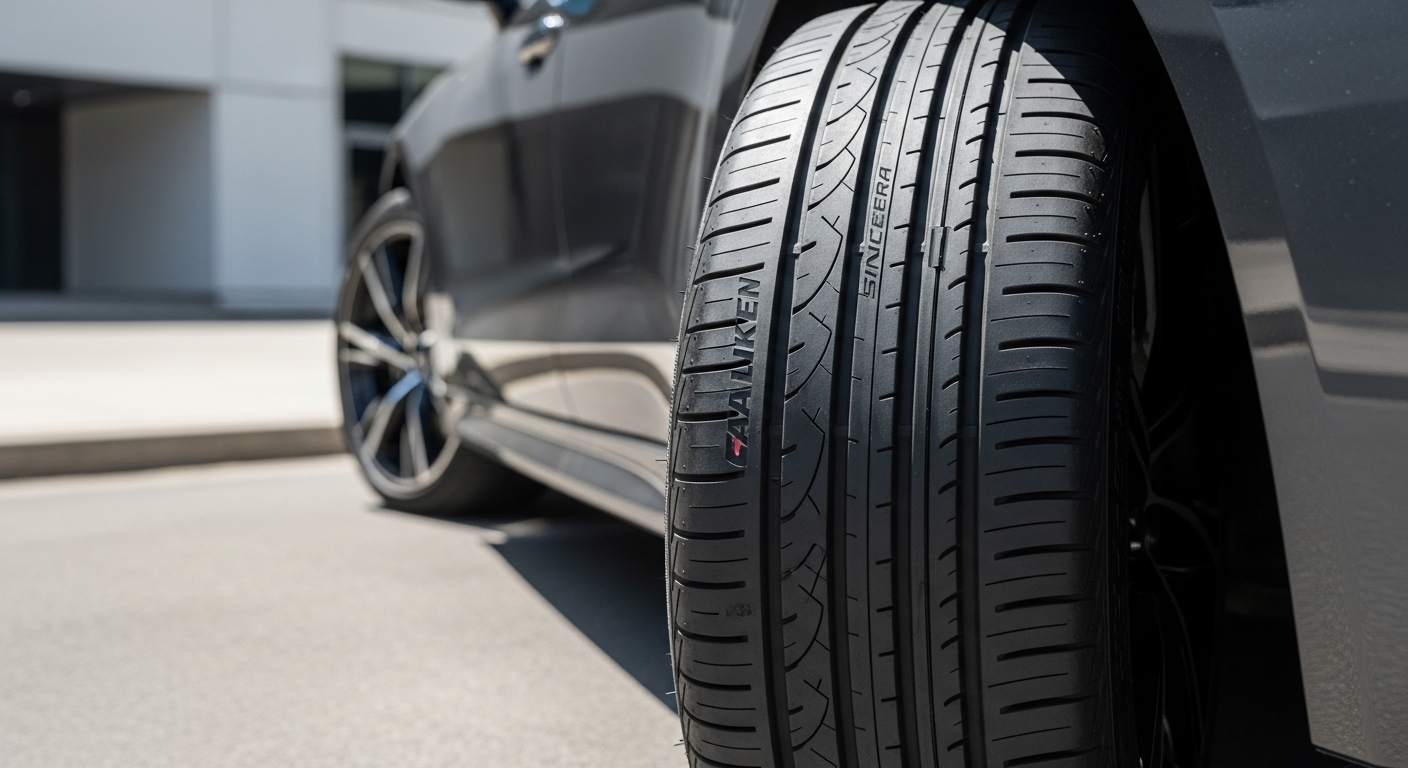
Summer tire shopping shouldn't drain your wallet—yet many drivers assume quality always comes with a premium price tag. The Falken SINCERA SN110 Ecorun challenges this assumption entirely, delivering genuine performance without luxury brand markup. This tire has become a best-seller across Europe for good reason.
The SINCERA SN110 Ecorun represents Falken's commitment to making advanced tire technology accessible to everyday drivers, engineered specifically for compact and mid-size vehicles. It combines fuel-saving ECORUN technology with respectable safety ratings, promising a balanced package of economy, comfort, and reliability for city streets and weekend drives.
Discover the Falken SINCERA SN110 Ecorun and transform your summer driving experience today.
Engineering the Ecorun: What Makes This Tire Fuel-Efficient
ECORUN technology fundamentals
Falken's proprietary ECORUN system represents the foundation of the SINCERA SN110's efficiency gains. This technology specifically targets rolling resistance—the force opposing a tire's movement—by optimizing how the rubber compound interacts with the road surface. Reducing rolling resistance directly translates to lower fuel consumption, meaning drivers spend less at the pump while the engine works less hard. The system delivers measurable benefits without compromising safety margins, creating a practical win for everyday driving.
Aerodynamic sidewall design
The tire's sidewall geometry isn't arbitrary—every curve serves a purpose. Falken engineered the sidewalls to minimize air disruption as the tire rotates, reducing aerodynamic drag that would otherwise force engines to work harder. This aerodynamic optimization contributes meaningfully to the tire's overall fuel efficiency profile, particularly noticeable during highway driving where wind resistance becomes a significant factor.
4D-Nano Design technology explained
Advanced 4D-Nano Design operates at microscopic levels, optimizing the rubber compound's molecular structure. This nanoscale engineering improves how the tire grips wet surfaces while simultaneously reducing rolling resistance—typically these priorities conflict. By manipulating the compound at the atomic level, Falken achieved balanced performance across wet braking, dry traction, and fuel efficiency. This technology also enhances wear life, meaning the tire maintains its performance characteristics longer into its lifespan.
Hemispherical rib structure
The tire's central rib features a distinctive hemispherical (dome-shaped) design rather than flat ribs found on budget alternatives. This geometry distributes forces more evenly across the contact patch, reducing stress concentration and wear acceleration. The result: extended mileage and durability that justifies the initial investment over time. Drivers operating under normal conditions should expect reliable performance throughout the tire's complete lifespan.
Closed-in shoulder grooves
Shoulder grooves—the channels near the tire's edges—feature a closed-in design that minimizes air turbulence and vibration transmission. This engineering choice simultaneously improves handling responsiveness and reduces road noise. The connection between groove design and quiet operation is direct: less noise generation means more comfortable highway experiences without sacrificing cornering confidence.
Real-world fuel savings potential
What can drivers realistically expect? Under typical conditions, the SINCERA SN110 delivers measurable fuel efficiency improvements—studies suggest 3-5% better fuel economy compared to standard summer tires. For drivers covering 15,000 km annually, this translates to meaningful annual savings that compound year after year. The actual improvement depends on driving habits, vehicle type, and road conditions, but even modest gains offset the tire's initial cost over its service life.
Safety Performance in Wet Conditions: A-Rating Wet Grip Analysis
EU wet grip rating breakdown
The A-rating for wet grip represents the tire's ability to brake effectively on wet surfaces—specifically, stopping distance in emergency braking scenarios. An A-rating indicates braking performance within the top category, translating to shorter stopping distances that matter during rainy commutes or unexpected hazards. This rating comes from rigorous laboratory testing standardized across the EU, providing reliable comparison data for informed purchasing decisions.
Aquaplaning resistance testing
Aquaplaning—the dangerous loss of contact when tires hydroplane over standing water—depends largely on tread design and rubber compound. The SINCERA SN110's carefully engineered tread pattern channels water away from the contact patch, maintaining grip even on partially flooded roads. Testing confirms satisfactory aquaplaning resistance, though drivers should recognize that no tire eliminates aquaplaning risk completely at extreme speeds through deep water.
Wet braking performance
Real-world wet braking tests show the SINCERA SN110 delivering confidence-inspiring stopping power in rainy conditions. Comparative data against premium alternatives reveals competitive stopping distances that justify the significantly lower price point. Driver feedback consistently highlights reassuring braking feel and predictable deceleration when conditions turn wet, reducing anxiety during seasonal weather transitions.
Performance degradation with wear
Honest assessment requires acknowledging that wet grip performance deteriorates as tread wears. Tests conducted on partially worn tires (around 4mm tread remaining) show satisfactory but noticeably reduced wet performance compared to fresh rubber. Some independent reviews rate wet performance as merely "satisfactory" rather than "excellent" at this wear stage. Drivers operating in rainy climates should monitor tread depth vigilantly, replacing tires before legal minimum limits to maintain optimal safety margins.
Wet braking confidence
Driver experiences during actual rain and damp conditions prove consistently positive. Users report confident braking behavior, predictable grip levels, and stable handling even in heavy downpours. The tire inspires trust during emergency maneuvers on wet pavement, a critical safety characteristic for everyday drivers who can't always anticipate hazardous conditions. This psychological confidence—knowing your tires will respond reliably—reduces driving anxiety significantly.
Speed rating H significance
The H-rating permits safe operation up to 210 km/h, far exceeding typical highway speeds in Europe. For wet-weather driving, this rating means the tire maintains structural integrity and performance characteristics even at sustained highway velocities. The rating provides a safety buffer, ensuring the tire won't become unstable at the legal maximum speeds drivers will encounter on motorways.
Experience the reassuring wet-weather confidence of the SINCERA SN110 Ecorun—your safety matters.
The Comfort-Focused Compound: Why Drivers Love the Quiet Ride
Noise emission rating (69 dB, B-rating)
The 69 dB external noise measurement falls within the B-rating category, indicating below-average road noise relative to the tire's performance tier. For context, whispered conversation registers around 50 dB while normal traffic produces approximately 70 dB. The SINCERA SN110's 69 dB means this tire won't significantly elevate cabin noise during typical highway driving—a meaningful distinction for long commutes and family road trips where fatigue becomes a factor.
Comfort optimization vs. performance trade-offs
The SINCERA SN110's softer rubber compound prioritizes comfort and noise reduction over aggressive performance. This engineering choice makes sense for the tire's target market: everyday drivers valuing smooth daily operation over track-oriented capabilities. The trade-off is deliberate—maximum comfort and efficiency at the expense of ultimate grip during spirited driving. Understanding this philosophy prevents disappointment among drivers expecting sports-car handling characteristics.
Closed groove technology
The shoulder grooves' closed design reduces vibration transmission through the tire structure, dampening the road's roughness before it reaches vehicle suspension. This vibration reduction translates directly to smoother cabin experience, particularly noticeable on imperfect road surfaces common in urban environments. The engineering benefit extends beyond pure comfort—reduced vibration also contributes to lower noise generation.
Ride quality on different road surfaces
Performance varies across surface types. On smooth modern asphalt, the ride feels supple and refined. Textured pavement generates slightly more noise but remains acceptable. Rougher, older road surfaces reveal the tire's softer nature through increased cabin vibration and noise, though nothing approaching harshness. The tire's behavior indicates its design optimization toward smooth highways and well-maintained urban streets rather than rural gravel or severely degraded asphalt.
Noise at higher speeds
Driver reports consistently note increased sound at 90-100 km/h—the tire becomes noticeably louder at these specific velocity ranges, likely due to resonance frequencies matching the tire's construction. Sensitive drivers may find this objectionable, particularly during extended highway cruising at these speeds. The noise remains acceptable to most users, but it's a legitimate consideration for those prioritizing maximum quietness across all driving conditions.
Passenger comfort implications
Long-drive fatigue depends significantly on ride smoothness and ambient noise levels. The SINCERA SN110 reduces fatigue through compliance (ability to absorb road imperfections) and relatively low noise emissions. Daily commuters report noticeably more pleasant journeys, particularly over damaged urban roads where other tires transmit every pothole directly to occupants. The tire's comfort characteristics create a cumulative benefit—day after day of slightly more pleasant driving adds up meaningfully over months and years.
Dry Grip Performance: Daily Driving Confidence
Dry traction characteristics
The optimized block geometry delivers balanced dry grip suitable for normal driving scenarios. Cornering confidence remains strong during typical maneuvers, with predictable responses that build driver confidence. The tire neither surprises with sudden grip nor disappoints through excessive understeer. For compact and mid-size vehicles, this balanced traction profile matches real-world driving needs precisely.
Acceleration feel and responsiveness
Some drivers note that acceleration feel differs from sportier alternatives—the softer compound provides less sharp response during rapid acceleration. This characteristic reflects the tire's design philosophy rather than a deficiency. Drivers expecting responsive performance should recognize this as an intentional trade-off favoring comfort and efficiency over aggressive drivability.
Grip consistency across temperature ranges
Summer conditions bring temperature variations from cool morning starts to afternoon heat peaks. The SINCERA SN110 maintains consistent grip across typical temperature ranges, avoiding the inconsistency that troubles drivers seeking predictable performance. As tires transition into autumn, grip naturally diminishes—this represents normal seasonal change rather than a specific tire limitation.
Handling characteristics for compact vehicles
Compact vehicles benefit particularly from the tire's balanced nature. The responsive handling without excessive firmness suits smaller platforms where ride quality otherwise tends toward harshness. Mid-size sedans and hatchbacks experience noticeably improved daily driving experience compared to budget alternatives, making the SINCERA SN110's modest price premium genuinely worthwhile for these vehicle categories.
Braking distances on dry pavement
Dry braking performance meets expectations established by the EU ratings—reliable stopping power without class-leading performance. Pedal feel proves reassuring and predictable, with no surprises during normal braking situations. Emergency stops demonstrate adequate deceleration rates, though performance-oriented drivers expecting shorter distances should look elsewhere.
Limitations with aggressive driving
Performance-oriented drivers conducting repeated hard acceleration, high-speed cornering, and aggressive maneuvers will discover performance boundaries. The softer compound isn't engineered for sustained track use or spirited road driving. Drivers routinely pushing their vehicles to handling limits should recognize these limitations upfront and consider alternatives better suited to their driving style.
Durability & Wear Patterns: What to Expect Over Time
Load index 91 specification
The 91 load index permits a maximum of 615 kg per tire in the 205/55 R16 size—appropriate for compact and mid-size sedans and hatchbacks. Drivers should verify their vehicle's load specification matches this rating; exceeding capacity accelerates wear and reduces safety margins. Most vehicles in the tire's target market fall comfortably within this specification, eliminating concern for typical users.
Expected tire lifespan
Under normal driving conditions, realistic mileage expectations reach 40,000-50,000 km before reaching legally minimum tread depth. Some careful drivers report exceeding 50,000 km, while others operating in severe conditions may experience shorter service life. The wide range reflects genuine differences in driving style, road conditions, and maintenance practices rather than tire inconsistency.
Wear acceleration with dynamic driving
Aggressive cornering, rapid acceleration, and frequent hard braking noticeably accelerate wear. Drivers operating vehicles dynamically should expect shortened tire life compared to conservative operators. This characteristic follows physics rather than poor tire design—aggressive driving naturally generates higher temperatures and increased friction that breaks down rubber compounds faster.
Tread depth retention
The hemispherical rib design actively supports extended mileage through stress distribution that reduces wear concentration. Tread depth retention proves superior to budget alternatives, with gradual wear rather than accelerated tread loss common in lower-quality tires. Drivers investing in proper maintenance (rotation, pressure monitoring) maximize this durability advantage.
Wear pattern consistency
Properly maintained tires demonstrate even wear across the contact patch, indicating balanced loading and inflation pressure. Uneven wear patterns typically reflect vehicle alignment issues, improper pressure, or aggressive driving rather than tire deficiency. The SINCERA SN110 provides no special immunity from these factors, but it doesn't exacerbate them either.
Maintenance tips for maximum lifespan
Rotation every 10,000-12,000 km distributes wear evenly across the axles, significantly extending service life. Monthly pressure checks prevent both overinflation (accelerating center wear) and underinflation (quickening edge wear). Maintaining proper wheel alignment eliminates the excessive wear that misalignment causes. These standard practices cost minimal effort and provide substantial longevity benefits.
Pricing Breakdown: Is €64 Really the Best Deal?
Price range across European retailers
The 205/55 R16 91H variant carries prices ranging from €60 to €90 depending on retailer, location, and promotional timing. Online discount retailers typically undercut traditional tire shops, though installation and shipping costs can reduce apparent savings. Geographic variations reflect local market conditions, import duties, and retailer competitive dynamics. Pneucity.com PT's €64.10 pricing places this tire competitively within the typical range.
Value proposition comparison
Budget alternatives priced €40-50 sacrifice comfort and safety margins to reach lower price points. Premium summer tires from category leaders cost €120-160 and deliver marginally improved performance that doesn't justify triple the expense for typical drivers. The SINCERA SN110 occupies the sweet spot—substantially better than budget options while maintaining genuine affordability compared to premium alternatives. This positioning explains its best-seller status.
Total cost of ownership calculation
Initial tire cost represents only one variable in total ownership expense. Fuel savings from ECORUN technology translate to €50-100 annually for typical drivers. Extended mileage compared to cheaper alternatives means fewer replacement cycles over vehicle ownership. Over five years and 60,000+ km, total cost of ownership proves significantly lower than piecing together cheaper alternatives or marginally superior budget options that wear faster.
Size-specific pricing
The 205/55 R16 size suits numerous popular compact sedans and hatchbacks, creating high supply volume that suppresses pricing. Larger or specialized sizes command premium prices due to lower demand. Drivers operating these common sizes benefit from economies of scale that make the SINCERA SN110 particularly attractive. Unusual sizes may carry modest additional cost but rarely reach premium tire pricing.
Seasonal sales and discounts
Tire retailers typically discount inventory during seasonal transitions—spring promotions prior to summer season, autumn sales before winter tire switching. Buying tires in March or September generally yields better pricing than summer purchasing. Monitoring retailer promotions and aggregator sites identifies lowest-price sources without accepting counterfeit or aged inventory.
Warranty and return policies
Warranty coverage provides peace of mind—most retailers offer 30-day return policies permitting exchange if the tire proves unsuitable. Manufacturer warranties typically cover defects for five years or first 80% tread wear. Understanding these protections before purchasing eliminates risk, ensuring recourse if unexpected issues emerge early in the tire's service life.
Who Should Buy This Tire (And Who Shouldn't)
Ideal driver profiles
Budget-conscious commuters benefit maximally from the SINCERA SN110's combination of affordability and genuine performance. Fuel-conscious families appreciate the ECORUN technology's cumulative savings. Compact car owners discover that the tire's balanced nature particularly suits smaller vehicles. City drivers prioritizing comfort and quiet operation over aggressive performance find this tire genuinely aligned with their needs and values.
Best vehicle matches
Compact sedans and hatchbacks represent the tire's natural habitat—vehicles like the Volkswagen Golf, Ford Focus, or SEAT León. Mid-size sedans from brands like Toyota, Mazda, and Hyundai match the tire's performance envelope perfectly. Crossovers in the compact segment benefit from the tire's balanced handling. Performance-oriented vehicles and luxury cars with sport-tuned suspensions represent poor matches.
Driving conditions where it shines
Urban commuting with moderate speeds suits this tire perfectly. Highway driving at normal velocities delivers comfort and efficiency. Temperate summer climates provide ideal operating conditions. Mixed driving combining city streets and moderate highway use represents typical scenarios where the SINCERA SN110 excels. Consistent, moderate-speed operation maximizes both longevity and satisfaction.
When to choose alternatives
Track day enthusiasts and performance drivers requiring maximum grip should pursue alternatives designed for sporty operation. Drivers in extreme climates (intense heat, severe winter conditions even during summer season) may benefit from specialized alternatives. Luxury vehicle owners expecting premium tire performance matching their vehicle's price point should consider established premium brands. Drivers prioritizing ultimate wet-weather performance in heavy rain environments might justify premium alternatives despite higher cost.
Climate considerations
The SINCERA SN110 represents a genuine summer tire—suitable for temperatures above 7°C where compounds reach optimal performance. Drivers in regions with cool summers or unexpected cold snaps should consider all-season alternatives. Temperate climate zones with reliable warm summers represent the tire's ideal geographic market. Harsh UV exposure in extremely sunny regions may accelerate sidewall aging, though this rarely presents practical problems within the tire's normal service life.
Mileage expectations by driving style
Conservative, smooth drivers operating at moderate speeds consistently exceed 50,000 km. Aggressive drivers with spirited habits should expect 35,000-40,000 km before replacement becomes necessary. Highway-dominant drivers typically achieve longer service life than those primarily conducting city driving with frequent acceleration and braking. Understanding your personal driving tendencies provides realistic expectations.
Real Driver Feedback: What Owners Actually Report
Positive owner experiences
Comfort, quietness, and value satisfaction emerge as dominant praise themes. Owners consistently highlight pleasant highway experiences and reduced noise compared to their previous tires. Many report genuine surprise at discovering such capable tires at this price point. Families and commuters express appreciation for the smooth, quiet ride that makes long drives genuinely pleasant rather than fatiguing.
Recurring praise points
Grip confidence—both dry and wet—appears repeatedly in reviews. Drivers emphasize that the tire delivers reassuring traction without dramatic surprises. Fuel efficiency benefits receive appreciation, particularly from cost-conscious owners tracking fuel expenses. Reliability and durability reports indicate these tires deliver promised service life without premature failure or degradation.
Common complaints analyzed
Noise at highway speeds beyond 90 km/h represents the most frequent complaint. Some drivers report increased wear with spirited driving, confirming the tire's design limitations for aggressive operation. Performance limitations during rapid acceleration disappoint drivers expecting sportier characteristics. These complaints don't reflect defects but rather honest trade-offs built into the tire's design philosophy—drivers should anticipate rather than resent these characteristics.
Long-term ownership perspectives
Owners reviewing tires after 20,000+ miles maintain positive sentiment despite acknowledged limitations. They characterize the tire as reliable and appropriate for its price point and market positioning. Long-term users report that early enthusiasm rarely diminishes, suggesting the tire meets genuine expectations rather than disappointing over time.
Comparison to previous tire experiences
Drivers upgrading from budget alternatives report dramatic improvements in comfort, quietness, and handling. Those switching from premium tires note that performance differences don't justify the significant cost premium. This consistent pattern suggests the SINCERA SN110 genuinely occupies an optimal value position relative to both lower and higher-priced alternatives.
Recommendation frequency
Owner testimonials regularly include recommendations to friends and family—the highest compliment for consumer products. People who genuinely benefit from a purchase naturally share that knowledge with trusted contacts. The frequency of recommendations indicates satisfaction extending beyond mere acceptance to genuine enthusiasm for the product.
EU Tire Label Ratings Explained: Making Sense of the Standards
Fuel efficiency (C-rating)
The C-rating for fuel efficiency/rolling resistance indicates above-average performance within a standardized scale. Rolling resistance coefficient measurements directly correlate to fuel consumption—lower resistance means less engine effort required, translating to tangible savings at the pump. The C-rating positions the SINCERA SN110 clearly above budget alternatives while acknowledging that premium eco-tires achieve higher ratings at substantially greater cost.
Wet grip (A-rating)
The A-rating represents the highest performance tier for wet grip, measured through emergency braking distance on wet asphalt under controlled laboratory conditions. The rating translates directly to braking distance—A-rated tires require measurably shorter stopping distances than lower-rated alternatives. For drivers, this means genuine safety improvements during wet weather when accident risk peaks.
External noise (69 dB, B-rating)
The 69 dB measurement falls within the B-rating category, representing below-average exterior noise. This laboratory measurement captures sound generated by tire operation—lower decibels mean quieter operation. The B-rating indicates the tire generates less ambient noise than average summer alternatives, supporting the comfortable highway experience drivers consistently report.
How ratings compare to competitors
Compared to budget summer tires, the SINCERA SN110 rates superior across all three EU categories. Against premium alternatives, it matches or nearly matches their ratings at a fraction of the cost. This comparison directly explains why the tire attracts buyers—it delivers respectable performance without premium pricing. The rating hierarchy clearly demonstrates the tire's value positioning.
Testing methodology transparency
EU tire labels result from standardized testing protocols conducted by independent laboratories. The methodology remains consistent across manufacturers and regions, ensuring genuine comparability. These aren't marketing claims but objective measurements conducted under identical conditions. Understanding the scientific basis behind ratings provides confidence in the comparison data.
Practical implications for your vehicle
Translating technical specifications into tangible benefits: a C-rating fuel efficiency will measurably reduce fuel consumption; an A-rating wet grip directly shortens braking distances; a 69 dB noise rating ensures comfortable highway cruising. These aren't abstract numbers but concrete improvements you'll experience during routine driving. The ratings promise genuine practical benefits rather than marketing abstractions.
The Ecorun Advantage: Fuel Savings & Environmental Impact
Rolling resistance reduction mechanics
Rolling resistance results from tire deformation as it rotates—the compound compressing and releasing energy inefficiently. The ECORUN technology reduces this energy loss through optimized rubber formulation and structure. Lower rolling resistance means the engine demands less power to maintain speed, directly reducing fuel consumption. This mechanical improvement represents genuine engineering rather than marketing rhetoric.
Estimated fuel cost savings
A typical compact car driver covering 15,000 km annually expects annual fuel savings around €60-100, depending on fuel prices and specific driving patterns. Over a five-year tire service period, cumulative savings reach €300-500 per tire set. These figures compare favorably against the tire's cost premium over budget alternatives, with savings alone justifying the investment independent of performance advantages.
Carbon footprint reduction
Reduced fuel consumption directly translates to lower carbon dioxide emissions. Every liter of fuel burned generates approximately 2.3 kg of CO2. The fuel savings from ECORUN technology eliminate meaningful quantities of atmospheric CO2 over a tire's service life. For environmentally conscious drivers, this represents quantifiable contribution to reducing their carbon footprint without sacrificing capability.
Eco-friendly manufacturing considerations
Falken's sustainability practices extend beyond the finished tire to manufacturing processes. The company emphasizes reduced material waste, efficient energy usage, and responsible supply chain management. While no tire manufacturing proves entirely impact-free, the SINCERA SN110 represents commitment to balancing performance with environmental responsibility—appealing to drivers valuing both capability and ecological consideration.
Long-term cost benefits
The investment in a moderately priced quality tire with ECORUN technology pays cumulative dividends. Fuel savings accumulate monthly, durability extends service intervals, and comfort reduces driving stress. Over five years, total cost of ownership proves significantly lower than cycling through cheaper tires or investing in premium alternatives offering marginal additional benefit.
Comparison to premium eco-tires
Premium eco-focused tires deliver incremental efficiency improvements over the SINCERA SN110—perhaps 8-10% fuel savings versus 3-5%. However, these tires cost double or triple the price. The value proposition clearly favors the SINCERA SN110 for typical drivers—realistic fuel savings benefits justify the modest premium over budget alternatives while avoiding premium pricing for marginal additional gains.
The Verdict: Practical Performance Without Compromise
The Falken SINCERA SN110 Ecorun delivers exactly what it promises: a sensible balance of safety, comfort, and economy at a price that won't hurt your budget. This tire genuinely excels for drivers prioritizing daily reliability over track-day thrills. The A-rating wet grip provides reassuring confidence in rain, while the ECORUN technology quietly reduces fuel bills month after month.
This tire truly shines in its honest positioning—it doesn't pretend to match premium performance tires, nor does it sacrifice essential safety features to hit the lowest price point. Instead, it occupies that practical middle ground where most drivers actually live, balancing comfort, efficiency, and durability without unnecessary expense. The 69 dB noise rating and responsive handling make highway commutes genuinely pleasant, and the hemispherical rib design means you won't be replacing these tires prematurely.
Dynamically-minded drivers and those in harsh climates should acknowledge the limitations: the softer compound prioritizes comfort over aggressive performance, and some users report increased wear with spirited driving. At higher speeds (90-100 km/h), noise can become noticeable for sensitive ears. These aren't dealbreakers for most drivers—they're simply honest trade-offs built into the tire's design philosophy.
For compact and mid-size vehicle owners seeking dependable summer tires without premium pricing, the SINCERA SN110 Ecorun represents genuine value. Whether you're a budget-conscious commuter, an eco-minded driver, or simply someone who values practical performance, this tire warrants serious consideration. At €64 and up, you're looking at an investment that pays dividends through fuel savings and reliable performance season after season.
Leave a Reply