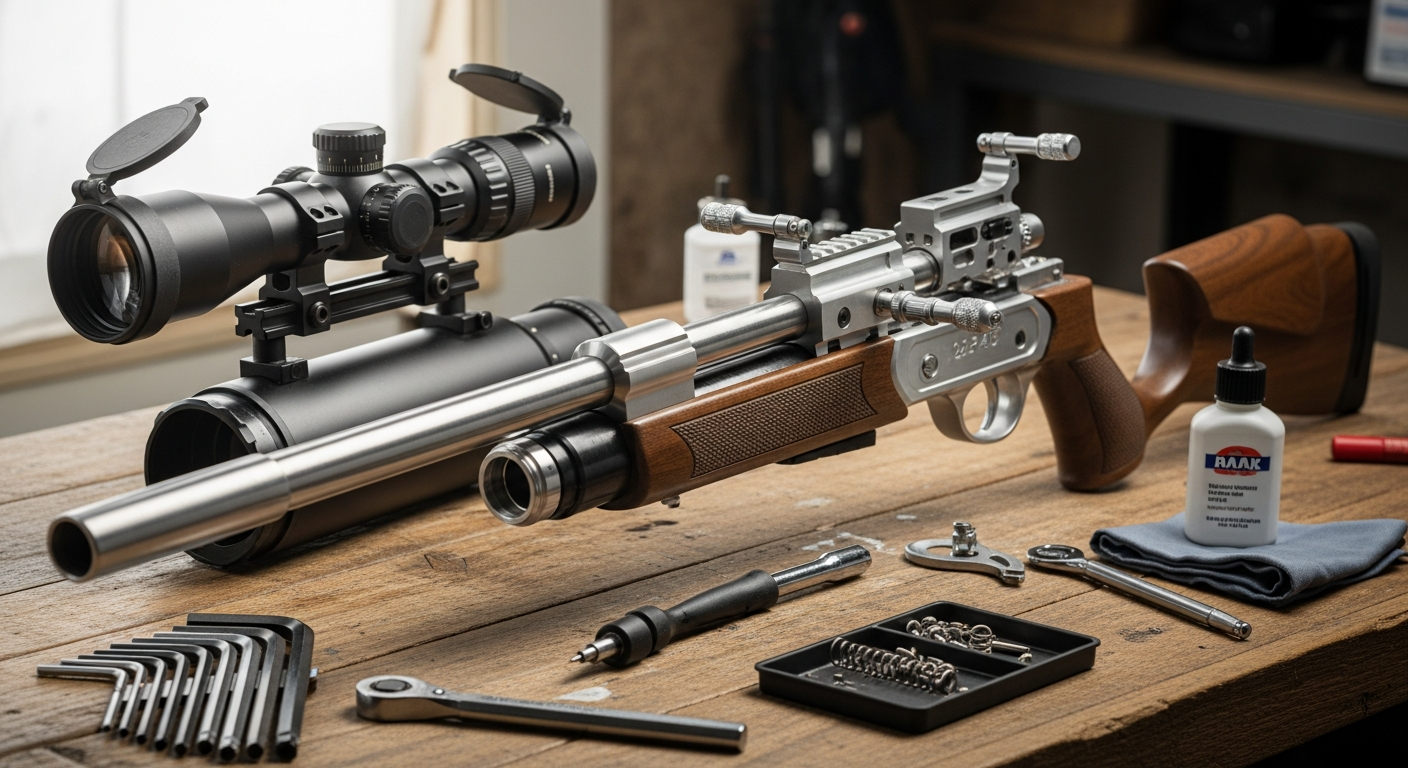
For less than the cost of a decent pair of sneakers, thousands of airgun enthusiasts have built custom precision shooters that rival guns costing three times the price. The Crosman 2240 CO2 pellet pistol—a simple, single-shot .22 caliber platform—has become the foundation for these remarkable transformations. What makes this budget-friendly pistol so magnetic to the airgun community? Its uncompromising ability to evolve.
From weekend plinking sessions to competition target shooting, the 2240's modular design opens doors that most budget airguns simply cannot touch. The airgun community has embraced this CO2-powered pistol for over a decade because it strikes an almost impossible balance between affordability and performance. Powered by readily available 12-gram cartridges, equipped with a steel barrel delivering consistent accuracy, and backed by an extensive aftermarket ecosystem, the 2240 has earned its place as the airgunner's airgun.
Start your 2240 customization journey with quality parts from trusted retailers today.
What truly separates the 2240 from competitors is the extensive aftermarket support and factory-friendly design that practically invites customization. Whether you're chasing accuracy improvements, exploring radical builds, or converting your pistol into a carbine, this guide maps out the modification landscape that makes the 2240 legendary among tinkerers and precision shooters. You'll discover which upgrades deliver genuine performance gains, how to navigate the conversion process, and what modifications align with your specific shooting goals.
Why the Crosman 2240 Became the Modder's Dream Platform
Inherent Design Philosophy Welcomes Upgrades
The 2240's architecture practically invites tinkering without demanding gunsmithing expertise. Factory designers built this pistol with accessibility in mind, meaning standard tools and basic mechanical aptitude unlock most modification possibilities. The straightforward bolt-action mechanism and exposed internals make component access straightforward compared to sealed designs that require specialty knowledge.
Decades of Community Development
An enormous parts ecosystem has grown around the 2240 since its introduction. Aftermarket manufacturers have created barrels, breeches, stocks, regulators, and internal components specifically engineered for this platform. This robust market ensures you're never hunting for obscure parts or forced to improvise solutions.
Reasonable Cost-to-Potential Ratio
Starting at $72.99 to $79.99, your initial investment is minimal, making even substantial upgrades remain financially sensible. Shooters can invest $200-$300 in meaningful performance gains without approaching the cost of alternative premium platforms. This affordability means modification experimentation carries less financial risk.
Documented Build Path
Countless forums, YouTube channels, and online guides document successful modifications and results. The collective knowledge base spanning decades of community experience means solutions to most challenges already exist. Experienced builders openly share their processes, specifications, and lessons learned.
Proven Durability Foundation
The 2240's track record demonstrates it handles modifications well. Unlike experimenting with fragile designs, your modifications build upon a stable, proven platform rather than fighting inherent design weaknesses. This reliability means custom work produces consistent improvements rather than introducing new problems.
Protected Investment Through Resale
A strong secondary market exists for both stock and modified 2240s. Your investment retains reasonable value if your shooting interests shift, making the customization journey less financially risky than investing in niche platforms with minimal resale demand.
Essential Barrel and Breech Upgrades for Accuracy Gains
Precision Barrel Options
Aftermarket manufacturers like Lothar Walther produce precision-rifled barrels engineered for tighter tolerances than factory options. These specialty barrels come in various lengths—from compact 9-inch configurations prioritizing portability to extended 18-inch setups maximizing velocity and sight radius. Matching barrel length to your intended use balances performance gains against handling characteristics.
Breech Design Improvements
Upgraded breech components reduce pellet deformation during loading and firing cycles. Factory designs can slightly compress pellets, introducing inconsistency; precision breeches maintain pellet shape throughout the firing sequence. This small improvement generates measurable accuracy gains, particularly at extended distances.
Rifling Twist Rate Considerations
Different pellet weights perform optimally with specific rifling characteristics. Heavier pellets (12-15.89 grains) benefit from tighter twists, while lighter ammunition (7-10 grain) performs better with faster, more aggressive twists. Matching your barrel's specifications to your preferred ammunition weight unlocks significant accuracy improvements.
Installation and Results
Most barrel and breech upgrades require only basic hand tools—no professional gunsmithing necessary. Quality upgrades typically reduce group sizes by 30-50% at 25 yards compared to factory configurations. Testing the factory barrel first through cleaning and polishing often delivers surprising accuracy improvements before spending on replacements.
CO2 System Optimization and Performance Enhancement
Regulator Technology
Standard CO2 systems deliver decreasing pressure throughout a cartridge's life, causing velocity fluctuations that destroy consistency. Aftermarket regulators maintain constant pressure throughout shooting sessions, eliminating these variations and producing dramatically more stable performance. Consistent velocity translates directly to tighter groupings and predictable shot placement.
Magazine and Feeding Systems
Upgraded magazines hold more pellets and integrate seamlessly with custom stocks and configurations. Advanced designs improve pellet feeding reliability and work with extended barrels without awkward geometry compromises. Magazine selection dramatically affects whether your 2240 feels like a pistol or a purpose-built rifle.
Power Level Adjustment
Modern aftermarket systems offer adjustable power outputs, allowing calibration for different pellet weights and shooting disciplines. Higher pressure settings suit heavier ammunition and extended-range work, while reduced settings preserve CO2 cartridge life for casual plinking. This flexibility means one gun serves multiple purposes through simple adjustments.
Efficiency Modifications
Properly tuned systems deliver 40-60+ consistent shots per 12-gram cartridge instead of the factory standard 25-35. Reducing air leakage through seal maintenance and precision component fitting extends cartridge life while reducing operating costs. Understanding how cold weather affects CO2 pressure helps you optimize seasonal performance.
Maintenance for Sustained Performance
Regular inspection and timely seal replacement prevents performance degradation from normal wear. This preventive approach maintains consistency and reliability far longer than reactive repairs following sudden failures. Experienced builders treat maintenance as essential rather than optional.
Converting Your Pistol Into a Carbine or Rifle Configuration
Stock and Handling Transformation
Slip-on stocks, fixed wooden designs, or tactical polymer options fundamentally transform pistol handling. A proper shoulder stock shifts the gun's balance forward, reducing fatigue during extended shooting while dramatically improving aim stability. The ergonomic improvement alone justifies stock investment for anyone shooting beyond casual plinking sessions.
Barrel Extension and Sight Radius
Longer barrels mounted via extension tubes increase velocity and extend the sight radius—the distance between front and rear sights—which improves aiming precision. Extension systems keep conversions fully reversible, allowing return to pistol configuration without permanent modification. This flexibility lets you experiment without commitment.
Accessory Integration
Picatinny rails enable scope mounting, laser attachment, and tactical accessory customization. Quality mounting systems hold zero reliably, transforming the 2240 from a iron-sight plinker into a precision optics platform. Rail positioning dramatically affects handling balance and overall ergonomics.
Comfort and Consistency Features
Ergonomic buttpads and cheekrest additions improve shooting comfort during extended sessions while enhancing consistency through better cheek weld and stock contact. These refinements transform casual shooting into extended practice without developing shoulder fatigue or neck strain.
Regulatory Considerations
Before committing to a build, verify local regulations regarding overall length, barrel length, and configuration restrictions. Some jurisdictions classify rifles differently than pistols based on specific measurements; understanding your local laws prevents legal complications. Most carbine conversions remain fully reversible if regulations shift or your interests change.
Advanced Modifications for Competitive and Precision Shooting
Trigger Enhancement
Aftermarket triggers reduce pull weight and creep for more precise shot release. Competition shooters particularly value triggers with minimal take-up, allowing predictable, surprise-break functionality. Trigger modifications require care during installation but transform the shooting experience once properly tuned.
Optical Systems and Mounting
Precision scope bases and quality rings enable accurate long-range target work beyond iron sight capability. Proper mounting maintains zero through repeated shooting sessions and environmental changes. Scope selection should match your intended range and accuracy demands.
Ammunition Precision Matching
Quality scope bases and quality rings enable accurate long-range target work beyond iron sight capability. Testing different pellet weights and CO2 pressures identifies your specific gun's velocity sweet spot. Matching premium ammunition to your upgraded barrel unlocks accuracy potential that standard pellets cannot deliver.
Ballistic Testing and Optimization
Systematic testing identifies which pellet brands, weights, and CO2 pressures produce optimal performance for your specific build. Documentation through velocity chronograph testing and group shooting at known distances builds objective data guiding future modifications.
Competition-Grade Integration
Heavy stocks and precision rests transform the 2240 into a legitimate competition platform. Aftermarket suppressors reduce report and recoil impulse, improving follow-up shot accuracy and reducing shooter fatigue. Advanced internal modifications targeting valve efficiency and consistency create exceptional performers competitive at regional competitions.
Budget-Conscious Modification Roadmap for Different Shooter Types
The Casual Plinker
Basic improvements—barrel cleaning, pellet sorting, and a quality scope—total under $150 while delivering noticeable accuracy gains. Simple maintenance and ammunition selection produce meaningful improvements without complex modifications. This approach suits shooters prioritizing reliability and straightforward functionality.
The Accuracy Enthusiast
Investment in an aftermarket barrel, upgraded breech, and precision scope totals $150-280 while creating a legitimate target shooter. Barrel selection represents the primary accuracy driver; quality breech and scope work synergistically to maximize that barrel's potential. This configuration transforms casual accuracy into competitive-level performance.
The Carbine Builder
Adding a stock, barrel extension, and rail system costs $110-280 while creating a fundamentally different shooting platform. Carbine configurations suit shooters valuing ergonomics and extended-range capability over ultimate accuracy. This build path emphasizes handling and comfort over precision optimization.
The Competition Shooter
Combining regulated CO2 systems, precision barrels, trigger work, and quality scopes creates exceptional performers competitive at regional events. Investment ranges $360-700 depending on component selection and internal modifications. This path demands mechanical skill and serious commitment to competitive shooting goals.
The Radical Modifier
Custom internal modifications, premium components throughout, and specialized engineering can exceed $1,000 for truly exceptional performers. This category attracts experienced builders chasing maximum performance regardless of investment. These guns represent pinnacle builds showcasing the 2240's modification potential.
Strategic Upgrade Sequencing
Identify which modifications deliver the most improvement for your specific shooting goals and budget. Generally, barrel selection drives primary accuracy gains; trigger work and scope selection amplify that improvement. Strategic upgrade ordering—barrel first, then trigger, then scope—maximizes performance relative to spending.
Common Pitfalls and What Experienced Builders Avoid
The Multiple-Modification Trap
Adding several upgrades simultaneously makes it impossible to identify which changes actually improved performance. Experienced builders implement single modifications and thoroughly test results before proceeding to next changes. This methodical approach isolates actual improvements from placebo effects and problematic interactions.
Maintenance Neglect
Internal wear from neglected seals and O-rings causes more problems than external modifications. Regular inspection prevents performance degradation from creeping up gradually. Proactive seal replacement maintains consistency far longer than waiting for obvious failures.
Compatibility Oversights
Not all aftermarket parts work together seamlessly. Researching compatibility before purchasing prevents frustrating installation problems and incompatible component combinations. Community forums and builder guides highlight compatibility issues before they become expensive mistakes.
Ammunition Quality Mismatches
Upgrading the barrel while shooting cheap pellets wastes the accuracy potential you just purchased. Premium barrels demand quality ammunition to demonstrate their capability. Pairing affordable upgrades with inadequate ammunition produces disappointing results that mask the upgrade's true potential.
Velocity Optimization Mistakes
Exceeding velocity sweet spots reduces accuracy and consistency rather than improving performance. Each gun exhibits an optimal velocity range where pellets stabilize best; pushing beyond this point destabilizes flight. Testing systematically identifies your gun's optimal velocity rather than assuming faster always means better.
Documentation Gaps
Keeping records of modifications, settings, and performance results guides future improvements and troubleshooting. Without documentation, diagnosing performance changes becomes guesswork. Detailed notes become invaluable when future modifications build upon previous work.
Permanent Modification Considerations
Some modifications cannot be undone; considering whether you might revert later prevents irreversible mistakes. Internal valve modifications might prove unnecessary once you've optimized other components. Building reversibly until you're certain of your direction prevents costly do-overs.
Mechanical Skill Requirements
Some modifications require precision mechanical skills; rushing the process damages components or produces poor results. Honestly assessing your capabilities prevents frustration and damage. YouTube documentation provides visual guidance, but some work genuinely requires hands-on experience or professional assistance.
Where to Source Parts and Join the 2240 Community
Specialist Retailers
AirGun Depot and Pyramyd Air stock factory parts and popular aftermarket components, providing reliable sourcing with established return policies. These retailers curate inventory specifically for serious builders rather than stocking generic components. Direct relationships with manufacturers often mean faster availability for popular upgrades.
Secondary Markets and Communities
eBay, Facebook groups, and specialty forums connect you with custom builders and hard-to-find parts unavailable through traditional retail. Emerging community of designers creates custom stocks, rails, and adapters through 3D printing, offering customization possibilities unimaginable a few years ago. These platforms facilitate direct builder-to-shooter connections.
Premium International Sources
European manufacturers like Lothar Walther offer premium components with longer lead times but exceptional quality. International sourcing requires patience but often provides capabilities unavailable domestically. Building relationships with international specialists opens access to cutting-edge technology.
Knowledge Communities
Experienced builders in forums and Discord servers share knowledge, troubleshoot problems, and showcase builds. YouTube builder channels provide visual documentation of modification processes before you attempt them. Local airgun clubs offer in-person connections with experienced shooters and hands-on guidance unavailable online.
Warranty and Support Considerations
Understanding how modifications affect manufacturer support helps you make informed decisions about warranty implications. Some modifications preserve warranty; others void coverage. Balancing customization ambitions against support needs varies by individual priorities.
Your 2240 Journey Starts Here
The Crosman 2240 CO2 pellet pistol occupies a unique space in the airgun world—it's affordable enough for beginners, yet flexible enough to challenge experienced shooters for years. What makes it truly special isn't what it comes with; it's what it can become. The airgun community has transformed $75 pistols into precision instruments that outperform guns costing five times as much, and the journey itself becomes part of the hobby's appeal.
Your modification path depends entirely on your goals and budget. Maybe you're after subtle accuracy improvements through barrel and breech upgrades. Perhaps you're envisioning a carbine that handles like a rifle. Or you might be chasing competition-grade performance through advanced tuning and precision components. Whatever direction you choose, the 2240's modular design supports your vision without requiring professional gunsmithing skills or breaking the bank.
Start with one upgrade, test thoroughly, and let your results guide the next modification. Join the community, ask questions, and learn from builders who've already walked the path you're considering. The 2240 community thrives on shared knowledge, and experienced shooters genuinely enjoy helping newcomers unlock their gun's potential.
Begin exploring your custom 2240 possibilities with the right components and expert support today.
Leave a Reply