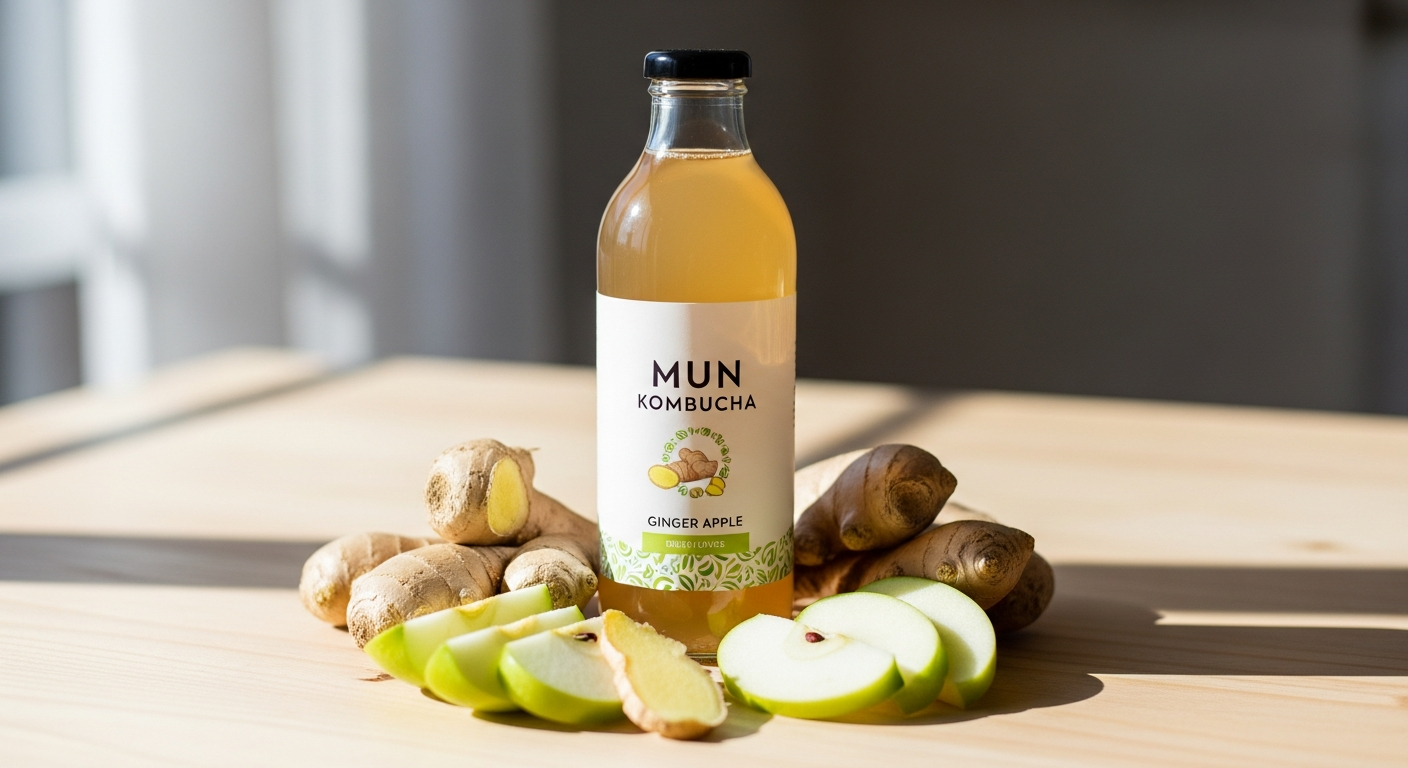
Health-Conscious Consumers and the Kombucha Revolution
Over 80% of health-conscious consumers actively seek functional beverages that taste exceptional without compromising nutritional integrity. The fermented tea market has exploded in recent years, yet most newcomers struggle to find a kombucha that doesn't feel like a punishment—one that actually tastes good while delivering genuine wellness benefits. Finding that balance between flavor and function can feel impossible when you're standing in the beverage aisle overwhelmed by options.
Mūn Kombucha's Ginger Apple Elixir bridges this gap perfectly. This vibrant blend of spicy ginger and sweet apple has become one of the brand's most popular products, earning a legion of devoted followers who swear by its taste and benefits. It's frequently recommended as the ideal entry point for individuals new to the fermented tea experience, and for good reason.
This guide walks you through everything that makes the Ginger Apple Elixir stand out: its meticulously sourced ingredients, the science behind its probiotic benefits, nutritional comparisons, and whether it's truly the ideal entry point for kombucha beginners. By the end, you'll understand exactly why health enthusiasts keep coming back for more.
Why Ginger Apple Became Kombucha's Most Approachable Flavor
The Universal Appeal of Ginger in Wellness
Ginger has occupied a special place in both culinary and wellness traditions for centuries. In functional beverages, it's universally recognized and highly favored across the kombucha market. Consumers gravitate toward ginger because they already understand its properties—warming, slightly spicy, and associated with digestive comfort. When you're choosing your first kombucha, that familiarity matters tremendously.
The Sweet-Heat Balance: Apple as the Perfect Counterpoint
What makes Mūn's specific formulation exceptional is how apple juice softens ginger's natural intensity. Rather than a sharp, medicinal punch, you get a spicy-sweet profile that feels indulgent rather than therapeutic. This balance prevents the "I'm drinking this for my health, not my pleasure" sensation that deters many newcomers. The apple juice harmonizes with ginger to create something genuinely crave-worthy.
Market Dominance and Palate Transitions
Ginger-based kombuchas dominate sales across European premium brands, and Mūn's version consistently outperforms competitors in the category. This popularity stems partly from how effectively the flavor bridges conventional soft drink expectations with fermented beverage reality. Palates transitioning from sugary drinks find the sweet-heat complexity approachable—challenging enough to feel like a grown-up choice, yet accessible enough to avoid intimidation.
Unpasteurized Fermentation: What It Means for Your Gut Health
Pasteurized versus Unpasteurized: The Critical Difference
Most commercial kombucha brands pasteurize their products to extend shelf life and ensure microbial safety—a practice that eliminates the very live cultures that make kombucha nutritionally valuable. Mūn Kombucha takes the opposite approach. By remaining unpasteurized, it preserves the living bacterial ecosystems that create genuine probiotic benefits. This choice requires more careful production standards but delivers exponentially greater wellness value.
How Live Bacterial Cultures Survive Mūn's Formula
Unpasteurized fermentation allows Mūn's beneficial bacterial strains to remain metabolically active throughout the product's shelf life. These live cultures—primarily acetobacter and lactobacillus species—continue to produce enzymes and organic acids that support digestive function. The fermentation environment itself (high acidity, specific pH range) protects these cultures from spoilage while maintaining their bioavailability for your gut.
Documented Digestive and Immune Benefits
Research on kombucha fermentation identifies specific probiotic strains with documented benefits for digestive health, immune function, and nutrient absorption. Live bacterial cultures in unpasteurized kombucha produce short-chain fatty acids during fermentation, compounds your gut recognizes as beneficial signaling molecules. These compounds support the integrity of your intestinal barrier and promote beneficial microbiome diversity.
Enzymatic Activity: The Advantage Pasteurization Destroys
Pasteurized kombucha loses enzymatic activity—those temperature-sensitive proteins that facilitate nutrient breakdown and absorption. Unpasteurized versions retain full enzymatic potential, meaning your digestive system works more efficiently when processing this beverage. You're not just consuming probiotics; you're consuming metabolically active compounds that support optimal digestive function.
Clean Label Credentials: Organic, Gluten-Free, and Vegan Certification
Complete Ingredient Breakdown: Quality at Every Level
Mūn Kombucha's ingredient list contains only what's necessary: water, organic cane sugar, Lung Ching green tea, apple juice, and ginger juice. Lung Ching (Dragon Well) tea is a premium Chinese green tea renowned for its antioxidant density and subtle vegetal sweetness—a choice that reflects genuine commitment to quality rather than cost-cutting. Organic cane sugar provides fermentation fuel without synthetic pesticide residues. Apple juice and ginger juice are whole-food sources, not concentrates or flavorings.
Why Each Ingredient Was Selected for Functional Value
Every ingredient serves a purpose beyond taste. Lung Ching green tea contributes catechins and L-theanine, compounds with documented cognitive and metabolic benefits. The fermentation process amplifies these compounds' bioavailability. Organic cane sugar ensures the fermentation process produces beneficial acids and probiotics without contamination from agricultural chemicals. Apple juice provides natural pectin and additional polyphenols. Ginger juice delivers gingerols and shogaols—compounds associated with anti-inflammatory and digestive benefits.
Organic Certification Standards and Guarantees
Mūn's organic certification (BIO) means each ingredient meets rigorous European organic farming standards. These certifications guarantee absence of synthetic pesticides, herbicides, GMO ingredients, and artificial processing chemicals. Third-party certification bodies regularly audit production facilities and ingredient sourcing, providing accountability that goes beyond marketing claims.
Absence of Artificial Additives, Preservatives, and Sweeteners
The ingredient list is notably sparse—no artificial sweeteners, colorants, preservatives, or flavorings. Many kombucha brands resort to added sweeteners to mask fermentation byproducts or improve mouthfeel. Mūn's approach trusts the fermentation process itself to create balanced flavor. This restraint reflects confidence in the product's inherent quality.
Nutritional Profile: Low Sugar, Trace Alcohol, Maximum Antioxidants
Detailed Nutritional Breakdown Per 100ml
Each 100ml serving contains approximately 1.80g of sugars—remarkably low for a fermented beverage. This sugar content reflects the fermentation process, which consumes most of the initial cane sugar and converts it into beneficial acids and probiotic cultures. Alcohol content remains below 1.2%, the natural result of yeast fermentation, too minimal to produce any intoxicating effect yet sufficient to contribute antimicrobial and preservation benefits.
Comparative Sugar Analysis Against Mainstream Options
Most conventional kombucha brands contain 4-7g of sugar per 100ml, some reaching closer to soft drink levels. Standard soft drinks average 10-12g per 100ml. Mūn's 1.80g places it in the lowest category across the functional beverage landscape, making it genuinely suitable for those monitoring sugar intake without sacrificing taste.
Antioxidant Content from Green Tea Fermentation
Lung Ching green tea brings substantial antioxidant density to begin with—approximately 200-300mg of catechins per serving of premium quality tea. The fermentation process doesn't destroy these compounds; rather, it breaks down complex polyphenols into more bioavailable forms. Your body absorbs these antioxidants more efficiently from fermented tea than from steeped tea alone.
How Fermentation Naturally Reduces Sugar While Enhancing Nutrients
During fermentation, beneficial bacteria and wild yeasts consume the sugars in the base tea, metabolizing them into acetic acid, glucaric acid, and other organic compounds. Simultaneously, fermentation increases B-vitamin production and enhances mineral bioavailability. You're left with a product containing minimal sugar yet maximum nutritional density—the opposite of what most food processing accomplishes.
The Beginner's Advantage: Why Newcomers Choose Mūn Ginger Apple
Flavor Intensity That's Approachable, Not Intimidating
Beginners often find their first kombucha experience jarring—the vinegary tang, the funkiness, the unfamiliar sensation on the palate. Mūn's Ginger Apple avoids this trap through its balanced flavor profile. The ginger and apple create complexity that feels sophisticated without requiring an acquired taste. You can enjoy it immediately rather than enduring it while your palate adapts.
Balanced Taste Preventing the "Too Vinegary" Complaint
Many kombucha newcomers describe their first bottles as "tasting like vinegar" because they're expecting something closer to juice or soft drinks. Mūn's formulation, with its apple sweetness and ginger spice, frames the fermented tang as part of a harmonious whole rather than the dominant characteristic. The taste feels intentional and crafted rather than accidental.
Psychological Positioning as Gateway Product
When you choose a kombucha specifically designed to ease the transition from conventional beverages into fermented foods, you're setting yourself up for success. The marketing positioning of Ginger Apple as the beginner's kombucha reflects genuine product design—every aspect considers the newcomer's expectations and comfort level. This psychological positioning alone increases the likelihood you'll enjoy your first bottle and pursue additional exploration.
Lower Acidity Reducing Initial Digestive Adjustment
More intense kombucha varieties demand digestive adjustment; your system needs time to accommodate the bacterial cultures and organic acids. Ginger Apple's measured fermentation profile means gentler introduction to these elements. Beginners experience fewer digestive surprises and can progress to stronger varieties at their own pace, or simply continue enjoying Ginger Apple indefinitely if it suits their system.
Sustainability and Ethical Production Practices
Renewable Energy Throughout Production Facilities
Mūn's commitment to sustainability extends beyond marketing—the company produces kombucha using renewable energy sources. This decision increases production costs compared to conventional energy but reflects genuine environmental commitment. Renewable energy means your bottle's production generated no coal emissions, no fossil fuel extraction, no contribution to climate impact.
Recyclable Glass Bottle Design and Environmental Impact
The 250ml glass bottles are fully recyclable and designed for multiple lifecycle rotations. Glass recycling requires energy investment but generates no toxic residues or microplastic contamination like plastic alternatives. A single Mūn bottle contributes meaningfully less environmental burden than plastic-bottled beverages, particularly when you consider the complete product lifecycle.
Organic Farming Partnerships Supporting Sustainable Agriculture
Mūn's organic ingredient sourcing supports farmers practicing regenerative agriculture. These farming methods build soil health, increase biodiversity, and sequester carbon—providing environmental benefits beyond the individual product. Your purchase directly supports agricultural systems that heal rather than deplete land.
Carbon Footprint Considerations Compared to Alternatives
Compared to plastic-bottled functional beverages, glass-bottled Mūn Kombucha carries lower total carbon footprint when accounting for production, transportation, and end-of-life recycling. The renewable energy usage in production further reduces environmental impact. If sustainability influences your purchase decisions, Mūn's approach delivers genuine alignment between values and practice.
Pricing, Value, and Where to Buy Strategically
Individual Bottle Cost Breakdown by Pack Size
Individual 250ml bottles in a 12-pack of Premium Ginger cost approximately €2.58 per bottle, while the Mix Pack (which includes Ginger) averages €3.23 per bottle depending on pack composition. The per-bottle cost varies slightly based on pack configuration, but both options position favorably against comparable premium kombucha brands charging €3.50-€5.00 per bottle.
Mix Pack versus Single-Variety Premium Pack Considerations
The Mix Pack offers flavor variety, ideal for newcomers uncertain about preferences or seeking to explore Mūn's full range. The Premium Ginger single-variety pack maximizes value if you've confirmed Ginger Apple is your preferred flavor. Strategic selection depends on whether you prioritize exploration or optimization.
Cost-Per-Serving Analysis Against Premium Competitors
At €2.58-€3.23 per 250ml bottle, Mūn's pricing sits at the premium end of the kombucha spectrum but substantially below the €5-€8 price points charged by ultra-premium craft brands. The value proposition improves dramatically when you consider the unpasteurized live cultures, organic certification, and renewable energy production—features many competitors simply don't offer at any price.
Free Shipping Threshold and Bulk Purchase Incentives
Mūn offers free shipping for orders exceeding €40, a threshold easily met with a single multi-pack purchase. The 12-bottle packs trigger free shipping while distributing cost across multiple servings, making bulk purchase the economically logical choice. Ordering a month's supply at once ensures consistent access while maximizing shipping value.
Real Customer Feedback and Community Response
Aggregate Rating Data and Review Sentiment
Across platforms, Mūn Kombucha Ginger Apple maintains consistently high ratings, typically in the 4.5-5.0 star range. The review sentiment emphasizes genuine enthusiasm rather than grudging recommendation—customers seem to genuinely enjoy the product rather than tolerating it for health benefits. This distinction matters significantly when choosing a beverage you'll consume regularly.
Recurring Praise Themes Across Reviews
Customer testimonials cluster around consistent themes: exceptional taste quality relative to other kombuchas, genuine digestive improvements and increased energy, the approachable flavor profile for newcomers, and satisfaction with organic ingredients and sustainable packaging. These themes repeat across numerous independent reviews, suggesting they reflect authentic customer experience rather than marketing repetition.
Testimonials from Beginners Versus Experienced Drinkers
Beginners consistently describe Ginger Apple as the gateway that made kombucha enjoyable rather than obligatory. They highlight the balance between taste and function, the lack of medicinal aftertaste, and the digestive benefits appearing quickly. Experienced kombucha drinkers appreciate it as a reliable, quality option they enjoy returning to, though they sometimes note preferring it's slightly less aggressive fermentation compared to more intense varieties they explore.
Repeat Purchase Rates and Loyalty Indicators
Review data reveals substantial repeat purchase patterns—customers ordering the same flavor multiple times, often transitioning to multi-pack purchases, frequently citing "hooked" or "addiction" language when describing their relationship with the product. This loyalty indicator suggests genuine satisfaction rather than novelty-driven trial-and-discontinuation patterns seen with many functional beverage launches.
Making Your First Purchase: A Practical Roadmap
Determining Whether Ginger Apple Is Your Ideal Starting Flavor
If you enjoy ginger in other contexts—ginger tea, ginger ale, ginger snaps—Ginger Apple represents an excellent entry point. If you typically avoid ginger or prefer subtle flavors, you might consider exploring Mūn's other varieties first. The flavor is confident rather than timid, which works beautifully for those who appreciate spice and complexity, potentially less ideal for those seeking ultra-approachable gentleness.
Recommended Purchase Quantity for Trial
Starting with a single bottle allows low-risk flavor assessment. If you enjoy it, graduating to a 12-pack offers the best value and ensures consistent supply. Purchasing a multi-pack before confirming preference could result in unused inventory; single-bottle trial eliminates this risk. Once you confirm Ginger Apple compatibility, commit to the multi-pack for optimal value.
Storage Best Practices and Optimal Serving Temperature
Although Mūn Kombucha doesn't strictly require refrigeration due to its low sugar content and fermentation byproducts, serving it very cold optimizes flavor and provides refreshing appeal. Store bottles in a cool location away from direct sunlight. Unopened bottles maintain quality for months; after opening, consume within days for optimal probiotic activity and flavor integrity.
Pairing Suggestions and Consumption Timing
Ginger's digestive properties make morning consumption ideal, potentially accompanying breakfast to support digestion throughout the day. The apple sweetness and ginger warmth pair beautifully with breakfast foods, light lunch options, or mid-afternoon consumption when energy naturally dips. Avoid consuming too close to bedtime if you're sensitive to fermentation byproducts or seeking to minimize evening stimulation.
Your Probiotic Journey Starts Here
The Mūn Kombucha Ginger Apple Elixir represents far more than a trendy beverage—it's a thoughtfully engineered introduction to functional fermentation. From its unpasteurized live cultures and meticulously sourced organic ingredients to its balanced flavor profile that actually tastes like something you'd choose for pleasure rather than obligation, this kombucha checks every box for health-conscious beginners.
The brand's commitment to sustainability, transparent sourcing, and clean labeling builds genuine trust that extends beyond marketing claims. You're supporting a company that prioritizes product integrity alongside environmental responsibility. Whether you're skeptical about fermented foods, overwhelmed by kombucha options, or simply searching for a functional beverage that delivers on both taste and wellness promises, the Ginger Apple Elixir offers a compelling entry point.
The most important step is beginning. Experience the spicy-sweet complexity, notice how your body responds, discover whether the digestive improvements and energy boost translate to your personal reality. Many find that their first bottle of Mūn Ginger Apple marks the moment kombucha stopped being a health obligation and became a genuine pleasure.
Leave a Reply