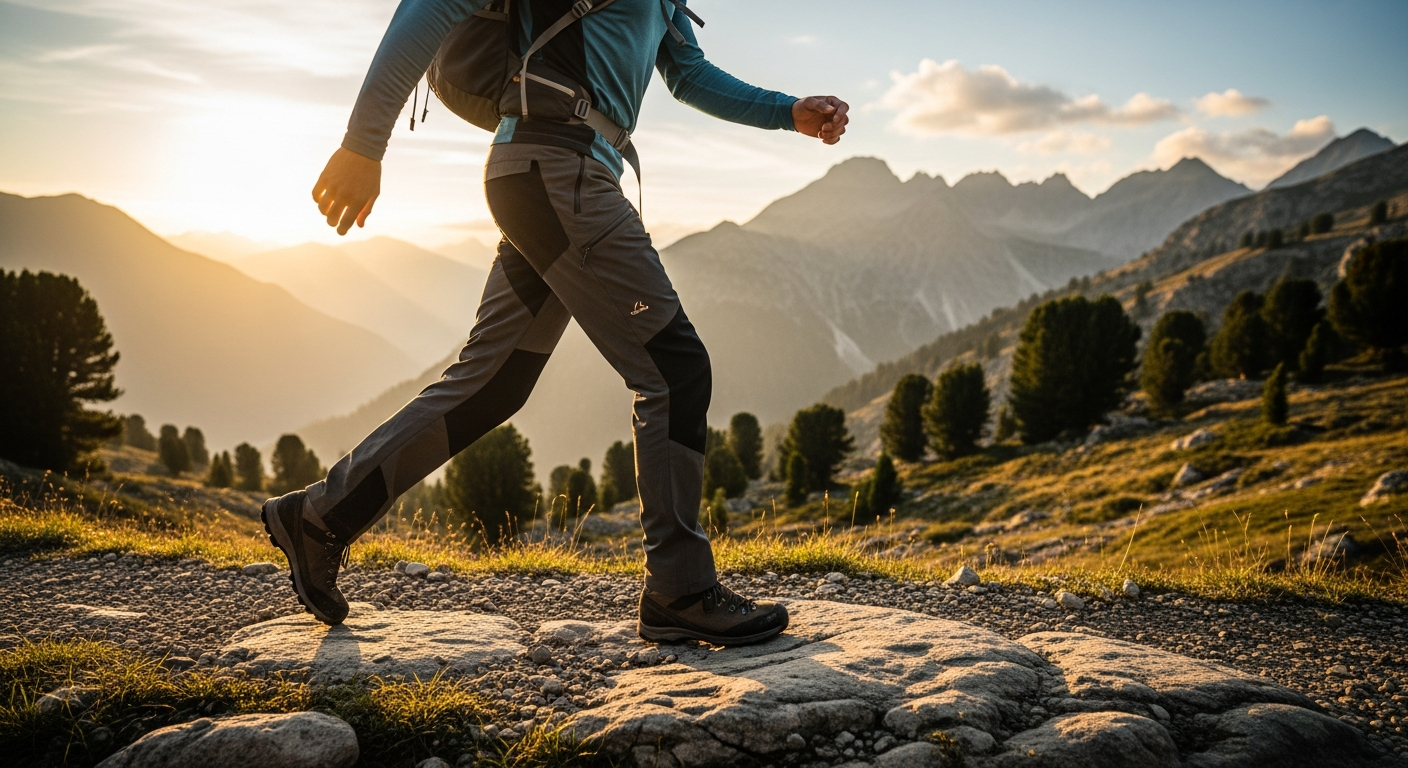
The Lundhags Makke Pant: Uncompromising Design for Mountain Terrain
I've spent enough time on mountain trails to know that one wrong gear choice can derail an entire expedition. Your trousers aren't just clothing—they're your first line of defense against unpredictable weather, demanding terrain, and those moments when comfort directly impacts your performance.
The Lundhags Makke Pant has earned its reputation as a bestseller precisely because it refuses to compromise on any of these fronts. This hybrid pant represents a different breed of trekking apparel. Rather than choosing between durability and mobility, Schoeller softshell panels work alongside robust LPC fabric to deliver both. I've watched how outdoor professionals—mountaineers, alpine guides, and serious hikers—consistently reach for this specific model when conditions get serious.
Discover why the Lundhags Makke Pant dominates bestseller lists among serious adventurers.
Throughout this guide, I'll break down the hybrid construction that makes these trousers stand out, examine the ventilation technology that adapts to changing conditions, assess the sustainability angle that matters to conscious adventurers, and address the practical considerations you need before investing. By the end, you'll understand exactly why this bestseller commands such loyalty among people who demand real performance from their gear.
Hybrid Fabric Technology: Where Durability Meets Flexibility
LPC (Lundhags Polyester Cotton) Foundation
The main fabric combines 65% polyester and 35% organic cotton, creating a base that breathes while resisting the abuse that mountain environments deliver. This blend provides genuine durability without sacrificing the breathability that matters during sustained physical effort. The organic cotton component appeals to those conscious about their environmental footprint, while the polyester ensures the fabric can handle repeated flexing and abrasion.
Schoeller Dryskin Softshell Panels
Strategic placement of Schoeller Dryskin softshell in the seat, knees, and crotch represents sophisticated material engineering. These 93% polyamide and 7% elastane panels stretch with your body during dynamic movement—scrambling up technical sections, negotiating steep descents, or simply the repetitive motion of multi-day trekking. The Dryskin technology manages moisture effectively, pulling sweat away from your skin while allowing vapor to escape. This prevents the clammy discomfort that undermines performance on long days.
Schoeller Keprotec Reinforcements
The ankles receive reinforcement from Schoeller Keprotec, a 72% polyamide and 28% aramid blend specifically engineered for abrasion resistance. This matters more than it sounds. Sharp rocks, crampons, and aggressive terrain constantly threaten the lower leg. Aramid fibers, traditionally used in protective equipment, extend the lifespan of these trousers significantly. I've seen standard pants develop holes at the ankles within a single season; reinforced zones on the Makke Pant demonstrate genuine durability.
Why Hybrid Construction Matters
Different fabric zones serve specific functions. The base LPC provides all-day comfort and durability for standard hiking. Softshell panels activate during technical sections requiring full mobility. Reinforced ankles prevent premature wear from the inevitable contact with sharp terrain. This isn't marketing hyperbole—it's intelligent material deployment. Each zone performs its specific task, preventing the compromise that comes from forcing a single fabric to do everything.
Durability Testing in Real Conditions
Extended alpine expeditions reveal what casual day hikes cannot. Multi-week treks expose weakness in materials and construction through repetitive stress, exposure to extreme temperature swings, and accumulated UV damage. The Makke Pant's popularity among expedition professionals reflects genuine field performance. These aren't trousers that impress in controlled testing environments; they deliver consistent durability when conditions matter most.
Advanced Ventilation Systems for Variable Mountain Conditions
Multi-Point Zipper Design
Long zippers running along the inner thighs, hand pocket zippers, and lower leg zippers create a sophisticated temperature regulation system. This isn't redundant design—each zipper addresses specific ventilation needs. Inner thigh zippers open quickly when climbing steep sections generates intense heat. Lower leg zippers provide cooling from the extremities, helping regulate core temperature without removing the entire pant. Hand pocket zippers prevent things from falling out while still allowing airflow when opened partway.
Moisture Management Beyond Ventilation
Ventilation alone doesn't solve the moisture problem. The Dryskin panels actively manage sweat by wicking moisture away from skin and toward the outer fabric, where it evaporates. Combine this with strategic zippers, and you've created an intelligent system that handles both excessive heat and moisture accumulation. On steep climbs where heart rate spikes, this system prevents the buildup of clammy sweat that normally plagues mountaineers.
Layering Compatibility
These trousers integrate seamlessly with base layers and mid-layers across seasons. The adjustable waist with Velcro accommodates layering without creating bulk. The extended zipper options allow progressive ventilation without removing layers entirely. Spring trekking might require thermal base layers under the Makke Pant; summer climbing might see just brief shorts underneath; autumn conditions might call for insulated leggings. The design accommodates all scenarios.
Temperature Regulation Strategies
Alpine mountaineering demands rapid adaptation to temperature swings. Morning starts on glacier sections require significant insulation. Mid-day climbs under direct sun generate heat that needs escaping. Evening descents back into shadow require re-layering. The multi-point ventilation system handles these transitions efficiently. I've watched guides casually zip and unzip sections throughout the day, maintaining consistent comfort without the stop-and-go of removing entire garments.
Real-World Ventilation Performance
Professionals use these zippers pragmatically. Inner thigh zippers open during the steepest sections. Lower leg zippers release heat without creating the wind tunnel effect of full removal. Hand pockets remain zipped during technical climbing, then open for cooling during sustained ascent. This isn't a feature you use constantly—it's a capability you appreciate when conditions demand it.
Comparison to Traditional Single-Zip Designs
Standard convertible trousers with single leg zippers represent a compromise. The Makke Pant's multi-point approach offers genuine flexibility without the discontinuity of removing half a leg. On variable terrain where conditions change constantly, having multiple ventilation options prevents the binary choice between overheating or removing the pant entirely.
Practical Pocket Architecture and Gear Organization
Zippered Thigh Pockets with Bellow Construction
Spacious thigh pockets with bellow construction expand as needed, accommodating everything from energy bars to navigation tools without restricting leg movement. The bellows design prevents the compressed bulk that undermines mobility. Zippers keep contents secure during technical climbing or scrambling. Experienced trekkers actually use these pockets—they're positioned for convenient access during movement, not just theoretical functionality.
Internal Phone Pocket
The internal phone pocket solves a genuine problem for modern adventurers. Phones need protection from falls and impacts, yet accessibility for emergencies or quick photos demands keeping them accessible. This thoughtful pocket placement protects without creating an awkward external bulge or requiring removal of the main pant pocket contents.
Hand Pocket Placement and Security
Zippered hand pockets on navigable terrain become essential. They secure small items—keys, permit documents, lightweight snacks—without requiring constant attention. On technical climbing, nothing can distract from hand and foot placement, making secure pockets non-negotiable. The zipper design requires deliberate opening, preventing accidental loss during awkward movements.
Adjustable Waist System with Velcro
The Velcro waistband adjustment differs fundamentally from standard button-and-fly systems. It accommodates layering, variable torso position during climbing (leaning forward or arching backward), and genuine size differences that exist within standard sizing. I've used the adjustment constantly, either tightening over multiple base layers or loosening when layering is minimal. Standard waistbands can't offer this flexibility.
Snap-Button Leg Adjustments
Preventing fabric from catching on boots or crampons matters more than casual hikers realize. Snow climbing or technical alpine work demands precision footwork; loose fabric creating snags introduces danger. Snap buttons allow precise leg length adjustment for each activity, preventing this hazard entirely.
Detachable Shoelace Hooks
These small hooks thread through boot laces, anchoring pant legs during alpine work. Loose fabric flapping during technical climbing creates genuine hazards—catching on equipment, creating wind noise that prevents hearing falling objects, or getting tangled in crampons. The detachable design means you use them only when needed.
Water Resistance and PFAS-Free DWR Treatment
DWR (Durable Water Repellent) Coating
The Durable Water Repellent treatment creates a protective barrier against water without creating a waterproof seal. Water beads and runs off rather than penetrating the fabric. For light rain and morning dew, this provides genuine protection. On established trails where splash from wet vegetation is constant, DWR treatment prevents premature saturation.
PFAS-Free Formulation
Traditional DWR treatments relied on perfluorinated compounds (PFAS) that don't break down in the environment and accumulate in human tissues. The 100% PFAS-free approach represents genuine environmental responsibility, not marketing positioning. This matters if you care about what happens to water that runs off your trousers during mountain showers or how the product eventually breaks down when retired.
Water-Resistant Versus Waterproof Distinction
The critical distinction: these trousers are water-resistant, not waterproof. Light rain, moderate spray, and morning moisture don't penetrate. Heavy downpours will eventually seep through, particularly in folds and stress areas. Serious mountaineers recognize this as appropriate—dedicated rain pants handle extreme conditions, while these trousers provide base-layer protection for variable weather. Combining them with pack rain covers and individual rain pants creates a complete system.
Durability of DWR Treatment Over Time
DWR coatings degrade with use, washing, and exposure to UV radiation. Expect 18-24 months of effectiveness from regular field use. Professional guides report reapplying treatments annually if using these as primary trousers. This isn't a flaw—it's the nature of protective coatings. Lundhags' treatment formula reportedly reactivates partially with tumble drying, extending usable life somewhat.
Performance in Light Rain Versus Heavy Downpours
On light rain days, these trousers function effectively without additional protection. Moderate storms with occasional showers present manageable conditions—you might notice slight dampness but not saturation. Heavy downpours demand rain pants layered over these trousers. This graduated approach is more practical than single-garment compromise.
Dirt and Mud Repellence Benefits
Beyond water, DWR treatment prevents dirt and mud adhesion. Particles simply don't grip the fabric surface as effectively. This extends the lifespan of the fabric itself by preventing surface degradation and reducing cleaning requirements. Trousers that shed mud dry faster and require less aggressive washing, both of which extend their functional life.
Sizing, Fit, and Body Type Considerations
Slim Silhouette Reality
Despite being designated as "regular fit," the Makke Pant runs noticeably slim. Many users report sizing up one or even two sizes from their standard waist measurement to accommodate thigh and calf volume. This isn't poor design—it reflects a deliberate choice favoring fitted performance over loose comfort. Verify measurements rather than assuming standard sizing.
Available Length Options
Short, Regular, and Long models ensure proportional fit across different heights. This matters more than it appears—oversized pant legs create the bulk and snagging hazards discussed previously. Correct length prevents having to fold fabric or deal with excess material bunching at the ankle.
Women's High-Waist and Curved Versions
Specific women's versions with high-waist design and curved cut reflect anatomical differences rather than simply offering reduced-size versions of the men's pant. This thoughtful design ensures proper fit across different body shapes, particularly for those with different proportions between waist and hip measurements.
Weight Specifications
Men's size 46 weighs approximately 495g—roughly one pound. For trekkers who obsess over pack weight, this is lightweight for a pant that handles alpine conditions. The hybrid construction eliminates excess material while maintaining durability, making these legitimately packable for expeditions requiring minimalist gear selection.
Leg Muscle Accommodation
Athletes with significant leg muscle mass—distance runners, cyclists, climbers—often struggle with standard sizing even in larger waists. The slim cut means you may need substantially larger sizes to accommodate thigh volume. Conversely, those with slighter builds might find even smaller sizes have excessive fabric. Know your specific measurements before ordering.
Waist Adjustment Range
The Velcro waistband adjustment provides approximately 2-3 inches of flexibility, accommodating minor sizing discrepancies and layering variations. This flexibility makes sizing up slightly more forgiving than sizing down would be.
Sustainability and Ethical Production Practices
Organic Cotton Sourcing
The 35% organic cotton in the LPC blend comes from certified organic sources, eliminating synthetic pesticide and fertilizer contamination typical of conventional cotton farming. This percentage provides meaningful environmental benefit without sacrificing the performance benefits that polyester provides.
Recycled Polyester Integration
The polyester component includes post-consumer recycled material, reducing reliance on virgin petrochemical extraction. While recycled polyester still requires processing energy, it displaces demand for new production and diverts material from landfills. For outdoor enthusiasts concerned about consumption practices, this represents genuine effort.
Schoeller Manufacturing Standards
Schoeller operates European manufacturing facilities with rigorous quality control and labor standards. This differs fundamentally from outsourced production in regions with minimal environmental or labor regulation. Supporting European manufacturing carries environmental costs in transportation but supports established quality standards and worker protections.
Longevity as Sustainability
The most sustainable product is the one you keep using. The Makke Pant's durability and versatility mean many users maintain these trousers for 5-10 years or more. This extended lifespan dramatically reduces consumption compared to replacing inferior trousers annually. Conscious adventurers recognize longevity as the ultimate sustainability metric.
PFAS-Free Commitment
The complete avoidance of PFAS compounds aligns the product with environmental responsibility beyond just materials. This compounds the benefit of organic cotton and recycled polyester, creating a product that minimizes toxic contamination throughout its lifecycle.
Appeal to Conscious Adventurers
Modern outdoor professionals increasingly prioritize sustainability. These features attract individuals who recognize that their outdoor pursuits are only meaningful if they protect the environments they explore. It's not luxury positioning—it's alignment with values.
Real-World Performance Across Different Outdoor Pursuits
Alpine Mountaineering Demands
Technical climbing at altitude demands uncompromising durability and mobility. The Makke Pant handles exposed terrain, steep ice climbing, and rock sections without restricting movement or failing under stress. Expedition guides wear these consistently not because of marketing but because they perform reliably in situations where gear failure creates genuine consequences.
Multi-Day Trekking Endurance
Extended backpacking trips expose weaknesses in design and materials through cumulative stress and varied conditions. The Makke Pant's reputation among trekkers who spend weeks on trail reflects genuine comfort and durability across extended use. These aren't weekend-warrior trousers; they're built for professional-grade demands.
Seasonal Versatility
Spring snowmelt crossings, summer alpine heat, and autumn weather unpredictability all present different demands. The multi-point ventilation adapts to seasonal variation. The layering compatibility accommodates everything from minimal clothing in summer to insulated base layers in autumn. Few single trousers perform effectively across this range.
Transition Between Activities
Hiking transitions smoothly to scrambling to technical climbing without requiring outfit changes. The consistent performance across varying terrain demonstrates intentional design rather than compromise optimization.
Award Recognition
Multiple publications have awarded "Best-in-Test" recognition to the Makke Pant, validating performance claims through independent review. These accolades reflect consistent evaluation across extended field testing.
User Testimonials from Professionals
Mountain guides, expedition leaders, and alpine professionals consistently report positive experiences with these trousers. Their recommendations carry weight because they make gear choices based on field performance, not marketing positioning. When professionals who literally depend on their equipment for safety and livelihood choose the Makke Pant, that speaks louder than any marketing claim.
The Verdict for Serious Adventurers
After examining the engineering, materials, and real-world feedback, the Lundhags Makke Pant durable trekking trousers earn their bestseller status through uncompromising design choices. The hybrid fabric approach eliminates the false choice between durability and mobility. The ventilation system adapts to genuine mountain conditions rather than theoretical scenarios. The sustainability commitment reflects values that increasingly matter to outdoor professionals.
Yes, the full retail price of approximately €249.95 commands respect. Yes, you'll likely need to size up from your standard waist measurement. Yes, heavy rain might require additional protection. But these aren't flaws—they're trade-offs that experienced trekkers accept because the benefits outweigh the compromises. When you're navigating technical alpine terrain, managing sweat on a steep climb, or spending your third consecutive day in variable weather, these trousers deliver exactly what they promise.
If you trek seriously—whether that means alpine mountaineering, multi-day backpacking expeditions, or season-spanning outdoor pursuits—these trousers deserve a place in your gear rotation. Watch for seasonal sales to access the €92-€188 price range, then size strategically based on your body type and specific measurements. Your legs will thank you on the next challenging ascent.
Leave a Reply