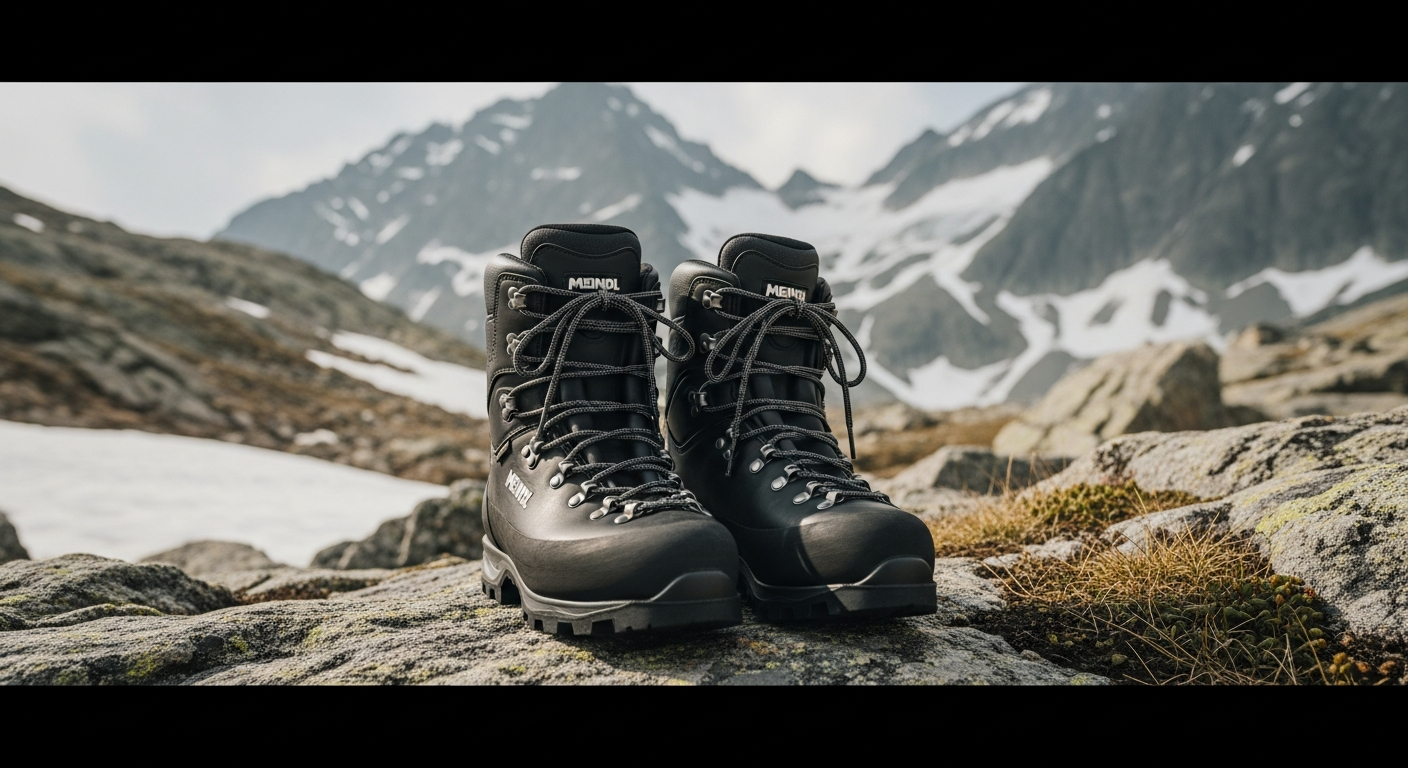
Blisters on day two. Ankle pain by mile fifteen. Slipping on wet rocks at 2,000 meters—these are the nightmares that plague serious hikers when they choose the wrong boots. Yet thousands of mountaineers across the Alps have discovered a solution that eliminates these problems entirely.
The Meindl Engadin MFS represents decades of German engineering expertise combined with cutting-edge comfort technology. This isn't just another hiking boot; it's a purpose-built platform for the mountaineer who refuses to compromise. With their Memory Foam System adapting to your foot's unique shape and a Vibram® Multigrip® sole gripping surfaces that would defeat lesser boots, these boots have earned their reputation through real-world performance on some of Europe's most demanding terrain.
Discover the Meindl Engadin MFS and transform your mountaineering experience today.
Memory Foam System Technology: The Science Behind Custom Fit
How MFS Technology Uses Body Heat to Mold the Boot's Interior
The Memory Foam System operates on a principle that seems almost magical until you understand the mechanics. Special foam compounds embedded in the boot's upper respond to body heat, gradually softening and conforming to your foot's exact morphology. As you hike, your body temperature activates this adaptive material, creating a personalized pressure map that's unique to your foot structure. This isn't a quick process—the molding happens over the first few hours of wear, but once complete, the fit becomes second nature.
The Pressure-Point Elimination Advantage During Extended Hiking Days
During an 8-hour hiking day, traditional padding systems remain static, pushing back against pressure points with the same force throughout your journey. Your feet swell slightly as you climb, circulation patterns shift, and hot spots develop where rigid foam can't adapt. The MFS technology responds to these changes dynamically, redistributing support as your feet change throughout the day. Mountaineers report that pressure points that plagued them in conventional boots simply vanish, allowing focus to remain on terrain navigation rather than foot discomfort.
Comparison of MFS to Traditional Padding Systems
Static padding works through density—firmer materials resist compression, providing support through rigidity. Adaptive foam takes a different approach, working with your foot rather than against it. Traditional systems compress in high-pressure areas and remain thick in low-pressure zones, creating an uneven experience. MFS technology achieves uniform comfort across the entire foot, reducing the micro-movements that cause friction and blister formation. Expedition mountaineers switching from conventional boots to MFS models consistently report that the adaptive system outperforms traditional cushioning over multi-day treks.
Real-World Comfort Gains Reported by Expedition Mountaineers
Guides working across the Alps have documented significant comfort improvements when transitioning to MFS technology. Extended treks spanning 10+ days show pronounced differences, with mountaineers reporting reduced fatigue by day four and day five compared to traditional boots. The personalized fit means each hiker experiences optimal support tailored to their foot's unique characteristics, rather than settling for compromise built into mass-produced padding. These aren't anecdotal observations—they represent hundreds of hours of expedition experience in demanding alpine conditions.
Oiled Nubuck Leather Construction for Expedition-Grade Durability
Why German-Tanned Nubuck Leather Outlasts Synthetic Materials
German leather tanning traditions emphasize longevity and performance in harsh conditions. Nubuck leather, derived from the top grain and given a velvety finish, develops character and resilience through extensive tanning processes. Unlike synthetic materials that degrade under UV exposure and temperature cycling, nubuck leather becomes more supple and protective with age. The Meindl Engadin MFS uses oiled nubuck specifically chosen for its ability to withstand rocky scree fields, sharp alpine vegetation, and repeated moisture cycling across seasons. Synthetic alternatives can't match this combination of durability and breathability.
The Oiling Process and Its Role in Water Resistance
The oiling treatment applied to nubuck leather serves multiple purposes beyond water resistance. Oil molecules penetrate the leather's fiber structure, creating a hydrophobic barrier without sealing the material. This approach allows the leather to breathe—moisture vapor escapes rather than becoming trapped—while still shedding liquid water. The oiling process is essential for maintaining this protective layer, as oils gradually dissipate through exposure and friction. Regular treatment preserves the leather's ability to shed water while maintaining flexibility that rigid membranes can't match.
Long-Term Durability Advantages for Hikers Who Prioritize Aging Gracefully
Boots that age gracefully reward hikers who invest in quality materials. Oiled nubuck leather develops a rich patina over seasons of use, with each expedition adding character. The material strengthens rather than degrades, becoming more water-resistant as oils season the leather. Synthetic materials, by contrast, accumulate surface damage and eventually fail structurally. Mountaineers who maintain their Meindl Engadin MFS boots report that pairs remain functional and comfortable after eight to ten years of regular expedition use, with proper care extending the lifespan even further.
Resistance to Abrasion from Rocky Scree Fields and Sharp Alpine Vegetation
The rugged terrain of alpine environments demands exceptional abrasion resistance. Scree fields with sharp, fractured rock edges pose particular challenges—each step across them risks puncturing or tearing weaker materials. Nubuck leather's surface texture and underlying fiber strength resist these impacts remarkably well. Sharp alpine vegetation, including thorny shrubs and rough grasses, can shred synthetic materials but slides across the nubuck surface with minimal effect. This durability in extreme terrain directly translates to boots that survive extended expeditions without degradation.
Traction and Stability on Unpredictable Mountain Surfaces
Vibram® Multigrip® Outsole Technology and Its Grip Performance
Vibram® has engineered outsoles specifically for mountain conditions for decades, and the Multigrip® technology represents their approach to unpredictable surfaces. The sole features strategically positioned tread patterns that engage differently depending on terrain: deeper treads bite into mud and soft ground, while flatter zones maintain contact on smooth rock. The rubber compound itself changes behavior based on temperature and surface moisture, providing consistent grip whether you're crossing morning dew or scrambling through rain-soaked terrain. This responsiveness to varying conditions is what distinguishes premium outsoles from basic tread patterns.
Rigid Sole Design for Stability on Steep Slopes and Uneven Boulder Fields
A rigid sole distributes your weight across the entire boot footprint rather than allowing the middle section to flex and compress. On steep slopes, this rigidity prevents the ankle from rolling and keeps your foot positioned securely on the slope surface. Boulder fields demand the most from sole construction—each step lands on uneven, rounded surfaces that threaten to tip your foot in unexpected directions. The Meindl Engadin MFS uses a sole design stiff enough to maintain stability across these challenging surfaces while still allowing enough flex for natural walking mechanics. This balance between rigidity and functionality takes years of engineering to achieve.
Ankle Support Mechanics: How the High Upper Prevents Rolling on Technical Terrain
The high upper of these boots extends well above the ankle, providing lateral support that prevents inversion—the rolling inward motion that causes ankle sprains. Technical terrain creates situations where your foot lands partially off a rock or into a crevice, threatening sudden ankle rotation. The high collar acts as a restraint, limiting this movement before ligaments stretch dangerously. The stiff materials used in the upper resist compression from external forces, maintaining this protective structure mile after mile. Mountaineers navigating exposed scrambles and narrow ridgelines experience measurably improved stability with this higher design.
Edge Grip Capability for Traversing Narrow Ridgelines and Exposed Scrambles
Exposed ridgelines demand precise foot placement on surfaces sometimes no wider than your foot length. The Vibram® Multigrip® outsole's edge geometry is specifically designed to maintain contact with narrow surfaces, providing grip where a wider, flatter sole might slip. The combination of the sole's edge design and the boot's overall stiffness allows your foot to maintain secure contact even on technical terrain. Mountaineers report that traversing exposed scrambles feels considerably more secure in these boots compared to alternatives with less aggressive edge grip design.
Digafix® Lacing System and Precision Fit Control
How Differentiated Tightening Zones Allow Customized Pressure Distribution
The Digafix® lacing system divides the boot into multiple zones, each adjustable independently. Your forefoot, midfoot, and ankle require different levels of tension—the forefoot needs gentler support for comfort, the midfoot demands secure stability, and the ankle requires firm restraint. Traditional lacing systems apply tension uniformly, forcing compromises across the entire boot. Digafix® technology allows you to tighten your ankle snugly while keeping midfoot pressure moderate and forefoot support gentle. This customization transforms fit from a compromise into an optimization.
Preventing Instep Compression While Maintaining Ankle Security
The instep—the top of your foot between the toes and ankle—is particularly sensitive to compression. Tight lacing that secures the ankle can inadvertently compress the instep, reducing circulation and creating pressure points on long hikes. The Digafix® system separates ankle and instep controls, allowing firm ankle support without compressing the instep. This distinction matters profoundly during extended expeditions where foot swelling is inevitable—you can maintain ankle security while reducing instep pressure as your feet expand throughout the day.
Advantages Over Traditional Lacing for Hikers with Varying Foot Widths
Hikers with wider feet at the midfoot but narrower ankles face a frustrating choice with traditional boots: either lose ankle support or accept uncomfortable midfoot pressure. Similarly, those with high-volume feet struggle to achieve secure ankle retention without compressing the instep. The Digafix® system accommodates these variations by allowing independent adjustment of each zone. Mountaineers with asymmetrical feet can even adjust left and right boots differently, accommodating natural variations that fixed lacing systems can't address.
Fine-Tuning Fit Adjustments During Multi-Day Expeditions
During extended treks, your feet change—swelling during the day, expanding with altitude exposure, and responding to hydration levels. Traditional lacing offers limited adjustment capability without removing the boot entirely. Digafix® zones allow significant tightness changes while fully laced, enabling you to loosen the midfoot as your feet swell or tighten the ankle if you feel instability developing. This adjustment capability during active hiking dramatically improves comfort across expedition days.
Moisture Management and Foot Health on Extended Treks
Air Active® Insole Technology: How It Absorbs and Evaporates Sweat
The Air Active® insole system addresses moisture through active evaporation rather than barrier technology. The insole material absorbs sweat from your foot, then the boot's internal airflow moves moisture vapor outward. This passive system requires no technology beyond smart material selection and boot design that facilitates air circulation. As you move, your foot creates pumping actions that push moisture-laden air out through the boot's opening. The result is effective sweat management that keeps feet relatively dry throughout extended hiking days.
Moisture Management Without Gore-Tex: The Trade-Offs and Advantages
Membrane technologies like Gore-Tex create a barrier that theoretically blocks liquid water while allowing vapor through. In reality, these membranes often saturate during intense activity or extreme conditions, trapping moisture against your foot. The Meindl Engadin MFS's approach differs fundamentally—oiled leather sheds liquid water while remaining breathable, and the Air Active® insole actively moves moisture vapor outward. The trade-off is that you must maintain the leather through regular treatment, but the advantage is superior moisture management during strenuous activity and more resilient performance across varying conditions.
Blister Prevention Through Effective Moisture Control During 10+ Hour Hiking Days
Blisters develop through a combination of friction, pressure, and moisture. During 10+ hour hiking days, even high-quality boots face moisture challenges. The Meindl Engadin MFS addresses this through two mechanisms: the Memory Foam System eliminates pressure points that contribute to blister formation, and the Air Active® insole actively removes moisture. Together, these features reduce the conditions that create blisters. Mountaineers report significantly fewer blister problems during extended expeditions compared to conventional boots, even after 12+ hour hiking days on consecutive summits.
Sock Pairing Recommendations for Optimal Moisture Wicking
Proper sock selection amplifies the boot's moisture management capabilities. Merino wool socks offer superior moisture-wicking compared to cotton, maintaining foot comfort even when damp. Sock thickness matters as well—thicker cushioned socks provide additional comfort during long days but may compress the MFS foam slightly. Medium-weight merino wool socks offer the best balance, wicking moisture effectively while allowing the Memory Foam System to perform optimally. The sock selection should complement rather than compete with the boot's moisture management system.
Leather Care and Maintenance for Long-Term Performance
Essential Treatment Protocols for Maintaining Waterproofing Without Membrane Technology
Maintaining waterproofing in oiled nubuck leather requires regular treatment with appropriate products. Leather conditioners and oils designed specifically for nubuck leather should be applied every 6-12 months depending on usage intensity. The treatment process involves cleaning the leather first, allowing it to dry completely, then applying conditioner evenly across the surface. This maintenance schedule keeps the leather's protective oil layer active and responsive. Neglecting treatment gradually reduces the leather's water-shedding capability, eventually requiring more intensive restoration work.
Cleaning Routines That Preserve Nubuck Texture and Appearance
After expeditions, dried mud and debris should be removed with a soft brush designed for nubuck leather. Water-based cleaning involves using a damp cloth to wipe the surface rather than submerging the boots. For stubborn stains, specialized nubuck cleaners dissolve dirt without damaging the velvety texture. Allowing the boots to air-dry completely before applying any treatment prevents moisture from becoming trapped in the leather. Proper cleaning extends the lifespan between conditioning treatments and maintains the attractive appearance that characterizes well-maintained nubuck leather.
Conditioning Frequency and Product Recommendations for German Leather Boots
German leather boots deserve treatment products matched to their construction. Look for conditioners formulated for nubuck or vegetable-tanned leather rather than general boot waxes. Reputable brands specializing in alpine boot maintenance offer products tested on similar leathers. Apply conditioning treatments in a thin, even layer, allowing the product to absorb thoroughly before wearing the boots. The frequency depends on environmental exposure—mountaineers using their boots monthly need conditioning roughly every six months, while lighter users can extend this to 12-month intervals.
Storage Practices That Extend Boot Lifespan Between Seasons
Proper storage prevents damage during off-season periods. Boots should be cleaned and dried completely before storage, with insoles removed to allow internal air circulation. Store in a cool, dry location away from direct heat or UV exposure—a dark closet or boot bag works well. Stuffing boots with newspaper maintains their shape and prevents creasing that can eventually crack the leather. Avoid plastic bags that trap moisture; instead, use breathable storage containers or canvas boot bags. Checking periodically for signs of mold and allowing occasional airing ensures boots remain in excellent condition year after year.
Learn the maintenance secrets that keep Meindl Engadin MFS boots performing for years.
Real-World Performance Across Alpine Conditions
Expedition Testimonials: How the Meindl Engadin MFS Performs on Multi-Pitch Scrambles
Mountaineers who have used these boots on technical scrambles consistently report that the combination of ankle support, traction, and comfort enables confident movement across challenging terrain. The high upper prevents ankle rolling when placing feet on small rock ledges, while the Vibram® Multigrip® sole maintains grip on wet stone. Multi-pitch scrambles demand boots that instill confidence while performing flawlessly for hours, and expedition reports indicate the Meindl Engadin MFS delivers both. Guides working professionally across alpine terrain have incorporated these boots into their standard equipment, a testament to their real-world reliability.
Performance Data from High-Altitude Treks (2,500m+) in Varying Weather Conditions
High-altitude conditions present extreme challenges—lower oxygen reduces physical capability, temperature fluctuations create rapid weather changes, and longer hiking days compound physical demands. Data from mountaineers conducting treks above 2,500 meters indicates that the Meindl Engadin MFS maintains performance across these conditions. The Memory Foam System continues providing comfort even when feet swell from altitude exposure and extended exertion. The Vibram® Multigrip® sole performs consistently across temperature ranges from near-freezing to warm afternoon conditions, while the oiled leather sheds moisture from both precipitation and intense sun exposure.
Behavior on Wet Surfaces: Morning Dew, Stream Crossings, and Rain-Soaked Terrain
Wet conditions test boot capability thoroughly, and these boots perform reliably across different moisture scenarios. Morning dew on alpine meadows presents minimal challenge to the Vibram® outsole, which maintains grip through moisture. Stream crossings demand more from the oiled leather, which sheds water effectively but still allows some moisture penetration if fully submerged for extended periods. After rain-soaked terrain, the leather dries relatively quickly due to its breathability, preventing the moisture saturation that causes blisters. Mountaineers navigating wet environments consistently report that the boots handle these conditions better than alternatives with membrane technology.
Seasonal Variation in Comfort and Grip Across Spring, Summer, and Autumn Expeditions
Spring expeditions across snow and mud present traction challenges that the Multigrip® sole handles effectively. The combination of soft snow that requires aggressive bite and mud that demands consistent contact tests the outsole's versatility, and performance data shows consistent traction across these varied spring conditions. Summer expeditions on dry rock require the edge grip capability that allows precise foot placement on technical terrain—this scenario showcases the sole's design excellence. Autumn expeditions frequently encounter wet leaves and slippery surfaces that demand reliable traction when safety margins diminish. Across all seasons, mountaineers report consistent performance that adapts to seasonal challenges without requiring boot changes.
Investment Value and Long-Term Cost Analysis
Price Range (€249.90–€379.00) and Value Proposition for Serious Mountaineers
The Meindl Engadin MFS boots typically range from €249.90 to €379.00 depending on retailer and promotion timing. This positioning places them in the premium category, but the value proposition extends far beyond the purchase price. Serious mountaineers conducting multiple expeditions annually wear boots regularly, accumulating substantial wear across seasons. Boots that deliver consistent comfort, durability, and performance across these extended use patterns provide value through reliability and performance, not just initial affordability. The price reflects the engineering, materials, and manufacturing quality built into each pair.
Durability Metrics: Expected Lifespan with Proper Maintenance
Well-maintained Meindl Engadin MFS boots consistently perform for eight to ten years with proper care. Some mountaineers report even longer lifespan with meticulous maintenance. This longevity significantly outpaces cheaper alternatives that typically fail structurally after three to five years of similar use. The oiled nubuck leather strengthens rather than degrades with age, and the sole construction resists breakdown under extended wear. Memory Foam System technology doesn't deteriorate in typical timelines—the foam compounds maintain their adaptive properties across years of use. This extended lifespan directly impacts long-term value calculations.
Cost-Per-Wear Calculation Over Multiple Seasons and Expeditions
A mountaineer who wears these boots on 30 expeditions annually over eight years accumulates 240 expedition days at a cost of roughly €1.00-1.60 per expedition day. This cost perspective changes the value proposition dramatically compared to cheaper alternatives that require replacement every three to four years. Even accounting for maintenance expenses averaging €50 over the boot's lifespan, the cost-per-wear remains remarkably low for reliable, high-performance footwear. This calculation assumes regular use; mountaineers who conduct fewer expeditions annually should expect proportionally higher cost-per-wear, though the durability advantage remains significant.
Resale Value and Community Demand for Well-Maintained Pairs
The mountaineering community recognizes Meindl Engadin MFS boots as premium equipment, and well-maintained pairs command respectable resale prices on the used market. Mountaineers upgrading to different sizes or seeking lighter alternatives often sell their boots to other serious hikers seeking proven, durable equipment. The strong reputation means used pairs don't sit unsold—demand remains consistent. While resale prices typically fall to 40-60% of original cost, this further reduces the effective cost-per-wear and provides an off-ramp if your needs change.
Who Should Choose the Meindl Engadin MFS
Ideal User Profiles: Serious Mountaineers, Expedition Hikers, Alpine Guides
These boots are engineered for mountaineers who conduct serious expeditions regularly and value comfort and durability above weight minimization. Expedition hikers planning multi-day treks across challenging alpine terrain find that the Memory Foam System eliminates the foot discomfort that can derail ambitions. Alpine guides working professionally across difficult terrain have adopted these boots for their reliability and performance consistency across varying conditions. Mountaineers over 40 who prioritize foot comfort increasingly choose these boots after experiencing the dramatic difference adaptive foam technology provides. The common thread among ideal users is a commitment to mountaineering where boots perform as critical equipment rather than casual footwear.
Expedition Types Where These Boots Excel: Multi-Day Treks, Technical Scrambles, High-Altitude Climbs
Multi-day treks exceeding one week demand boots that maintain performance across extended use without developing hot spots or pressure points—the Memory Foam System excels in this application. Technical scrambles requiring precise foot placement and ankle support find that the high upper and Digafix® lacing system provide the necessary security and fit control. High-altitude climbs where longer hiking days become necessary benefit from the superior comfort that adaptive technology provides when oxygen levels drop and physical capability diminishes. Mountaineers who combine these expedition types—technical scrambles at altitude across multiple days—find the Meindl Engadin MFS is specifically engineered for their needs.
Foot Type Compatibility: Wide Feet, High Arches, Sensitive Pressure Points
Mountaineers with wider feet throughout the boot have traditionally struggled to find boots that balance ankle security with midfoot comfort. The Memory Foam System's ability to conform to foot morphology while the Digafix® lacing system allows independent zone adjustment makes these boots excellent for wider feet. High-arch mountaineers benefit from the rigid sole and differentiated lacing that accommodates the specific pressure distribution their feet require. Those with sensitive pressure points discover that the adaptive foam eliminates the hot spots that plague conventional boots. The combination of technologies serves mountaineers with challenging foot geometries that standard boots struggle to accommodate.
Experience Level Recommendations and Skill Requirements
Serious mountaineers who have already invested in expedition experience and understand their foot characteristics benefit most from these boots. Novice hikers might struggle to appreciate the subtle advantages of adaptive foam technology, and the maintenance requirements demand basic knowledge of leather care. However, committed hikers planning to conduct serious expeditions over extended careers find that investing in high-quality boots early pays dividends across decades of mountaineering. The skill requirement isn't technical—rather, these boots serve mountaineers committed enough to conduct expeditions where foot performance becomes critical success factors. Casual weekend hikers might find the investment excessive, but expedition-oriented mountaineers rarely regret the commitment.
The Mountain Test: Why Serious Expeditions Demand Serious Boots
The Meindl Engadin MFS hiking boots aren't designed for casual weekend strolls—they're engineered for mountaineers who understand that foot comfort and stability determine expedition success. From the adaptive Memory Foam System that eliminates pressure points to the Vibram® Multigrip® sole that grips impossible surfaces, every component serves a purpose rooted in alpine reality. Yes, they're heavier than ultralight alternatives and require maintenance to preserve their waterproofing. But when you're navigating a boulder field at 2,500 meters with another eight hours of descent ahead, these trade-offs disappear entirely. The personalized comfort, exceptional durability, and rock-solid stability transform challenging terrain into manageable objectives.
If you're planning expeditions where your feet need to perform flawlessly, where durability matters more than minimalism, and where proven German engineering justifies the investment, the Meindl Engadin MFS deserves serious consideration. The combination of premium materials, innovative comfort technology, and exceptional grip creates boots that enable mountaineers to focus on summit objectives rather than foot problems. Start your expedition planning with boots you can trust completely—your feet and your mountaineering ambitions will thank you.
Leave a Reply