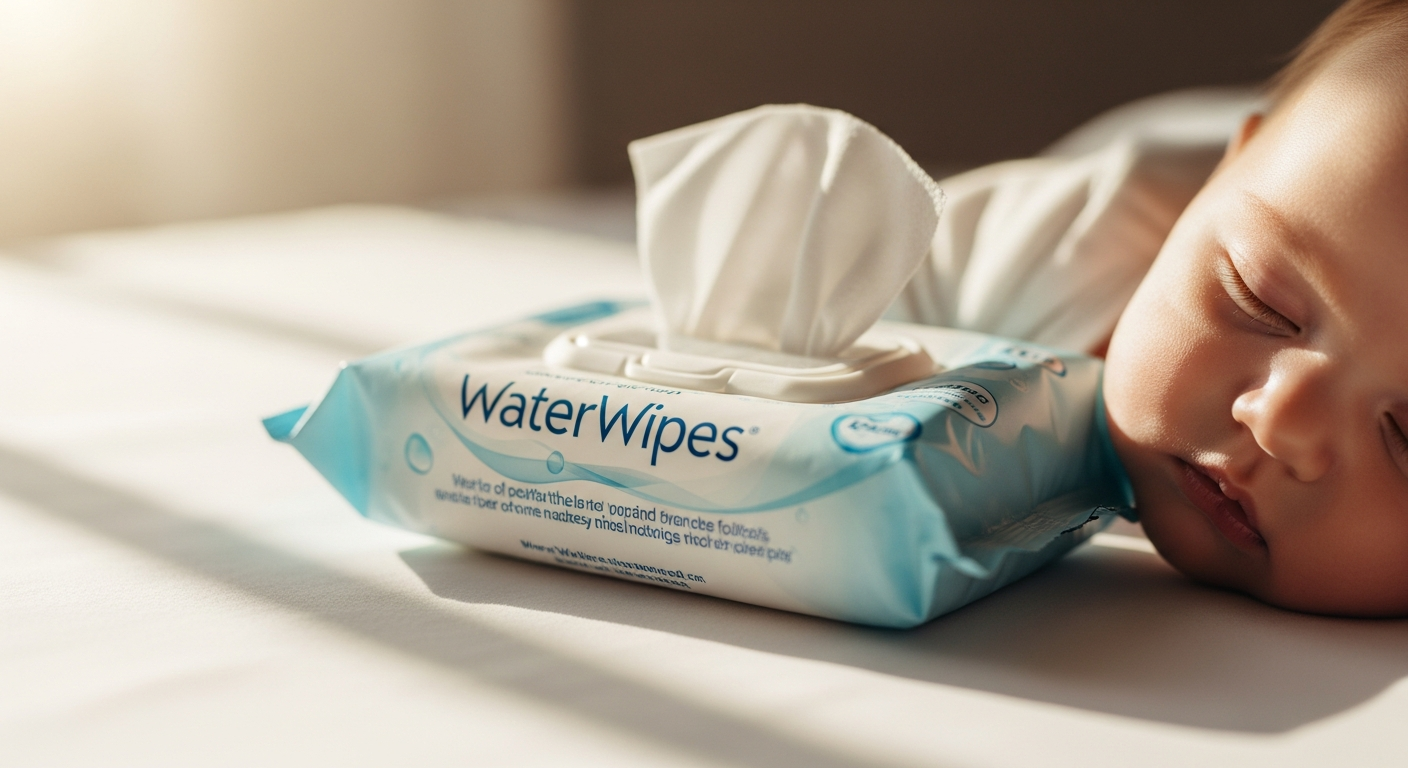
One in five babies develops eczema or sensitive skin conditions during their first year of life. If you're a parent watching your little one scratch uncomfortably or noticing red, irritated patches after diaper changes, you're not alone in this struggle.
WaterWipes Sensitive Baby Wipes have emerged as a game-changing option for parents navigating the minefield of baby care products. Unlike conventional wipes loaded with fragrances, alcohols, and preservatives, WaterWipes strip everything back to basics: 99.9% purified water and a touch of grapefruit seed extract.
Discover WaterWipes Sensitive Baby Wipes today and find relief for your baby's sensitive skin.
Throughout this guide, you'll discover everything you need to know about WaterWipes for sensitive skin, explore what makes their formula different, examine whether they're truly worth the premium price, and determine if they're the right fit for your baby's unique needs.
Why Babies with Eczema Need Different Wipes
Understanding how standard baby wipes trigger eczema flare-ups and skin irritation
Standard baby wipes contain numerous chemical ingredients designed to preserve the product, enhance fragrance, and improve texture. For most babies, these additions pose no problem. For those with eczema or hypersensitive skin, however, even minor chemical exposure can trigger visible reactions within hours.
The irritation doesn't stem from a single culprit but rather from the cumulative effect of multiple irritants. Each time you wipe your baby during a diaper change, you're introducing potential triggers directly to the most vulnerable areas of their body.
The role of chemical irritants (fragrances, parabens, alcohols) in sensitive skin reactions
Fragrances in conventional wipes are designed to mask unpleasant odors, but they're actually volatile organic compounds that can irritate delicate skin. Parabens preserve the product but may disrupt skin microbiota and trigger allergic responses in susceptible infants. Alcohols included in many formulations serve as antimicrobial agents but strip away natural skin oils that protect the skin barrier.
When babies with eczema encounter these ingredients repeatedly throughout the day—potentially 8 to 12 times during diaper changes—cumulative exposure can transform manageable skin sensitivity into persistent inflammation.
How eczema-prone babies' skin barrier differs from typical infant skin
Eczema-prone skin has a compromised skin barrier function, meaning the outermost layer doesn't retain moisture as effectively as it should. This allows irritants to penetrate more deeply and permits moisture loss that leaves skin dry and vulnerable. The skin barrier in these babies also shows heightened reactivity to environmental stressors, making them significantly more susceptible to flare-ups from chemical exposure.
The Minimalist Formula Behind WaterWipes Sensitive Baby Wipes
Breaking down the two-ingredient composition: purified water and grapefruit seed extract
WaterWipes contain just two ingredients, a deliberate choice that eliminates nearly all potential irritants. The first ingredient, 99.9% purified water, serves as the primary cleaning agent. This water undergoes extensive purification processes to remove minerals, contaminants, and impurities that might irritate sensitive skin.
The second ingredient, grapefruit seed extract, serves multiple purposes within such a minimal formulation. It acts as a natural preservative, antimicrobial agent, and antioxidant—functions that conventional wipes typically require multiple synthetic chemicals to achieve.
How grapefruit seed extract functions as a natural preservative without harsh chemicals
Grapefruit seed extract contains compounds called polyphenols that naturally inhibit bacterial and fungal growth. This preservative function means WaterWipes maintain their effectiveness without relying on parabens, phenoxyethanol, or other synthetic preservation systems. The extract works synergistically with the purified water base to maintain product integrity throughout the wipe's shelf life.
For parents concerned about chemical exposure, grapefruit seed extract represents a more natural alternative to conventional preservatives. Rather than introducing synthetic compounds, this botanical extract harnesses natural antimicrobial properties to protect both the product and your baby's skin.
Absence of fragrances, parabens, alcohol, and synthetic additives explained
WaterWipes deliberately omit fragrances, parabens, alcohol, and synthetic additives. This absence isn't due to cost-cutting but rather reflects a conscious formulation strategy. Without these ingredients, there's nothing to irritate sensitive skin, disrupt the microbiome, or trigger allergic responses.
The lack of fragrance means WaterWipes smell neutral—not necessarily unpleasant, just plain. This simplicity is intentional and beneficial for babies whose olfactory systems are still developing and whose skin shouldn't be exposed to aromatic compounds during their most vulnerable developmental months.
Real Parent Experiences: Eczema Relief and Skin Transformation
Documented cases of reduced diaper rash after switching to WaterWipes
Parents across multiple baby product retailers consistently report measurable improvements in diaper rash severity within days of switching to WaterWipes. Many document that rashes that persisted despite barrier creams and treatment protocols begin visibly improving within the first week of exclusive use.
The reduction in diaper rash correlates directly with eliminating chemical irritants from the wipes themselves. When parents pair WaterWipes with their existing diaper rash treatments, the combination often accelerates healing significantly.
Parent testimonials about eczema flare-up prevention and management
Parents managing eczema report that WaterWipes help prevent flare-ups rather than simply treating them after occurrence. The preventive benefit emerges from avoiding irritation during diaper changes—traditionally a trigger time for eczema babies due to moisture, friction, and chemical exposure combined.
Testimonials frequently mention reduced scratching, fewer sleep disruptions caused by itching, and noticeable decreases in the intensity of flare-ups that do occur. Parents describe their babies as visibly more comfortable during and after diaper changes when using WaterWipes versus conventional alternatives.
Before-and-after observations of skin irritation improvement
Observable improvements typically include reduced redness in the diaper area, decreased scaling or peeling associated with eczema, fewer open or bleeding patches from scratching, and overall improvement in skin texture. Many parents track these changes over the first two weeks, noting that improvements often accelerate after the initial few days.
The visible nature of these changes—particularly in the diaper area where irritation is most obvious—provides concrete evidence that the formula change genuinely impacts skin health.
Practical Considerations for Daily Use with Sensitive Skin
Pack size options and which formats work best for eczema-prone babies
WaterWipes come in various pack sizes, from travel packs containing smaller quantities to multi-packs offering 9 or more individual packs of 60 wipes each. For families managing eczema, starting with a smaller pack allows you to test whether your baby's skin responds positively before committing to bulk purchases.
Travel packs work well for parents who want to ensure WaterWipes availability outside the home, while multi-packs offer better per-wipe value for households using them exclusively. Consider your diaper change frequency—typically 8 to 12 times daily for younger babies—when selecting pack sizes.
Moisture level of WaterWipes and its impact on sensitive skin care routines
WaterWipes contain significantly more moisture than conventional wipes, which some parents appreciate for thorough cleaning while others find excessive for quick touch-ups. This moisture level benefits eczema management by providing additional hydration during cleaning rather than further drying sensitive skin.
The high moisture content means wipes don't dry out quickly once the package is opened, allowing for longer-term storage after opening. However, this characteristic also means they're genuinely saturated rather than merely damp, which may require adjustment if you're accustomed to drier wipe formats.
Cost-per-wipe analysis and budgeting for premium sensitive-skin products
WaterWipes typically cost between £20 to £30 for a 9-pack containing 540 total wipes, translating to approximately 3.7 to 5.5 pence per wipe. Budget brands cost roughly 0.5 to 1 pence per wipe by comparison, making WaterWipes significantly more expensive on a per-unit basis.
When budgeting for WaterWipes, consider whether you'll use them exclusively or combine them with conventional wipes for routine changes and reserve WaterWipes for sensitive situations. Many families find a hybrid approach reduces costs while maintaining the benefits for their eczema-prone babies.
Explore WaterWipes options and pricing to find the package that fits your family's budget and needs.
Addressing the Price Premium: Is It Worth the Investment?
Mid-to-high price range breakdown and what you're actually paying for
The premium pricing reflects several factors beyond merely the ingredients themselves. WaterWipes require specialized manufacturing processes to achieve 99.9% water purity while maintaining structural integrity. The grapefruit seed extract undergoes extraction and processing to preserve its antimicrobial properties. Distribution networks ensure the product reaches consumers while maintaining moisture content and preventing contamination.
You're not simply paying for two ingredients—you're paying for pharmaceutical-grade purification standards, careful formulation, rigorous quality control, and the company's reputation built on decades of commitment to sensitive skin care.
Cost comparison between WaterWipes and budget-friendly alternatives
A family using budget wipes at 0.75 pence per wipe spending on 3,000 wipes annually (roughly 8 per day) would spend approximately £22.50 yearly. The same family using WaterWipes at 5 pence per wipe would spend approximately £150 annually—a difference of roughly £127.50.
However, this cost comparison becomes more nuanced when considering the additional expenses associated with managing untreated skin irritation: prescription-strength diaper rash creams (£15 to £30 per tube), physician visits addressing eczema flare-ups (typically £100+ when accounting for appointment and potential treatment costs), and topical medications prescribed specifically for eczema management.
Long-term savings from reduced diaper rash treatments and doctor visits
Parents using conventional wipes with eczema-prone babies often find themselves purchasing multiple barrier creams, treating recurring diaper rash, and scheduling pediatrician appointments to address persistent skin issues. A single pediatrician visit for eczema assessment and treatment recommendations easily costs £100 or more, depending on your location and healthcare system.
Over a year, families managing active eczema from irritant wipes might spend £300 to £500 on treatments, creams, and medical visits. Switching to WaterWipes at £150 annually, combined with reduced need for medical interventions and treatment products, often represents net savings despite the higher per-wipe cost.
Making the Switch: Transition Strategy for Eczema-Prone Babies
Gradual introduction versus immediate full transition approaches
Some parents choose gradual introduction, using WaterWipes for particularly sensitive diaper changes while maintaining conventional wipes for other changes. This approach allows observation of skin response without complete commitment and can help identify whether skin improvement correlates specifically with the wipe change.
Alternatively, immediate full transition means switching entirely to WaterWipes across all diaper changes simultaneously. This approach provides clearer cause-and-effect observations since you're eliminating all potential irritant sources at once. For babies with severe eczema, immediate transition often shows benefits more dramatically because the skin receives consistent care rather than alternating triggers.
Monitoring skin response during the first week of use
During the transition week, observe your baby's skin daily, particularly the diaper area. Look for changes in redness intensity, scaling or peeling, scratching behavior, and overall comfort during and after diaper changes. Many parents photograph the diaper area on day one and day seven for objective comparison.
Note any behavioral changes—reduced fussiness during diaper changes, longer sleep periods without itch-related disruptions, or decreased scratching—as these indicators often precede visible skin improvements.
Combining WaterWipes with existing eczema treatment protocols
WaterWipes work synergistically with existing eczema treatments rather than replacing them. Continue applying prescribed topical medications, barrier creams, and emollients as directed by your pediatrician while introducing WaterWipes as the wipe component of your routine.
This combination approach allows you to assess whether skin improvements stem from the gentler wipes themselves or from changes in other treatment elements. Once you've established that WaterWipes are working well, you can discuss potential modifications to other products with your healthcare provider if appropriate.
Your Baby's Skin Deserves the Gentlest Care
WaterWipes Sensitive Baby Wipes represent more than just another baby product—they're a thoughtful solution for parents navigating the complexity of sensitive skin and eczema management. The stripped-down formula of 99.9% purified water and grapefruit seed extract eliminates the guesswork around harsh chemicals, giving you confidence that every wipe is genuinely gentle.
For families dealing with eczema-prone or ultra-sensitive skin, this product often delivers the relief and peace of mind that conventional wipes simply cannot. The investment is undeniably higher than budget alternatives, yet many parents discover that reduced irritation, fewer doctor visits, and happier babies make the premium worthwhile.
Start with a smaller pack to test compatibility, monitor your baby's skin response over the first week, and don't hesitate to reach out to your pediatrician if you have concerns. When it comes to your baby's delicate skin, choosing the gentlest option available often proves to be the smartest decision you can make.
Leave a Reply