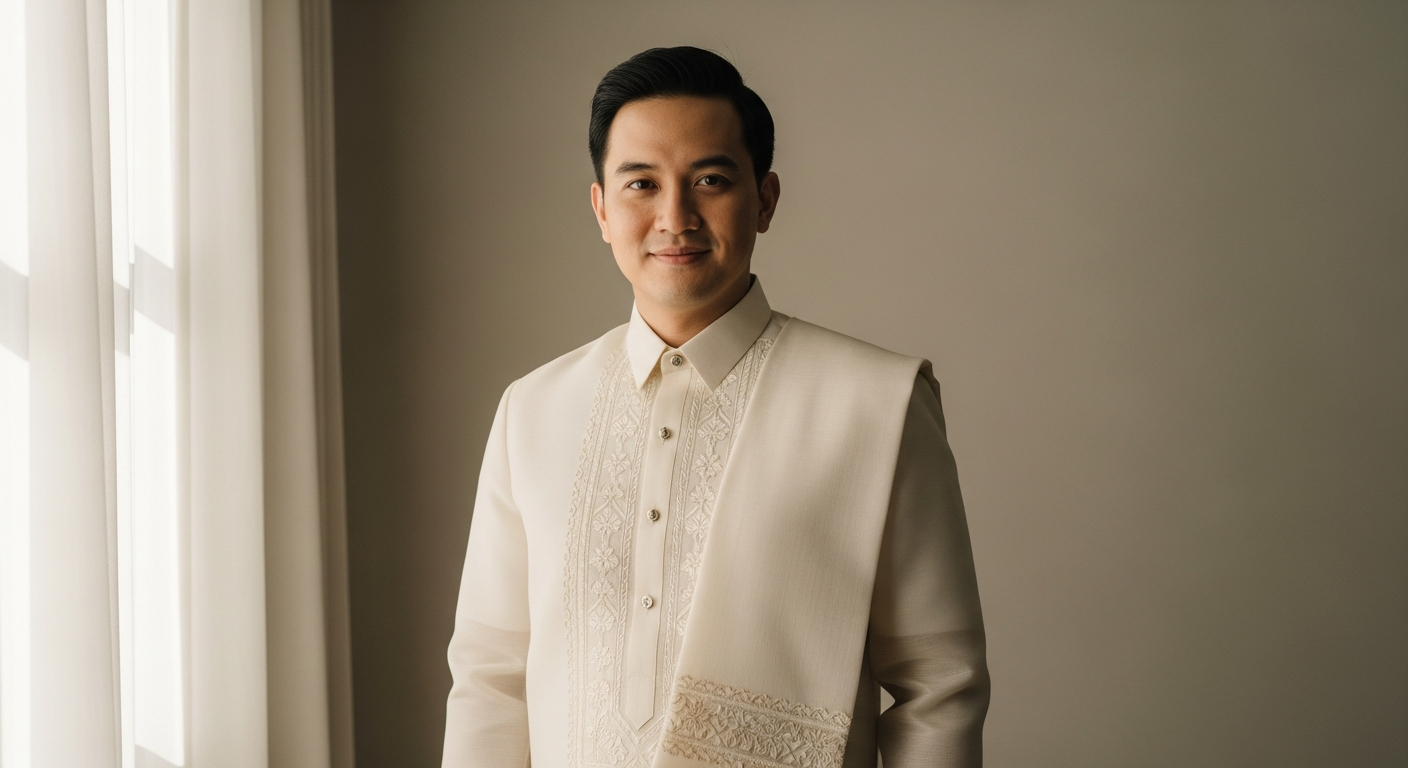
Did you know that the traditional barong tagalog remains one of the most coveted formal garments among Filipino professionals and cultural enthusiasts worldwide? This isn't just clothing—it's a statement piece that commands respect at every significant milestone, from corporate galas to intimate family ceremonies. The Men's Cocoon Raya Barong with All-Over Gold Embroidery from Kultura Filipino represents the pinnacle of this tradition, crafted from delicate cocoon fabric and adorned with intricate gold embroidery.
At ₱9,999.75, this barong is positioned as a premium investment that reflects both the labor-intensive handiwork and the cultural significance embedded in every stitch. Discover the Men's Cocoon Raya Barong and elevate your formal wardrobe today.
This guide will help you understand what makes this barong exceptional, how to style it confidently, explore proper care techniques, and evaluate whether this investment aligns with your values and lifestyle.
The Artistry Behind Cocoon Fabric and Gold Embroidery
Cocoon Fabric Origins: Understanding Why Cocoon Silk Creates That Distinctive Sheen and Delicate Texture
Cocoon fabric begins its journey with silk worms, but unlike traditional silk production, cocoon material retains certain natural properties that create its signature appearance. The fabric possesses an ethereal luminosity, a subtle sheen that catches light without appearing ostentatious. This comes from the way cocoon fibers scatter light across their surface, creating depth and movement even when the wearer stands still. The delicate texture derives from shorter fibers compared to conventional silk, resulting in a softer hand-feel and a fabric that drapes with refined elegance.
Hand-Embroidery Techniques: How Filipino Artisans Apply Gold Threading in Intricate All-Over Patterns
Filipino embroiderers possess generations of knowledge passed down through families and communities. For the all-over gold embroidery found on this barong, artisans carefully map out patterns before threading begins. Gold thread—often wrapped around a silk core for durability—is hand-stitched using needles that require precise control. Each stitch must sit at the correct angle to maximize the reflective properties of the gold, creating visual interest across the entire garment. The "all-over" designation means coverage spans the front, back, and sleeves, requiring hundreds of hours of meticulous work.
Material Sourcing: The Sustainable Practices Behind Cocoon Silk Production in the Philippines
The Philippines has maintained cocoon silk production as a sustainable agricultural practice for centuries. Local farmers cultivate mulberry trees to feed silkworms, creating a closed-loop system that benefits the environment. The cocoon harvest follows ethical practices, with artisans selecting materials that allow for both quality fabric and responsible production. This sourcing directly supports rural communities and maintains biodiversity in agricultural regions.
Durability Factors: Why Premium Materials Justify the Investment Despite Care Requirements
Cocoon fabric, when properly maintained, can last for decades or even generations. The natural protein structure of silk fibers provides inherent strength, and the craftsmanship involved ensures construction that withstands repeated wear. Gold embroidery, while requiring careful handling, remains vibrant and doesn't tarnish like some metallic materials. The investment in premium materials means your barong becomes more valuable over time rather than deteriorating like mass-produced alternatives.
Artisan Compensation: How Purchasing Supports Local Weavers and Embroiderers Directly
When you purchase the Men's Cocoon Raya Barong, a meaningful portion of the price goes directly to the hands that created it. Filipino artisans earn fair compensation for their skill and labor, allowing them to support their families and continue their craft. This direct support strengthens local economies and ensures that traditional techniques survive commercial pressures that often push crafts toward extinction.
Cultural Preservation: The Role of Pieces Like This in Maintaining Traditional Filipino Textile Arts
Each barong sold represents a vote for cultural preservation. The demand for authentic, handcrafted pieces motivates younger generations to learn weaving and embroidery from masters. Without continued interest in these garments, these skills risk disappearing entirely. When you wear a barong, you become part of a larger movement to keep Filipino textile traditions alive and thriving.
Styling the Men's Cocoon Raya Barong for Different Occasions
Wedding Ceremonies: Pairing with Formal Trousers, Accessories, and Complementary Pieces for Groom or Groomsman Roles
At weddings, the barong serves as the centerpiece of your formal ensemble. Pair it with crisp white or cream formal trousers, creating a clean silhouette that lets the gold embroidery take center stage. Add a barong with a matching tie in neutral tones or subtle patterns that complement rather than compete with the embroidery. For groomsmen, this creates a cohesive look that honors the groom while allowing individual expression through accessory choices.
Corporate Events and Galas: Creating Polished Looks Suitable for Business Formal Settings and Professional Celebrations
The barong transcends cultural contexts and fits seamlessly into corporate formal dress codes. Wear it with tailored black or navy trousers and polished dress shoes for executive-level galas and business celebrations. The gold embroidery signals confidence and cultural pride without appearing out of place in professional settings. Many Filipino executives and business leaders choose barongs for high-stakes presentations and formal company events.
Cultural Celebrations: Wearing with Pride at Filipino Festivals, Heritage Events, and Community Gatherings
Filipino festivals and heritage celebrations provide natural stages for the barong. At these events, the garment resonates culturally and emotionally, connecting you to community identity. The gold embroidery celebrates Filipino artistry in the presence of others who understand its significance. Wearing a barong to cultural events sends a message of pride and respect for your heritage.
Black-Tie Occasions: Elevating the Barong with Cufflinks, Dress Shoes, and Minimal Accessories for Maximum Impact
The barong can hold its own at black-tie events when styled with intention. Select simple gold or silver cufflinks that echo the embroidery without overwhelming it. Choose classic black dress shoes and a formal watch with a minimal face. The barong's intricate detailing means it requires minimal additional ornamentation—less is more in black-tie contexts.
Layering Options: Incorporating Jackets or Vests Without Compromising the Embroidery's Visual Impact
If climate or occasion demands layering, approach it carefully. A well-fitted vest in a complementary color can frame the barong beautifully. For cooler weather, consider a formal jacket in black, navy, or even cream that allows the barong's embroidery to remain visible. The key is ensuring that layering enhances rather than obscures the garment's artistry.
Footwear and Accessory Pairings: Selecting Complementary Pieces That Enhance Rather Than Compete with the Gold Embroidery
Footwear should be understated and elegant—black patent leather or formal dress shoes in neutral tones. Accessories like pocket squares, watches, and cufflinks should follow a minimalist approach. The barong itself is the statement piece; other elements should support and frame it. Avoid bold patterns or competing colors that distract from the embroidery's intricate beauty.
Color Coordination: Working with the Natural Cocoon Fabric Tone to Create Sophisticated Monochromatic or Contrasting Looks
The natural cream or off-white cocoon fabric pairs beautifully with neutrals. Create monochromatic sophistication by pairing with cream or white trousers, or introduce contrast with deep charcoal or black. Avoid bright colors that compete with the gold embroidery. The natural fabric tone is warm and inviting, making it versatile for various color palettes in formal wear.
Essential Care and Maintenance for Longevity
Dry Cleaning Requirements: Why Professional Cleaning Is Non-Negotiable for Cocoon Fabric and Gold Embroidery
The delicate nature of cocoon fabric and hand-embroidered gold threading demands professional dry cleaning. At-home washing risks shrinkage, color fading, and damage to the embroidery. Professional cleaners understand the specific requirements of silk garments and use appropriate solvents and techniques. Regular dry cleaning—after every 3-5 wearings or whenever visible soiling occurs—maintains the barong's appearance and longevity.
Storage Best Practices: Proper Hanging, Folding, and Environmental Conditions to Prevent Damage
Store your barong on a padded hanger in a climate-controlled closet, away from direct sunlight that can fade the fabric and gold threading. Ensure adequate spacing between garments to prevent creasing and wrinkling. Avoid plastic bags, which trap moisture; instead, use breathable garment bags. If folding becomes necessary, use acid-free tissue paper to protect the embroidery and prevent crease damage.
Handling Delicate Embroidery: Techniques to Avoid Snagging or Loosening Gold Threads During Wear
When putting on your barong, be mindful of jewelry, cufflinks, or rough surfaces that might snag threads. Lift the barong gently over your head rather than pulling it forcefully. Avoid leaning against rough surfaces or rubbing the embroidered areas. During wear, be conscious of your movements around furniture edges or sharp objects. Gentle handling preserves the embroidery's integrity and prevents costly repairs.
Humidity and Temperature Control: Creating Ideal Conditions in Your Closet to Preserve Fabric Integrity
Ideal storage conditions maintain humidity between 45-55% and temperature around 18-21°C (64-70°F). Excessive humidity promotes mold and mildew growth, while low humidity makes silk brittle. A climate-controlled closet with proper ventilation creates optimal conditions. In humid climates, consider using silica gel packets or a dehumidifier to protect your investment.
Stain Prevention and Treatment: Immediate Steps to Take If Accidents Occur Before Professional Cleaning
Prevention is your best defense against stains. Apply a fabric protectant spray designed for silk garments before wearing. If a spill occurs, blot immediately with a clean, white cloth—never rub. For minor stains, resist the urge to treat them yourself; instead, point them out to your dry cleaner. Professional treatment prevents permanent damage and ensures the stain doesn't set into the fibers.
Seasonal Storage: Protecting the Barong During Off-Season Months with Appropriate Materials
Before storing for extended periods, ensure the barong is clean and completely dry. Wrap it in acid-free tissue paper and place it in a breathable garment bag. Store in a cool, dark location away from direct sunlight, heat sources, and moisture. Check periodically for any signs of insect damage or environmental issues. Proper seasonal storage ensures your barong emerges pristine when needed.
Professional Restoration: When to Seek Expert Help for Repairs or Embroidery Touch-Ups
If gold threads loosen, fabric develops tears, or embroidery requires reinforcement, seek a professional restorer experienced with traditional Filipino garments. Attempting DIY repairs risks further damage. Professional restoration preserves the integrity and value of your piece. Many skilled artisans offer restoration services that maintain authenticity while extending the garment's life.
Frequency of Cleaning: Balancing Cleanliness with Fabric Preservation to Extend Garment Life
Strike a balance between cleanliness and preservation. Dry clean after every 3-5 wearings or whenever visible soiling appears. Avoid over-cleaning, which can wear down fabric and embroidery over time. Air out your barong between wearings in a well-ventilated space to refresh the fabric without requiring immediate cleaning.
Learn more about caring for your Men's Cocoon Raya Barong at Kultura Filipino.
Understanding the Premium Price Point and Investment Value
Material Costs: Breaking Down Why Cocoon Fabric Commands Higher Prices Than Synthetic Alternatives
Authentic cocoon silk undergoes specific harvesting and processing that synthetic alternatives cannot replicate. The natural fibers possess inherent qualities—luminosity, breathability, temperature regulation—that require no chemical enhancement. Cocoon silk sourced from Philippine farms commands premium prices due to limited production and ethical sourcing practices. These material costs represent genuine value, not markup.
Labor Intensity: The Hours Required for Hand-Embroidery and the Skilled Artisanship Involved
The all-over gold embroidery on this barong represents hundreds of hours of skilled handwork. Artisans cannot rush intricate embroidery without compromising quality. Their expertise, developed over decades, deserves compensation that reflects the value of their knowledge. When you purchase this barong, you're paying for genuine craftsmanship, not factory efficiency.
Longevity Comparison: Cost-Per-Wear Analysis When Properly Maintained Over Decades
A quality barong worn 20-30 times over a 50-year lifespan costs approximately ₱333-500 per wearing—comparable to renting formal wear for significant events. Mass-produced barongs priced lower may require replacement after 5-10 wearings, resulting in higher long-term costs. The Men's Cocoon Raya Barong's investment value becomes evident when considering its potential lifespan.
Resale and Heirloom Potential: Why Quality Barongs Retain or Appreciate in Value Over Time
Handcrafted cultural garments often retain value or appreciate over time, unlike trendy clothing that depreciates. Collectors and cultural enthusiasts actively seek authentic, well-maintained barongs. Heirloom potential means your investment could pass to future generations, creating value beyond personal use. Quality barongs have become sought-after pieces in both private collections and cultural institutions.
Ethical Sourcing Premium: The Added Value of Supporting Fair-Trade Filipino Artisans
The premium you pay includes ethical sourcing practices that ensure fair compensation for Filipino artisans. This isn't hidden cost—it's transparent value. Supporting fair-trade practices strengthens communities and preserves cultural traditions. Many buyers willingly pay premiums for garments produced ethically, viewing it as an investment in global cultural sustainability.
Market Positioning: How This Piece Compares to Mass-Produced Formal Wear and Fast-Fashion Barongs
The Men's Cocoon Raya Barong occupies a distinct market position between mass-produced barongs and haute couture pieces. It represents authentic craftsmanship at a premium but accessible price point. Unlike fast-fashion barongs that deteriorate rapidly, this piece maintains integrity and beauty across decades. Compared to high-end formal wear in other cultures, it offers exceptional value for handcrafted quality.
Depreciation Resistance: Why Handcrafted Cultural Garments Hold Value Differently Than Trend-Based Clothing
Handcrafted cultural garments transcend fashion cycles. A barong from 50 years ago remains stylistically appropriate today, while trend-based clothing becomes dated within seasons. This timelessness means your investment doesn't depreciate like fashion items. Museums and collectors recognize this value, making quality barongs investment-grade pieces in the broader context of clothing.
The Cultural Significance of Wearing a Barong Tagalog
Historical Context: The Barong's Evolution from Spanish Colonial Influence to Modern Filipino Identity Symbol
The barong tagalog emerged during Spanish colonial rule in the Philippines, evolving from European influences into a distinctly Filipino garment. What began as colonial adaptation transformed into a symbol of Filipino identity and resistance. Today, the barong stands as one of the most recognizable representations of Filipino culture worldwide. Its journey from colonial import to national symbol reflects the Filipino people's ability to reclaim and transform external influences into authentic cultural expressions.
Formal Dress Code Status: Why the Barong Ranks Alongside Tuxedos in Formal Filipino Society
In Filipino formal contexts, the barong holds equal status to tuxedos in Western formal settings. Government officials, business executives, and cultural leaders wear barongs to formal events, state functions, and ceremonial occasions. This official recognition elevates the barong beyond mere clothing into the realm of cultural protocol. Wearing a barong to formal events signals respect for Filipino cultural traditions and formal social structures.
National Pride Representation: The Garment's Role in Expressing Filipino Identity and Heritage
When you wear a barong, you visibly express pride in Filipino heritage. The garment communicates to observers—whether Filipino or international—that you honor your cultural roots. This visible representation strengthens cultural identity and creates connections with others who recognize the barong's significance. In increasingly globalized societies, the barong offers a tangible way to maintain and celebrate Filipino identity.
Generational Connections: How Wearing a Barong Links You to Ancestors and Cultural Traditions
Barongs create tangible links to ancestral traditions and family history. Many Filipinos inherit or acquire barongs worn by grandparents and parents, creating multi-generational connections. Wearing such pieces bridges past and present, honoring those who came before while affirming cultural continuity. The barong becomes a wearable genealogy, connecting you physically and spiritually to your heritage.
Global Recognition: The Barong's Growing Status as an Internationally Respected Formal Garment
The barong increasingly appears at international events, worn by Filipino diplomats, business leaders, and cultural ambassadors. International fashion recognition has elevated the barong's status beyond niche cultural garment to globally respected formal wear. This international acceptance allows Filipino wearers to express cultural pride in any global context, from international conferences to diplomatic events.
Ceremonial Importance: Specific Occasions Where Barongs Are Expected or Highly Valued
Certain occasions demand or strongly favor barongs in Filipino culture. Weddings, particularly groom and groomsman roles, traditionally feature barongs. Filipino fiestas, heritage celebrations, and cultural festivals highlight barong wearing. Government and official ceremonies often see prominent figures in barongs. Religious ceremonies and family milestones frequently feature barong-wearing family members. These ceremonial contexts give the garment profound social and cultural meaning.
Gender and Inclusivity: Understanding the Barong's Role in Filipino Formal Wear Across Demographics
While this piece focuses on men's barongs, the garment exists in various forms across gender presentations. The barong represents Filipino identity beyond gender boundaries, creating inclusive pathways for cultural expression. Understanding the barong's evolution toward inclusivity acknowledges that cultural pride transcends traditional gender categories. The garment's flexibility allows diverse individuals to engage with Filipino heritage through authentic formal wear.
Elevate Your Formal Wardrobe with Authentic Filipino Craftsmanship
The Men's Cocoon Raya Barong with All-Over Gold Embroidery transcends typical formal wear—it's a cultural investment, a collector's piece, and a statement of values all woven together. When you choose this barong, you're securing a garment that will command presence at weddings, galas, and ceremonies for decades to come.
The meticulous hand-embroidery, premium cocoon fabric, and authentic Filipino artistry justify the investment, especially when you factor in longevity and heirloom potential. Whether you're a cultural enthusiast seeking to honor your heritage, a professional wanting distinctive formal attire, or a collector appreciating handcrafted textiles, this barong delivers on multiple fronts.
Your purchase directly supports Filipino artisans and preserves traditional weaving and embroidery techniques that might otherwise fade into history. By investing in this piece, you become part of a movement that values cultural authenticity, ethical production, and timeless craftsmanship over disposable fashion trends.
Leave a Reply