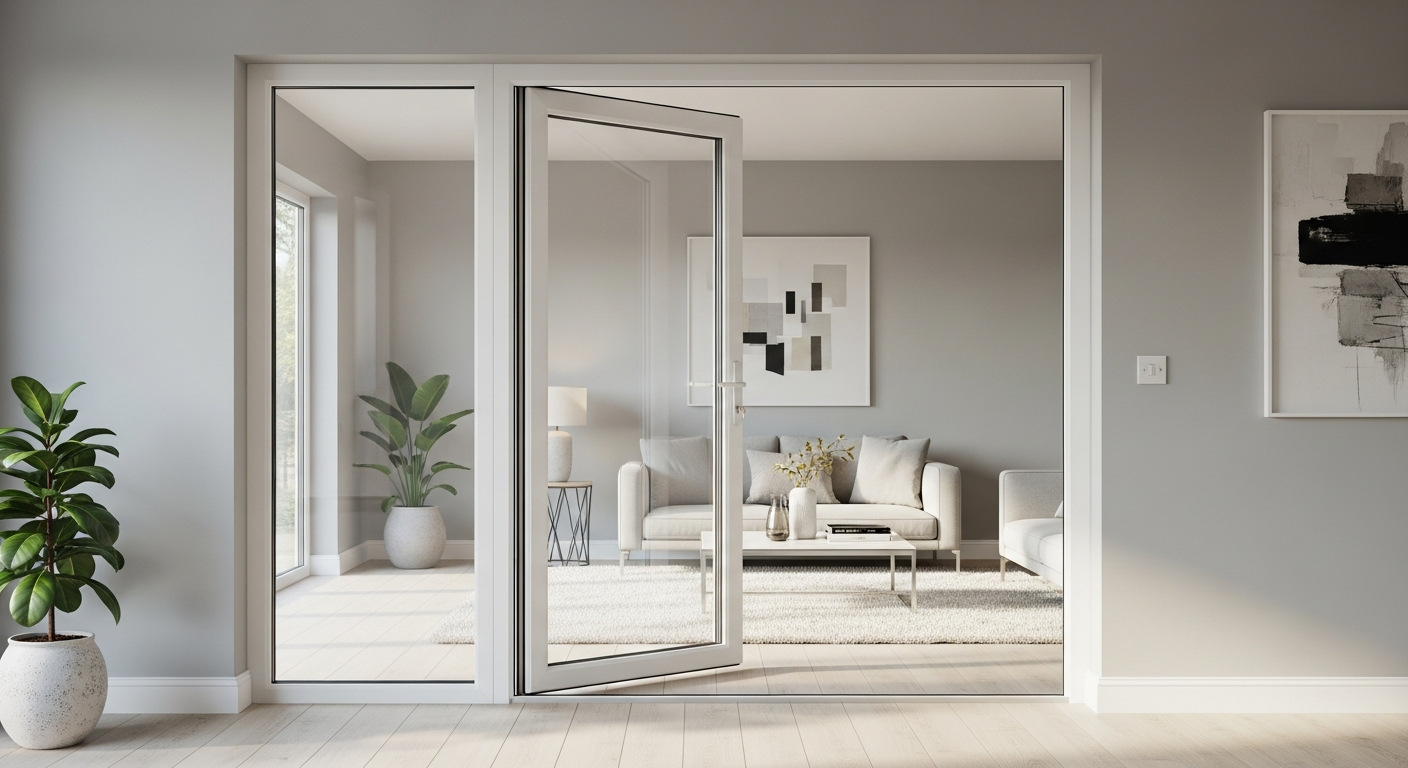
Unlocking Energy Efficiency: The Complete Guide to PVC Double Glazing Patio Doors
Introduction
Heat loss through inadequate doors and windows represents one of the most preventable expenses in home management—homeowners routinely lose up to 30% of their dwelling's heat through poorly insulated openings. This energy drain translates directly into higher heating bills, uncomfortable drafts, and reduced indoor comfort during colder months. The financial and comfort implications are significant enough that upgrading these critical access points deserves serious consideration.
The Porte-fenêtre Standard PVC Double Vitrage marks a fundamental shift in how contemporary homeowners approach outdoor access. This product merges door and window functionality into a single solution, delivering natural light and robust thermal insulation simultaneously. Rather than settling for single-glazed openings that hemorrhage heat, homeowners now have access to engineered systems that perform at professional standards while remaining affordable for typical renovation budgets.
Why PVC Double Glazing Dominates the Patio Door Market
PVC patio doors command market leadership not through marketing alone, but through measurable thermal performance. The construction methodology behind these systems explains their widespread adoption among both builders and homeowners.
Multi-chamber Construction Creating Superior Thermal Barriers
Standard PVC patio doors typically feature six individual chambers within the frame profile. These chambers function as insulating air pockets, interrupting the thermal pathway that would otherwise conduct heat directly from indoors to outdoors. The chamber design is precision-engineered to maximize insulation while maintaining structural rigidity—a balance that inferior materials struggle to achieve.
Triple-Seal Systems Preventing Heat Loss and Air Infiltration
Single-sealed frames allow air movement around the perimeter, defeating the purpose of interior insulation. Triple-seal configurations create redundant barriers against air infiltration. If the outer seal degrades over years of weather exposure, the middle and inner seals continue functioning. This redundancy explains why quality PVC systems maintain performance across decades rather than declining after five to seven years.
Thermal Insulation Performance Reaching Ug Values as Low as 0.6 W/(m²K)
The Ug value measures how much thermal energy passes through glazing. Lower numbers indicate superior insulation. Industry-standard double glazing typically achieves 1.1 W/(m²K), while the Porte-fenêtre Standard with enhanced thermal glazing reaches 0.6 W/(m²K)—a 45% improvement that accumulates into substantial annual energy savings across multiple openings.
Suitability for Passive House Standards and Low-Energy Building Certifications
Passive house certification requires windows and doors achieving Uw values (combined frame and glazing performance) below 0.8 W/(m²K). The PVC double glazing construction consistently meets these demanding standards, making these doors the preferred specification for energy-conscious new construction and deep renovation projects pursuing formal certifications.
Glazing Options That Transform Your Home's Energy Profile
Not every climate requires the same glazing specification. The configurator at fenetre24.com allows systematic upgrades based on actual environmental conditions rather than oversized specifications that waste budget.
Standard Double Glazing for Moderate Climate Zones
Double glazing with standard specifications performs adequately in temperate climates with moderate seasonal variation. This baseline option maintains affordability while delivering meaningful improvements over single glazing. Homeowners in regions with mild winters find this specification sufficient for comfort and cost management.
Triple Glazing Upgrades for Extreme Weather Conditions
Triple glazing adds a third pane, creating additional insulating air space. This upgrade becomes cost-effective in climates experiencing harsh winters, sustained cold periods, or altitude locations with temperature extremes. The incremental cost premium pays for itself within 8-12 years through reduced heating demand in these environments.
Enhanced Thermal Insulation Glass Reducing Heating/Cooling Demands
Advanced coatings applied to glazing surfaces reflect infrared radiation while remaining transparent to visible light. These low-emissivity (low-E) coatings function like thermal mirrors—bouncing heat back into living spaces during winter while reflecting solar heat away during summer. The performance improvement justifies the modest upgrade cost by reducing both heating and cooling requirements.
Acoustic Insulation Capabilities (Up to 5 Absorption Classes) for Noise Reduction
Specialized laminated glass configurations damp vibrations from external noise sources. Properties adjacent to highways, airports, or commercial districts benefit substantially from this feature. Acoustic insulation reaches up to 5 absorption classes, creating noticeable quiet improvements comparable to sound-dampening insulation installed in walls.
Opening Mechanisms and Configuration Flexibility
Functionality demands vary significantly based on room usage, climate control strategy, and spatial constraints. The Porte-fenêtre Standard accommodates these variations through multiple opening mechanisms.
Tilt-and-Turn Systems Offering Ventilation and Security
Tilt-and-turn mechanisms allow the door to open partially inward at the top for fresh air circulation without fully opening the door—useful for ventilation during mild weather when full opening would overcool the interior. Complete inward swing provides full access for furniture movement or emergency egress. The security advantage comes from the intermediate tilt position locking, preventing intrusion while permitting air exchange.
Sliding Door Configurations Maximizing Usable Floor Space
Swing mechanisms require clearance space equal to the door's width. Sliding systems move parallel to the wall, occupying no additional interior space. Families with limited floor area or specific furniture arrangements often prioritize sliding over traditional swing mechanisms.
French Door Styles Maintaining Traditional Architectural Aesthetics
French doors retain the visual character of older architecture while delivering contemporary thermal performance. Multiple panes within a single sash create the traditional appearance that complements period homes, while the PVC frame and modern seals provide modern energy efficiency.
Single, Double, and Quad-Sash Configurations
Single-sash configurations (one opening panel) suit narrow spaces or doorways. Dual-sash setups divide the opening equally, creating balanced proportions and lighter individual panels. Quad-sash designs (four individual panes) enhance traditional aesthetics and allow flexible ventilation control through independent operation of each sash.
Aesthetic Customization and Design Integration
Thermal performance means little if the finished installation clashes with interior and exterior design schemes. The Porte-fenêtre Standard addresses this through extensive customization.
Extensive RAL Color Palette Beyond Standard White Finishes
While PVC's natural white finish offers versatility, the product configurator provides access to hundreds of RAL colors. Charcoal, anthracite, deep gray, taupe, and woodgrain finishes coordinate with contemporary or period exteriors. Internal frame colors can differ from external finishes, coordinating with interior décor while presenting desired exterior aesthetics.
Matching Frames with Interior Décor and Exterior Cladding
Coordinating frame colors with existing cladding or siding creates visual coherence. Interior-facing frame colors should harmonize with wall treatments and flooring. The configurator displays color previews allowing assessment of combinations before ordering.
Sash and Frame Proportions Aligning with Period or Modern Architecture
Slim-frame profiles suit minimalist contemporary design, while wider frame sections with multiple glazing divisions enhance traditional aesthetics. The configurator accommodates these proportional preferences through variable sash widths and pane configurations.
Handle and Hardware Finishes (Stainless Steel, Chrome, Matte Black Options)
Hardware selection represents the final aesthetic detail. Stainless steel handles convey industrial minimalism, chrome adds polished formality, while matte black creates contemporary sophistication. These finishing touches unify the door's appearance with broader design intentions.
Real-World Performance: Energy Savings and Comfort Gains
Specification sheets describe performance; actual lived experience determines satisfaction. The Porte-fenêtre Standard delivers concrete benefits beyond energy modeling.
Quantifiable Reduction in Heating Costs (15-25% Annually for Full Home Upgrades)
Replacing older single-glazed doors and windows with high-performance PVC systems reduces annual heating costs by 15-25% when fully implemented across a home. Individual door or window replacements produce proportional savings. A family spending $1,800 annually on heating might recover $270-450 through systematic upgrades—meaningful savings compounding over 20-30 year lifespans.
Elimination of Cold Drafts and Thermal Bridging Issues
Cold air movement around poorly sealed frames creates uncomfortable drafts regardless of interior heating. The triple-seal PVC system eliminates these drafts entirely. Interior surfaces near the glass and frames remain warmer, eliminating the radiant cooling sensation that makes spaces feel cold despite adequate air temperature.
Condensation Prevention Through Advanced Seal Technology
Condensation forms when warm interior air contacts cold glass surfaces. High-performance glazing and frames remain warm enough that condensation never forms. This prevents water damage to surrounding materials and maintains clear views regardless of outdoor temperature.
Year-Round Temperature Stability in Living Spaces
Homes with upgraded doors and windows maintain consistent interior temperatures with minimal heating or cooling input. Sleeping rooms remain comfortable without space heaters. Living areas avoid uncomfortable temperature swings between sunny and cloudy periods.
Installation Realities and What to Expect
Quality doors require quality installation. Understanding the installation process prevents surprises.
Professional Installation Requirements for Optimal Performance
DIY installation rarely achieves the seal quality that professional installation delivers. Installers understand frame leveling, gasket seating, and closure force adjustment—details that dramatically affect long-term performance. Budget for professional installation rather than attempting self-installation.
Assembly Complexity Varying by Configuration Choice
Simple single-sash configurations require straightforward assembly. Quad-sash French door designs with multiple glazing divisions require more complex procedures. Understand the specific complexity of your chosen configuration before scheduling installation.
Measurement Accuracy Critical for Seamless Fit
Door openings rarely measure exactly as architectural drawings suggest. Professional installers verify actual dimensions before ordering. This measurement step prevents costly order corrections.
Timeline Expectations from Order to Installation Completion
Standard configurations ship within 4-8 weeks. Custom color selections may extend this timeline. Installation typically occurs within 2-3 business days once materials arrive. Factor these timelines into renovation planning.
Comparing PVC Double Glazing to Alternative Materials
PVC dominates the market because it balances performance and cost effectively. Alternative materials present different trade-offs.
PVC Versus Aluminum Thermal Performance Differences
Aluminum conducts heat readily, creating thermal bridges that compromise efficiency. PVC's insulating properties far exceed aluminum's performance. Aluminum doors require thermal breaks (insulating strips interrupting the metal frame) to approach PVC's baseline efficiency. For climate zones experiencing significant temperature variation, PVC's superior insulation justifies any aesthetic preference for aluminum.
Wood Alternatives and Maintenance Burden Comparison
Wood frames deliver natural aesthetics and can match period architecture beautifully. The maintenance burden, however, is substantial. Wood requires regular painting or staining, develops rot if water penetration occurs, and swells or shrinks with seasonal humidity changes—potentially compromising seals. PVC requires only occasional cleaning with mild soap.
Hybrid PVC-Aluminum Systems Balancing Aesthetics and Efficiency
Hybrid systems combine PVC's insulating interior frame with aluminum's exterior cladding. The aluminum exterior resists weather damage and offers color options while the PVC interior maintains thermal efficiency. This approach provides aesthetics approaching wood or aluminum while preserving PVC's insulation benefits. The cost premium over pure PVC typically ranges from 15-25%.
Cost-Per-Year Analysis Factoring Maintenance and Replacement
PVC systems might cost 10-20% less initially than wood but require virtually no maintenance. Wood requires painting every 5-7 years—at $8-15 per square foot, a large door installation can cost $1,500-3,000 per painting cycle. Over 30 years, this maintenance substantially exceeds the initial cost difference. Aluminum systems avoid wood's maintenance but sacrifice thermal performance efficiency.
Making Your Decision: Is This Patio Door Right for Your Project?
The Porte-fenêtre Standard suits most applications, but certain scenarios align more naturally with this product.
Assessment Checklist for New Construction Applications
New construction planning benefits from designing around the Porte-fenêtre Standard specifications. The configurator allows precise dimensioning before framing. Selecting doors early in planning ensures architectural integration rather than forcing compromises around existing openings.
Renovation Compatibility with Existing Structural Elements
Renovation projects often encounter complications—header strength inadequate for wider openings, inconsistent opening dimensions, or structural modifications required. Verify that existing structure can accommodate desired configurations before ordering. Professional assessment prevents expensive corrections.
Budget Alignment with Quality Expectations
The Porte-fenêtre Standard delivers professional performance at family-friendly pricing. This product doesn't represent the economy basement option nor does it occupy premium luxury territory. Homeowners comfortable with mid-range pricing expecting good-not-spectacular quality find natural satisfaction. Those requiring either absolute minimum cost or maximum prestige aesthetic should evaluate alternatives.
Climate Zone Matching for Optimal Performance
Moderate climate zones find standard double glazing fully adequate. Cold climates benefit from triple glazing or enhanced thermal glass. Verify your climate zone's typical winter minimums and summer maximums to specify appropriate glazing levels avoiding undersized or oversized specifications.
Transform Your Outdoor Living: Taking Action on Your Patio Door Investment
The Porte-fenêtre Standard PVC Double Vitrage stands as a compelling solution for homeowners balancing performance, aesthetics, and budget constraints. What makes this product genuinely remarkable is its ability to deliver professional-grade thermal insulation while remaining accessible to everyday families. The multi-chamber PVC construction, coupled with advanced double glazing technology, creates tangible energy savings that compound year after year. Customization is the backbone of the product's appeal—whether installing a garden door or large glazed opening, the configurator empowers exact specification matching without overpaying for unnecessary features.
The thermal improvements translate beyond abstract energy savings into tangible comfort improvements. Living spaces maintain consistent temperatures. Drafts disappear. Morning condensation ceases forming on glass surfaces. The acoustic insulation quiets external noise. These accumulated benefits justify the investment from both financial and quality-of-life perspectives.
Your next step involves moving beyond research into active specification development. Rather than relying on general recommendations, your specific dimensions, climate zone, aesthetic preferences, and budget deserve individual consideration. The configurator accommodates this personalization through interactive adjustments with real-time pricing.
Leave a Reply