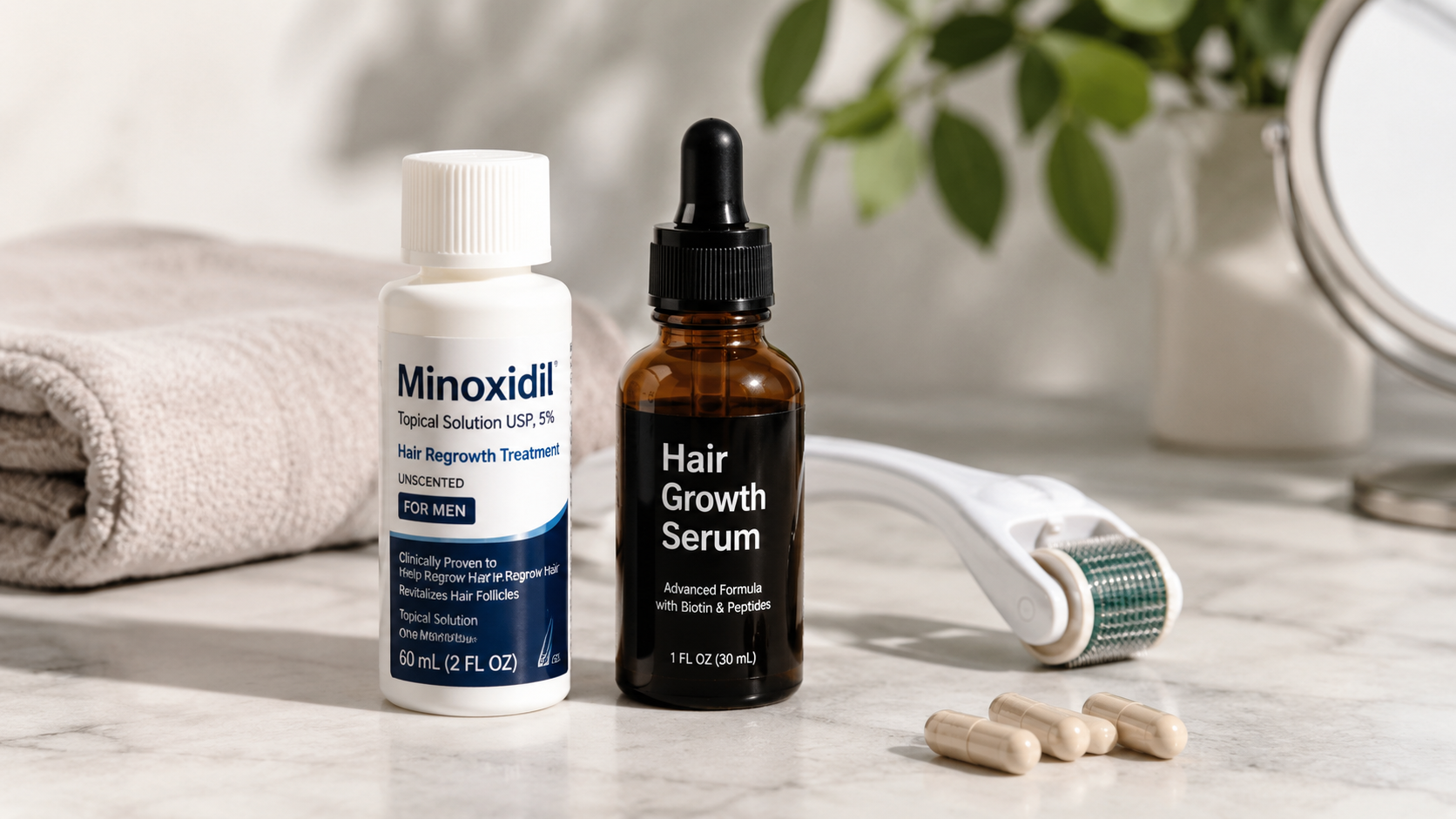
Hair loss can affect people of different ages and may happen gradually or suddenly, depending on the cause.
While losing some hair every day is normal, noticeable thinning, widening parts, or bald patches often raise concerns.
The good news is that several hair loss treatment options are available today, ranging from lifestyle changes and over-the-counter products to prescription medications and medical procedures.
The best choice depends on the reason behind the hair loss, overall health, and personal goals. Before starting any treatment, it helps to understand what may be causing the problem.
Some people respond well to simple changes in hair care or nutrition, while others may need medical evaluation and long-term management.
What Causes Hair Loss?
Hair loss is a symptom rather than a condition by itself. Identifying the cause may improve the chances of selecting an appropriate treatment.
Common causes include:
- Genetics (androgenetic alopecia)
- Hormonal changes
- Aging
- Stress or illness
- Nutritional deficiencies
- Certain medications
- Autoimmune conditions
- Tight hairstyles or excessive heat styling
- Scalp infections
Some causes are temporary, while others may require ongoing treatment.
Signs That May Need Medical Attention
Occasional shedding is normal, but certain symptoms may indicate the need for professional evaluation.
These include:
- Rapid or sudden hair loss
- Bald patches
- Itchy or painful scalp
- Hair breaking easily
- Significant thinning within a few months
- Hair loss after starting new medication
A healthcare professional or dermatologist may recommend blood tests or a scalp examination to identify the cause.
Hair Loss Treatment Options
Several treatment approaches are available. Results vary depending on the individual and the underlying cause.
1. Topical Hair Growth Treatments
Topical products are commonly used for hereditary hair loss.
Potential benefits include:
- Supporting hair regrowth
- Slowing hair thinning
- Helping maintain existing hair
These products often require consistent use for several months before noticeable changes may appear.
2. Prescription Medications
Prescription medications may be recommended for certain types of hair loss.
A healthcare provider will determine whether medication is appropriate based on:
- Age
- Medical history
- Cause of hair loss
- Potential side effects
Stopping medication may allow hair loss to resume, so long-term treatment is sometimes necessary.
3. Platelet-Rich Plasma (PRP) Therapy
PRP therapy uses concentrated platelets from the patient’s own blood.
The treatment may:
- Support healthier hair follicles
- Improve hair density in some individuals
- Work alongside other treatments
Research continues, and results vary from person to person.
4. Low-Level Laser Therapy
Low-level laser devices use light energy to stimulate hair follicles.
Possible advantages include:
- Non-invasive treatment
- Home-use devices available
- Minimal recovery time
Some studies suggest it may help certain people with pattern hair loss when used consistently.
5. Hair Transplant Surgery
Hair transplant procedures move healthy follicles from one area of the scalp to another.
Suitable candidates often:
- Have stable hair loss
- Have enough donor hair
- Understand realistic outcomes
6. Lifestyle Improvements
Daily habits may influence overall hair health.
Helpful practices include:
- Eating a balanced diet
- Managing stress
- Sleeping adequately
- Avoiding harsh chemical treatments
- Limiting excessive heat styling
- Treating scalp conditions promptly
Lifestyle changes alone may not reverse genetic hair loss, though they can support healthy hair growth.
Hair Loss Treatment Comparison
| Treatment | Best For | Prescription Needed | Time Before Results |
|---|---|---|---|
| Topical treatments | Pattern hair loss | Sometimes | 3–6 months |
| Oral medications | Certain medical conditions | Yes | 3–6 months |
| PRP therapy | Selected patients | Performed by professionals | Several sessions |
| Low-level laser therapy | Mild to moderate thinning | No | Several months |
| Hair transplant | Permanent hair restoration | Surgical consultation | Several months to one year |
| Lifestyle improvements | Overall hair health | No | Varies |
Can Nutrition Affect Hair Growth?
Yes. Hair requires nutrients to grow properly.
Important nutrients include:
- Protein
- Iron
- Zinc
- Vitamin D
- Biotin (only if deficient)
- Vitamin B12
Taking supplements without a confirmed deficiency may not improve hair growth. A healthcare provider can recommend testing if nutritional deficiencies are suspected.
Hair Care Habits That May Reduce Hair Damage
Healthy hair care supports existing hair and may reduce unnecessary breakage.
Good habits include:
- Using gentle shampoos
- Avoiding tight ponytails or braids
- Brushing carefully
- Protecting hair from excessive heat
- Keeping the scalp clean
- Trimming split ends regularly
These habits improve hair appearance, although they may not treat medical causes of hair loss.
Frequently Asked Questions
What is the most effective hair loss treatment?
The most effective treatment depends on the cause of the hair loss. Genetic hair loss often responds differently than hair loss caused by stress, illness, or nutritional deficiencies.
How long does hair loss treatment take to work?
Many treatments require at least three to six months before noticeable improvement. Some treatments may take longer.
Can hair grow back naturally?
Temporary hair loss caused by stress, illness, or hormonal changes may improve naturally once the underlying cause resolves.
Are natural remedies effective?
Some natural approaches may support scalp health, but scientific evidence varies. They should not replace medically recommended treatment when an underlying condition exists.
When should someone see a doctor?
Seek medical advice if hair loss is sudden, severe, accompanied by scalp pain, or associated with other symptoms such as fatigue or unexplained weight changes.
Tips Before Starting Hair Loss Treatment
Before beginning treatment, keep these suggestions in mind:
- Identify the likely cause first.
- Take photos to monitor progress.
- Be patient with results.
- Follow product instructions carefully.
- Consult a dermatologist for persistent or worsening hair loss.
- Maintain healthy nutrition and scalp care.
Choosing the Right Hair Loss Treatment
Hair loss can happen for many reasons, so there is no single solution that works for everyone. The right hair loss treatment depends on the underlying cause, your overall health, and your expectations.
Early evaluation may improve treatment outcomes, especially for hereditary hair loss.
If hair loss continues or becomes more noticeable, consulting a healthcare professional can help identify the cause and guide you toward an appropriate treatment plan.
Leave a Reply