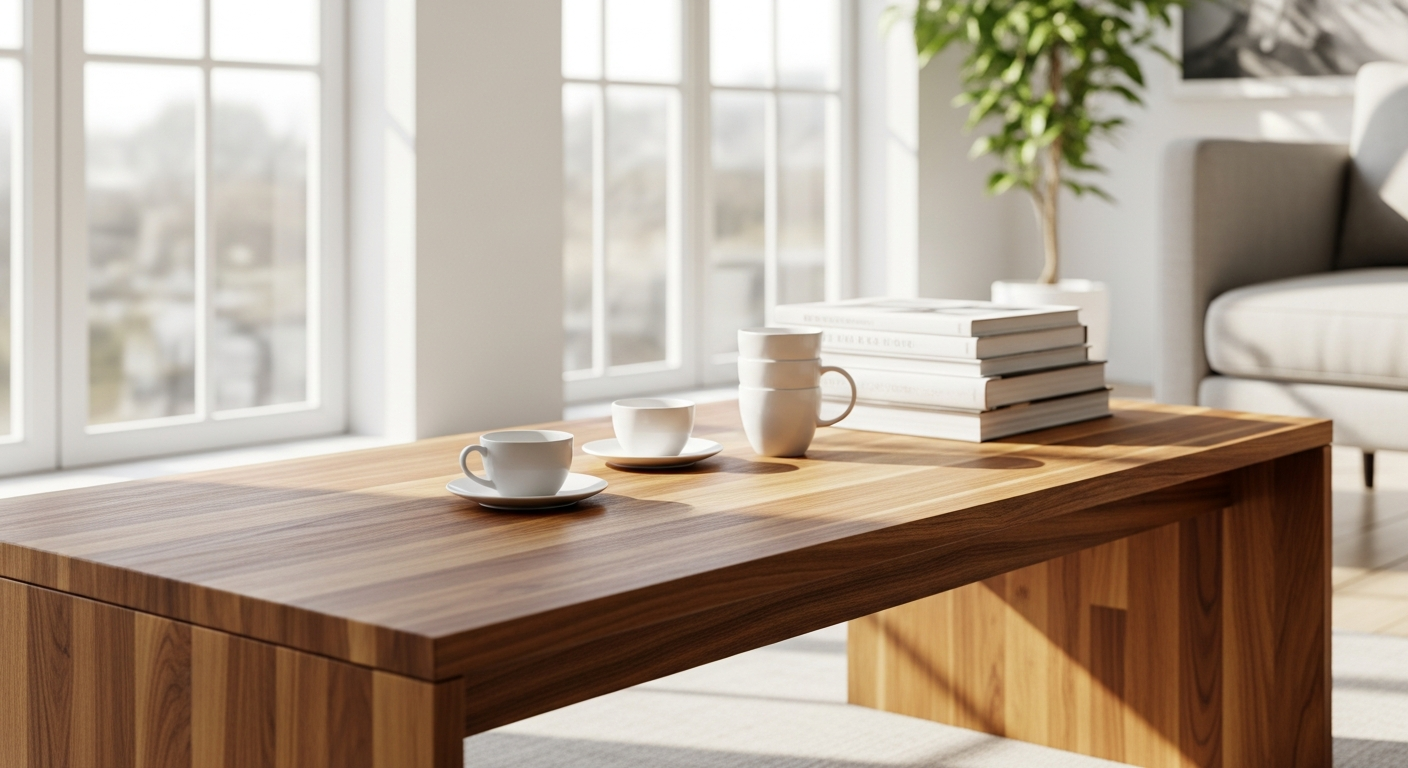
In an era where homeownership has become increasingly about personal expression, the demand for custom furniture has surged dramatically. Over 60% of homeowners now prioritize personalized furniture over mass-produced pieces, recognizing that their living spaces should reflect their individual tastes and needs. The Omba Custom Wood Coffee Table represents a fundamentally different approach to home furnishing, where you collaborate with skilled artisans to create something entirely yours—a piece that's built to your exact specifications rather than squeezed into a standard mold.
This shift toward customization speaks to a broader movement in interior design and home culture. People are tired of cookie-cutter furniture that looks identical in thousands of homes. Instead, they're seeking investment pieces that tell their story, fit their spaces perfectly, and stand the test of time through quality craftsmanship and materials.
This guide breaks down everything you need to know before commissioning your custom table, including design options, materials, specifications, and whether this investment makes sense for your home.
Explore Omba Gallery's custom coffee table options today.
What Sets Omba's Handcrafted Approach Apart from Mass Production
The gap between custom and mass-produced furniture is widening as manufacturing shortcuts become increasingly obvious. Omba's bespoke creation process starts with your vision. Each table is individually designed and built to your exact specifications rather than manufactured in batches. This isn't a matter of selecting from limited stock; it's about genuine collaboration.
Artisanal craftsmanship forms the backbone of what makes these tables special. Skilled woodworkers dedicate time to precision and detail that automated production simply cannot replicate. A machine can produce consistent pieces quickly, but it cannot make decisions about wood grain flow, subtle joinery adjustments, or the kind of thoughtful construction that feels luxurious when you run your hand across the surface.
Quality control in handcrafted furniture operates on a different level altogether. Custom-made construction allows for rigorous inspection at every stage, catching imperfections before they reach you. There's accountability built into the process—the artisan who creates your table takes pride in delivering something genuinely excellent.
Sustainable practices represent an often-overlooked benefit of custom furniture. Factory production creates massive waste through overproduction and unsold inventory destined for landfills. Custom-made furniture reduces this waste by eliminating overproduction entirely. You're commissioning only what you'll actually use.
The durability advantage of solid wood construction and meticulous joinery creates pieces built to last decades, not years. This longevity transforms the economics of furniture ownership entirely. When you calculate the cost-per-year of use over 20 or 30 years, custom pieces often become the most affordable option available.
Customization Options That Transform Your Space
Your custom table begins with wood species selection. You can choose from premium options like white oak for durability, or explore other high-quality timber varieties based on your aesthetic preference. Each wood type brings different characteristics—color variations, grain patterns, and aging properties. The wood you select becomes a defining feature of the finished piece.
Dimension flexibility means your table fits your actual space perfectly. Select lengths from 36 to 60 inches, widths from 18 to 30 inches, and heights from 16 to 20 inches to fit your exact layout. This precision matters far more than people typically realize. A table that's even a few inches off can throw off an entire room's proportions or make traffic flow awkward.
Finish and stain choices allow you to customize the surface treatment to complement your existing decor. You might prefer natural wood tones that showcase the timber's grain, or contemporary stains that add depth and richness. The finish protects the wood while establishing the table's final aesthetic impact.
Design element personalization goes beyond basic dimensions. Incorporate unique details like leg styles, edge profiles, or surface treatments that reflect your taste. These details transform a functional object into something that feels genuinely tailored to your home.
Functional features adapt the table to how you actually live. Add storage compartments for remotes and magazines, adjustable heights for different seating arrangements, or specialized surfaces based on how you'll use the table. The customization extends to utility, not just appearance.
Start customizing your perfect coffee table with Omba Gallery.
Understanding Materials and Construction Quality
White oak stands out as a premium choice for investment pieces. Its natural durability, beautiful grain patterns, and inherent resistance to wear make it particularly suitable for furniture that will see regular use. This isn't a trendy wood; it's a time-tested material that's been used in fine furniture for centuries.
Solid wood construction fundamentally differs from veneer or particle board alternatives. Solid wood develops character over time, acquiring a patina that only becomes more beautiful with age. Unlike veneered pieces, solid wood tables can be refinished if needed, extending their lifespan indefinitely. You're not just buying a table; you're acquiring something that can be passed down.
Wood weight implications might seem trivial, but they matter considerably. Expect substantial, sturdy pieces that feel solid underfoot—a reliable sign of quality construction. If your table feels light and fragile, something's wrong. Weight indicates density, which indicates durability.
Joinery techniques represent the hidden artistry in fine furniture. Traditional woodworking methods create stronger connections than fasteners alone. The way wood pieces fit together, using techniques refined over generations, creates structural integrity that lasts. This is where handcraftsmanship truly shines.
Finish protection serves dual purposes. Premium finishes protect the wood from moisture, scratches, and daily wear while enhancing its natural beauty. A quality finish allows the wood's character to show through rather than masking it beneath thick, plastic-like coatings.
Navigating the Investment: Pricing and Value Proposition
Price range reality requires honest expectations. Budget for mid to high-end pricing between $1,000 to $4,000 or more, depending on complexity, wood choice, and dimensions. This reflects the reality of handcrafted, custom furniture—it costs more than factory-produced alternatives because it's genuinely different.
Cost factors breakdown reveals where your investment goes. Design complexity influences pricing significantly. A simple rectangular table with straight legs costs less than an asymmetric design with curved surfaces. Wood species selection matters; white oak typically costs more than other varieties but offers superior durability. Size specifications affect material costs and labor time. Finish choices and special treatments add to the final price.
Comparison to mass production becomes clearer when you examine what you're actually getting. Higher upfront cost reflects superior materials, craftsmanship, and longevity compared to off-the-shelf alternatives. A $2,000 custom table built to last 30 years costs roughly $67 annually. A $400 mass-produced table lasting 5 years costs $80 annually—and provides far less satisfaction.
Long-term value calculation extends beyond mere economics. A well-made custom piece serves as a lasting focal point, often appreciating in sentimental value over time. It becomes part of your home's character and history rather than just furniture you tolerate.
Payment and timeline expectations require planning. Budget for longer lead times during the creation process; this isn't an impulse purchase. Most custom work involves significant waiting periods as your table is designed, built, and finished. This timeline is actually a feature—it forces intentional decision-making rather than snap judgments.
The Design Process: From Vision to Reality
Initial consultation opens the conversation between you and experienced designers. Share your space, style preferences, and functional needs clearly. Be specific about how you live. Do you entertain frequently? Work from your coffee table? Have young children who'll crawl underneath it?
Mood board and inspiration gathering helps communicate your aesthetic vision clearly. Bring examples of styles you love—photographs from design magazines, Pinterest boards, or even furniture you admire in friends' homes. Visual language often communicates better than words.
Prototype and approval stages involve reviewing design mockups and specifications before production begins. You'll see exactly what your table will look like, understand all dimensions, and have opportunity to request adjustments. This stage prevents costly mistakes.
Material sampling deserves serious attention. Examine actual wood samples and finish options in your own lighting conditions. Showroom lighting differs dramatically from home lighting. A wood that looks one way under fluorescent lights might look completely different in your living room. Take samples home, live with them for a few days, and see how they feel to you.
Measurement and space planning ensures dimensions work perfectly within your room layout and with existing furniture. The design team will likely request photographs of your space and specific measurements of surrounding furniture. This precision prevents surprises.
Practical Considerations Before You Commit
Space assessment requires careful measurement of your room. Consider traffic flow—will the table obstruct movement through the space? Think about seating arrangement. Does your sofa face a wall or windows? How will the table relate to your seating? Visual balance matters too; a table that's too large can overwhelm a small room, while one that's too small disappears in a large space.
Lifestyle compatibility evaluation helps ensure a custom table truly fits your daily life. Do you have pets that might scratch the surface? Children who'll spill juice and drop toys? Do you entertain frequently or work from your coffee table? These practical realities should shape your design choices. A table designed for elegant entertaining might be wrong for a young family.
Maintenance requirements demand honesty with yourself. Natural wood requires care. You'll need regular cleaning routines and occasional refinishing as years pass. If you're not willing to maintain a wooden surface, this might not be the right investment. However, this maintenance is actually a feature if you embrace it—the ritual of caring for something beautiful connects you to the object.
Delivery logistics require planning before your table arrives. How will a substantial, handcrafted piece be transported and positioned in your home? Can it come through your front door? Do you have adequate floor space to set it down? Will you need professional movers? Consider these practical questions early.
Return policies and guarantees should be clarified upfront. What happens if the finished piece doesn't meet expectations? Reputable custom furniture makers stand behind their work, but understanding the specifics prevents future disappointment. Most handcrafted furniture involves some level of buyer responsibility—you've selected the specifications, after all—but craftsmanship guarantees should still exist.
Bringing Your Custom Table Home
The journey toward owning an Omba Custom Wood Coffee Table is fundamentally different from typical furniture shopping. You're not simply purchasing an object; you're collaborating with artisans to create something that belongs entirely to you. This partnership transforms the entire experience.
The investment of time, thought, and resources pays dividends every single day you live with a piece that's genuinely tailored to your space and style. When you sit down at your table each morning with coffee, or gather around it with friends in the evening, you'll feel the intentionality embedded in every element. That's what separates custom furniture from everything else.
Starting the process requires honest self-assessment. What dimensions would work in your room? What wood species calls to you? Do you prefer minimalist simplicity or statement-making design? These decisions shape your final piece.
Reach out to Omba Gallery directly—their team thrives on understanding your vision and translating it into reality. They've guided countless people through this process and bring expertise to questions you haven't yet considered. The consultation itself is valuable.
In 2026's landscape of endless options and fleeting trends, handcrafted furniture made with intention and built to last is worth the wait. You're choosing substance over speed, meaning over convenience. That choice pays forward for decades.
Begin your custom coffee table journey with Omba Gallery now.
Leave a Reply