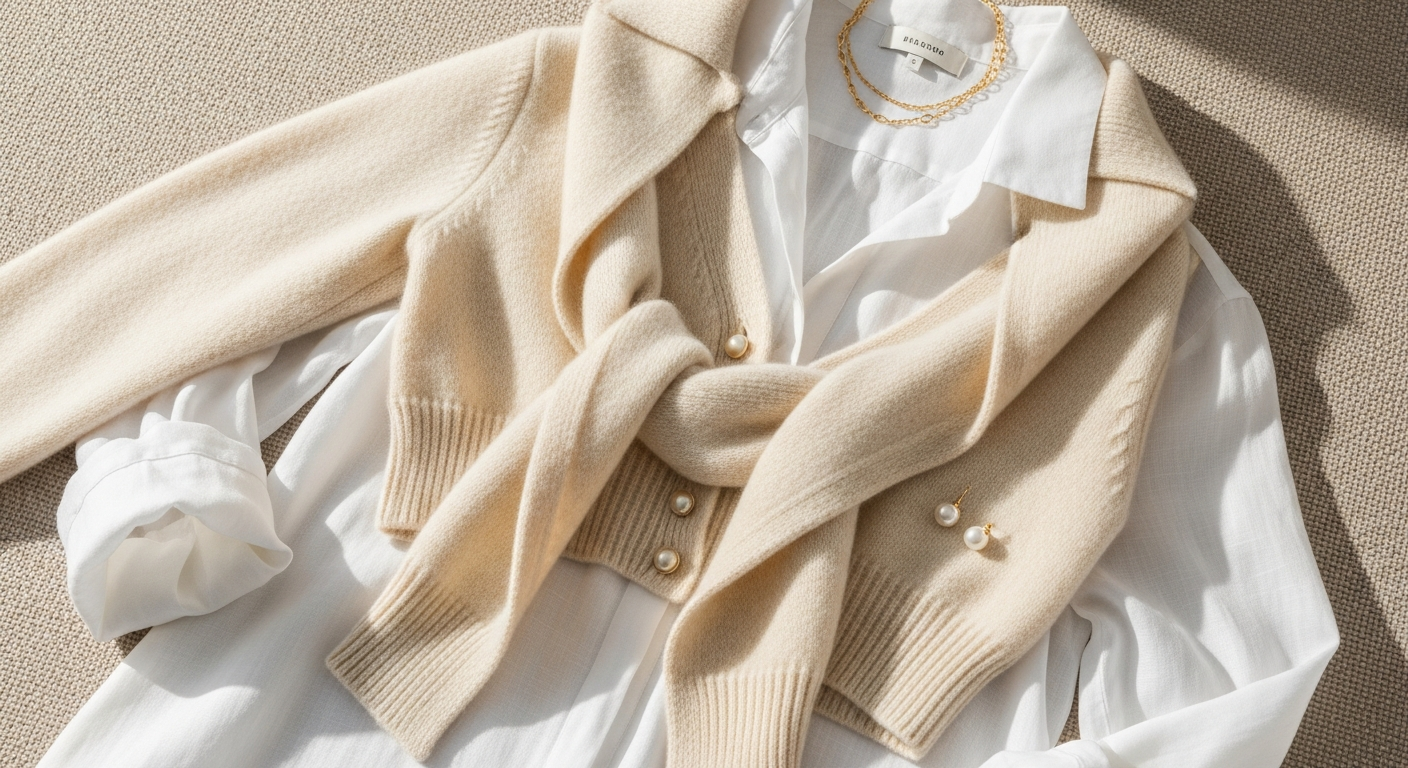
The Scottish Heritage and Timeless Elegance of Investment Cashmere
Over three decades, Brora's partnership with a single Scottish mill has become a rarity in an industry obsessed with cost-cutting. While most luxury brands chased cheaper production abroad, Brora doubled down on one relationship, one mill, one standard. That decision shapes everything about the Cashmere Cropped Cardigan—a piece that has transcended seasonal trends to become a genuine wardrobe cornerstone for anyone who understands the difference between expensive and valuable.
The Brora Cashmere Cropped Cardigan has achieved cult status among fashion editors, stylists, and anyone serious about building a lasting wardrobe. Its reputation rests on something increasingly rare: consistency. Year after year, this cardigan delivers the same softness, the same flattering silhouette, the same durability that made it a best-seller in the first place. That's not accident. That's three decades of refined expertise meeting uncompromising standards.
This article examines what makes this cardigan worthy of its premium position—from the Mongolian plateau where its fibers originate to the 50-step manufacturing process that brings it to life. You'll discover how the Scottish mill partnership ensures quality control, why ethical sourcing matters to the final product, and whether the $585 price tag translates to genuine value. By the end, you'll understand exactly why fashion professionals and discerning customers return to this piece again and again.
Discover the Brora Cashmere Cropped Cardigan and experience luxury craftsmanship firsthand.
The Scottish Heritage Behind Every Stitch
Brora's Three-Decade Partnership with a Single Scottish Mill
Most luxury brands treat manufacturing as a commodity. Brora treats it as a partnership. For over thirty years, the brand has worked with the same Scottish mill, a decision that flies in the face of modern supply chain optimization. This stability means something tangible: the mill has invested in equipment specifically designed for Brora's standards, the workforce understands every nuance of the brand's requirements, and quality control exists at a level that's simply impossible to replicate by rotating between different manufacturers.
This longevity creates institutional knowledge. The mill knows what Brora expects, not just in specifications but in the subtle qualities that separate luxury from competent production. That's why a cardigan made in 2015 feels virtually identical to one made today—consistency that costs far more to maintain than simply switching suppliers whenever someone offers a cheaper bid.
What Makes Scottish Cashmere Mills Different from Mass-Production Facilities
Scottish mills have cultivated expertise over centuries, a heritage that contemporary high-volume facilities simply cannot match. These mills work with smaller batches, invest in specialized equipment, and employ craftspeople who have spent decades perfecting their craft. The water in Scotland—soft and naturally suited to processing delicate fibers—plays a role in the final texture that no amount of chemical treatment can replicate elsewhere.
Mass-production facilities prioritize throughput. A Scottish heritage mill prioritizes precision. The difference shows in how the fiber responds to water, how it holds its shape after dozens of washes, and the barely perceptible softness that distinguishes luxury from ordinary cashmere.
Hand-Finished Details and Artisanal Techniques Still Employed Today
The Brora Cashmere Cropped Cardigan isn't mass-produced and then finished by hand. Rather, hand-finishing work is woven throughout the manufacturing journey. The mother-of-pearl buttons are sewn by hand—not because it's faster or cheaper, but because it ensures each button is secured with precision that automated systems cannot match. The grosgrain ribbon trim is applied with attention to how it sits against the body, ensuring comfort alongside aesthetics.
These aren't sentimental details. They're functional choices that extend the cardigan's lifespan and ensure the fit remains pristine through years of wear. Hand-finishing catches imperfections that automated quality control misses.
The Role of Heritage Craftsmanship in Premium Pricing
The $585 price point reflects this commitment to craftsmanship. A cardigan that could be produced for $150 costs far more when you insist on Scottish manufacturing, hand-finished details, and rigorous quality control. But that premium pricing isn't arbitrary markup—it's the cost of refusing to compromise.
Heritage craftsmanship moves slowly, deliberately, with checkpoints that prevent problems rather than catching them after they've already compromised the product. That methodology is expensive. It's also what transforms a cardigan into an investment.
How Long-Term Mill Partnerships Ensure Consistent Quality Control
When Brora needs to adjust a specification, it speaks to people who have history with the brand, who understand the reasoning behind every standard. The mill has invested in this relationship and therefore invested in equipment and processes that serve it specifically. Quality control exists at multiple stages because the partnership has enabled it—the mill can afford to be meticulous because it knows Brora expects and will pay for that meticulousness.
Short-term manufacturing arrangements prioritize cost efficiency. Long-term partnerships prioritize consistency. The difference compounds over time.
Traditional Knitting Methods Combined with Modern Durability Standards
The cardigan employs traditional Scottish knitting techniques paired with contemporary understanding of fiber science. This combination ensures the finished piece has the hand-knit quality that luxury cashmere customers expect while also meeting modern durability standards that prevent pilling, stretching, and premature degradation.
It's the convergence of heritage technique and modern performance—neither alone would be sufficient.
Ethical Sourcing and the Mongolian Cashmere Story
Where Brora Sources Its Cashmere: Native Goats of the Mongolian Plateaux
The cashmere in this cardigan originates from native goats that have thrived on the Mongolian plateaux for centuries, their fibers adapted to extreme temperature fluctuations and harsh environmental conditions. This geographical specificity matters. Mongolian cashmere has properties that cashmere from other regions cannot replicate—a molecular structure that produces exceptional softness combined with durability.
Brora sources directly from herds on these plateaux, not from brokers or middlemen. That direct relationship allows transparency throughout the supply chain and ensures the brand understands the origins of every fiber.
Why Mongolian Cashmere Is Considered Among the World's Finest
The plateaux environment produces cashmere with longer fibers and finer micron counts than cashmere from more temperate regions. These native goats evolved under conditions that demanded exceptional fiber quality—goats without superior down simply didn't survive. The result is cashmere that's naturally superior in both length and fineness, properties that directly translate to softness and durability in the finished cardigan.
Mongolian cashmere has been prized for generations by connoisseurs specifically because these environmental conditions cannot be replicated elsewhere, no matter how much technology is applied.
Fiber Length and Quality Standards: Only the Longest Fibers Selected
Not all cashmere from a single animal is created equal. The finest fibers grow on specific parts of the body, and within those regions, fibers vary in length and micron count. Brora's sourcing standards call for selecting only the longest fibers—a requirement that means rejecting substantial portions of usable cashmere from each animal simply because it doesn't meet the threshold.
This selectivity directly affects the cardigan's performance. Longer fibers resist pilling, hold their shape better, and produce that signature soft hand feel that makes the Brora cardigan identifiable by touch alone.
Ethical Sourcing Practices and Animal Welfare Considerations
Brora's direct relationship with Mongolian herders means the brand understands and can certify the animal welfare practices that produce its cashmere. This transparency matters increasingly to customers who want to know that luxury purchases don't come at the expense of animal suffering.
The practices differ substantially from industrial-scale cashmere production, where herds sometimes overgraze fragile plateaux ecosystems and herders receive minimal compensation for their fibers. Brora's model supports sustainable herding practices and fair compensation for the communities producing this raw material.
Transparency in the Supply Chain from Goat to Finished Product
From the herder on the Mongolian plateau to the Scottish mill to your closet—Brora maintains documented traceability. This transparency isn't marketing theater. It's a practical commitment that allows the brand to maintain consistent quality while ensuring ethical practices at every stage.
Conscious consumers increasingly recognize that true luxury requires knowing the origins of what they're wearing, understanding the human and environmental impact of their purchases, and trusting that brands can document these claims.
How Conscious Consumers Can Feel Good About Their Purchase
When you buy the Brora Cashmere Cropped Cardigan, you're not just acquiring a beautiful garment. You're supporting ethical herding practices on the Mongolian plateaux, providing fair compensation to the communities that produce the raw material, and voting with your dollars for manufacturers who refuse to cut corners on sourcing standards.
Shop the Brora Cashmere Cropped Cardigan and support ethical luxury craftsmanship.
The 50-Step Manufacturing Process Explained
Overview of the Intensive Production Timeline
The journey from raw cashmere fiber to finished cardigan spans over fifty distinct steps, many executed by hand with meticulous attention to detail. This complexity is intentional. Each step exists to serve a specific purpose—whether preventing future pilling, ensuring even dye distribution, or perfecting the soft texture that defines the cardigan.
A typical mass-produced cashmere cardigan moves through production in weeks. The Brora cardigan takes considerably longer because precision demands time.
Which Steps Are Completed by Hand Versus Machine
The manufacturing process begins with mechanical processes—sorting fibers by length and fineness, preparing them for spinning. Spinning itself is largely mechanized but overseen by skilled operators who adjust tension and speed based on fiber characteristics that machines alone cannot perceive. The knitting happens on specialized equipment calibrated specifically for Brora's requirements.
Hand work intensifies during finishing stages. Buttons are sewn by hand. Seams are finished by hand. The grosgrain trim is applied and secured by hand. These final steps represent the difference between a well-made cardigan and an exceptional one—they catch imperfections and ensure every edge, every seam, every detail meets standards that would be economically impossible to maintain through automation alone.
Quality Checkpoints Throughout the Manufacturing Journey
The fifty steps include multiple quality checkpoints where cardigan-in-progress undergoes scrutiny. These aren't perfunctory inspections but detailed assessments that can result in the piece being reworked or, if the issue is unfixable, discarded. This ruthlessness about quality is what maintains Brora's reputation—imperfect pieces simply don't reach customers.
The checkpoints increase as production approaches completion, concentrating on the details that shape the final wear experience—the drape, the softness, the symmetry of button placement.
How Mid-Weight Cashmere Is Engineered for Warmth Without Bulk
The Brora cardigan is knitted from mid-weight cashmere, a specification that reflects deliberate engineering. Too-light cashmere feels insubstantial and provides insufficient warmth. Too-heavy cashmere becomes bulky and loses the graceful drape that makes the cardigan flattering to wear.
Mid-weight cashmere requires precise fiber selection and knitting tension to achieve the ideal balance. The manufacturing process ensures the finished piece provides genuine warmth while maintaining the elegance of lightweight fabric. This balance is difficult to achieve and difficult to maintain season after season, which is why Brora's three-decade mill partnership proves so valuable.
The Role of Hand-Finishing in Achieving the Signature Soft Texture
The softness that makes the Brora cardigan iconic doesn't arise solely from cashmere quality, though that's foundational. The hand-finishing process—which includes carefully controlled steaming, gentle brushing of the fiber surface, and precision blocking to shape—brings out the natural qualities of the cashmere and enhances its ability to feel impossibly soft against skin.
This finishing work requires judgment and experience. Too much manipulation damages fibers. Too little leaves potential softness unrealized. The balance is achieved through artisanal technique, not automated processing.
Why This Meticulous Approach Prevents Pilling, Shrinking, and Fiber Degradation
Pilling, shrinking, and fiber degradation are common cashmere problems that stem from rushed manufacturing, inadequate quality control, or poor fiber selection. The Brora approach addresses each of these potential issues at their source rather than attempting to fix them after the fact.
Long fibers resist pilling. Mid-weight knits that have been properly set through careful blocking resist shrinking. Rigorous processing standards that prioritize fiber integrity prevent premature degradation. These outcomes emerge from dozens of small decisions made across the manufacturing journey, each one serving the goal of longevity.
Design Details That Elevate the Basics
High-Waisted Rib Construction and Flattering Silhouette
The rib construction at the waist isn't merely aesthetic—it's engineered to provide gentle compression that flatters most body types while maintaining comfort. The high-waisted placement ensures the cardigan sits at the narrowest part of the torso, creating visual definition even when layered over other garments.
This detail transforms what could be a shapeless piece into something that enhances the wearer's natural proportions. It's design thinking applied to cashmere construction.
Cropped Length: Why It Works with Dresses and High-Waisted Skirts
The cropped length hits at a precise point—typically at or just above the natural waist—that works harmoniously with high-waisted dresses and skirts. Rather than covering these pieces, the cardigan frames them, creating visual interest and allowing the total outfit to remain proportionate rather than appearing top-heavy.
This cropped length also means the cardigan works with tucked-in shirts, another styling option that would be awkward with a longer cardigan. The proportions are deliberately chosen to maximize styling versatility.
Mother-of-Pearl Buttons: Sourcing, Durability, and Aesthetic Appeal
The buttons are substantial, thick mother-of-pearl sourced specifically for durability and beauty. Mother-of-pearl is considerably more durable than plastic alternatives and develops a subtle patina over time that adds character to the cardigan rather than detracting from it.
The button sourcing reflects Brora's broader philosophy—invest in materials that will improve with age, that will develop character through wear, that will look exceptional decades from now.
Grosgrain Ribbon Trim and Its Functional-Meets-Beautiful Purpose
The grosgrain ribbon trim serves multiple purposes. It reinforces the button bands, preventing stretching and distortion from repeated buttoning and unbuttoning. It adds a subtle visual accent that distinguishes the Brora cardigan from basic cashmere alternatives. And it creates a comfortable, finished feel along openings that would otherwise feel raw or thin.
This is design detail that serves both function and aesthetics—nothing included for appearance alone, nothing included for durability alone. The ribbon does both.
Color Palette and Why Customers Collect Multiple Shades
Brora offers the cardigan in a carefully curated color palette—neutrals that work with most wardrobes, jewel tones that provide richness without veering into trendiness, and softer shades that offer versatility. The palette is designed so that multiple cardigan purchases complement rather than duplicate one another.
Many customers own several shades, a testament to the cardigan's versatility and the appeal of having options that layer well together and work across different styling moods. The color engineering makes collecting multiple shades feel like a smart wardrobe strategy rather than an indulgence.
How Thoughtful Design Prevents This Cardigan from Ever Feeling Dated
There's nothing trendy about the Brora Cashmere Cropped Cardigan. The high waist, the cropped length, the rib details, the button placement—all of these reflect proportions and styling logic that have remained elegant for decades and show no signs of shifting. Trends come and go, but the cardigan remains effortlessly current because it was never designed to be trendy in the first place.
This design approach requires more confidence than chasing seasonal fashion. It requires trusting that elegance outlasts trends.
Fit, Sizing, and Real Customer Feedback
True-to-Size Fit Versus the Size Up Recommendation
The cardigan runs true to size for most customers, though some recommend sizing up for a roomier fit that's more relaxed through the body. This sizing consideration matters because cashmere is delicate—too-tight fitting strains the fibers and accelerates pilling and degradation. A comfortable fit with slightly more room proves more durable than snug tailoring.
The sizing recommendation depends on personal preference and how the wearer intends to use the cardigan. A fitted appearance suits one wearer, relaxed elegance suits another. Both are achievable, depending on size selection.
How the Cropped Length Hits on Different Body Types
The cropped length interacts differently with various body proportions. On taller frames, it may hit exactly as intended—at the natural waist, creating ideal proportions with high-waisted bottoms. On smaller frames, it might appear slightly less cropped, hitting higher on the natural waist. These variations are typically flattering rather than problematic because the cropped length works across a range of proportions.
Customers report that the cropped length proves surprisingly flattering across diverse body types—a rare quality that speaks to thoughtful design.
Width and Sleeve Length Considerations for Various Frames
The body width is generous enough to accommodate layering without appearing sloppy, yet tailored enough to maintain shape. The sleeves reach to the wrist on most standard proportions, creating a finished look that works with both bare wrists and watch-wearing styles.
Customers with shorter arms sometimes note that sleeves hit a touch longer than ideal, while those with longer arms report a perfect fit. These variations are minor and typically don't affect styling or function, but they're worth noting for anyone with non-standard proportions.
Why Some Customers Initially Perceive the Cropped Style as Running Small
When viewed on a hanger before trying on, the cardigan's cropped length can appear unexpectedly short, creating the perception that it runs small. Once worn, the proportion becomes clear—the length is precisely as intended, the fit is flattering, and the initial perception resolves. This initial surprise has led some customers to size up unnecessarily, only to discover the larger size provides too much volume.
Trying the cardigan on before committing to a purchase addresses this perception issue entirely.
Styling Flexibility: Layering Options and Occasion Versatility
The cardigan layers gracefully over t-shirts, long-sleeve shirts, dresses, and even lightweight sweaters. It works over a simple white tank as easily as over a patterned dress. This versatility stems from the proportions—the cropped length, the high waist, the generous but not oversized body—all of which create a piece that enhances rather than competes with what's worn underneath.
The same cardigan moves between weekend casualness and business casual contexts without adjustment. That versatility amplifies the value proposition of the piece.
Care Instructions and How to Maintain the Fit Over Years of Wear
Cashmere requires gentle care—hand washing or machine washing on delicate cycles, low-temperature water, specialized cashmere shampoo rather than standard detergent. The grosgrain trim and mother-of-pearl buttons prove durable with routine care, requiring no special consideration.
Proper care maintains not just the cardigan's appearance but also its fit. Gentle handling prevents stretching and fiber distortion that would alter the proportions over time. Customers who follow basic cashmere care guidelines report that their cardigans fit and feel essentially unchanged after years of regular wear.
The Investment Case: Is $585 Worth It?
Cost-Per-Wear Calculation Over a 5-10 Year Ownership Period
The $585 price point becomes considerably more reasonable when amortized across realistic ownership spans. A cardigan worn 2-3 times weekly across five years represents roughly 500-750 wears, bringing the cost-per-wear to under $1. Across ten years—plausible for a durably constructed cashmere piece—the cost-per-wear drops further.
By comparison, a $150 cardigan worn the same number of times but lasting only 2-3 years before degrading delivers nearly identical cost-per-wear while providing considerably less pleasure during that ownership period.
Durability Claims Backed by Customer Longevity Reports
Numerous customers report owning their Brora cardigans for five, seven, even ten years with the piece remaining soft, shapely, and intact. These reports consistently indicate that the cardigan maintains its original qualities despite regular wear and proper washing. The mother-of-pearl buttons remain secure. The seams remain sound. The softness persists.
These customer reports represent the most reliable data available about the cardigan's actual lifespan and durability characteristics.
Resistance to Bobbling, Shrinking, and Quality Loss Over Time
The Brora cardigan's most celebrated characteristic may be its resistance to problems that plague cheaper cashmere. Pilling, the most common complaint about cashmere, is virtually absent. Shrinking doesn't occur with proper care. Quality loss—that gradual degradation where fiber becomes dull, rough, or thin—doesn't manifest even after years of wear.
This reliability distinguishes the cardigan from fashion-driven cashmere alternatives where some quality degradation is accepted as inevitable.
Resale Value and the Secondary Market for Brora Pieces
Brora pieces, particularly the Cashmere Cropped Cardigan, maintain reasonable secondary market value. A cardigan purchased for $585 may command $350-400 on resale if still in excellent condition. This resale value, combined with the durability that makes resale viable, further improves the economics of purchase.
Few pieces of casual knitwear retain resale value with the consistency that Brora's best-sellers demonstrate.
Comparison to Fast-Fashion Alternatives and Their Lifespan
A $60 cashmere cardigan from a fast-fashion brand may appear to offer remarkable value until you factor in lifespan. These cardigans typically begin pilling within weeks, fade after a handful of washes, and lose shape despite minimal wear. Their actual lifespan—perhaps a season or two of regular wear—makes them considerably more expensive on a cost-per-wear basis than a luxury alternative.
The financial comparison isn't Brora's $585 versus an arbitrary cheaper alternative. It's the total cost of ownership across the realistic lifespan of each option.
Why Luxury Cashmere Holds Its Value Differently Than Trend-Driven Pieces
Trend-driven pieces depreciate precipitously because the trend that justified the original purchase quickly evaporates. Luxury pieces like the Brora cardigan depreciate more slowly because their appeal isn't rooted in transient fashion. A cardigan that remains elegant a decade from now retains stronger secondary market value than one that was fashionable but will inevitably look dated.
This stability is one of the underappreciated advantages of investing in timeless pieces rather than trendy alternatives.
Styling the Brora Cardigan Across Seasons and Occasions
Layering Strategies for Maximum Wardrobe Versatility
The cardigan shines as a layering piece. Over a white t-shirt and tucked into high-waisted jeans, it creates an instantly elevated weekend look. Over a dress, it transforms casual day wear into evening-appropriate styling. Over a collared shirt, it bridges the gap between relaxed and professional.
The mid-weight cashmere provides warmth for layering without the bulk that heavier knitwear would add. The cropped proportion ensures layered silhouettes remain visually balanced.
Pairing with Dresses for Elevated Casual Looks
Worn over a simple slip dress, the cardigan adds sophistication and warmth while allowing the dress's design to remain the focal point. The high waist of the cardigan aligns with high-waisted dresses, creating visual continuity. Over midi dresses, the cropped cardigan prevents the silhouette from appearing elongated or bottom-heavy.
This pairing transforms basic dresses into looks substantially more dressed-up than the dress alone would suggest.
Business Casual and Professional Styling Applications
The cardigan fits seamlessly into business casual contexts. Worn over a silk camisole with tailored trousers, it signals that cashmere comfort doesn't sacrifice professionalism. The neutral colors available align with professional wardrobes. The mother-of-pearl buttons and careful construction suggest quality and attention to detail that workplace contexts reward.
This versatility means the cardigan isn't confined to weekend wear—it's equally at home in professional settings.
Weekend Wear and Relaxed Elegance Combinations
Paired with jeans or casual trousers, the cardigan elevates the everyday while remaining genuinely comfortable for relaxed occasions. The softness and wearability mean it's a piece you want to live in, not merely look good in. This combination of comfort and elegance distinguishes it from cardigans that sacrifice one for the other.
Weekend styling with the cardigan never reads as trying too hard—it reads as someone who understands how to look put-together without apparent effort.
Color Coordination Across Multiple Cardigan Purchases
Those who own multiple shades find the colors coordinate thoughtfully. A neutral cream cardigan serves as a base, a camel adds warmth, a deep burgundy provides richness, and a pale blue offers softness. These colors layer well over each other when stacked in closets and work harmoniously when worn together in outfit combinations.
This color cohesion makes building multiple cardigan ownership feel like a strategic wardrobe investment rather than an indulgence.
Transitioning Between Seasons Without Retiring the Piece
The mid-weight cashmere functions across seasons. In cooler months, it provides primary layering warmth. In warmer months, it offers a lightweight layer perfect for air-conditioned spaces or cool evenings. This seasonal flexibility means the cardigan remains accessible year-round, continuously in rotation rather than being packed away for half the year.
Few pieces of knitwear accomplish this seasonal versatility with the same grace as the Brora cardigan.
What Sets This Cardigan Apart From Competitors
Brora's Quality Reputation Versus Other Luxury Cashmere Brands
Brora's reputation for consistent quality distinguishes it from luxury competitors. While other premium brands occasionally produce exceptional pieces, Brora's best-sellers demonstrate remarkable reliability. Every Brora cardigan that reaches a customer meets the same high standards, a consistency that competitors struggle to maintain.
This reliability, more than any single product attribute, has built Brora's reputation in luxury knitwear circles.
Craftsmanship Differences That Justify the Premium Price Point
The three-decade mill partnership, the hand-finishing work, the rigorous quality control, the ethical sourcing practices—these aren't simply marketing narratives. They're tangible elements that affect how the finished piece performs and feels. Competitors may employ some of these practices individually, but few maintain all of them with the consistency Brora demonstrates.
The premium pricing reflects the cumulative effect of these practices, not a single dramatic advantage.
Ethical Sourcing as a Competitive Advantage
Brora's transparent sourcing story appeals to consumers increasingly concerned about the ethics of luxury purchases. While some competitors tout ethical practices, few provide the documentation and verifiable transparency that Brora offers. This transparency represents a genuine competitive advantage with an expanding segment of luxury consumers.
Ethical sourcing is becoming a baseline expectation in luxury rather than a differentiator, making Brora's commitment to it an asset rather than a luxury.
Customer Loyalty and Repeat-Purchase Rates
The frequency with which Brora customers purchase multiple cardigans—and the fact that many customers explicitly state they return specifically for this piece—indicates genuine satisfaction that transcends fashion trends or marketing pressure. This repeat-purchase behavior is difficult to fake and represents the most credible endorsement of the cardigan's value proposition.
Few casual knitwear pieces generate the kind of repeat-purchase loyalty that the Brora cardigan consistently demonstrates.
Longevity Comparisons with Other Investment Cardigans
When matched against other investment-tier cashmere cardigans, the Brora piece holds its own or exceeds competitors on durability, fit, and styling versatility. Some competitors offer similar softness but less flattering fits. Others provide excellent construction but less versatile styling options. The Brora cardigan excels across all these dimensions simultaneously.
This balanced excellence, rather than dominance in any single category, characterizes its competitive position.
Why Reviews for This Specific Piece Remain Overwhelmingly Positive
Customer reviews consistently highlight the cardigan's softness, durability, and flattering fit. Complaints are minimal and typically focus on the price point rather than the product itself. This review pattern—almost universally positive across multiple platforms and extended time periods—suggests the cardigan genuinely delivers on its promises rather than being a victim of inflated expectations.
Overwhelmingly positive long-term reviews represent the gold standard of product validation.
Honest Considerations Before You Buy
The Primary Barrier: Investment-Level Pricing
The $585 price point represents a genuine commitment that isn't appropriate for all budgets. For those with limited cashmere spending capacity, allocating that entire budget to a single cardigan represents opportunity cost—foregoing other pieces or brands that might diversify the wardrobe.
This pricing barrier is real and legitimate. The appropriate response to it depends on your financial situation and wardrobe priorities, not on dismissing the cardigan's value.
Whether the Cropped Style Suits Your Personal Aesthetic
Not every body type or personal style aligns with a cropped silhouette. Those who strongly prefer longer cardigans or who find cropped proportions universally unflattering should probably explore other options. The cardigan's elegance doesn't automatically make it right for every wearer.
Personal aesthetic fit matters as much as physical fit when making investment purchases.
Storage and Care Requirements for Cashmere Longevity
Cashmere requires appropriate storage—ideally folded rather than hung, away from direct sunlight, protected from moths and moisture. The washing regimen, while not arduous, does require more attention than machine-washing a cotton sweater. For those unwilling to provide this level of care, the cardigan won't deliver on its promised longevity.
Proper care isn't optional with luxury cashmere—it's foundational to getting the value you've paid for.
Commitment to a Classic Style Versus Trend-Chasing Preferences
The cardigan's timelessness is an asset if you value pieces that remain elegant across years and seasons. It's a liability if your clothing choices prioritize novelty and following seasonal trends. The appropriate investment in this cardigan requires alignment with its aesthetic philosophy.
Before committing to the purchase, honestly assess whether your wardrobe philosophy values timelessness or enjoys trend-chasing. There's no wrong answer, but the answer should influence whether this piece makes sense for you.
Sizing Challenges and the Importance of Proper Fit
The cardigan's proportions work well for most body types, but some people will experience fit complications. Those with very short arms, very tall frames, or unusual proportions should try the cardigan before purchasing. Proper fit is essential to the piece functioning as intended, and trying it on removes doubt.
Online purchasing without the ability to try on introduces risk that probably isn't worth taking with a $585 garment.
Return Policies and How to Ensure Satisfaction Before Committing
Before purchasing, understand Brora's return policy and confirm the merchant's return process. Some retailers offer extended try-on periods. Others have strict return windows. Understanding these details before purchasing removes stress from the decision-making process and provides recourse if the cardigan doesn't perform as expected.
A favorable return policy makes the investment decision considerably lower-risk.
The Verdict: A Luxury Investment That Actually Delivers
After three decades of partnership with a single Scottish mill, Brora has perfected what a luxury cashmere cardigan should be. The Brora Cashmere Cropped Cardigan isn't merely another expensive piece of knitwear—it's a carefully engineered investment that compensates you with years of wear, comfort, and effortless style. From the ethical sourcing of Mongolian fibers to the fifty-step manufacturing process, every element serves a purpose. Every decision reflects a commitment to durability and elegance that's increasingly rare in contemporary luxury.
Yes, $585 represents a significant investment, but when you factor in the durability customers consistently report, the flattering fit that works across body types, and the versatility that means you'll reach for this piece constantly, the cost-per-wear becomes remarkably reasonable. A piece worn 2-3 times weekly for five to ten years achieves cost-per-wear under $1—comparable to or better than many considerably cheaper alternatives that won't deliver equivalent quality or longevity.
The cardigan stands apart because it succeeds simultaneously across multiple dimensions. The Scottish manufacturing ensures construction quality. The Mongolian cashmere ensures fiber quality. The 50-step process ensures consistent outcomes. The ethical sourcing ensures you can feel good about the purchase. The thoughtful design ensures the piece never dates. The resistance to degradation ensures years of performance.
If you're drawn to pieces that age beautifully, support ethical practices, and deliver genuine luxury without pretension, this cardigan deserves serious consideration. The customer reviews, the repeat-purchase behavior, and the consistent styling success across diverse wardrobes all point toward a piece that delivers on its promises. Start with one neutral shade—cream, camel, or charcoal work universally—and you'll likely understand why so many customers come back for a second or third color. What begins as a single investment piece often becomes a wardrobe cornerstone, not because of marketing pressure but because the cardigan genuinely earns that status through years of faithful performance.
Invest in the Brora Cashmere Cropped Cardigan and experience luxury that lasts
Leave a Reply