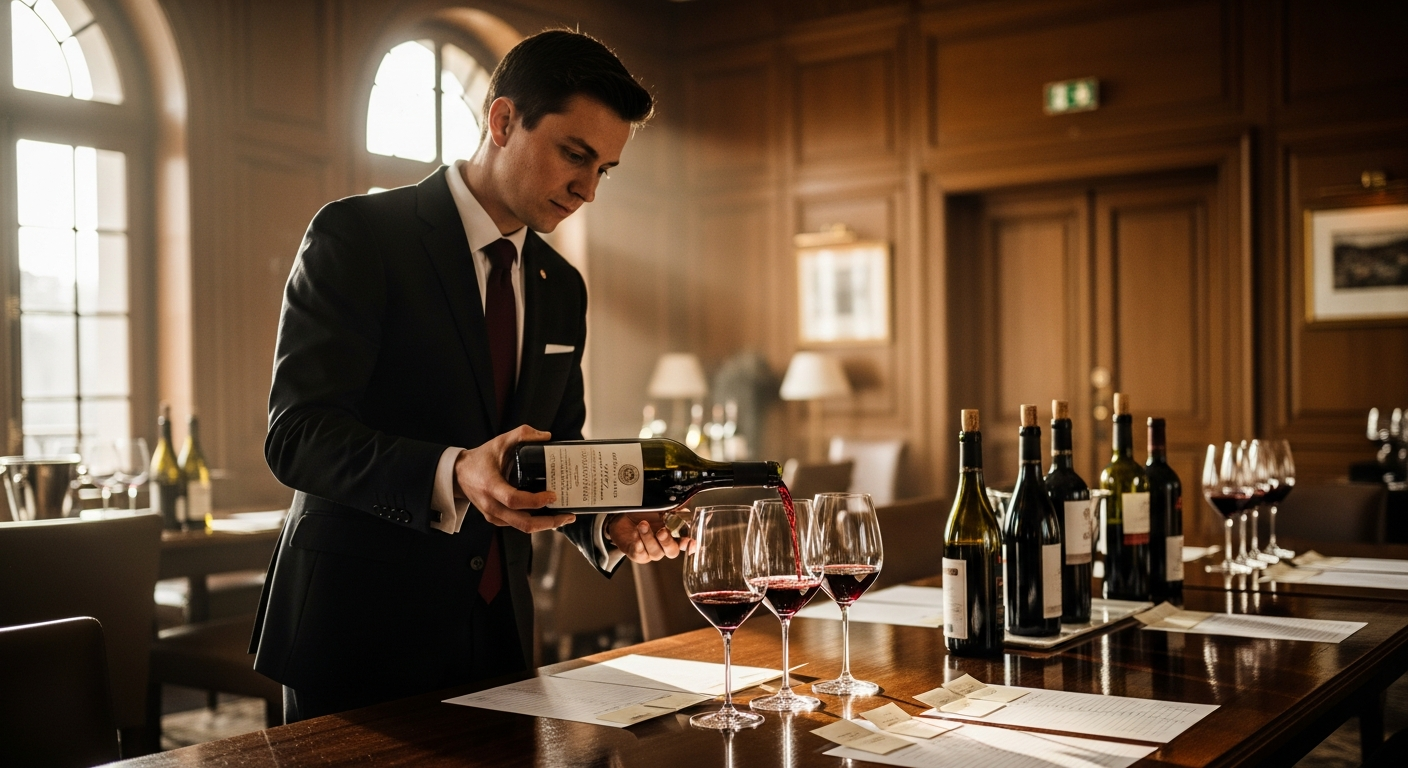
Wine enthusiasts spend an average of £150+ per person on tasting experiences annually, yet most never get to taste wines curated by true experts in an intimate, pressure-free setting. Hotel du Vin has cracked the code on creating wine tastings that feel less like a stuffy lecture and more like a conversation with a passionate friend who happens to know everything about Burgundy.
The Hotel du Vin Wine Tasting Experience isn't your typical hotel add-on—it's the beating heart of what this renowned boutique hotel chain stands for. Built on their "Wine First. Always." philosophy, these immersive journeys showcase the brand's genuine obsession with fine wine, exceptional food, and the stories behind both. Each experience is personally guided by Wine Ambassadors who transform what could be intimidating into something genuinely accessible and memorable.
Discover your Hotel du Vin wine tasting experience today.
The Philosophy Behind Hotel du Vin's Wine Program
How the Wine First. Always. Ethos Shapes Every Tasting Experience
Hotel du Vin's approach to wine begins with a simple but transformative philosophy: wine comes first, always. This isn't marketing speak—it's woven into every decision the brand makes. When you arrive for a tasting, you're not just sampling beverages; you're stepping into a space where wine genuinely matters. The curators, sommeliers, and staff have built their careers around understanding why certain bottles deserve your attention and how they enhance life's moments.
The Brand's Commitment to Doing the Simple Things Well
Rather than chasing trends or complexity for complexity's sake, Hotel du Vin focuses on execution. They select wines they understand deeply, pair them with food that makes sense, and present everything in an environment stripped of pretense. The wine list isn't overwhelming—it's thoughtful. The sommelier isn't performing—they're sharing. This commitment to simplicity, executed with precision, distinguishes them from hotels where wine feels like an afterthought.
Why Accessibility and Sophistication Aren't Mutually Exclusive
The real genius of Hotel du Vin's approach is recognizing that wine appreciation doesn't require snobbery. A £7 glass of Chablis can be as enlightening as a £50 bottle of Bordeaux when someone who understands wine explains what's happening in the glass. Their tastings prove you can be rigorous and welcoming simultaneously. Novices feel supported rather than judged; experienced collectors find depth and discovery.
The Role of Genuine Passion Over Pretension
Walk into most upscale wine bars and you'll encounter pretension wrapped in technical jargon. Walk into Hotel du Vin, and you meet people who genuinely love wine. This distinction matters profoundly. When your sommelier explains a wine's origin or characteristics, they're not establishing superiority—they're inviting you into something they're passionate about. That authenticity is contagious.
How This Philosophy Differentiates Them From Typical Hotel Wine Programs
Most hotels treat wine as room service or a mini-bar convenience. Hotel du Vin treats it as central to the entire experience. Their wine program isn't an amenity added to justify the room rate—it's the reason guests book in the first place. This fundamental difference creates tastings that feel purpose-built rather than retrofitted into a generic hospitality framework.
What Wines You'll Actually Taste
Classic French Appellations and Regional Specialties
French wine forms the backbone of Hotel du Vin's selections, and rightfully so. You'll encounter Burgundian Pinot Noirs with silky complexity, Bordeaux blends showing structure and aging potential, Alsatian whites with mineral precision, and Loire Valley expressions that feel both elegant and approachable. These aren't dusty classics relegated to museums—they're living, breathing wines that demonstrate why certain regions became legendary. Your sommelier will explain the terroir, the vintage character, and why these specific bottles represent their regions authentically.
New World Varieties and Their Place in Hotel du Vin's Curated Selections
Alongside French classics, you'll discover New World wines that prove excellence isn't geographically bound. Australian Shiraz with bold fruit expression, New Zealand Sauvignon Blancs showing vibrant character, and Californian Cabernets demonstrating that the New World can challenge tradition in the best possible way. These selections show Hotel du Vin's willingness to look beyond France while maintaining the same rigorous standards applied to their European selections.
Sparkling Wines, Prestige Cuvées, and Sweet Wine Options
Champagne naturally features prominently, but you might also encounter Crémant from other regions, offering quality at different price points. Prestige cuvées appear for those wanting to experience top-tier bubbles, while sweet wines demonstrate that dessert pairings and late-harvest expressions deserve serious consideration. This diversity ensures the tasting feels complete rather than one-dimensional.
Hotel du Vin's Own Label Selections Including Malbec and Cuvée Hotel du Vin Champagne
The brand produces its own wines, which often appear in tastings. Their Malbec represents their commitment to quality winemaking, while their Cuvée Hotel du Vin Champagne carries the brand's signature style. Tasting these alongside other selections provides perspective on Hotel du Vin's approach to production and their standards for what bears their name.
How Wine Diversity Ensures Something Resonates With Every Palate
Not everyone loves the same wine, and Hotel du Vin acknowledges this reality. By offering sparkling, red, white, rosé, and sweet wines across price points and styles, they ensure varied preferences get represented. One guest might connect with a crisp Sancerre while another discovers a passion for aged Rioja. The range validates different tastes rather than suggesting a hierarchy of preference.
The Stories Behind Producers and Vineyards That Sommeliers Share
Each bottle arrives with context. You'll learn about the vineyard's history, the winemaker's philosophy, recent harvests' challenges or triumphs, and why this specific producer earned a place in Hotel du Vin's collection. These narratives transform wine from liquid in a glass to a tangible expression of human effort, climate, and tradition. The sommelier becomes a storyteller, and the wine becomes a story worth remembering.
The Role of Expert Wine Ambassadors and Sommeliers
Who Leads These Tastings and What Credentials They Bring
Hotel du Vin employs Wine Ambassadors and sommeliers with serious credentials. These aren't casual enthusiasts—they're professionals who've studied wine systematically, often holding certifications from recognized bodies like the Wine and Spirit Education Trust or the Court of Master Sommeliers. They've tasted thousands of wines, understand production techniques, and can navigate complex flavor profiles with precision. Their expertise is earned, not assumed.
How Personalized Guidance Transforms the Tasting Experience
Rather than delivering a standardized presentation, Hotel du Vin's experts adjust based on your preferences and knowledge level. If you mention loving Burgundy, they might steer you toward Pinot Noir expressions you've never encountered. If you're tasting wine for the first time, they explain fundamentals without dumbing anything down. This personalization transforms a generic tasting into something genuinely tailored to you.
The Art of Explaining Wine Nuances Without Overwhelming Guests
Describing wine is genuinely difficult. Sommeliers must balance technical accuracy with accessibility. Rather than launching into chemistry lessons about malolactic fermentation, they might say, "Notice how this wine feels creamy? That's from a natural process that softens the acidity and adds richness." The technical knowledge remains there, but it's communicated in ways that deepen understanding without creating anxiety.
Creating a Judgment-Free Environment for Wine Novices and Enthusiasts Alike
The worst wine experiences happen when someone feels judged for their preferences or lack of knowledge. Hotel du Vin's approach actively prevents this. No one gets criticized for not detecting specific flavor notes. No one feels stupid for asking basic questions. This environment allows genuine engagement. Novices ask more questions. Experienced collectors explore more openly. Everyone benefits from the safety created.
Sommelier Expertise in Food and Wine Pairing Techniques
When your tasting includes food components, the sommelier explains the reasoning behind pairings. Why does this Sauvignon Blanc work with goat cheese? How does the wine's acidity interact with the dish's richness? What happens when tannins meet umami? Understanding these principles means you can apply the knowledge independently at future meals, transforming you from someone who follows pairing rules to someone who understands why they exist.
Deep Dives Into Topics Like Decanting, Aging, and Vintage Variation
Depending on your interests and the specific tasting, sommeliers might explore how decanting affects wine, why some vintages age better than others, or how bottle variation between years influences what you're experiencing. These conversations elevate wine knowledge beyond taste preferences into genuine education. You leave understanding not just what wines are good, but why they're good and how they change over time.
Food Pairings and Bistro du Vin Integration
How Bistro du Vin's Classical French Cuisine Complements Wine Selections
Hotel du Vin operates Bistro du Vin, their in-house restaurant serving classical French cuisine with modern sensibility. This isn't accidental—the kitchen and wine program work in concert. Rather than pairing wines to existing dishes, they often approach it the opposite way: selecting wines, then creating dishes that illuminate them. This intentional synergy produces pairings that feel orchestrated rather than convenient.
Modern Twists on Traditional Dishes That Enhance Tasting Experiences
Classical French cooking provides the foundation, but the kitchen's modern approach prevents anything feeling dated or heavy. Dishes remain refined without becoming fussy. This balance matters during tastings because the food should enhance wine appreciation without demanding excessive attention. A perfectly balanced dish allows you to focus on what's in your glass while gaining understanding from how the wine and food interact.
The Strategic Pairing of Specific Wines With Thoughtfully Chosen Bites
Each pairing element gets chosen deliberately. If tasting an aged Bordeaux, you might receive a small portion of beef that allows the wine's tannins and structure to shine. A crisp white might arrive with a bite emphasizing acidity and freshness. Rather than generic accompaniments, each element serves a purpose in demonstrating the wine's characteristics.
Why Food Pairings Elevate Understanding of Wine Characteristics
Wine tastes different in isolation versus with food. Tannins feel softer when paired with protein. Acidity feels more refreshing alongside fatty foods. Alcohol becomes more prominent or less noticeable depending on what you're eating. By experiencing wines with food during tastings, you understand how wines behave in real life—at meals, with companions, during conversation. This context matters because most wine consumption happens at tables with food, not in isolation.
Options for Tastings With or Without Culinary Components
Not every guest wants food during their tasting, and Hotel du Vin accommodates both preferences. Wine-only tastings let you focus entirely on the wines themselves. Tasting with food demonstrates pairing principles and creates a more complete sensory experience. Having options ensures the experience aligns with your preferences and energy level.
The Synergy Between Wine and Food Education in These Experiences
When wine and food appear together during a structured tasting, you're learning two things simultaneously: wine characteristics and pairing principles. This integrated education is more effective than either component alone. You leave understanding both how to taste wine and how to think about wine at the table.
Explore Hotel du Vin wine tasting packages and book your experience now.
Understanding the Wine Cellar and Curated Collections
The Breadth of Hotel du Vin's Extensive Wine Cellars
Hotel du Vin maintains serious wine cellars at their properties. These aren't small selections squeezed into a closet—they're substantial collections representing years of careful acquisition. The breadth means tastings can feature diverse styles, regions, and price points. Depth means you might discover multiple expressions of the same wine from different vintages or producers, allowing meaningful comparisons.
How They Select Wines From Producers They Personally Know and Trust
Rather than buying from distributor catalogs, Hotel du Vin develops relationships with producers and winemakers. This approach means they understand the wines deeply before stocking them. They've visited vineyards, discussed production philosophy with winemakers, and tasted wines in context. This personal relationship translates to better curation and confidence in their selections.
The Balance Between Established Classics and Emerging Producers
While Hotel du Vin stocks recognized classics that provide reference points for learning, they also champion emerging producers doing interesting work. This balance prevents the wine program from feeling static or purely historical. You might discover a new producer alongside a familiar classic, expanding your horizons while providing comfortable touchstones.
Premium Selections Like Lanson Rosé Champagne and Exclusive Finds
For guests seeking premium expressions, Hotel du Vin offers selections like Lanson Rosé Champagne and other prestige cuvées. These premium offerings appear alongside accessible selections, ensuring there's something for every occasion and budget. The presence of special bottles adds excitement to tastings while maintaining the program's democratic spirit.
Why Cellar Depth Matters for Offering Diverse Tasting Options
A shallow cellar forces repetition and limits what tastings can accomplish. Deep cellars allow sommeliers to construct tastings targeting specific interests—a horizontal tasting comparing multiple producers of the same wine type, a vertical tasting showing how a wine ages across vintages, or a thematic tasting exploring regional differences. Depth enables customization.
Access to Wines Guests Might Not Encounter Elsewhere
Hotel du Vin's cellar often contains selections unavailable in typical retail. Some wines come from small producers with limited distribution. Others are older vintages that rarely appear on shelves. Tasting wines you couldn't otherwise access adds genuine value to the experience beyond the sommelier's expertise or the refined setting.
Pricing Breakdown and Package Options
Individual Wine by-the-Glass Pricing Approximately £6.95 to £17.95
If you're building a casual tasting, individual glasses range from £6.95 to £17.95. This pricing allows flexibility—you might taste three glasses at the lower end or sample premium selections at higher points. The range means quality wines remain accessible without requiring bottle purchases.
Bottle Pricing for Retail Purchases £27.95 to £99.95+ for Premium Selections
For those wanting to take bottles home, pricing spans from £27.95 for solid everyday wines to £99.95 and beyond for premium selections. This range means you can purchase bottles at various price points without feeling restricted to either budget wines or ultra-premium options.
How Tasting Experience Packages Vary by Location
Hotel du Vin operates multiple properties, each with slightly different offerings. London locations might feature different wine selections than properties in other cities. Tasting packages vary accordingly, ranging from brief introductory tastings to more extended experiences exploring multiple wines. Location matters for what's available and how the experience gets structured.
Factors Influencing Final Costs Including Number of Wines, Food Pairings, and Group Size
Several variables affect tasting cost: How many wines you taste, whether food components get included, whether your group is intimate or larger, and whether you're booking a private tasting versus joining a group session. A four-wine tasting without food differs significantly in price from a seven-wine experience with Bistro du Vin pairings. Group size also matters—private tastings command premiums over shared experiences.
Premium Positioning and What Justifies the Investment
Hotel du Vin tastings sit in a premium bracket, and this positioning reflects several factors: expert sommelier guidance, carefully curated wine selections, refined setting, and often food components from an acclaimed restaurant. You're not paying just for wine—you're paying for expertise, curation, and an experience designed for genuine learning rather than casual consumption.
Value Proposition: Knowledge and Memory Gained Versus Tangible Products
This experience doesn't result in physical goods you take home—you take knowledge and memory instead. You leave understanding wine better, feeling more confident exploring wine independently, and carrying memories of an afternoon spent learning something meaningful. For many people, this intangible value exceeds what they'd gain from purchasing equivalent wines without expert guidance.
Who Benefits Most From This Experience
Wine Connoisseurs Seeking Curated, Expert-Led Tastings
Experienced collectors benefit from accessing wines thoughtfully curated by someone with serious expertise. Even if you know wine well, a skilled sommelier introduces you to selections you might have missed, explains production techniques you hadn't considered, and contextualizes wines in ways that deepen appreciation. Connoisseurs often describe Hotel du Vin tastings as genuinely educational rather than condescending or obvious.
Novices Wanting to Build Confidence and Knowledge Without Intimidation
For someone just beginning to explore wine, Hotel du Vin's judgment-free environment is invaluable. Novices can ask basic questions, admit not understanding something, and experience wines without anxiety. Sommeliers frame wine appreciation as something everyone can develop, not something requiring inherited knowledge or innate talent. This confidence-building is transformative—many people report wine becomes more enjoyable after understanding the fundamentals.
Couples and Groups Looking for Memorable Social Activities
Wine tastings provide natural structure for conversation. The sommelier guides discussion, wines offer talking points, and shared discovery creates bonding. Whether you're celebrating an anniversary, hosting visiting friends, or spending quality time together, a structured tasting offers something more engaging than sitting at a bar or table without focus.
Travelers Wanting to Deepen Their Appreciation for Wine Culture
For visitors exploring a new city, Hotel du Vin tastings offer cultural immersion. Rather than passively consuming wine, you're learning how different regions produce distinctive expressions, understanding what winemakers prioritize, and discovering wines specific to regions you're visiting. This engagement transforms wine from a beverage into a window into local culture.
Food Enthusiasts Interested in Pairing Education
Someone passionate about food but uncertain about wine can benefit tremendously from understanding pairing principles. Once you grasp why certain wines work with certain foods, you develop confidence pairing wines with meals independently. Food enthusiasts often discover wine enriches dining experiences they already love, opening entirely new dimensions to meals they thought they understood completely.
Those Seeking Luxury Experiences Rooted in Genuine Expertise Rather Than Flash
Hotel du Vin appeals to people seeking luxury without pretense. The setting is refined without being stuffy. The experience is sophisticated without requiring designer labels or trendy status markers. You're paying for genuine expertise and thoughtful curation, not for flash or Instagram-ability. This positions the experience for guests valuing substance over style.
Planning Your Hotel du Vin Wine Tasting Visit
How to Book or Inquire About Tastings at Different Hotel du Vin Locations
Most Hotel du Vin properties feature wine tastings, though specific offerings vary by location. Contact the property's concierge team directly with your interests. Explain what you'd like to achieve—building confidence as a novice, exploring specific regions, understanding food pairing, or diving into prestige bottles. The team will recommend appropriate packages or create custom experiences if you're booking a group.
Best Times to Schedule Your Experience for Optimal Atmosphere
Afternoon tastings offer natural lighting and calm atmosphere. Early evening tastings provide a nice transition between relaxation and dinner. Consider timing around your hotel stay and energy level—a morning tasting might suit someone wanting mental engagement early, while an afternoon tasting pairs well with leisure and conversation. Avoid peak dining times if you want the sommelier's undivided attention.
What to Wear and How to Prepare for Maximum Enjoyment
Dress comfortably but smartly—business casual works well. Avoid strong colognes or perfumes that interfere with tasting wines. Eat something light beforehand so you're not tasting on an empty stomach but not so full that you're disinterested. Rest well the night before so you're mentally present. Skip coffee immediately before if caffeine makes you jittery—you want to focus, not be overstimulated.
Group Size Considerations and Private Tasting Options
Small groups create more intimate experiences where sommeliers can personalize extensively. Larger groups offer different energy and social dynamics. Most Hotel du Vin locations accommodate both group tastings and private experiences. Private tastings cost more but allow complete customization—you can target specific wines, regions, or learning goals without compromise.
Duration Expectations and How Tastings Fit Into Your Hotel Stay
A typical tasting lasts 60 to 90 minutes, though extended experiences can run longer. Plan accordingly so you're not rushed. A tasting works well as a mid-afternoon activity, leaving your evening free for dinner, or as an early evening activity if you're planning a casual meal afterward. Factor in time to browse the wine shop if you want to purchase bottles.
Tips for Getting the Most From Sommelier Interactions and Guidance
Ask questions—sommeliers appreciate genuine curiosity. Be honest about your preferences and what you're trying to learn. Take notes if you want to remember specific wines. Ask about wines you disliked; understanding why something doesn't appeal helps you refine your palate. Request recommendations for wines you can purchase at home to continue exploring. Engage in conversation rather than passively receiving information.
The Intangible Value: Memory and Knowledge
Why Experiences Create Lasting Impressions That Products Cannot
A bottle of wine gets consumed—the experience gets remembered for years. You might forget specific tasting notes, but you'll remember the conversation, the setting, the moment of discovery when a wine suddenly clicked. Experiences become part of your life narrative in ways products simply cannot. This memory value often exceeds the financial investment.
How Wine Education Becomes a Personal Asset You Carry Forward
Understanding wine doesn't expire. Once you grasp how to taste systematically, recognize quality indicators, or think about pairing, that knowledge remains yours. You apply it at restaurants, at home, on future travels. A single tasting can unlock years of enhanced wine enjoyment as you apply what you learned across countless future occasions.
Building Confidence to Explore Wines Independently After Tasting
Many people avoid wine shops because they feel overwhelmed by choices and afraid of making wrong decisions. After a structured tasting, that anxiety often dissolves. You've experienced professional guidance. You understand your preferences. You know how to ask questions. Confidence to explore independently represents tremendous value that extends long beyond the tasting itself.
The Social Bonds Formed During Shared Tasting Moments
Shared discovery creates connection. Whether you're tasting alone and bonding with the sommelier, tasting with a partner and comparing notes, or joining a group tasting with strangers who become temporary companions, meaningful interactions happen around wine. These moments, and the relationships they build or strengthen, create value that transcends the wine itself.
Creating Stories and Memories Tied to Specific Wines and Places
Certain wines become tied to specific moments—the Burgundy you tasted on your anniversary in a London boutique hotel, the Champagne you discovered while learning from a passionate sommelier, the Loire Valley white that transported you to someone's description of their vineyard. These wines become memory anchors, and years later, ordering them again resurrects the experience vividly.
The Difference Between Consuming Wine and Truly Understanding It
Most wine gets consumed passively—you drink it because it tastes pleasant or because it's what's available. Understanding wine means actively engaging with what's in your glass. You notice aromas, perceive flavor development, consider structure, and think about origins. This engagement transforms a pleasant drink into a genuinely absorbing experience. Once you've tasted wine this way, passive consumption feels hollow by comparison.
Comparing Hotel du Vin to Other Wine Tasting Venues
How Hotel-Based Tastings Differ From Standalone Wine Bars or Vineyards
Standalone wine bars prioritize casual consumption. Vineyards offer production context and direct winemaker interaction. Hotel du Vin tastings combine educational structure with hospitality luxury. You get professional expertise without the casual feel of a bar, plus refined ambiance without the production-focused narrative of a vineyard visit. The balance offers something unique—education delivered in genuinely comfortable, sophisticated settings.
The Advantage of Expert Guidance Versus Self-Guided Tastings
Self-guided tastings—visiting a shop and sampling what interests you—lack framework and perspective. An expert sommelier provides context, explains what you're tasting, and guides you toward discovery. They ask questions that deepen your thinking. They make connections between wines you wouldn't notice alone. This guided element transforms casual sampling into genuine education.
Luxury and Comfort Factors Unique to Boutique Hotel Settings
You're not standing in a crowded bar or parking lot at a vineyard—you're in a refined hotel space designed for comfort and conversation. Seating is proper, atmosphere is controlled, and you can relax fully while concentrating. This physical comfort isn't superficial; it allows you to engage more deeply because you're not distracted by discomfort.
Accessibility of Hotel du Vin Tastings Versus Exclusive Wine Clubs
Wine clubs often require memberships, minimum commitments, or connections to access. Hotel du Vin tastings are openly available to anyone booking a room or visiting the location. This accessibility means you don't need insider knowledge or social connections to participate. You book, you show up, you experience expertise.
The Integration of Hospitality and Education in Their Approach
Hotel du Vin understands hospitality deeply. Education gets delivered in ways that feel welcoming rather than lecture-like. Sommeliers check in on your comfort. Pacing allows time for questions and reflection. The overall approach recognizes you're a guest being cared for, not a student being tested. This hospitality layer matters—it creates safety and encourages genuine engagement.
Why Location Matters: Experiencing Wine in a Refined Hotel Environment
The setting influences what you notice and how you feel. A refined hotel setting activates different parts of your brain than a casual venue. You're primed for sophistication, for learning, for taking something seriously. This psychological priming, combined with genuine expertise and thoughtful curation, creates optimal conditions for meaningful wine education.
Addressing Common Concerns and Questions
Is Prior Wine Knowledge Required? Absolutely Not
Hotel du Vin welcomes everyone—complete novices, casual drinkers, and experienced collectors. Sommeliers adjust their approach to your background. If you've never tasted wine systematically, they explain fundamentals. If you're experienced, they engage you at that level. The experience isn't gatekept by prior knowledge.
How Long Does a Typical Tasting Last?
Most structured tastings run 60 to 90 minutes. This duration allows you to taste several wines, receive explanation and context, ask questions, and have genuine conversation without feeling rushed. Extended tastings with more wines or food components might run two hours, while introductory tastings might be shorter. Duration gets confirmed when booking.
Can You Purchase Wines Tasted During the Experience?
Yes. Hotel du Vin properties maintain wine shops where you can purchase bottles you tasted. Prices match their by-the-glass and bottle pricing. This allows you to continue exploring wines you discovered during your tasting, extending the experience and supporting your independent wine journey.
Are Tastings Suitable for Non-Wine Drinkers in Your Group?
While tastings are wine-focused, non-wine drinkers can attend. Some people enjoy learning about wine even if they don't drink it. Others might prefer low-alcohol options or lighter wines. Communicate preferences when booking. Alternative beverages and accommodations can usually be arranged to ensure everyone feels included.
What Happens If You Don't Like a Particular Wine?
This is normal and expected. Sommeliers use it as a learning opportunity—they ask what you dislike and help you understand why. Understanding your preferences is genuinely useful. You might discover you prefer certain styles, regions, or characteristics. Disliking wines is part of developing your palate, not a failure.
How Do Dietary Restrictions or Preferences Get Accommodated?
Communicate any dietary restrictions when booking. Sommeliers can recommend wines fitting any diet. If food pairings are included, the kitchen accommodates allergies and dietary preferences. Most restrictions are manageable—inform the team in advance, and they'll ensure you have a comfortable, inclusive experience.
Your Next Step Into Wine Appreciation
The Hotel du Vin Wine Tasting Experience represents far more than an afternoon activity—it's an invitation to see wine the way the brand does: as a gateway to culture, connection, and genuine pleasure. Whether you're standing at the threshold of wine discovery or you've been collecting for years, these tastings meet you exactly where you are. The expert guidance strips away the intimidation factor that keeps so many people from exploring wine more deeply. You walk away not just with a pleasant afternoon, but with tangible knowledge, newfound confidence, and memories tied to specific wines and the people you experienced them with.
If you've been curious about wine but unsure where to start, or if you're seeking a hotel experience that goes beyond standard amenities, a Hotel du Vin wine tasting deserves serious consideration. Check their website for location-specific offerings, reach out to their concierge team with questions about your preferences, and book an experience that aligns with your schedule and interests. Your palate—and your appreciation for fine wine—will thank you.
Book your Hotel du Vin wine tasting experience and begin your journey today.
Leave a Reply