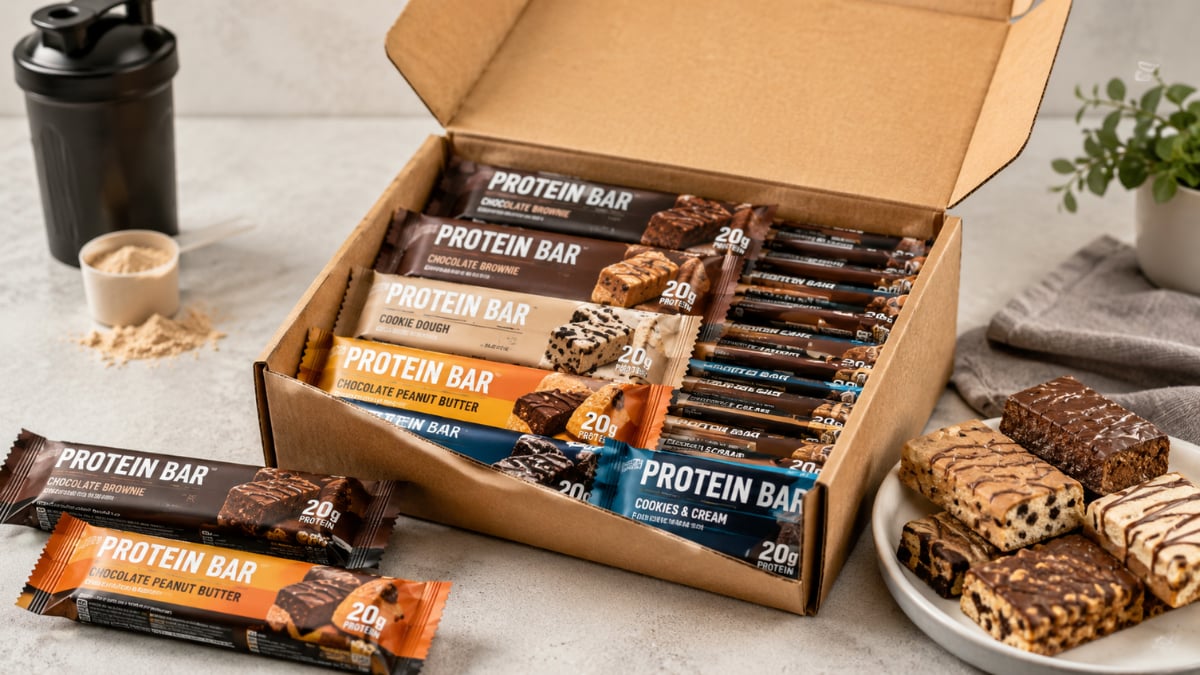
Finding convenient, high-protein snacks can make it much easier to stay on track with your nutrition goals. Bulk protein bars offer a simple way to increase protein intake without spending extra time preparing meals. They work well after workouts, during busy workdays, while traveling, or whenever a balanced snack is needed.
Many protein bars now deliver high protein, moderate calories, and lower sugar while offering flavors and textures that feel more like a treat than a traditional nutrition product. Still, not every option delivers the same nutritional value.
Understanding ingredients, protein sources, serving sizes, and pricing helps you choose products that match your lifestyle and dietary needs.
Bulk Protein Bars: What Makes Bulk Nutrients Protein Bars Stand Out?
Bulk Nutrients Protein Bars are designed for people looking for a convenient snack with a substantial protein content. Each individually wrapped bar contains 20 grams of protein inside a soft, layered center coated with chocolate.
Unlike many protein bars that have a dry or chalky texture, these bars provide a smoother bite with dessert-inspired flavors. Their portable packaging makes them easy to keep in a gym bag, backpack, office drawer, or lunch bag.
Available pack sizes typically include:
- Single bars
- Packs of 6
- Packs of 12
- Bulk boxes of 20
Buying larger packs generally lowers the cost per bar, making them a practical option for people who enjoy protein bars regularly.
Protein Content and Nutrition Facts
Each 60-gram Bulk Nutrients Protein Bar contains approximately:
- 20 g protein
- 190–210 calories
- 15–18 g carbohydrates
- 2–3 g sugar
- 5–8 g fiber
- 6–8 g fat
- 150–250 mg sodium
The combination of high protein and relatively low sugar makes these bars suitable for many active lifestyles. The fiber content may also help increase fullness between meals.
Protein Sources Used in Bulk Nutrients Protein Bars
The protein blend primarily includes:
- Whey protein isolate
- Milk protein
Whey protein isolate is widely recognized as a complete protein containing all essential amino acids. It is commonly used after exercise because it digests relatively quickly.
Milk protein provides a slower digestion rate, helping extend amino acid availability after eating.
Together, these protein sources create both a satisfying texture and strong nutritional profile.
Ingredients That Influence Taste and Texture
Several ingredients contribute to the soft consistency and chocolate flavor.
Common ingredients include:
- Cocoa butter
- Chocolate coating
- Collagen or gelatin
- Glycerol for moisture retention
- Sucralose or maltitol as sweeteners
- Natural and artificial flavorings
These ingredients help maintain freshness and create a softer texture compared with many dense protein bars.
Available Flavors and Packaging Options
Flavor availability may vary throughout the year, but common selections include:
- Chocolate Fudge
- Salted Caramel
- Chocolate Peanut Butter
- Cookies & Cream
Each bar weighs about 60 grams and comes individually sealed to help preserve freshness.
The individual packaging also makes portion control straightforward while protecting the chocolate coating during storage and transport.
Current Pricing and Value
Official pricing can change throughout the year depending on promotions and retailer discounts.
Typical price ranges include:
- Single bar: approximately $2.50–$3.50
- 12-pack: approximately $28–$36
- 20-pack: approximately $45–$60
Larger multipacks generally offer the lowest cost per serving, making bulk purchases more economical for frequent users.
Always check the official Bulk Nutrients website or authorized retailers for current pricing.
Advantages of Buying Bulk Protein Bars
Buying in larger quantities provides several benefits.
Better Overall Value
The cost per bar decreases when purchasing larger boxes compared with buying individual bars.
Convenient Daily Nutrition
Keeping multiple bars available at home, work, or in your vehicle makes it easier to avoid skipping snacks during busy days.
Supports Protein Intake
Many active adults struggle to reach their daily protein target through meals alone. Protein bars offer a convenient supplement between meals.
Long Shelf Life
Individually wrapped bars typically remain fresh for extended periods when stored in cool, dry conditions.
Things to Consider Before Buying
Although Bulk Nutrients Protein Bars work well for many people, there are some limitations.
- They contain dairy and are not suitable for vegan diets.
- Individuals with lactose sensitivity may experience discomfort.
- Sugar alcohols or artificial sweeteners can cause digestive issues for some people.
- Chocolate-coated bars may soften or melt in high temperatures.
- Whole foods such as yogurt, nuts, eggs, or lean meat still provide additional vitamins and minerals that protein bars cannot fully replace.
Using protein bars as a supplement instead of a complete meal replacement is generally the most balanced approach.
Who Benefits Most from Bulk Protein Bars?
These bars work well for several groups.
Fitness Enthusiasts
A high-protein snack after training supports muscle recovery as part of a balanced diet.
Busy Professionals
Portable nutrition makes it easier to eat consistently during demanding work schedules.
Travelers
Individual packaging makes transportation simple without refrigeration.
Weight Management
Lower sugar and higher protein may help support fullness between meals while fitting into calorie-controlled eating plans.
Tips for Choosing the Best Bulk Protein Bars
Not every protein bar delivers the same nutritional quality.
When comparing products, consider:
- Protein per serving
- Added sugar content
- Fiber content
- Calorie level
- Protein source
- Ingredient list
- Flavor preferences
- Price per serving
Reading the nutrition label remains one of the easiest ways to compare products objectively.
Frequently Asked Questions
Are bulk protein bars good for everyday use?
Yes. They can be enjoyed daily as part of a balanced diet, especially when used to supplement meals rather than replace whole foods.
When is the best time to eat a protein bar?
Many people eat protein bars after exercise, between meals, during travel, or whenever a convenient snack is needed.
Do protein bars replace meals?
Most protein bars work best as snacks. Whole meals typically provide a broader range of nutrients.
Can protein bars help increase daily protein intake?
Yes. A protein bar containing 20 grams of protein can contribute meaningfully toward your daily protein goal.
How should protein bars be stored?
Store them in a cool, dry place. Avoid prolonged exposure to heat because chocolate coatings may soften or melt.
Conclusion
Bulk Nutrients Protein Bars provide a convenient combination of 20 grams of protein, moderate calories, lower sugar, and portable packaging. Buying bulk protein bars can reduce the cost per serving while ensuring a high-protein snack is always available when your schedule gets busy.
Before purchasing, compare nutrition labels, ingredient lists, and pricing to determine which option best matches your goals. Choosing quality protein bars alongside a balanced diet offers a practical way to support daily nutrition.
If you’re considering stocking up, reviewing the latest pricing and available flavors can help you find the best value.
Leave a Reply