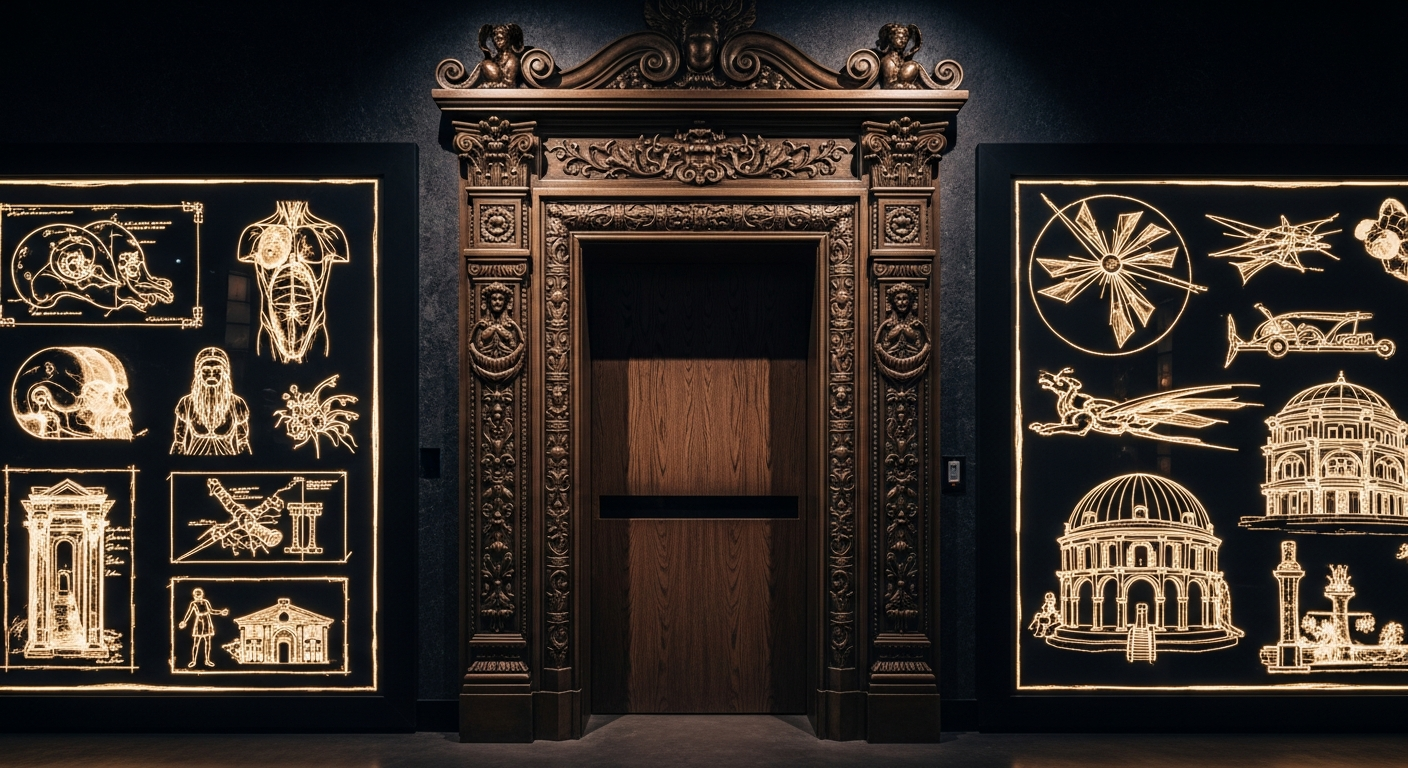
Seventy-two percent of players who entered NoWayOut's Da Vinci Escape Room Adventure walked out victorious—a staggering success rate that speaks volumes about this escape room's perfect balance of challenge and accessibility. NoWayOut Escape Games earned its reputation as Dubai's premier escape room destination by crafting experiences that went beyond typical puzzle-solving. The Da Vinci room exemplified this philosophy—combining historical storytelling with cinematic production values that made players feel like they'd stepped into a living museum.
This legendary experience stood apart from countless competitors because it understood something fundamental about entertainment: audiences crave authenticity paired with excitement. The Da Vinci room delivered both. Players weren't just solving abstract puzzles in a generic space; they were investigating the workshop of history's greatest mind, surrounded by period-accurate details and mechanical wonders that reflected real Renaissance engineering.
Discover what made NoWayOut's escape room experiences legendary in Dubai's entertainment scene.
The Historical Genius Behind the Da Vinci Room Design
Leonardo's Legacy as Puzzle Architecture
Leonardo Da Vinci's inventions and riddles served as far more than window dressing. They formed the conceptual backbone of every challenge within the room. Rather than forcing puzzles into a historical theme, the designers worked backward from Da Vinci's actual intellectual methods and mechanical principles. This approach meant players weren't just turning keys and entering codes—they were thinking like a Renaissance engineer, applying observation and logic the way Da Vinci himself might have.
Authenticity in Every Corner
The Renaissance-era workshop setting created genuine 15th-century atmosphere that transported players instantly. Elaborate mechanical elements mimicked historical contraptions, from pulley systems to hidden chambers. Every detail—from the worn leather on ancient books to the copper patina on mysterious devices—reinforced the historical narrative. Players could believe they'd genuinely stepped backward in time rather than into a themed attraction.
Puzzle Architecture: Logic Meets Teamwork
Collaborative Problem-Solving at Its Core
Multi-layered puzzle design required observation, deduction, and genuine teamwork. A single player might solve one puzzle component, but the room's architecture demanded that groups communicate findings, compare observations, and synthesize information from multiple sources. Complex mechanisms challenged players to think systematically, like engineers troubleshooting a blueprint rather than gamers hunting for the next clue.
Rewarding Keen Observation
Hidden clues rewarded thorough exploration of the space. The room didn't punish players for missing details—it celebrated those who noticed them. A shadow on the wall, a pattern in the floor tiles, the arrangement of books on a shelf—each element served a purpose. This design philosophy meant players felt clever when they succeeded because they'd actually earned their victories through careful attention.
The 72% success rate indicated puzzles were challenging yet achievable for most groups. This balance separated the Da Vinci room from experiences that were either too simplistic or frustratingly difficult. Players left feeling accomplished, not defeated or bored.
Immersive Production Elements That Set NoWayOut Apart
Cinematic Set Design
Cinematic-quality set design transported players into a convincing historical environment rather than keeping them aware they were in a commercial space. The production values rivaled themed attractions at major entertainment venues. NoWayOut invested in authentic materials, period-appropriate furnishings, and architectural details that justified the premium pricing.
Sensory Atmosphere
Atmospheric sound design enhanced both tension and historical authenticity. Rather than relying on jump scares or sudden noises, the soundscape created an immersive sonic environment—the subtle creaking of wood, distant Renaissance instruments, the mechanical ticking of clockwork devices. Strategic lighting created mood shifts that guided player attention and highlighted puzzle elements without feeling artificial.
Professional game masters elevated the experience further. These weren't staff members reading scripts; they were knowledgeable guides who explained the concept and backstory clearly while maintaining the immersive narrative. Their presence reassured younger players, assisted struggling groups, and added layer after layer to the storytelling.
What Da Vinci's Closure Teaches Us About Experiential Entertainment
The NoWayOut Da Vinci Escape Room Adventure represented something increasingly rare in entertainment: a perfect intersection of intellectual challenge, historical storytelling, and immersive production. Its 72% success rate reflected meticulous design that welcomed diverse skill levels while respecting player intelligence. Families, corporate teams, and adventure seekers all found satisfaction in the same experience—a remarkable achievement in an industry often fragmented by niche targeting.
The closure in February 2026 wasn't just the loss of an escape room; it was the disappearance of a venue that proved something vital about experiential entertainment. When production quality, narrative depth, and puzzle design harmonize perfectly, they create memories that outlast the physical space. Those who experienced Da Vinci benchmark every subsequent escape room against it, recognizing that true immersion requires investment in every detail, not just the headline attractions.
The room's legacy remains: evidence that audiences will support premium entertainment when authenticity and craftsmanship are evident in every aspect. For anyone seeking to understand what escape rooms could become when creative ambition meets technical execution, Da Vinci's story offers both inspiration and caution about the fragility of even exceptional experiences.
Explore NoWayOut's escape room experiences and see what immersive entertainment can truly achieve.
Leave a Reply