Over 70% of parents worry about their child's whereabouts during school hours or after-school activities. This anxiety often stems from the simple reality that children are increasingly independent, yet the world feels more uncertain than ever. The Xplora X6Play Kids Smartwatch GPS Tracker represents a significant shift in how families approach child safety, combining GPS technology with a kid-friendly interface designed specifically for children aged 6 and up.
What sets the X6Play apart isn't just its ability to track location—it's the sophistication of its geofencing system. Geofencing transforms passive GPS tracking into an intelligent safety tool that actively monitors your child's movements against boundaries you define. Rather than constantly checking your child's location, the watch sends you alerts when they enter or leave designated areas, giving you peace of mind without the constant vigilance.
Throughout this guide, you'll discover exactly how to leverage the X6Play's most powerful safety feature: geofencing. By the end, you'll have complete confidence in your child's location awareness and the tools to set up customizable safety zones that fit your family's unique lifestyle.
Understanding Geofencing Technology on Your Child's Smartwatch
What geofencing actually means and how it differs from basic GPS tracking
Geofencing operates on a fundamentally different principle than standard GPS tracking. Basic GPS tells you where your child is right now—a snapshot of their current location. Geofencing, by contrast, continuously compares your child's location against invisible digital boundaries you've created. The moment your child crosses one of these boundaries, the system triggers an alert. It's the difference between checking in on your child every few minutes versus being automatically notified only when something changes.
Why geofencing is considered the gold standard for child location monitoring
Parents quickly discover that constant location checking creates anxiety rather than relieving it. Geofencing solves this problem by shifting responsibility to the technology. Instead of worrying about where your child is, you receive alerts when they deviate from expected patterns. This approach reduces false alarms, respects your child's growing independence, and focuses parental attention on genuinely concerning situations. The X6Play's geofencing system has become the industry standard precisely because it balances safety with practicality.
Real-world scenarios where geofencing prevents parental panic
Consider a school commute: your child leaves home at 8:15 AM, and you receive a confirmation alert that they've entered the school zone. No message means they arrived as expected. If they exit the school zone during class hours, you're notified immediately. During after-school activities, geofencing confirms they've reached the sports facility, then alerts you when they leave—giving you a realistic pickup window rather than leaving you guessing. Neighborhood boundaries become manageable too; set a zone around your block and know immediately if your child wanders beyond familiar territory.
How the X6Play's geofencing integrates with the parent control app
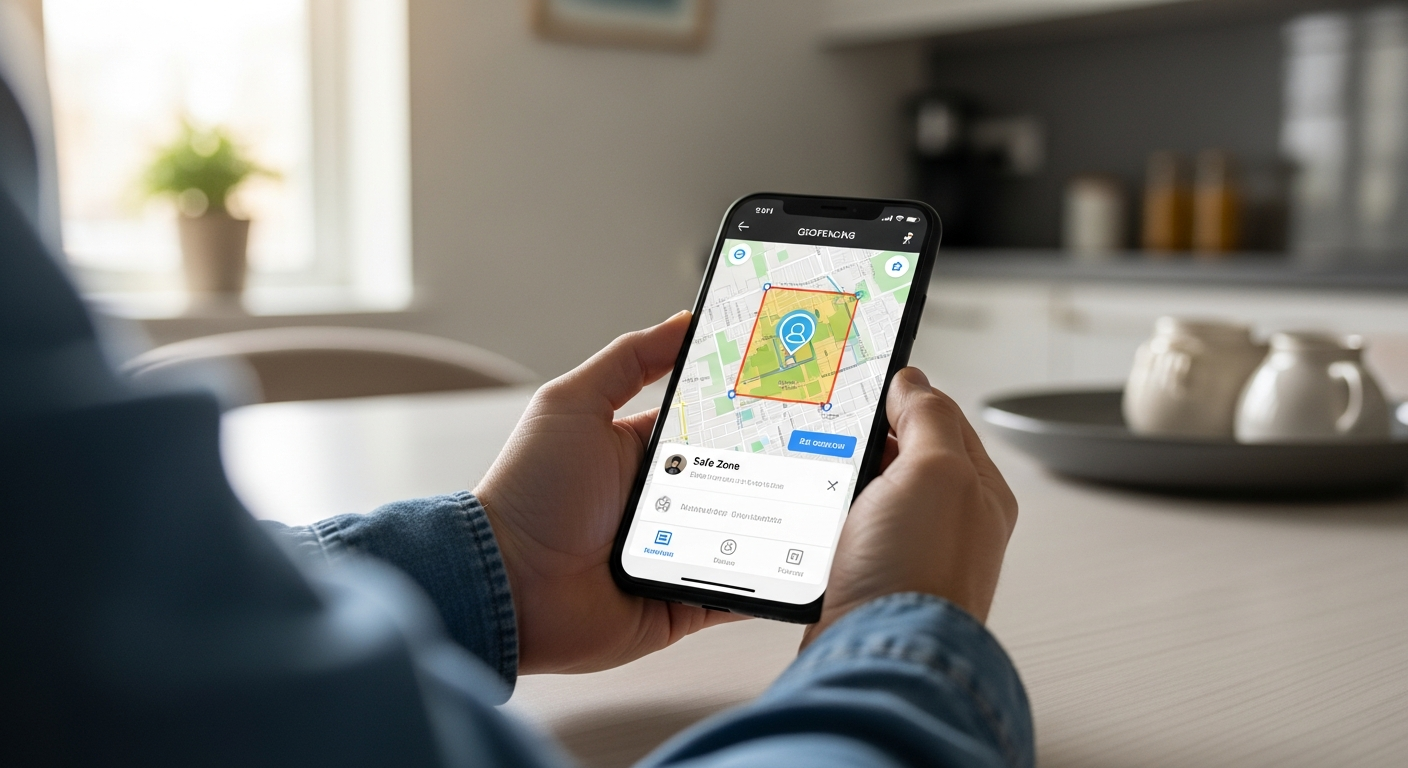
The Xplora parent app serves as mission control for geofencing. The interface displays all your active safety zones on an interactive map. You can create zones, adjust their size, name them, and customize alert settings—all from your smartphone. The app pushes notifications in real-time and maintains a complete history of zone entries and exits. The seamless integration between the watch and app means you're never more than a tap away from understanding your child's location patterns.
Battery and network considerations for continuous geofencing functionality
Continuous geofencing requires consistent GPS and cellular connectivity. The X6Play's 880 mAh battery manages this demand effectively, providing up to 48 hours of standby time. Active geofencing monitoring does consume more battery than basic timekeeping, but the watch maintains functionality throughout a typical school day and beyond. The watch supports 4G, 3G, and 2G networks, ensuring connectivity even in areas with varying signal strength. For optimal performance, charging every 1-2 days is recommended, though usage patterns significantly affect actual battery life.
The difference between entry alerts and exit alerts and when to use each
Entry alerts notify you when your child arrives at a location—confirming they've reached school, a friend's house, or an activity. Exit alerts trigger when they leave those locations. Most parents use both for critical zones like school and home, creating a complete picture of their child's day. For less critical zones, you might enable only exit alerts to know when your child is leaving. The flexibility allows you to customize monitoring intensity based on the specific zone and time of day.
Creating Your First Safety Zone: Step-by-Step Setup Process
Downloading and installing the official Xplora parent app on your smartphone
Begin by downloading the Xplora parent app from your phone's app store. Create a parent account and link it to your child's X6Play watch. The app guides you through initial setup with clear prompts. Ensure you have location permissions enabled on your smartphone; the app needs this access to map your safety zones accurately. The setup typically takes under five minutes for first-time users.
Navigating the app's geofencing menu and location settings
Once logged in, locate the geofencing or "Safe Zones" section in the app menu. Most versions display this as a dedicated tab or option within location settings. The interface shows a map view with your current location and any previously created zones. Tap the option to create a new zone to begin the setup process.
Setting up your home address as the primary safety zone
Your home serves as the logical foundation for your geofencing strategy. Using the app, select your home address and create a zone around it. This zone confirms your child has arrived home safely after school or activities. Name it clearly—"Home" works perfectly—for instant recognition when alerts arrive. Most families enable both entry and exit alerts for the home zone, creating a complete understanding of their child's comings and goings.
Defining zone radius: choosing between 100 meters, 500 meters, and custom distances
The X6Play offers flexibility in zone size. A 100-meter radius creates a tight boundary—useful for specific buildings or sports facilities where precision matters. A 500-meter radius accommodates neighborhoods and larger areas where exact boundaries are less critical. Custom distances allow any radius that fits your needs. For your home zone, 200-300 meters typically works well, capturing the house and immediate surroundings without extending into neighboring properties.
Adding multiple safety zones (school, grandparent's house, sports facility, playground)
After establishing your home zone, add zones for other locations in your child's routine. School zones deserve particular attention; set them to cover the school building and surrounding grounds. A sports facility or activity location deserves its own zone. Grandparent's house becomes a natural zone if your child visits regularly. Each zone operates independently, allowing customized alert settings tailored to each location's importance.
Naming zones clearly for easy identification and quick reference
Clear naming prevents confusion when alerts arrive. Instead of generic names, use specific descriptors: "Lincoln Elementary School," "Soccer Practice—Central Field," "Grandma's House." When you receive an alert saying "Entry: Lincoln Elementary School," you immediately understand the context. Descriptive naming also helps when reviewing historical location data; you can quickly identify patterns without wondering which zone you're examining.
Saving and activating zones to begin real-time monitoring
After configuring each zone's boundaries, radius, and alert settings, save the zone through the app. Most apps display a confirmation message and add the zone to your active list. Real-time monitoring begins immediately. The watch starts comparing your child's location against all active zones, triggering alerts when boundaries are crossed. You can deactivate zones temporarily if needed—useful during vacations or unusual schedules—without deleting them permanently.
Testing your first zone to confirm alert functionality
Before relying on geofencing for peace of mind, test it. Have your child walk to the edge of the established zone while you watch the app. Move beyond the boundary and confirm you receive an alert. This practical verification ensures your setup is working correctly and gives you confidence in the system. Testing takes just five minutes but prevents embarrassing false alarms or missed alerts when it actually matters.
Advanced Geofencing Features That Enhance Child Safety
School Mode integration: disabling notifications during class hours while maintaining GPS tracking
School Mode represents sophisticated parental thinking. During specified hours, the watch disables notifications and calls to minimize classroom distractions—but geofencing continues operating silently in the background. This means you still know if your child leaves the school zone unexpectedly, yet teachers won't complain about notification sounds during lessons. Configure School Mode to activate during your child's actual class hours and deactivate afterward, allowing normal communication during lunch and breaks.
Time-based geofencing: activating specific zones only during certain hours or days
Time-based geofencing acknowledges that your child's routine varies. On school days, activate geofencing for the school zone, but deactivate it on weekends when the zone is irrelevant. Set different alert sensitivity during evening hours when you expect your child to be home versus during daytime hours when normal variation is acceptable. This intelligent scheduling prevents alert fatigue from false alarms while maintaining strict monitoring during high-risk periods.
Layered safety zones: creating overlapping boundaries for complex routes
Your child's journey to school might pass through several neighborhoods. Creating overlapping zones allows detection at multiple checkpoints. A small zone around your home confirms departure, a medium zone covers the route, and a school zone confirms arrival. If your child takes an unusual detour, you'll notice immediately rather than only when they fail to arrive at school.
Custom alert settings: choosing notification types (push alerts, SMS, in-app notifications)
The X6Play offers flexibility in how you receive alerts. Push notifications arrive instantly through the app but require your phone to be actively monitored. SMS alerts reach you regardless of app status, ensuring you never miss critical information. In-app notifications work well for less urgent situations. Configure different alert types for different zones based on their importance and your typical availability.
Sharing location access with secondary guardians or trusted family members
Co-parenting or family arrangements often mean multiple adults need location access. The Xplora app allows you to invite secondary guardians—the other parent, grandparents, or trusted caregivers—to view your child's location and receive geofencing alerts. Each person maintains their own app login with customizable permission levels. Discuss with your child that multiple adults are monitoring their location; this transparency builds trust and understanding.
Combining geofencing with the SOS button for emergency response protocols
The X6Play includes an SOS button your child can press during emergencies. Establish clear protocols that combine geofencing monitoring with SOS response. If your child exits their school zone during class hours, contact them through the watch's voice calling feature before escalating to emergency services. If they press the SOS button, check their location immediately through the app. This layered approach prevents overreaction while ensuring genuine emergencies receive proper attention.
Using historical location data to identify patterns and adjust zone placement
The Xplora app maintains historical records of your child's location over days, weeks, and months. Review this data periodically to identify patterns. Does your child consistently take a specific route to school? Are there locations they frequent regularly that deserve their own zones? Does the actual school arrival time vary significantly from expected? Historical analysis informs smarter zone placement and realistic alert timing.
Geofencing exclusions: preventing false alerts from nearby areas
GPS accuracy occasionally creates false alerts—your child's watch might briefly report being outside a zone when they're actually inside due to signal fluctuation. The X6Play allows you to configure exclusion parameters that ignore momentary boundary crossings lasting only a few seconds. This sophisticated filtering dramatically reduces false alarms while maintaining genuine alert functionality.
Managing Alerts and Responding to Boundary Violations
Understanding immediate notifications when your child enters or exits a zone
Geofencing alerts arrive in real-time, typically within seconds of your child crossing a boundary. An entry alert confirms your child has reached a destination. An exit alert indicates they've left. Most parents configure alerts to include the zone name, time, and sometimes a map showing the exact crossing location. This information allows quick assessment of whether the boundary crossing was expected or concerning.
Distinguishing between false alarms (GPS drift) and genuine boundary crossings
GPS technology occasionally experiences drift—brief signal loss that momentarily places your child outside their actual location. Modern geofencing systems filter out these momentary glitches, but understanding the difference helps you respond appropriately. A genuine boundary crossing typically shows your child moving progressively away from the zone. GPS drift usually appears as an instant jump and quick return. Check the app's map to visualize the crossing before overreacting.
Responding appropriately to unexpected zone exits: when to contact your child versus when to escalate
Not every zone exit demands immediate contact. If your child exits the school zone at 3 PM during typical pickup hours, this is expected. If they exit at 1 PM during class hours, contact them to understand what's happening. Is there a legitimate explanation—a field trip, early dismissal, doctor's appointment? A calm conversation often reveals the answer. Reserve escalation to other guardians or emergency services for situations where you can't reach your child or receive concerning responses.
Setting up escalation protocols for repeated boundary violations
If your child repeatedly exits a zone without permission or explanation, establish clear consequences. Discuss with them why the zone exists and why they should stay within it during specified times. Repeated violations might indicate they're testing boundaries or experiencing peer pressure to go somewhere they shouldn't. Address the underlying cause rather than simply increasing monitoring intensity. Many repeated violations reflect communication gaps that need addressing.
Using the app's communication features to contact your child after a geofence alert
The X6Play allows direct voice calling to your child through the watch. When you receive an unexpected geofence alert, use this feature to contact your child immediately. A simple "Hey, I see you've left school—what's up?" often gets honest answers. This direct communication is more effective than anxiety-driven reactions and teaches your child that you're monitoring thoughtfully rather than suspiciously.
Reviewing historical geofence logs to track patterns and behaviors
The app maintains detailed logs showing every zone entry and exit over extended periods. Monthly review of these logs reveals patterns that individual alerts might miss. Is your child consistently arriving at school five minutes later than expected? Do they frequently exit the sports facility early? Are there unexpected visits to locations not previously identified as routine? Pattern recognition helps you understand your child's actual habits versus assumptions about their schedule.
Adjusting zone sizes based on frequent false alarms or legitimate activities
If a particular zone generates constant false alerts, the boundary might be too tight. GPS accuracy in urban areas or near tall buildings sometimes causes drift. Expanding the zone slightly might eliminate false alarms while maintaining meaningful monitoring. Conversely, if a zone is so large that you can't distinguish whether your child is actually at the intended location, tightening the boundary provides better information. Regular adjustment ensures zones remain practically useful.
Communicating geofencing rules with your child in age-appropriate ways
Your child needs to understand why geofencing exists and what it monitors. Frame it positively: geofencing gives them more independence because you have confidence in their location safety. Explain specific zones and why they matter—school zones ensure they're getting education, sports zones confirm their activities. Older children can understand the technology itself; younger children just need to know mom or dad will know if they wander off the planned route. Age-appropriate honesty builds cooperation rather than resentment.
Making the Most of Your Investment
The Xplora X6Play's geofencing capability transforms parental worry into actionable peace of mind. By setting up customizable safety zones, you're creating a digital safety net that adapts to your family's unique needs. The real power emerges when you combine geofencing with the watch's other features: voice calling to pre-approved contacts, the SOS emergency button, and School Mode to minimize distractions. These components work together to create comprehensive child safety without restricting reasonable independence.
For families prioritizing safety without sacrificing their child's independence, the X6Play offers a compelling solution. The watch's 1.52-inch high-resolution screen, fast 1.2GHz processor, and water-resistant IP68 rating ensure durability through active childhoods. The battery provides sufficient daily coverage with convenient 2.5-3 hour charging cycles. The 5MP camera captures memories, while the GoPlay activity platform encourages physical engagement rather than screen time.
Start with your home address as your first safety zone, test the alert system, and gradually add zones as your comfort level grows. Begin with critical locations—school and home—then expand to regular activities. Give your child time to adjust to geofencing; explain how it works and why you're using it. After a month, review the historical data to understand actual patterns versus assumptions. Adjust zones that generate false alerts or miss important locations.
The X6Play puts the power in your hands—use it wisely to unlock a new level of confidence in your child's daily adventures. When geofencing is properly configured and combined with open communication with your child, you achieve something increasingly rare: genuine peace of mind during a child's growing independence.
Leave a Reply