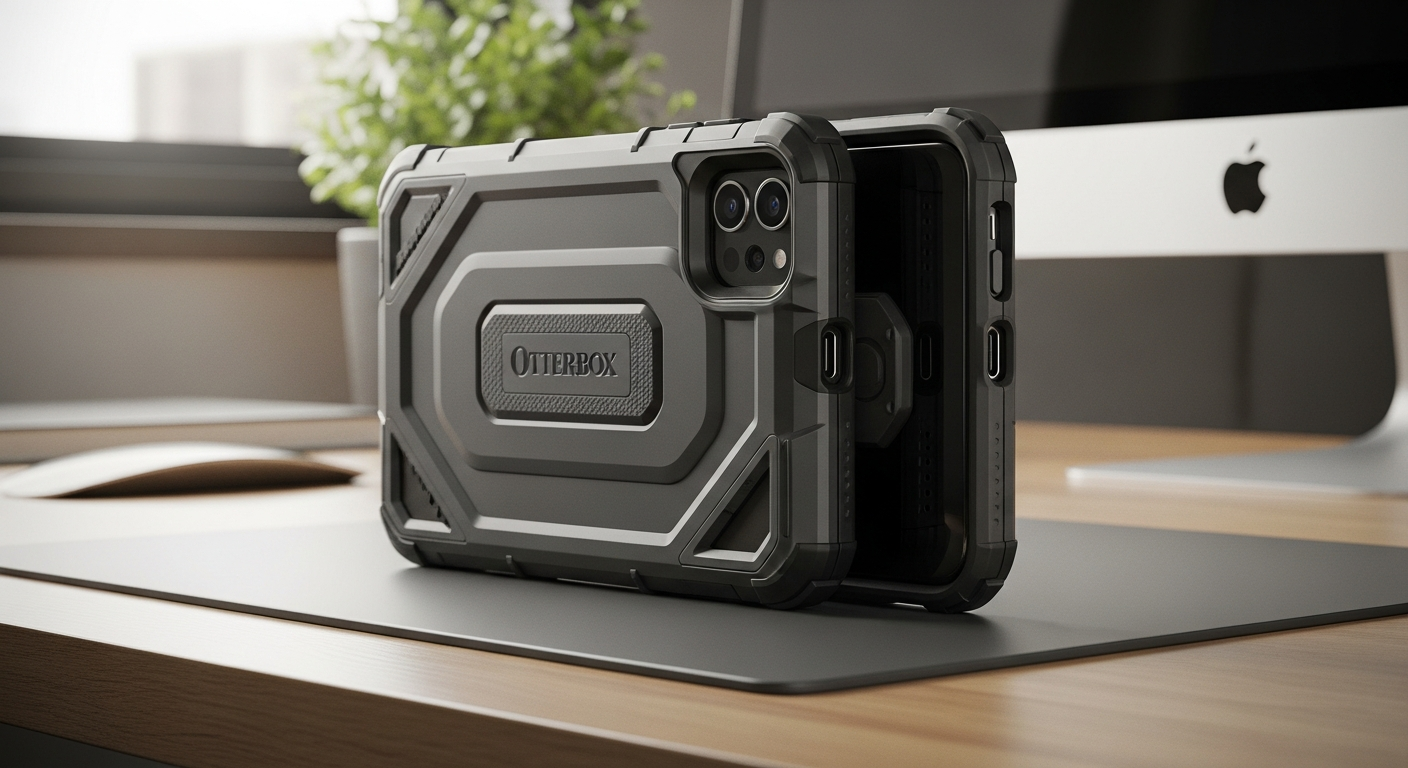
Australians drop their smartphones an average of 3-4 times per year, and one catastrophic tumble can cost hundreds of dollars to repair. The reality is sobering: your device sits in your pocket, gets knocked off a desk, or slips from your grip during a hike—and suddenly you're facing a A$300+ repair bill. The OtterBox Defender Series has dominated the rugged phone case market for years, earning a reputation as the gold standard for military-grade protection. Built with multi-layer construction and reinforced corners, this case promises to shield your smartphone from the worst Australia's outdoors can throw at it.
With prices ranging from A$80 to A$120, though, it's a premium choice that demands serious consideration. You're not just buying a case; you're investing in peace of mind. But is that investment justified, or are you overpaying for features you don't actually need? I've researched the Defender Series extensively to understand what drives its popularity among Australians and whether the engineering genuinely justifies the cost.
This article examines the construction that makes the Defender Series so protective, compares its different variants for various lifestyles, evaluates real-world durability in Australian conditions, and honestly assesses whether the bulk and price are worth the protection you're getting.
Explore OtterBox Defender Series options on the official Australian store today.
The Engineering Behind Military-Grade Drop Protection
The Defender Series achieves its legendary durability through thoughtful engineering rather than brute force alone. Its multi-layer construction forms the foundation of its protection strategy. A soft inner slipcover sits against your device, absorbing micro-vibrations and minor impacts. This layer is paired with a hard polycarbonate outer shell that's engineered to dissipate larger forces across a wider area. Many Defender models also include an integrated screen protector, though newer variants like the Defender XT prioritize MagSafe compatibility by omitting this feature.
The reinforced corners deserve particular attention. These aren't just thicker plastic—they're specifically designed to absorb and redirect impact energy when your phone hits the ground at an angle. Corners represent the most vulnerable points during drops, and OtterBox's engineering addresses this vulnerability directly. Port covers and sealed design work together to prevent dust, dirt, and lint infiltration. For Australians contending with beach environments, dusty outback conditions, or simply urban grit, this attention to sealing matters more than it might initially appear.
The result is military-standard drop defense. Some models offer up to 7X military standard drop protection, meaning they've been tested and proven to survive drops that would devastate an unprotected device. This isn't marketing hyperbole—it's built on rigorous testing protocols.
Defender Series Variants and Their Specific Use Cases
OtterBox doesn't manufacture a one-size-fits-all approach. Instead, the Defender lineup offers variants tailored to different priorities.
Defender XT: MagSafe Priority
The Defender XT eliminates the integrated screen protector in favor of full MagSafe compatibility. If you use magnetic car mounts, wallets, or other MagSafe accessories regularly, this variant eliminates the frustration of incompatibility. The trade-off is straightforward: you lose the built-in screen protection but gain seamless accessory integration. This suits users who value practical convenience alongside protection.
Defender Pro: Maximum Defense
The Defender Pro layers on additional features including enhanced water resistance and a premium integrated screen protector. This variant targets users who want everything OtterBox can offer. If you work near water, travel frequently to variable climates, or simply demand maximum assurance, the Pro justifies its premium positioning.
Standard Defender: Balanced Protection
The standard Defender remains the most popular choice. It delivers comprehensive drop protection, dust resistance, and grip improvement without additional features that may not suit your needs. For everyday users with moderate activity levels, this version strikes the practical balance between protection and practicality.
Real-World Durability Performance for Active Australians
Australian conditions present specific challenges that distinguish durability testing from real-world performance. UV exposure from Australia's intense sun can degrade materials faster than temperate climates. Salt spray near coastal areas accelerates corrosion. Temperature fluctuations between hot days and cool nights stress material integrity.
Users report that the Defender Series holds up remarkably well against these conditions. After 12-24 months of daily use, most owners report minimal material degradation, port covers that still function smoothly, and corners that haven't cracked or separated. The textured design provides genuine grip improvement, which Australian users particularly appreciate given how easily slippery phones slide from sun-warmed hands.
The bulkier profile actually reduces accidental drops through improved handling. You're less likely to fumble a phone that feels substantial and grips firmly. For outdoor workers, hikers, and beach visitors, this practical benefit compounds the protection value.
Discover the full range of Defender Series cases at OtterBox Australia.
The Bulk Factor and Aesthetic Trade-Offs
The Defender Series isn't subtle. Adding approximately 14.5mm thickness transforms a sleek smartphone into a noticeably bulkier device. Your jeans pocket suddenly feels crowded. Desk surfaces require more space. Holding the phone one-handed becomes genuinely difficult for people with smaller hands.
This bulk isn't accidental—it's purposeful. That thickness houses the multi-layer protection system. You can't compress military-grade durability into a 2mm profile. However, accepting this trade-off requires honesty about your priorities. If you value a phone that feels light and thin, the Defender Series will frustrate you daily. If you prioritize protection above aesthetic pleasure, you'll adapt within a week and forget the bulk bothers you.
The visual design also loses the premium aesthetic that modern smartphones emphasize. The Defender's purposeful, utilitarian appearance announces "this phone is protected" rather than "this phone is beautiful." For some users, this signals reliability and practicality. For others, it feels like compromise.
Price Justification and Cost-Benefit Analysis
Australian pricing for the Defender Series typically ranges from A$80 to A$120 depending on your device model and chosen retailer. An iPhone 15 Defender case costs A$99.95. This positions the case at the premium end of smartphone protection options.
The cost justification hinges on comparison against repair expenses. Screen replacement for modern smartphones ranges from A$200 to A$400 depending on your device. Replacing a damaged back panel adds another A$100 to A$200. The Defender Series prevents these costs entirely. One protected drop that would have cost A$300 to repair justifies the A$99.95 case investment. Two drops validate the purchase decisively.
Amortized across a typical device lifespan of 3-4 years, the case costs roughly A$25-A$33 annually for protection that genuinely prevents catastrophic damage. Compared to the replacement cost of your entire device, this pricing becomes straightforward math.
Honest Drawbacks and Potential Deal-Breakers
The Defender Series isn't perfect. Australian users have reported mixed experiences with warranty claims, with some approvals taking considerable time while others face rejection. The bulk and weight genuinely bother many users long-term, not just initially. If you're someone who notices every gram, this case will feel heavy.
Color customization remains limited compared to slimmer case alternatives. You're getting practical protection, not fashion expression. The material, while durable, can show wear marks and discoloration after extended use. Some users report that the rubber components become slightly sticky or discolored after 12+ months, though this doesn't compromise function.
These aren't minor concerns. They're genuine trade-offs that affect daily experience.
Who Should Actually Buy the Defender Series
The Defender Series genuinely suits specific user profiles.
Active lifestyle enthusiasts—outdoor workers, hikers, travelers, and adventure seekers—benefit most from this case. Your device faces genuine hazards, and the Defender reduces anxiety about damage during activities you prioritize.
High-value device owners who just purchased an expensive flagship phone often find the Defender's peace of mind worth A$100. Every time you consider the cost of replacement, the case becomes better value.
Parents protecting devices for teenagers prone to accidental drops see measurable returns. If your teenager has broken two phones in two years, the Defender's protection becomes parental investment in device longevity.
If you've personally broken multiple phones, that history suggests you're a genuine candidate for the Defender. Your personal drop record indicates this protection isn't excessive insurance.
Making the Final Protection Decision
Your purchasing decision should rest on three honest questions.
First, how valuable is your smartphone to you? If replacing your device would create genuine financial hardship, the Defender deserves serious consideration. If you upgrade devices annually anyway, paying A$100 for protection feels less urgent.
Second, how active is your lifestyle? Desk workers in climate-controlled offices face fewer drop risks than outdoor workers or parents managing multiple kids' devices. The more actively you use your phone in variable conditions, the more the Defender's protection justifies its cost.
Third, how much peace of mind is worth A$100 to you? This is genuinely personal. Some people happily pay premium prices for confidence. Others would rather accept lower protection to avoid the bulk and cost.
Protecting Your Investment: The Defender Series Verdict
The OtterBox Defender Series represents genuine military-grade engineering backed by years of proven performance. Its multi-layer construction, reinforced corners, and port covers deliver protection that genuinely exceeds what most users will ever need. For Australians with active lifestyles, expensive devices, or a history of accidental drops, this case transforms anxiety into confidence.
The trade-offs are real, though. Bulk, weight, and aesthetic compromise aren't trivial concerns. The higher price point demands honest evaluation of whether you're paying for maximum protection or excessive insurance against unlikely scenarios.
Your decision ultimately hinges on three questions: How valuable is your smartphone to you? How active is your lifestyle? And how much peace of mind is worth A$100? If you're nodding yes to the first two while shrugging at the price tag, the Defender Series has earned its reputation. If you're hesitating on cost or concerned about bulk, trust that instinct—there are solid alternatives that offer meaningful protection without the premium investment.
Shop the OtterBox Defender Series now and protect your device with military-grade defense.
Leave a Reply