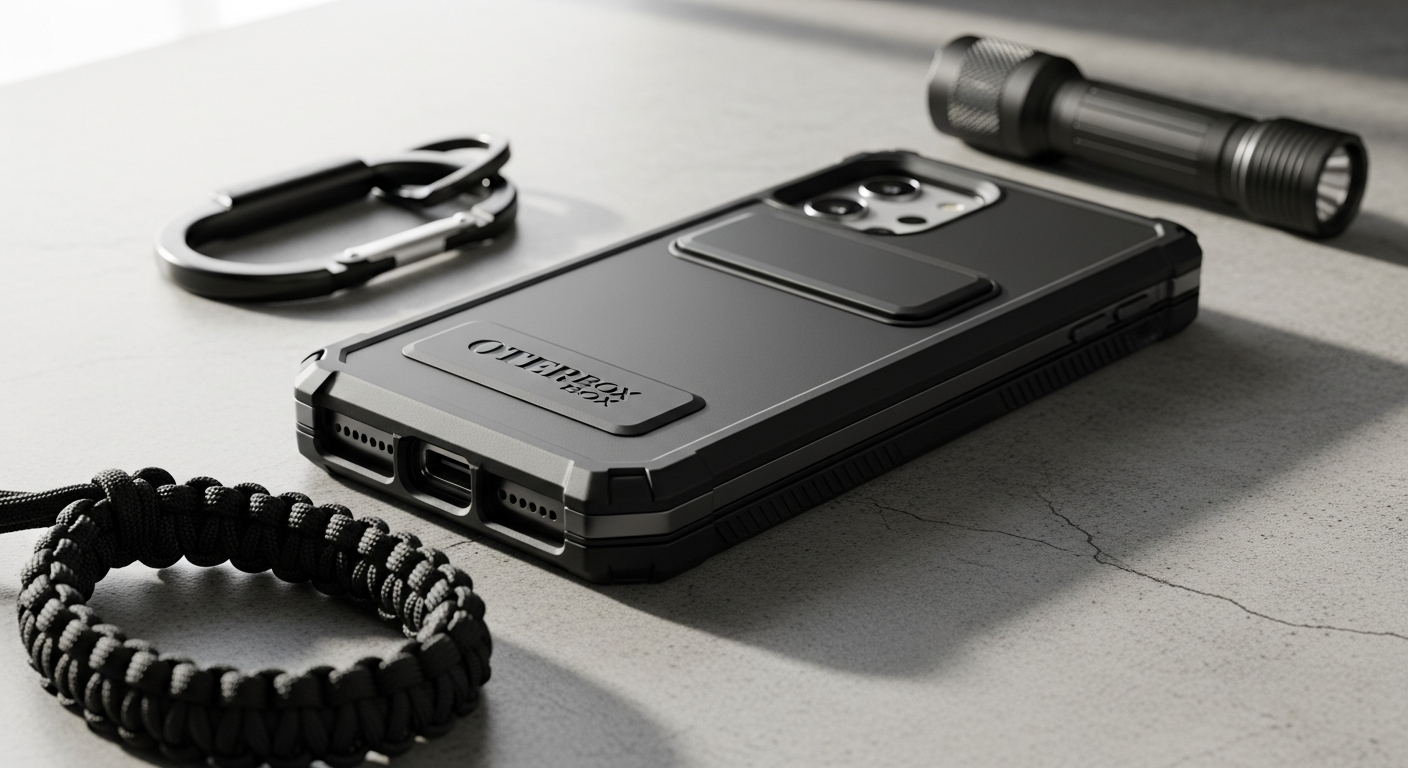
Your smartphone costs upwards of A$1,500—yet most people protect it with a case that costs less than a coffee. That's where the OtterBox Defender Series changes the equation entirely. With military-grade drop protection and a reputation for surviving what would destroy lesser cases, this isn't just another protective cover. It's insurance for your most valuable pocket-sized device.
The OtterBox Defender Series has earned its status as the gold standard in rugged phone protection, particularly across Australia's demanding outdoor and industrial environments. Whether you're navigating construction sites, hiking remote trails, or simply juggling a busy family life, this case has proven itself time and again. What makes it stand out isn't just marketing hype—it's the engineering. A sophisticated multi-layer defense system, military-standard drop certifications, and thoughtful features like port covers and reinforced corners combine to create something genuinely different from mainstream protective cases.
In this guide, you'll discover how its layered construction actually works, compare the different variants available in Australia, understand the real-world protection you're getting, and figure out whether the bulk and weight trade-offs make sense for your lifestyle. By the end, you'll know exactly whether this case deserves a spot in your pocket.
How the Multi-Layer Defense System Actually Protects Your Phone
The Defender Series works through a sophisticated stacking strategy that turns your phone into a fortified device. The inner polycarbonate shell serves as a rigid core that absorbs and distributes impact energy away from your device, preventing force from concentrating on vulnerable internal components. This shell forms the foundation of the protective system.
Surrounding that rigid core sits a synthetic rubber outer slipcover that acts as a cushioning layer, dampening shock and providing grip security with every hold. This dual-material approach means impacts are first softened by rubber, then distributed by the harder shell beneath—a one-two punch that substantially reduces damage potential.
Raised bezels and screen protection work to elevate the display and camera lens above the case's outer edges, ensuring these vulnerable components never make direct contact with surfaces during drops. This simple geometric advantage prevents countless common damage scenarios.
Port covers and access points deliver sealed protection that prevents dust, lint, and debris from entering charging ports and headphone jacks. These removable or sealed covers extend your phone's lifespan by blocking contamination that would otherwise accumulate over time.
Reinforced corner zones feature extra-thick material positioned at impact-prone areas for enhanced drop survivability. Corners absorb tremendous force in typical drop scenarios, so OtterBox concentrates protection exactly where it's needed most.
The textured grip surface reduces accidental drops before they happen through improved handling control. This preventive approach means fewer incidents overall, complementing the case's reactive protection features.
Defender Series vs. Defender Pro vs. Defender XT: Which Model Suits Your Needs
Three primary variants dominate the Australian market, each targeting different protection requirements and use cases.
The Standard Defender Series represents the entry-level rugged protection option with a 6.6-foot (2-meter) drop rating, ideal for everyday users who want reliable protection without extreme-duty specifications. This version handles typical drops and environmental hazards effectively for most people.
The Defender Pro variant steps up as the premium option with 10-foot (3-meter) drop certification for extreme-use environments. Construction workers, outdoor professionals, and anyone regularly exposing their phone to severe conditions gravitate toward this model for its enhanced durability specifications.
The Defender XT evolution represents the modern iteration featuring MagSafe compatibility for wireless charging and accessory attachment. This newer approach integrates contemporary technology without compromising protective integrity.
MagSafe integration benefits users through seamless connection to magnetic accessories—wallets, car mounts, and charging pads—without requiring case removal. This functionality adds practical value to the protective system.
Device compatibility spans iPhone 15, iPhone 17 series, and various Android flagship models, ensuring you'll find a version for your specific phone. OtterBox maintains broad device support across the Defender lineup.
Price differentiation starts around A$99.95 for standard models, with Pro variants commanding premium pricing for enhanced specifications and MagSafe compatibility. The investment scales with the level of protection you actually need.
Military-Grade Drop Protection: What the Numbers Really Mean
The 6.6-foot drop standard means the Defender Series survives falls from approximately 2 meters onto hard surfaces. This isn't marketing hyperbole—OtterBox conducts rigorous testing to verify this capability.
The 10-foot drop capability of the Defender Pro exceeds typical military specifications for extreme-duty applications. Few cases on the market can credibly claim this level of protection, making it genuinely exceptional.
Real-world testing methodology involves OtterBox conducting rigorous drop tests across multiple angles and surface types. They don't simply drop phones straight down; they test corner impacts, edge strikes, and various orientations to replicate actual accident scenarios.
Military standard comparison shows the Defender Series exceeds MIL-STD-810G certification benchmarks for shock and impact resistance. This means independent military testing standards validate the protection claims rather than relying solely on manufacturer assertions.
Cumulative impact resilience means the case maintains protective integrity after repeated drops, not just single-incident testing. A phone might survive one catastrophic fall, but you need a case that handles the daily bumps and occasional more serious mishaps equally well.
Concrete surface performance receives specific testing focus—hard surfaces where phones typically sustain the most damage. Rather than testing on soft surfaces that might overstate protection capability, OtterBox prioritizes the real-world scenarios where damage actually occurs.
Temperature and environmental stress testing verifies drop protection across extreme heat, cold, and humidity conditions. A case might work brilliantly in temperate climates while failing in harsher environments, so OtterBox tests across the full spectrum.
Dust, Dirt, and Environmental Hazards: The Sealed Protection Advantage
Dustproof construction prevents fine particles from infiltrating internal phone components, which matters significantly if you work in industrial settings. Construction sites, sawdust environments, and sandy outdoor locations all present serious dust challenges that regular cases simply don't address.
Industrial work environment suitability explains why construction workers and outdoor professionals trust the Defender Series. These professionals expose their phones to conditions that would destroy unprotected devices within weeks.
Port cover functionality uses removable or sealed covers protecting charging ports and audio jacks from debris accumulation. Over time, lint and dust can prevent proper charging connections; sealed protection eliminates this problem entirely.
Moisture resistance limitations acknowledge that this case is dustproof but not waterproof. The Defender Series suits splashes and brief water exposure, but submersion in water exceeds its design specifications. If you need full waterproofing, specialized waterproof cases exist, though they typically sacrifice other protective features.
Lint prevention works through the textured outer surface and sealed ports keeping lint from accumulating in charging mechanisms. This seemingly minor feature prevents countless frustrating charging issues over time.
Long-term device longevity extends substantially when sealed protection prevents internal contamination. A phone protected from dust accumulation will function reliably for years longer than an unprotected device in the same harsh environment.
Maintenance ease comes from smooth exterior surfaces allowing quick cleaning without trapping dirt in crevices. Unlike cases with complex ridged designs, the Defender Series wipes clean easily.
The Weight and Bulk Reality: Is Extra Protection Worth the Trade-Off
Actual dimensions and weight increase noticeably compared to slim alternatives. Multi-layer construction adds heft that becomes immediately apparent once you slip the phone into your pocket.
Pocket and bag impact means the case increases overall device thickness, affecting how phones fit in pockets and compartments. Some users report their phones no longer fit comfortably in standard pockets, requiring jacket pockets or bags instead.
One-handed usability presents a genuine challenge for larger phones already pushing the size limit. The additional bulk and weight may frustrate users accustomed to single-handed operation.
Hand fatigue considerations emerge during extended use, revealing the cumulative impact of added weight on grip endurance. Users who hold their phones for hours might notice their hands tiring faster with the heavier Defender Series.
Aesthetic compromises prioritize function over fashion-forward styling. The utilitarian design screams "rugged" rather than "premium," which either appeals strongly or repels entirely depending on personal preference.
Lifestyle suitability assessment matters here. Outdoor enthusiasts and industrial workers embrace the bulk; minimalists who prioritize sleek aesthetics may resist it intensely.
Comparison with slim alternatives presents the fundamental trade-off between maximum protection and sleek portability. You cannot have both; the Defender Series decisively chooses protection over convenience.
Who Actually Benefits Most From the Defender Series Investment
Outdoor and adventure enthusiasts—hikers, campers, and travelers facing unpredictable terrain and weather—find the Defender Series genuinely worthwhile. These users regularly encounter conditions that would destroy lesser cases.
Construction and industrial professionals working in harsh environments experience genuine occupational hazards threatening their devices daily. Phone damage becomes a real cost of doing business without adequate protection.
Parents managing active households find themselves inevitably dealing with accidental drops as an ordinary occurrence rather than exceptional event. Children, pets, and constant activity create a perfect storm for phone damage.
High-value device owners protecting a premium smartphone representing significant financial investment gain substantial peace of mind. When your device costs A$1,500+, the A$99.95 case suddenly seems like a bargain.
Frequent travelers—jet-setters and road warriors exposing phones to constant jostling and environmental stress—benefit from the durable protection during transit and at destinations.
Remote workers in challenging locations without easy device replacement access need reliability they can count on. If your phone breaks and you're hours from the nearest store, the Defender Series becomes invaluable.
Warranty maximizers wanting to preserve device condition and avoid costly out-of-warranty repairs find the case pays for itself if it prevents even one accident that would otherwise require expensive repairs.
MagSafe Compatibility: Modern Convenience Meets Rugged Protection
The magnetic accessory ecosystem enables seamless attachment to wallets, car mounts, and charging pads without removing the case. This convenience addition complements rather than compromises the core protective mission.
Wireless charging functionality in MagSafe-compatible models enables fast charging without case removal. Simply place your phone on a compatible charging pad and it charges through the case without any fussing.
Third-party accessory integration opens access to an expanding MagSafe ecosystem from various manufacturers. Wallets snap on magnetically, car mounts attach instantly, and the accessory possibilities continue expanding.
Magnetic strength and reliability ensure the magnets prove sufficiently powerful to prevent accidental detachment during normal use. MagSafe connections remain secure even with the added weight and bulk of the Defender Series.
Retrofit compatibility means some older Defender models can add MagSafe through separate magnetic rings if you upgrade from a non-MagSafe version. This flexibility reduces waste and extends the life of older cases.
Future-proofing your investment matters since MagSafe adoption across the Apple ecosystem ensures long-term accessory relevance. This technology isn't a passing fad; it's becoming standard across modern devices.
Convenience versus protection balance shows that MagSafe adds functionality without compromising the protective mission. You don't sacrifice any defense capability to gain this modern convenience feature.
Australian Pricing and Value Assessment: Is A$99.95 Worth It
Premium pricing reflects military-grade engineering and proven durability reputation. OtterBox didn't become the market leader by offering budget options; they built trust through quality and reliability worth paying for.
Cost per year of protection reveals modest value when you spread A$99.95 across 2-3 years of ownership. That calculates to roughly A$30-50 annually for comprehensive protection—less than a monthly coffee subscription.
Device replacement cost comparison puts the investment in perspective. A case costing A$99.95 protects against replacing a device costing A$1,500+. The math is straightforward and compelling.
Insurance alternative perspective shows the case costs less than annual accidental damage insurance premiums while providing guaranteed protection. Unlike insurance that may deny claims, the Defender Series always protects.
Retailer variation means prices fluctuate across Australian retailers; online options often undercut physical stores. Shopping around might reduce your cost slightly, though the core value proposition remains consistent.
Bundle and promotional opportunities emerge during seasonal sales, with bundle deals potentially reducing your effective cost. Watching for sales periods can yield meaningful savings.
Resale value preservation adds unexpected value—protected devices maintain higher resale worth, offsetting much of the case investment when you eventually upgrade.
Real-World Durability: How Long Does the Defender Series Actually Last
Multi-year lifespan means cases typically remain protective for 2-3 years of regular use before material degradation becomes significant. This represents a reasonable service life given the demanding conditions these cases endure.
Rubber degradation timeline shows the synthetic rubber slipcover gradually hardens and loses grip over extended periods. This natural material aging process eventually requires case replacement.
Corner and edge wear patterns appear noticeably in high-stress areas before protective integrity compromises. Visual inspection reveals wear before actual protection fails.
Color fading and cosmetic aging occur throughout the case's life. Black cases hide wear better; lighter colors reveal dust and scratches more readily, affecting appearance if not protection.
Port cover longevity varies—removable covers may loosen or become lost over time, while sealed variants maintain integrity longer. Replacement port covers remain available if you lose yours.
Drop test consistency maintains throughout the lifespan despite cosmetic wear. The protective capability remains effective even as the case shows its age visually.
Replacement cycle economics suggest two-year replacement intervals balance protection reliability with material degradation. After two years, the case still protects effectively, but third-year performance begins declining noticeably.
Comparison With Competitor Cases: Where Defender Series Stands Out
OtterBox brand heritage spans decades of rugged case specialization versus competitors' broader product portfolios. This focused expertise shows in refined protective design unmatched by generalist case manufacturers.
Drop protection standards show the Defender Series consistently exceeding competitor drop ratings at comparable price points. Few competitors even attempt military-grade certification claims.
Material quality consistency reflects OtterBox maintaining stricter quality control than many competitors. Manufacturing standards remain consistent across production runs rather than varying between batches.
Warranty and customer support offer industry-leading coverage and responsive customer service. When you purchase OtterBox, you gain access to their reputation-backed support system.
Design evolution demonstrates regular updates incorporating MagSafe and modern features faster than some competitors. OtterBox adapts to technological change rather than producing the same design year after year.
Aesthetic alternatives exist among competitors offering more stylish designs, though they sacrifice protection for appearance. This choice represents a valid preference—just not what the Defender Series prioritizes.
Price-to-protection ratio favors the Defender Series substantially. Comparable protection from competitors often costs more while delivering less proven durability.
Maintenance and Care: Keeping Your Defender Series in Peak Condition
Cleaning routine involves regular gentle cleaning with a microfiber cloth preventing dust accumulation and maintaining grip. Monthly attention keeps the case looking and performing well.
Port cover management requires periodically checking and resealing port covers to maintain dustproof integrity. This simple maintenance ensures the sealed protection continues functioning.
Grip restoration becomes necessary if the textured surface accumulates dust and loses its original texture. Gentle cleaning restores the grip texture quickly.
Rubber conditioning means some users apply light conditioning products preventing excessive rubber hardening. This optional step extends the grip's lifespan and feel.
Inspection schedule should happen monthly, with visual inspection identifying wear patterns before protective failure occurs. Proactive assessment prevents surprises.
Storage considerations suggest avoiding prolonged exposure to direct sunlight, which can accelerate rubber degradation. Keep your case in shaded areas when not in use.
Replacement part availability through OtterBox offers replacement port covers and components for extended case life. You don't need to replace the entire case if just one component wears out.
Making Your Final Decision: Is the Defender Series Right for Your Phone
After examining the Defender Series from every angle—from its military-grade engineering to its undeniable bulk—the verdict depends entirely on your circumstances. If you're an outdoor enthusiast, construction professional, or parent managing an active household, this case delivers genuine peace of mind that cheaper alternatives simply cannot match. The A$99.95 investment becomes trivial when weighed against a A$1,500+ device replacement or costly repair bills. You're not buying a case; you're buying insurance backed by proven performance and military-standard certifications.
However, if you prioritize slim profiles and aesthetic appeal, the Defender Series will feel like an unwelcome brick in your pocket. The trade-off between maximum protection and everyday convenience isn't for everyone, and that's perfectly legitimate. The case excels at its singular mission—protecting your phone through extreme conditions—but sacrifices portability and style in the process.
The real question isn't whether the Defender Series is good; it demonstrably is. The question is whether you need what it offers. Assess your actual lifestyle, not your imagined worst-case scenarios. Do you genuinely work in harsh environments? Do drops happen regularly in your household? Are you protecting a premium device you cannot easily replace? If you answered yes to any of these, the Defender Series deserves serious consideration. If you answered no, a mid-range protective case might serve you equally well while keeping your phone slimmer and your wallet slightly fuller. Either way, you're making an informed choice—and that's what matters.
Leave a Reply