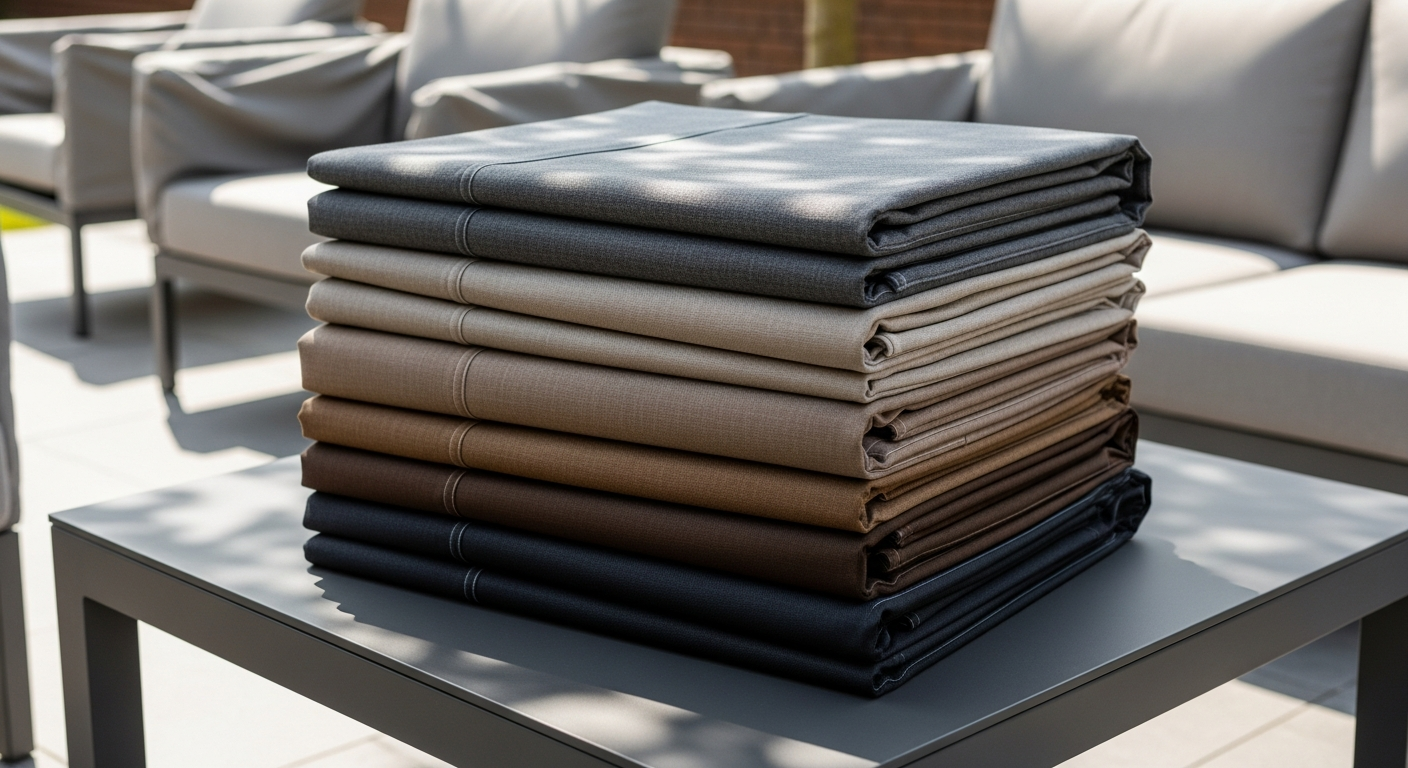
Your favorite outdoor sofa costs more than most people's living room sets—yet you're covering it with a generic fabric that billows in the wind and leaves gaps where rain seeps through. That disconnect between investment and protection happens more often than it should. Custom outdoor furniture covers represent a fundamental shift in how we protect our outdoor spaces. Rather than forcing your unique furniture into standard molds, brands like Covers And All build covers around your exact specifications.
The outdoor furniture market has transformed dramatically. Homeowners are investing more heavily in sectionals, built-in benches, specialty grills, and fire pits that simply don't fit standard cover dimensions. A generic cover designed for average furniture becomes a liability when applied to curved pieces, L-shaped sectionals, or custom-built outdoor kitchens. The result: water pooling, debris accumulation, UV damage, and that frustration of watching an expensive cover fail at its most basic job.
This guide helps you understand why custom covers matter, which fabric options suit different climates, and how to navigate pricing without overspending. You'll discover how precision measurement eliminates the gaps and folds that plague standard covers, explore fabric choices engineered for everything from moderate climates to coastal storms, and learn what customers actually experience when they upgrade to tailored protection.
Explore custom outdoor furniture covers built to your exact dimensions at Covers And All.
Why Generic Covers Fall Short (And What Custom Solutions Offer Instead)
Standard covers are manufactured to fit average furniture, ignoring L-shaped sectionals, curved benches, and unique fire pits. This one-size-fits-all approach creates immediate problems. That oversized fabric bunches in corners, hangs unevenly on curved edges, and leaves gaps that defeat the entire purpose of owning a cover.
Ill-fitting covers create pockets where water pools, debris accumulates, and UV rays penetrate directly onto your furniture. You're left with moisture trapped beneath the cover, causing mildew and wood rot. Meanwhile, loose areas flap in the wind, allowing rain to seep sideways into gaps. The fabric itself wears unevenly—stretched tight in some spots while bunching elsewhere—causing premature tearing and fraying.
Custom covers eliminate gaps, folds, and excess fabric that compromise protection and look unsightly. When a cover is built to your furniture's actual dimensions, every inch serves a purpose. There's no excess material creating weak points or catching wind. There are no gaps where weather can infiltrate.
Precise measurements mean elastic hems and tie-downs actually secure the cover properly during wind and storms. Generic covers often include elastic hems that don't sit snugly because the cover itself is the wrong shape. Custom hems are engineered to your furniture's perimeter, creating genuine security. Tie-downs attach at points that make sense for your specific piece, not just standard locations that worked for average furniture.
The snug fit extends the lifespan of both the cover and furniture by preventing friction damage and ensuring consistent weather protection. Without constant movement and shifting, covers don't wear out prematurely. Your furniture gets reliable, continuous protection rather than intermittent coverage interrupted by gaps and movement.
Fabric Options Explained: Choosing the Right Material for Your Climate
Cover Max: Moderate Protection for Temperate Zones
Cover Max offers mid-range waterproofing and UV resistance ideal for moderate climates with occasional rain. This fabric handles typical seasonal weather—spring showers, occasional intense sun, and mild winter conditions. It's not engineered for extreme coastal salt spray or heavy snow loads, but it performs admirably for most residential outdoor spaces.
Cover Rite: Balanced Protection Across All Elements
Cover Rite provides balanced protection across waterproofing, mildew resistance, and durability for temperate regions. This option bridges the gap between basic protection and industrial-grade defense. It resists mildew effectively, making it suitable for areas with higher humidity or frequent morning dew. The fabric maintains integrity through multiple seasons while offering better longevity than entry-level options.
Cover Tuff: Industrial-Grade for Extreme Conditions
Cover Tuff is industrial-grade material engineered for extreme weather in coastal areas, heavy snow regions, or intense UV climates. If you live near the ocean, experience harsh winters, or deal with relentless sunlight, this fabric justifies the investment. It's designed to withstand salt spray, heavy snow weight, and UV radiation that would degrade standard fabrics within a season or two.
Each fabric option offers different levels of mildew resistance, critical for humid environments where moisture-trapping is a concern. Cover Tuff excels here, as do the mid-range options, but your climate matters. A humid subtropical region demands different fabric considerations than a dry mountain valley.
Material thickness directly impacts longevity; premium fabrics maintain integrity longer under prolonged sun exposure. Thicker fabrics don't tear as easily when branches fall or when winter winds intensify. They resist UV degradation more effectively, maintaining color and structural integrity season after season.
Personalization options including logos, designs, and colors are available across all fabric tiers to match your outdoor aesthetic. Your cover doesn't need to be utilitarian beige. Many customers add logos, choose colors that complement their outdoor décor, or request specific designs that make their patio feel intentional and coordinated.
Pricing Breakdown: Finding Affordable Custom Protection
Entry-Level Options: Starting Under $10
Entry-level custom covers start as low as $7.18 for small items, making tailored protection accessible for budget-conscious buyers. This price point covers things like small planters, compact outdoor accessories, or minimal seating pieces. Even at this price, you're getting custom dimensions rather than a generic fit.
Accent Pieces: $20–$30 Range
Square ottoman covers average around $29.83, providing affordable protection for accent pieces. Fire pit covers range from $20.14 upward, with pricing scaling based on dimensions and fabric choice. These pieces protect valuable outdoor investments without requiring a significant budget commitment.
Seating Protection: $100+ for Standard Sizes
Bench covers typically start around $107.05 for standard sizes, with larger or specialty designs commanding higher prices. As furniture dimensions increase and fabric choices shift toward premium tiers, pricing naturally rises. A large custom sectional cover will cost significantly more than a bench, but the protection justifies the investment for expensive outdoor seating.
Discount and Shipping Strategies
Covers And All frequently runs promotions offering free shipping on orders exceeding $99, effectively reducing overall cost. This incentive encourages customers to protect multiple outdoor pieces simultaneously rather than piecemeal purchases.
Bulk ordering multiple covers for a patio set often qualifies for discounts, rewarding customers who protect their entire outdoor collection. If you have several pieces needing protection, ordering them together typically results in savings.
Check current pricing and promotions for custom covers that fit your budget and furniture.
The Ordering Process: From Measurement to Delivery
The measurement phase is where precision begins with exact dimensions and photo verification before production. You'll need to measure your furniture carefully—length, width, height, and any curves or unusual angles. The process isn't complicated, but it does require accuracy.
This collaborative approach catches errors before production, preventing the frustration of covers that don't fit. Rather than shipping you something that misses the mark, Covers And All builds verification into the process. You provide measurements, photos are exchanged, and dimensions are confirmed before cutting and sewing begins.
The user-friendly ordering interface guides customers through fabric selection, customization options, and dimension input without overwhelming complexity. You're not navigating a confusing technical system. The interface asks straightforward questions: What's your furniture type? What are the dimensions? Which fabric tier? Any customization requests? Each step flows naturally.
Photo confirmation ensures both customer and manufacturer agree on specifications before cutting and sewing begins. This step prevents the "I measured wrong" or "the photo showed something different" problem. When both parties visually confirm the same understanding, production begins with confidence.
Production timelines are generally quick, with many customers reporting delivery within 1-2 weeks of order placement. You're not waiting months for a custom item. The manufacturing process, once specs are confirmed, moves efficiently from production to your doorstep.
Tie-downs, elastic hems, and optional zippers or handles are integrated during manufacturing, not added as afterthoughts. These aren't accessories bolted on after the fact. They're engineered into the cover's construction from the beginning, ensuring they function as intended.
Real Customer Experiences: What Owners Actually Report
Customers consistently praise the precision fit, noting that covers stay in place during wind and heavy rain. This is the core benefit—covers that actually remain secure rather than shifting around, flapping, or blowing off during storms.
Material quality receives high marks, with many reporting covers maintain color and integrity after multiple seasons. Fabric doesn't fade excessively, seams hold, and the overall construction withstands extended outdoor exposure.
The detailed attention to measurements and verification process builds confidence in the final product. Knowing that someone reviewed photos and dimensions before production begins creates peace of mind. The cover arrives fitting properly because the process ensured accuracy.
Quick delivery times surprise many customers accustomed to lengthy waits for custom items. Two weeks from order to delivery exceeds expectations for a personalized product.
However, some customers report customer service interactions that felt dismissive when issues arose. Not every interaction has been positive. A small percentage of buyers encountered customer service representatives who didn't handle problems with the attention they deserved.
Occasional quality concerns include fabric fading after extended sun exposure, broken zippers, or fraying edges. While most customers report excellent quality, no product is flawless. Some covers have experienced premature fading, zipper failures, or seam fraying—issues that, while infrequent, do occur.
Maintenance and Long-Term Protection: Maximizing Your Cover's Lifespan
Regular cleaning removes dirt, pollen, and debris that can trap moisture and accelerate fabric degradation. Leaves, pollen, and dust aren't just unsightly—they absorb water and trap it against the fabric, promoting mildew and breakdown.
Gentle brushing or low-pressure rinsing keeps covers looking fresh without damaging seams or fabric. You don't need high-pressure washing equipment. A soft brush and garden hose work effectively. The goal is removal without aggression.
Inspect tie-downs and elastic hems seasonally; tighten or adjust as needed to maintain secure fit. Elasticity can loosen over time. A quick seasonal check ensures your cover stays snug even as materials age slightly.
During off-season storage, ensure covers are completely dry before folding to prevent mildew development. Storing a damp cover is practically guaranteeing mildew growth. Dry it thoroughly, then fold or roll it carefully.
Check zippers and handles regularly for signs of wear; address minor damage before it becomes a larger problem. A zipper slider that's starting to stick is easy to fix with lubrication. A slider that's completely broken requires repair or replacement.
Proper ventilation underneath covers prevents moisture accumulation that can damage both the cover and furniture. If possible, elevate furniture slightly or use spacers under the cover to allow air circulation. This prevents the trapped-moisture situation that damages everything underneath.
Comparing Custom Covers to Off-the-Shelf Alternatives
Generic covers typically cost 20-40% less upfront but fail to protect furniture properly, leading to costly damage repairs. That savings evaporates when your sofa develops mildew, your wood warps, or your cushions deteriorate from water infiltration.
Standard covers' poor fit means water infiltration, UV penetration, and wind damage that custom covers prevent. The gaps that plague ill-fitting covers aren't minor inconveniences—they're direct routes for water, debris, and damaging UV rays.
One-size-fits-all options create excess fabric that bunches, tears, or shifts—issues eliminated by tailored designs. Excess material doesn't just look bad. It wears faster, catches wind more easily, and creates stress points where tears develop.
Custom covers adapt to unique furniture shapes that generic covers cannot accommodate. That L-shaped sectional, curved bench, or specialty grill simply doesn't fit standard templates. Custom covers embrace the unique shapes that make your outdoor space personal.
The replacement frequency for generic covers often exceeds custom covers, making long-term costs comparable or higher. If you replace a generic cover every 1-2 years and a custom cover lasts 3-4 years, the custom option wins financially despite higher upfront cost.
Aesthetic appeal differs dramatically; custom covers look intentional and fitted, while generic covers appear makeshift. Your outdoor space reflects your home's quality. A well-fitted custom cover enhances the space. A loose generic cover diminishes it.
Special Considerations for Unique Outdoor Pieces
L-shaped sectionals require custom covers to eliminate gaps and overlapping fabric that plague generic sectional covers. Standard sectional covers assume a specific configuration. Your unique layout needs custom adaptation.
Built-in benches and fixed furniture require custom dimensions; standard covers either hang loose or don't fit at all. Furniture that's integrated into your deck or patio structure demands custom solutions.
Specialty grills with unique shapes demand custom solutions for proper protection and secure fit. That barrel-shaped smoker or custom-built grill won't fit standard cover templates. Custom dimensions ensure proper protection for your investment.
Fire pits in round, square, or custom shapes need tailored covers to prevent water pooling and ensure security. A generic fire pit cover doesn't account for your specific pit's dimensions, resulting in gaps or bunching.
Outdoor kitchen components including countertops, sinks, and appliances benefit from custom protection designed for their configurations. High-end outdoor kitchens represent substantial investments. Standard covers simply don't work for these complex setups.
Pergolas and shade structures require custom covers that standard options simply cannot provide. These architectural elements have unique dimensions and angles that demand custom solutions.
Covers And All's willingness to tackle virtually any item means even unusual or high-end pieces receive appropriate protection. If you have an unconventional outdoor element, reaching out to discuss custom options is worthwhile.
Protecting Your Outdoor Investment: The Custom Cover Advantage
Custom outdoor furniture covers represent a smarter approach to outdoor protection. Rather than forcing your unique pieces into generic molds, tailored covers adapt to your furniture's actual dimensions, climate challenges, and aesthetic preferences. The precision fit means better weather protection, extended furniture lifespan, and the peace of mind that comes with knowing your outdoor investments are genuinely secure.
Yes, custom covers require slightly more attention during ordering. Measurements matter. Fabric selection demands consideration. You'll need to communicate with the manufacturer about dimensions and specifications. But this collaborative process is precisely what eliminates the frustration of ill-fitting covers that shift, gap, and fail when you need them most.
Covers And All's extensive fabric options ensure you can match protection levels to your specific climate, while pricing that starts under $10 for small items makes custom solutions accessible across budgets. Your outdoor furniture deserves protection that actually works.
Start by measuring your furniture carefully. Select a fabric tier that matches your climate—Cover Max for moderate conditions, Cover Rite for temperate regions, or Cover Tuff for extreme weather. Place your order, confirm measurements with the manufacturer, and wait for a cover that actually fits your unique pieces.
Your future self will thank you when that cover remains secure during storms, when your furniture looks pristine after years of protection, and when you avoid the damage that generic covers allow.
Start protecting your outdoor furniture with custom covers designed for your exact specifications.
Leave a Reply