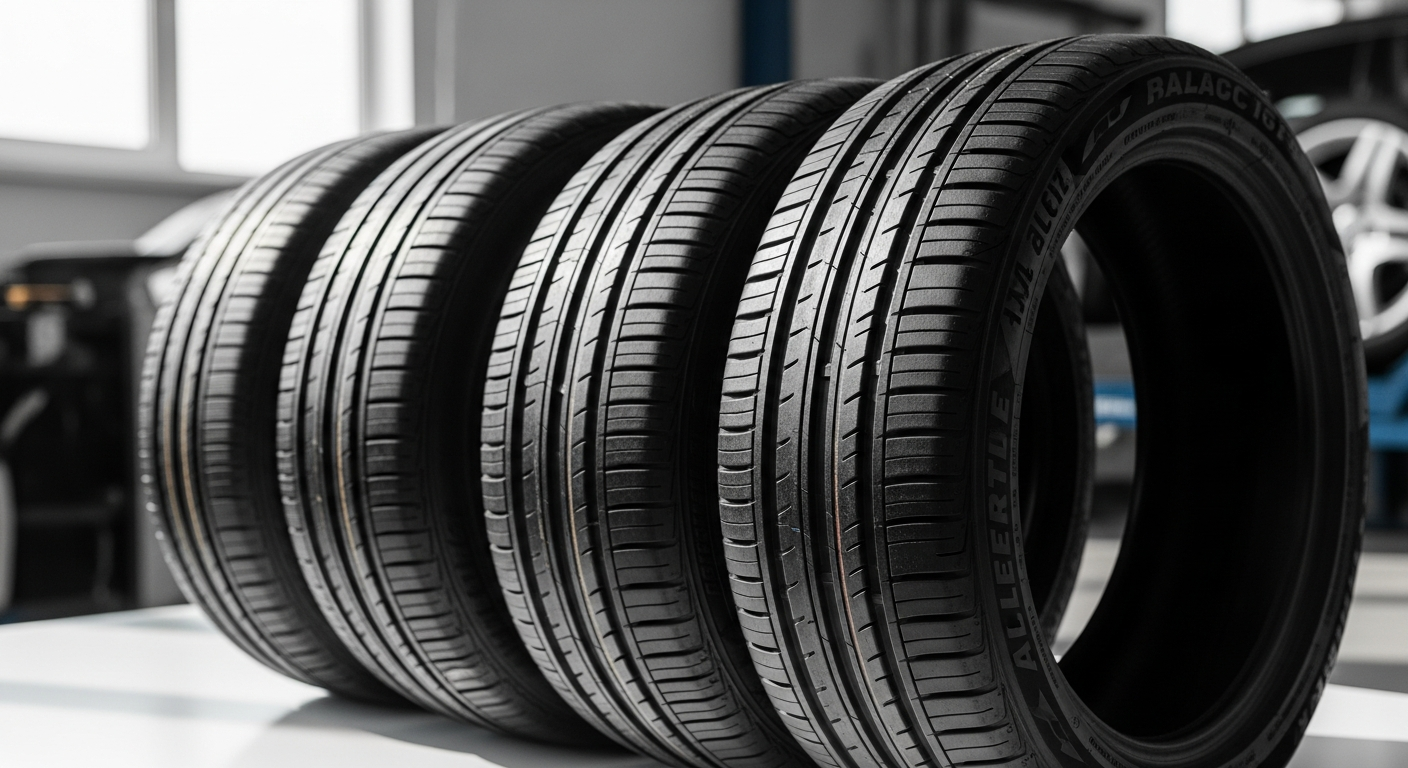
Over 60% of drivers in moderate climates never switch their tires seasonally—and they're onto something worth understanding. The convenience of keeping one set of tires year-round eliminates the hassle of storage, swapping, and the expense of maintaining two complete tire sets. Yet many drivers remain uncertain whether premium all-season tires truly deliver the performance and safety they need, especially when winter arrives.
Premium all-season car tires have become the go-to choice for Austrian drivers seeking versatility without compromise. Unlike budget alternatives, these engineered solutions combine advanced rubber compounds, sophisticated tread patterns with siping technology, and often carry the 3PMSF certification—meaning they're engineered to handle mild winter conditions alongside spring and summer driving. Brands like Michelin, Continental, and Goodyear have perfected the formula, delivering tires that balance grip, fuel efficiency, and longevity.
Shop premium all-season tires at Reifen Pneus Online AT to find the perfect fit for your vehicle.
How Premium All-Season Tires Are Engineered for Multiple Seasons
Premium all-season tires operate on a carefully balanced principle: they must perform acceptably across dramatically different temperature ranges and road conditions without specializing excessively in any single scenario. This engineering challenge shapes every component of the tire.
Dual-purpose rubber compounds
The rubber compound is the foundation of this versatility. Premium formulations remain flexible enough to grip roads below 7°C while maintaining durability during warm summer conditions. This flexibility is critical—when temperatures drop, standard rubber hardens and loses grip. Premium compounds resist this stiffening through carefully selected polymers and additives that maintain molecular flexibility across a broader temperature spectrum.
V-shaped tread patterns
The tread architecture follows a purposeful design. V-shaped channels are engineered to channel water and slush away from the tire surface with precision, reducing hydroplaning risk during heavy rain or wet snow conditions. This directional pattern provides better water evacuation than simpler tread designs, which matters considerably on Austria's frequently wet roads during spring and autumn.
Siping technology
Narrow channels called sipes bite into wet and light snowy surfaces for improved traction. These microscopic cuts create additional edges that grip water films on wet pavement and provide mechanical grip on compacted snow. The sipe density and geometry vary strategically across the tread—more aggressive siping in the center for snow handling, adjusted patterns on the shoulders for cornering grip.
Moderate tread depth and lower rolling resistance
All-season tires maintain moderate tread depth balanced between summer and winter requirements without extreme specialization in either direction. This compromise affects winter performance compared to dedicated winter tires but improves fuel efficiency. Lower rolling resistance contributes significantly to improved fuel efficiency compared to dedicated winter tires, translating to real savings at the pump across the tire's lifespan.
Noise reduction design
Premium all-season tires are engineered for quieter, more comfortable highway and city driving through sound-dampening materials and optimized tread block patterns that reduce noise generation.
The 3PMSF Certification: What It Means for Winter Performance
The Three-Peak Mountain Snowflake symbol represents an official indicator of severe winter tire performance capability—but understanding what it actually guarantees matters more than recognizing the symbol alone.
Testing standards and winter capability scope
Tires bearing the 3PMSF designation have passed rigorous snow traction tests exceeding standard all-season requirements. They've proven suitable for mild to moderate snow and ice conditions, not extreme alpine driving. This certification provides an important middle ground: more winter capability than generic all-season tires, yet not matching the performance of dedicated winter tires on ice or deep snow.
Regulatory compliance and performance limitations
The certification is required in some European regions during winter months, and it provides regulatory compliance for driving through mountain passes during winter. However, it's crucial to recognize that 3PMSF-certified all-season tires still aren't equivalent to dedicated winter tires in severe freezing conditions. They represent an upgrade within the all-season category, not a substitute for true winter tire performance.
Driver confidence factor
The certification provides assurance for unpredictable seasonal weather transitions—that reassurance matters considerably when you're navigating uncertain spring or autumn conditions.
Where Premium All-Season Tires Outperform Budget Alternatives
The difference between premium and budget all-season tires extends far beyond marketing positioning. Real performance gaps emerge across multiple dimensions.
Tread life longevity
Harder rubber compounds in premium tires extend tire lifespan by 20-30% compared to budget options. This durability compounds your savings considerably over time—a premium tire lasting 50,000 km versus a budget tire's 35,000 km represents genuine value accumulation.
Wet road grip and handling precision
Superior water evacuation means better braking distances on rainy Austrian roads. More responsive steering and cornering stability during everyday driving translate to noticeably safer operation, particularly during autumn and spring when wet conditions dominate.
Fuel efficiency gains and comfort
Lower rolling resistance translates to measurable savings at the pump. Premium construction simultaneously reduces road noise and vibration transmission, making longer drives noticeably more comfortable. These tires maintain grip characteristics across wider temperature ranges—you experience consistent performance whether driving in early spring or late autumn.
Price-to-value ratio
Premium tires at €80-€110 per tire offer better long-term value than €50 budget options when you factor in extended lifespan, improved safety, and fuel savings. The math favors quality over the cheapest available option.
The Real Trade-offs: What All-Season Tires Can't Do
Honesty demands acknowledging the genuine limitations of all-season designs. These tires succeed through compromise, and compromise inherently means accepting certain limitations.
Performance limits in extreme conditions
All-season tires lack the extreme grip and sharp handling of dedicated summer tires in hot conditions. They cannot match the specialized traction of true winter tires on ice or deep snow. Your rubber compound hardens below 7°C, reducing grip in consistently cold climates. This matters most in regions with severe winters or intense summers—areas where extreme conditions dominate the driving season rather than appearing occasionally.
Braking distance trade-offs
Longer stopping distances occur in both extreme cold and extreme heat scenarios compared to seasonal alternatives. Handling precision also suffers slightly compared to summer-specific alternatives during aggressive driving. All-season tires are fundamentally not ideal for extreme climates—they're better suited to moderate regions than areas with severe winters or intense summers.
Selecting the Right Premium All-Season Tire for Your Vehicle
Choosing the correct tire requires moving beyond general interest to specific matching of tire characteristics with your vehicle and driving patterns.
Vehicle type considerations and size compatibility
Different specifications apply for passenger cars, SUVs, vans, and crossovers. Tire dimensions must match your vehicle's requirements—check your door jamb or owner's manual for the correct specification. This isn't flexible; incorrect tire sizes compromise handling, fuel efficiency, and safety.
Load rating and speed rating assessment
Ensure the tire's load index supports your vehicle's weight plus typical cargo capacity. Choose appropriate speed ratings matching your typical driving patterns. Most Austrian drivers can select tires rated for highway speeds without purchasing premium performance ratings designed for track driving.
Brand reputation and warranty coverage
Michelin, Continental, Goodyear, Hankook, and Vredestein offer proven reliability through real-world performance data. Compare manufacturer warranties and roadside assistance programs—premium brands typically offer superior coverage that extends peace of mind beyond the purchase.
Seasonal climate matching
Verify the tire's capabilities align with your region's weather patterns. Alpine region drivers need stronger winter performance than those in temperate lowland zones. Urban commuters have different requirements than highway-focused drivers.
Cost Analysis: Investment vs. Long-Term Savings
The financial case for premium all-season tires becomes clearer when examining the full economic picture rather than focusing solely on initial purchase price.
Pricing structure and complete set investment
Single tire pricing ranges from €50 (budget) to €250+ (premium brands and larger sizes). A quality four-tire set in standard sizes typically costs €320-€440. This upfront investment requires justification through downstream savings.
Elimination of storage and tire swap costs
You eliminate expensive storage facility fees or climate-controlled garage space requirements. Seasonal tire swaps cost €40-€60 per service at most tire shops, and avoiding this annual routine adds up—two swaps yearly equals €80-€120 in avoided labor costs plus your personal time investment.
Fuel efficiency and extended tread life
Lower rolling resistance can reduce fuel consumption by 3-5% annually. Premium tires often last 40,000-60,000 km versus 30,000-40,000 km for budget options. A driver covering 15,000 km annually sees the premium investment amortized within roughly four years through combined fuel savings and extended tire life.
Resale value impact
Well-maintained premium tires enhance vehicle appeal to future buyers. This intangible benefit rarely factors into purchasing calculations but provides genuine value when selling your vehicle.
Installation, Maintenance, and Longevity Tips
Quality tires demand proper care to deliver their promised performance and lifespan.
Professional installation and regular maintenance
Professional installation ensures proper wheel balancing and alignment for optimal performance. Maintain manufacturer-recommended PSI for fuel efficiency and tire lifespan—underinflated tires waste fuel and generate excess heat, while overinflation reduces grip.
Rotation schedule and tread depth monitoring
Rotate tires every 10,000-15,000 km to ensure even wear across all four wheels. Replace tires when tread reaches 1.6 mm (legal minimum) or 3 mm (safety recommendation). Most driving safety experts recommend replacing tires at 3 mm rather than waiting until the legal minimum—the difference in wet weather performance is significant.
Seasonal inspection and storage best practices
Check for damage, cracks, or uneven wear patterns before winter and summer. Regular washing extends rubber life and maintains appearance. If you store tires seasonally, keep them in a cool, dry location away from direct sunlight—UV exposure accelerates rubber degradation.
Real-World Performance Across Austrian Climates
Premium all-season tire suitability varies significantly depending on your specific geographic location and the typical weather patterns you encounter.
Regional performance assessment
Alpine region drivers find these tires adequate for lower elevations and mild alpine conditions, but they're not suitable for extreme mountain passes requiring dedicated winter tires. Urban commuters experience excellent performance with mixed wet and dry road conditions. Highway drivers enjoy consistent performance on motorways in spring, summer, and fall.
Seasonal variation considerations
All-season tires handle occasional snow and light ice without dedicated winter tire performance during mild winters. They deliver optimal grip during spring thaw and autumn rain periods—transition seasons where all-season tires truly excel. Drivers in coastal and temperate zones with moderate seasonal variations find these tires ideal, but they're not recommended for high-altitude areas with persistent snow or regions with frequent sub-zero temperatures.
Comparing Premium All-Season to Dedicated Seasonal Options
The all-season versus seasonal tire decision fundamentally hinges on your climate, driving patterns, and tolerance for compromise.
Convenience factor and cost considerations
All-season tires eliminate the need for storage, swapping, and maintenance complexity. Summer tires offer superior grip, sharper handling, and shorter braking distances in warm weather, but purchasing separate summer and winter sets increases overall investment significantly. Seasonal tire swapping demands garage space or external storage solutions.
Performance versus practicality
Dedicated winter tires provide dramatically better traction on ice, snow, and consistently frozen surfaces—they're dramatically superior in extreme cold. Choosing between these approaches depends primarily on your climate. Moderate climates favor all-season solutions, while extreme weather regions justify the investment in seasonal alternatives. This decision ultimately reflects a trade-off between performance and practicality—select based on your climate, driving frequency, and comfort with compromises.
The Bottom Line: Making Your All-Season Decision
Premium all-season car tires represent a pragmatic solution for Austrian drivers navigating moderate climates without extreme seasonal swings. They deliver impressive versatility—balancing wet-road grip, winter capability (especially with 3PMSF certification), fuel efficiency, and year-round convenience. The engineering is genuinely sophisticated: specialized rubber compounds, advanced tread patterns with siping, and lower rolling resistance make these tires far more capable than their budget counterparts.
However, they're not magic. All-season tires are inherently a compromise. They won't match the razor-sharp handling of summer-specific tires on hot pavement, nor will they provide the ice-gripping prowess of dedicated winter tires during Alpine snowstorms. Your rubber compound will stiffen below 7°C, and you'll experience longer braking distances in extreme conditions.
If you're in a region with mild winters, prefer the simplicity of one tire set, and want to avoid seasonal storage headaches, premium all-season tires make financial and practical sense. The €80-€110 per-tire investment pays dividends through extended tread life, improved fuel economy, and the freedom to drive year-round without seasonal swaps. Trusted brands like Michelin, Continental, or Goodyear deliver proven performance across Austrian driving conditions. Verify the 3PMSF certification if winter capability matters to you, and match the tire size to your vehicle's specifications.
Leave a Reply