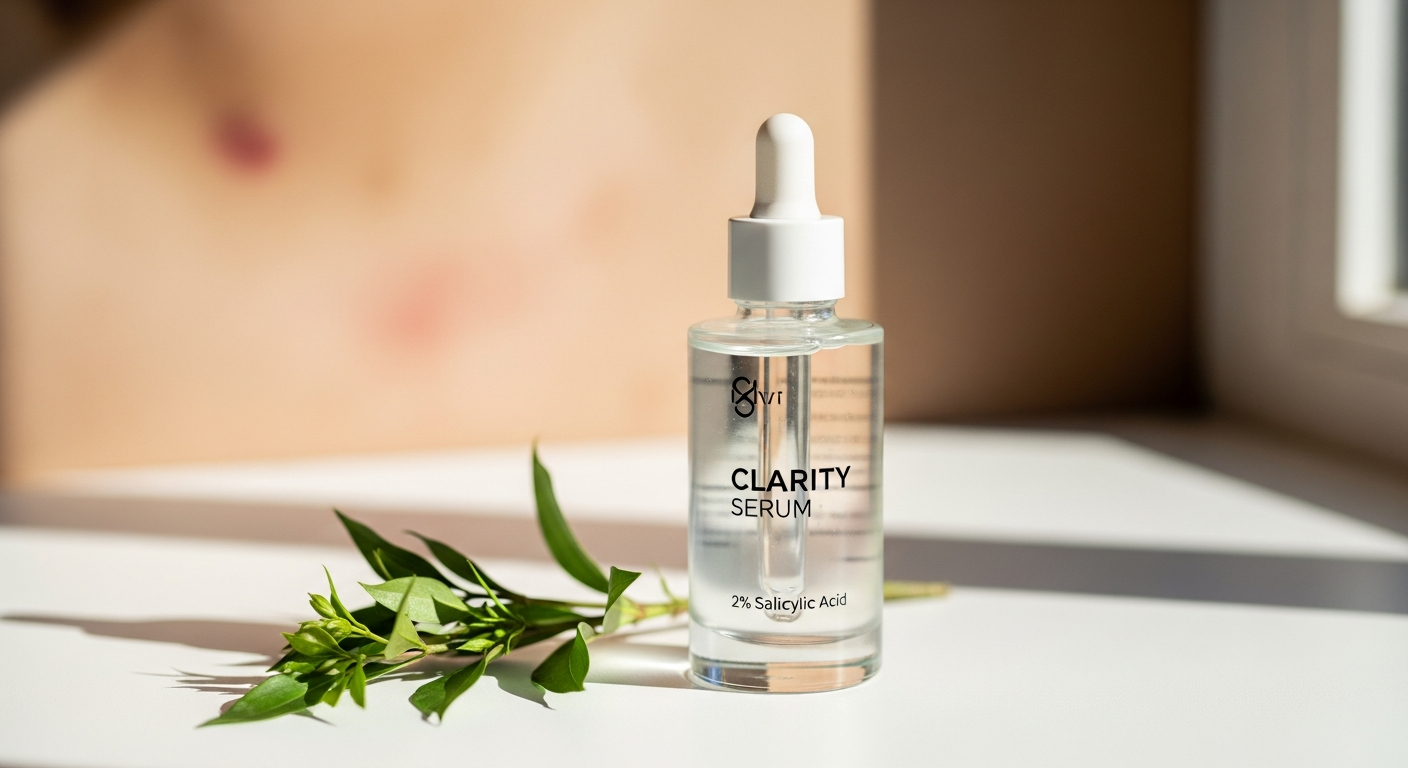
Red spots lingering after acne breakouts? You’re not alone. Post-inflammatory erythema (PIE) affects millions of people, leaving stubborn pink and red marks that can persist for months. The Transparent Lab PIE Acne Red Spot Fading Treatment is a 30ml powerhouse that combines science-backed active ingredients in carefully calibrated concentrations to address what many traditional acne treatments overlook: the lingering redness after breakouts heal. Understanding this treatment’s formula and effectiveness can help you make an informed decision about adding it to your skincare routine.
What Is Post-Inflammatory Erythema and Why It’s Hard to Treat
Post-inflammatory erythema (PIE) represents one of the most frustrating aftereffects of acne breakouts. Unlike scarring or hyperpigmentation, which involve actual structural or pigment changes to the skin, PIE manifests as persistent pink and red spots that appear where inflammation once raged. These aren’t textured indentations or dark marks—they’re vascular responses, where blood vessels remain dilated long after the acne itself has healed.
The distinction matters because standard acne treatments focus on preventing new breakouts and clearing existing blemishes. They excel at stopping bacteria and reducing sebum production, but they rarely address the vascular inflammation left behind. Once acne clears, many people expect their skin to return to normal within days or weeks. Instead, those pink and red spots stubbornly linger for months, sometimes even years.
Inflammation triggers this persistent redness through a cascade of biological responses. When acne develops, your skin’s immune system mobilizes to fight infection and repair damage. Blood vessels dilate to deliver healing nutrients, creating visible redness. After the infection resolves, these vessels don’t always return to their baseline state immediately. The surrounding tissue remains inflamed, perpetuating that frustrating pink tone that resists concealer and refuses to fade on its own.
This is precisely why the Transparent Lab PIE Acne Red Spot Fading Treatment targets this specific concern—it addresses the exact problem that conventional acne products overlook.
Inside the Formula: Active Ingredients That Deliver Results
The treatment’s effectiveness lies in its purposefully calibrated blend of active ingredients, each selected to address different aspects of lingering redness and skin renewal.
Niacinamide (3.5%-5.2%)
Niacinamide anchors this formula as a powerhouse ingredient with multiple beneficial actions. It works to balance pigmentation irregularities while simultaneously reducing the appearance of scarring. Beyond cosmetic improvements, niacinamide strengthens your skin barrier—the critical outer layer that protects against environmental stressors. It also regulates oil production, making it valuable for acne-prone skin that continues producing excess sebum even after breakouts clear.
Glycolic Acid (0.95%-1.45%)
This alpha-hydroxy acid provides gentle chemical exfoliation without the harshness of mechanical scrubbing. Glycolic acid penetrates the stratum corneum to dissolve the bonds holding dead skin cells in place, promoting faster cell renewal. This accelerated turnover reveals fresher, more evenly-toned skin beneath, helping fade red marks more rapidly than skin renewal alone would achieve.
Salicylic Acid (0.85%-1.25%)
Salicylic acid operates as a beta-hydroxy acid, meaning it penetrates deeper into pores due to its lipid-soluble nature. This characteristic makes it exceptional at clearing congestion and preventing new breakouts from forming. For acne-prone skin, preventing future inflammation naturally reduces future PIE formation, creating a preventative benefit alongside its treatment effects.
Supporting Ingredients: Ectoin and Ceramides
The formula’s complete composition includes Ectoin for soothing and moisturizing, protecting skin from environmental stressors that might trigger additional inflammation. Ceramides (NP 0.8%-1.2%) work to support and repair your skin’s natural barrier, counterbalancing the drying potential of chemical exfoliants. The pH range of 5.3-5.8 maintains skin’s natural acidity, minimizing irritation risk.
How the Transparent Lab Treatment Works on Acne Redness
This treatment succeeds because it operates through a multi-action mechanism rather than relying on a single approach. The formula simultaneously exfoliates, brightens, and strengthens—addressing PIE from multiple biological angles.
Niacinamide reduces visible redness directly by calming inflammatory responses and evening skin tone through its regulatory effects on blood vessels. As inflammation subsides, the vascular dilation that creates redness naturally decreases. Simultaneously, the chemical exfoliants work to accelerate cell turnover, sloughing away the visibly reddened outer layers and revealing clearer skin underneath.
This combination proves more effective than any single ingredient alone because it targets the underlying inflammation while physically removing the affected surface layer. Rather than waiting passively for your body to eventually resolve the redness, the formula actively facilitates the skin renewal process that naturally fades these marks.
Real User Results and Effectiveness
Verified users consistently report visible improvements in red spot reduction, with many noticing initial changes within 2-4 weeks of consistent use. The timeline varies by individual skin type and the severity of initial redness, but most people with mild to moderate PIE experience noticeable fading within this window.
Different skin types respond at slightly different rates. Those with thicker, more resilient skin often see faster results and can tolerate higher application frequency. People with more sensitive complexions experience improvement more gradually but still achieve significant fading when they allow adequate adjustment time.
Before-and-after expectations should be realistic—this treatment fades red spots rather than eliminating them overnight. The redness doesn’t vanish in days, but rather progressively lightens over weeks as dead skin cells shed and inflammatory responses calm. Consistency matters enormously; skipping applications typically extends the timeline noticeably.
Application Guide and Best Practices
Nighttime-only usage represents the standard recommendation for this treatment, and the reasoning extends beyond mere convenience. Evening application allows the active ingredients time to work without UV exposure that could trigger additional photosensitivity complications. Nighttime also naturally aligns with your skin’s repair cycle, when cellular renewal accelerates and your skin barrier requires less external protection.
Frequency recommendations depend on individual skin sensitivity. Those with resilient skin may tolerate nightly application, while people with more reactive skin should start with 2-3 applications weekly and gradually increase as their skin builds tolerance. You can check the latest guidance on frequency when you get it here, but observe your skin’s reactions rather than blindly following recommendations.
Integration into existing routines requires strategic placement. Apply this treatment to clean, completely dry skin—moisture dilutes the active ingredients and reduces efficacy. Follow with a lightweight moisturizer to support barrier function, then allow adequate time to dry before applying any occlusive products. Avoid combining with other active ingredients like retinoids or vitamin C the same evening, as this stacks irritation potential.
Sun Protection and Sensitivity Considerations
The exfoliating acids in this formula—both glycolic and salicylic—increase your skin’s photosensitivity substantially. This isn’t a minor concern; it’s non-negotiable. Exfoliated skin has a thinner protective barrier and contains more UV-vulnerable new cells at the surface. Without proper sun protection, your skin becomes significantly more susceptible to sun damage, accelerated aging, and paradoxical increased pigmentation.
SPF requirements when using this treatment should be minimum SPF 30 broad-spectrum daily, though SPF 50 provides superior protection. Apply sunscreen generously—most people apply insufficient amounts—and reapply every two hours if spending extended time outdoors. This investment in sun protection preserves the treatment’s benefits rather than allowing UV exposure to create new problems.
Monitor your skin for signs of over-sensitization, which include persistent redness extending beyond treated areas, burning sensations unrelated to active application, visible dryness or flaking that intensifies despite moisturizing, or the development of new irritation or small breakouts in previously clear areas. Any of these signals warrant reducing application frequency or taking a break to allow your barrier to recover. Your skin’s tolerance may shift seasonally or with stress, so flexibility matters more than rigid adherence to any protocol.
The Bottom Line: Is Transparent Lab PIE Treatment Worth Your Investment?
The Transparent Lab PIE Acne Red Spot Fading Treatment represents a thoughtful, science-driven approach to a problem that affects countless people post-acne. Its transparent ingredient labeling, potent concentrations of research-backed actives, and affordable price point create a compelling case for those serious about fading stubborn red marks. The combination of niacinamide, gentle exfoliating acids, soothing ectoin, and barrier-supportive ceramides addresses multiple dimensions of post-inflammatory erythema simultaneously. Users consistently report visible improvements in red spot appearance and overall skin tone evenness when used consistently and paired with diligent sun protection. For anyone dealing with lingering post-acne redness, this treatment merits serious consideration. Start with a patch test, commit to the sun protection protocol, and give it at least 4-6 weeks of consistent use before evaluating results.
Leave a Reply