Pet parents spend an average of $1,500+ annually on dog food alone, yet many still struggle to find a formula that truly delivers on its wellness promises. The gap between marketing claims and actual nutritional performance has widened, leaving dog owners confused about what genuinely matters in their pet's bowl.
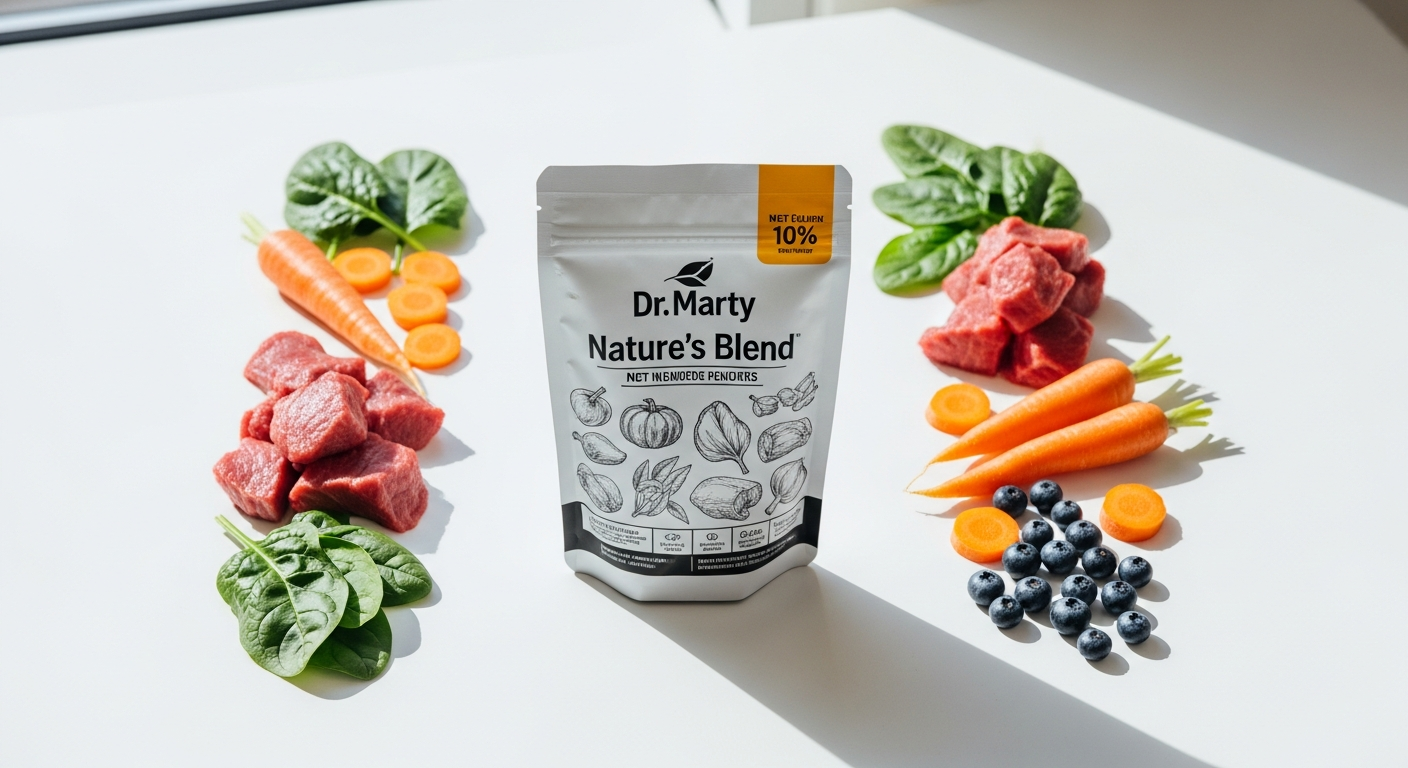
Dr. Marty Nature's Blend has become the go-to choice for pet owners seeking an alternative to conventional kibble, thanks to its freeze-dried raw formula and high meat content. Created by veterinarian Dr. Martin Goldstein, this product positions itself as a bridge between whole-food nutrition and convenient feeding. The brand has cultivated a significant following, but popularity doesn't automatically translate to value.
Understanding what you're actually paying for—and what you're getting—matters when premium dog foods can cost triple the price of standard options. This article walks through the real cost-benefit analysis of Dr. Marty Nature's Blend, from ingredient transparency and nutritional specifications to honest pricing comparisons and owner feedback.
The Real Cost of Premium Freeze-Dried Raw: What You're Paying For
Baseline pricing and how it stacks up against alternatives
Dr. Marty Nature's Blend retails for approximately $59.95 per bag. To understand whether this represents genuine value, the comparison needs to extend beyond the sticker price. A premium freeze-dried formula costs substantially more than standard kibble—often two to three times as much per pound. Standard kibble typically runs $1-2 per pound, while freeze-dried raw products generally fall in the $5-8 per pound range.
Fresh-cooked dog food services occupy a middle ground, usually priced between $3-5 per pound. Traditional raw diets prepared at home can be cheaper per ounce but require freezer space, careful handling, and nutritional planning. The positioning of Dr. Marty Nature's Blend reflects its convenience advantage over DIY raw diets while charging premium prices for that convenience.
Cost-per-serving breakdown and monthly expenses
A single bag of Dr. Marty Nature's Blend contains multiple servings, with the calorie content listed at 256 kcal per cup. For a 50-pound dog requiring approximately 1,300 calories daily, one bag provides roughly five days of complete feeding. This translates to approximately $12 per day or $360 monthly for a medium-sized dog.
For larger breeds, the monthly investment climbs sharply. An 80-pound dog might require $500-600 monthly, while smaller dogs under 20 pounds might spend $150-200 monthly. Over twelve months, this premium format can cost $1,800-7,200 depending on dog size—substantially above the $1,500 annual average for standard kibble.
Bundle pricing and subscription discounts
Direct-to-consumer purchasing offers some flexibility. Smaller introductory sizes starting at $15.29 allow trials before committing to full-size bags. Bundle options and subscription models typically provide modest discounts, though specific percentages vary by promotion. Subscription arrangements may offer 10-20% savings compared to one-off purchases, but this commitment requires planning and reliable delivery logistics.
Purchasing directly from Dr. Marty Pets eliminates retail markup, theoretically offering better pricing than third-party retailers. However, this single-source availability limits shopping flexibility and comparison options that exist for conventional dog food brands.
Ingredient Transparency vs. Marketing Claims—What Holds Up
The 81% meat content breakdown
Dr. Marty Nature's Blend claims 81% real premium meat content across turkey, beef, salmon, and duck. Understanding what constitutes this percentage matters. Raw meat contains significant water weight; freeze-drying removes this moisture, concentrating nutrients but reducing the actual volume. The 81% figure applies to the finished freeze-dried product, not the original raw ingredients before processing.
Named animal proteins—turkey, beef, salmon, and duck—appear consistently in ingredient lists, a genuine strength compared to generic "meat meal" or "by-product" formulations. The specificity matters for dogs with particular protein sensitivities or allergies, though some dogs tolerate conventional protein sources without issue.
Organ meat inclusion and nutrient availability
Organ meats and muscle meats deliver different nutritional profiles. Organs contain higher concentrations of vitamins, minerals, and amino acids compared to muscle tissue alone. A formula including both muscle and organ meats offers broader micronutrient diversity. Dr. Marty Nature's Blend includes organ meats alongside muscle proteins, which increases nutritional density compared to muscle-only formulations.
However, the actual percentages of organ versus muscle meat aren't always clearly delineated. The bioavailability advantage of raw ingredients versus cooked kibble exists, though the practical difference in outcomes between premium freeze-dried and high-quality conventional kibble varies significantly by individual dog.
Grain-free formulation benefits and breed considerations
The grain-free claim appeals to owners concerned about grains or seeking ancestral diet principles. Grains themselves don't cause problems for most dogs; grain sensitivity remains relatively rare. Some research has linked grain-free diets high in legumes to potential heart health concerns in certain predisposed breeds, though causation remains debated within veterinary nutrition circles.
For dogs with diagnosed grain sensitivities or allergies, grain-free formulations provide genuine value. For the broader dog population, the grain-free status functions more as a marketing differentiator than a nutritional necessity.
Nutritional Profile for Different Life Stages and Health Goals
Protein content and suitability across dog life stages
The minimum 40% crude protein specification positions this formula at the higher end of the nutritional spectrum. Senior dogs, particularly those with kidney disease, sometimes benefit from moderate protein levels, though healthy seniors typically tolerate higher protein without issue. Active and working breeds thrive on protein-rich formulas like this one.
For puppies, the recommendation to consult a veterinarian before using as the sole diet reflects legitimate concerns about calcium-to-phosphorus ratios and specific developmental needs. Growing dogs require carefully balanced micronutrient ratios that may differ from adult formulations.
Fat content and implications for specific health conditions
The maximum 33% crude fat specification suits most healthy dogs, though dogs prone to pancreatitis or obesity may struggle with this fat level. Some pancreatitis-prone breeds benefit from lower-fat diets, typically under 15% fat content. Dogs with obesity concerns also perform better on moderate-fat formulations combined with appropriate portion control.
The caloric density—256 kcal per cup—demands precise portion control. Overfeeding high-calorie formats contributes to weight gain, particularly in less active dogs.
Nutrient preservation through freeze-drying
The freeze-drying process removes water without applying high heat, theoretically preserving heat-sensitive vitamins and enzymatic activity. Conventional kibble undergoes high-temperature extrusion, destroying some micronutrients. This preservation advantage represents genuine differentiation.
However, freeze-dried products stored long-term may experience some nutrient degradation, particularly with inconsistent storage conditions. The actual nutrient retention compared to fresh food is substantial, though precisely quantifying this advantage requires lab testing that Dr. Marty Pets conducts but hasn't made fully transparent.
Owner Experiences: The Good, the Digestive Transitions, and the Concerns
Reported improvements in coat, energy, and digestion
Verified purchasers consistently report improvements in coat shine, increased energy levels, and firmer stools. These observable outcomes stem partially from the nutrient density of the formula and partially from the psychological effect of premium pricing and expectations. Dogs switching from low-quality kibble to premium formulas often show dramatic improvements regardless of the specific formula.
These improvements appear genuinely reported rather than fabricated, though individual dog responses vary considerably. Some dogs show dramatic transformation; others display minimal change.
Transition challenges and digestive upset
Switching abruptly from conventional kibble to raw-based formulas frequently causes digestive disruption. The digestive system requires gradual adjustment to different protein sources, fat levels, and fiber profiles. A transition period of 7-14 days—gradually mixing new food with old food—minimizes upset. Some owners weren't informed about this requirement, leading to disappointed expectations.
For dogs with genuinely sensitive digestion, the adjustment period may extend beyond two weeks, testing patience and the owner's commitment to the premium price point.
The 90-day guarantee and return logistics
The 90-day money-back guarantee provides legitimate risk reduction for trial purchases. However, fine print matters. Some exclusions apply to refund eligibility, particularly around return shipping costs and restocking fees. The guarantee works better in theory than in practice for some customers, though others report straightforward refund experiences.
Understanding the specific refund terms before purchase prevents disappointment. Not all marketing promises extend equally to all customers.
Is the Freeze-Dried Raw Format Right for Your Dog's Needs?
Freeze-drying technology and preservation advantages
Freeze-drying removes 98% of moisture while preserving nutrient structure, creating shelf-stable raw nutrition. This technology achieves something traditional raw diets cannot: extended shelf life without refrigeration. The shelf stability advantage particularly benefits pet parents unable to manage freezer space for raw diets or those requiring portability.
Compared to kibble, freeze-dried formats maintain nutrient integrity that high-temperature processing eliminates. The practical advantage depends on whether your dog actually benefits from these preserved nutrients or simply requires adequate nutrition at a reasonable price.
Storage convenience and shelf stability
A single unopened bag stores indefinitely in a cool, dry location without refrigeration—a genuine convenience advantage over fresh or raw diets. Opened bags remain shelf-stable for extended periods, though once rehydrated, the food behaves like fresh food and requires refrigeration.
For apartment dwellers without freezer space or those traveling with dogs, this convenience matters substantially. For owners with appropriate storage, the advantage diminishes.
Rehydration requirements and preparation time
Unlike grab-and-go kibble, Dr. Marty Nature's Blend requires rehydration with water or broth before serving. The rehydration process takes 3-5 minutes, adding a small preparation step to daily feeding. Some owners appreciate this ritual and the aromatic appeal; others find it inconvenient.
The texture after rehydration resembles fresh food more than kibble, which appeals to some dogs while others remain indifferent. Preparation time represents a tradeoff for nutrient preservation.
Making the Decision: Premium Quality or Premium Price Tag?
Checklist for determining alignment with your dog's needs
Dr. Marty Nature's Blend justifies its premium pricing for specific scenarios: dogs with documented digestive sensitivities, dull coats unresponsive to standard kibble, chronically low energy levels, or owners with genuine financial flexibility. If your dog thrives on conventional kibble with no health concerns, the premium investment lacks compelling justification.
Consider your dog's actual health status rather than theoretical benefits. Does your dog demonstrate specific conditions that higher-quality nutrition might address? Is your dog currently showing signs of nutritional deficiency or digestive distress? Does your financial situation comfortably accommodate $300-600 monthly for dog food? Answering these questions honestly shapes the decision.
Budget alternatives with comparable nutritional profiles
Several mid-range dog foods offer 35-40% protein and grain-free formulations at substantially lower prices. Brands like Orijen, Acana, and Primal offer high-quality ingredients and comparable nutritional specs at $2-4 per pound versus the $5-8 price point of freeze-dried options. Fresh-cooked services occupy the middle ground with balanced nutrition and moderate pricing.
The highest-quality kibble doesn't match the nutrient density of raw or freeze-dried formats, but the practical difference in dog health outcomes between premium kibble and ultra-premium freeze-dried remains modest for most dogs.
Trial strategies using the guarantee without financial risk
The 90-day money-back guarantee allows genuine risk-free trials. Purchase a single bag at the introductory price point ($15.29) to assess your dog's response before committing to larger quantities. Monitor digestion, coat quality, and energy levels during the transition period. If meaningful improvements emerge, the investment becomes more justifiable.
If minimal changes occur after the transition period, return the remaining product within 90 days. Document your experience carefully and understand the specific return process for your purchase before committing funds.
The Bottom Line: Weighing Premium Nutrition Against Real-World Costs
Dr. Marty Nature's Blend delivers on ingredient quality and nutrient density—that's undeniable. The freeze-dried raw formula, high meat content, and absence of artificial additives genuinely set it apart from budget kibble. But premium quality comes with a premium price, and whether that investment makes sense depends entirely on your dog's health status, your budget flexibility, and your tolerance for direct-to-consumer purchasing limitations.
The honest truth is this formula shines for dogs with sensitive digestion, dull coats, or low energy that hasn't improved with conventional diets. The 90-day money-back guarantee gives a legitimate risk-free trial window. However, if your dog thrives on standard kibble, or if budget constraints are tight, comparable nutritional profiles exist at lower price points.
Don't let marketing momentum drive your decision—let your dog's actual health outcomes and your financial reality guide you. Premium nutrition matters, but only when your dog demonstrably benefits from it and when your household budget accommodates the expense without strain.
Leave a Reply