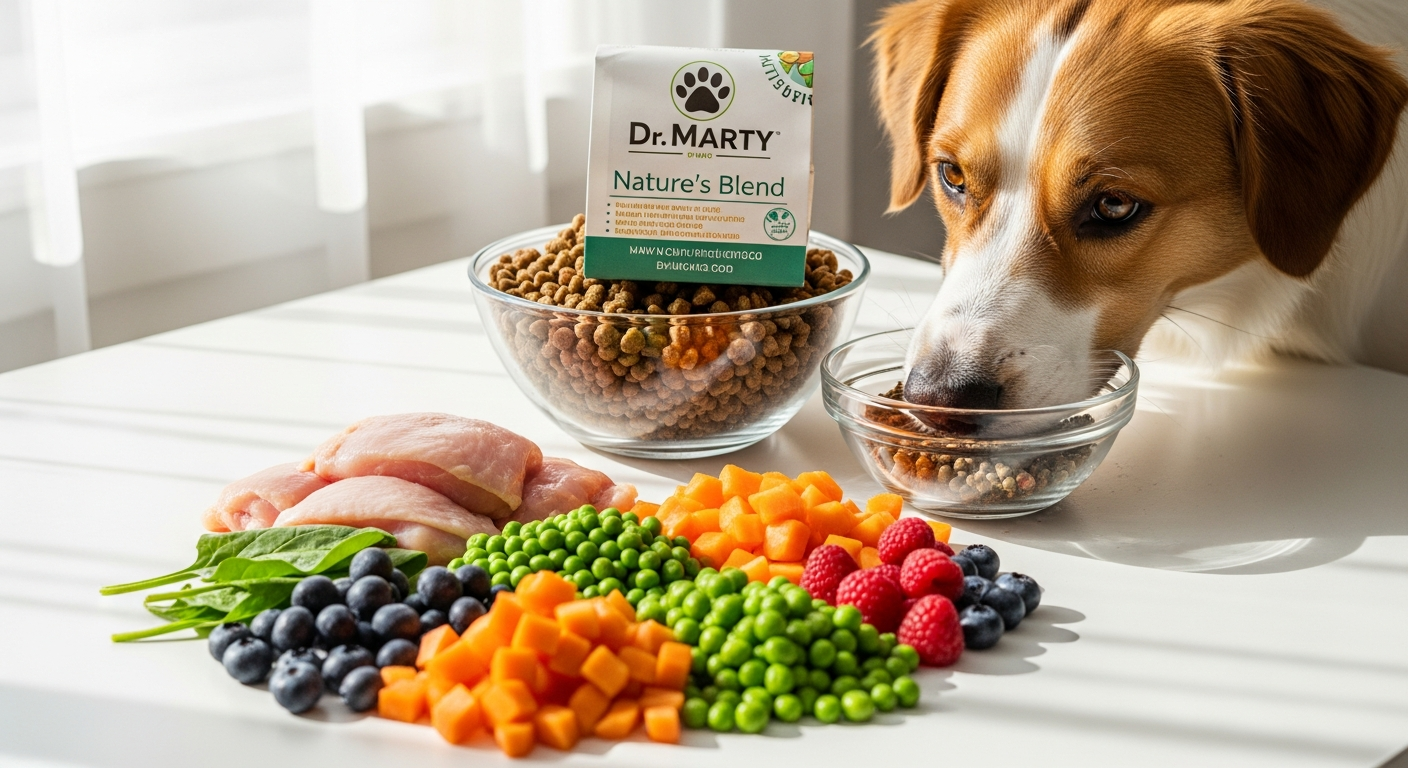
Your dog turns their nose up at meal after meal, and mealtimes have become a source of stress rather than joy. The frustration builds as you watch bowl after bowl go untouched, wondering what's going wrong. Nearly 35% of dog owners report dealing with selective eaters, and picky eating extends far beyond a simple preference—it can signal underlying digestive issues or nutritional gaps that compromise your dog's long-term health and vitality.
Dr. Martin Goldstein, an integrative veterinarian, founded Dr. Marty Pets on a straightforward philosophy: dogs thrive on whole foods, not synthetic substitutes. His flagship product, Dr. Marty Nature's Blend Freeze-Dried Raw Dog Food, has become a best-selling solution for owners seeking an alternative to traditional kibble. The formula combines 81% real meat, organ meats, and fish with nutrient-dense fruits and vegetables, addressing nutritional gaps that conventional diets often miss. The freeze-drying process locks in nutritional integrity while creating a palatable product that appeals even to the most discerning canine palates.
This guide examines whether Dr. Marty Nature's Blend truly solves picky eating challenges, breaks down its ingredient quality and nutritional profile, explores practical feeding methods, and helps you determine if the premium price tag aligns with your dog's specific needs and your budget.
Discover if Dr. Marty Nature's Blend is the solution your picky eater needs.
Why Picky Eaters Respond to Raw-Inspired Nutrition
How freeze-dried raw food differs from traditional kibble in taste, texture, and digestibility
Freeze-dried raw food operates on entirely different principles than conventional kibble. Traditional kibble undergoes high-heat processing that breaks down delicate nutrients, destroys natural enzymes, and dulls the authentic flavors of meat and organs. Freeze-drying, by contrast, removes moisture through sublimation—transitioning frozen water directly into vapor—while preserving the nutritional architecture and sensory appeal dogs crave. The result is a texture that mimics raw food without requiring refrigeration or handling the safety concerns associated with fresh raw diets.
The taste and aroma profiles differ dramatically. Kibble relies on synthetic flavor enhancers and palatability coatings to achieve any appeal. Freeze-dried raw products maintain the genuine flavors of meat, organs, and whole-food ingredients, creating a sensory experience that engages dogs at a deeper level.
The role of whole-food ingredients in triggering natural appetite responses in selective dogs
Picky eaters often reject food because something feels nutritionally incomplete or sensorily unappealing. Whole-food ingredients trigger ancestral eating patterns—the smells, textures, and flavors dogs have been wired to recognize and desire. When a dog encounters real turkey, beef liver, salmon, and blueberries rather than poultry by-product meal and synthetic B vitamins, their natural appetite mechanisms activate differently.
Dogs with selective eating patterns frequently respond to ingredient authenticity. The recognizable components signal nutritional value on an instinctive level, transforming mealtime from an obligation into something genuinely appetizing.
Why dogs lose interest in conventional diets but remain engaged with nutrient-dense formulas
Novelty fatigue affects many dogs on traditional kibble. After weeks or months, the same uniform pellets become monotonous. More importantly, dogs instinctively seek nutritional diversity. Conventional kibble offers limited ingredient variety and relies on repetitive flavor profiles. Freeze-dried raw formulas, particularly those featuring multiple protein sources and varied vegetables, provide the complexity dogs naturally pursue.
This phenomenon explains why a dog might initially eat kibble enthusiastically but gradually lose interest. The body recognizes nutritional limitations, and selective eaters respond by becoming pickier. Premium whole-food formulas maintain engagement because they deliver sustained nutritional satisfaction.
The sensory appeal of meat-forward, organ-rich foods for finicky eaters
Organ meats—beef liver, turkey liver, turkey heart—carry intense, concentrated flavors that excite dogs' olfactory systems far more powerfully than muscle meat alone. These ingredients weren't secondary components in ancestral canine diets; they were prized for their nutrient density and flavor intensity. Finicky eaters respond to this concentrated appeal. An 81% meat, organ, and fish composition creates an unmistakably rich, savory profile that conventional kibble simply cannot replicate.
How freeze-drying preserves natural flavors that appeal to dogs with sensitive palates
The freeze-drying process maintains volatile flavor compounds that cooking destroys. The delicate aromatics in fresh salmon, the complexity of organ meats, the subtle sweetness of blueberries—all remain intact through sublimation. Dogs with sensitive palates often reject foods because heat-processing has created harsh, bitter, or otherwise unpalatable compounds. Freeze-dried formulas preserve the clean, authentic flavors these dogs actually prefer.
Connection between food quality and willingness to eat consistently
There's a direct correlation between ingredient quality and consistent eating behavior. When dogs receive genuinely nourishing food, their bodies recognize it, and they eat with sustained enthusiasm. Premium whole-food formulas create positive feedback loops: better nutrition supports digestion, energy, and overall wellness, which reinforces the dog's willingness to eat. Picky eaters often become less selective once they're on diets that truly satisfy their nutritional needs.
Ingredient Breakdown: What Makes Nature's Blend Stand Out
Detailed analysis of the 81% meat, organ, and fish composition
The 81% meat, organ, and fish content represents a dramatically different approach than conventional kibble, which typically contains 20-30% meat. This ratio creates a formula that's genuinely meat-forward, with organ meats and fish providing concentrated nutrition rather than serving as minor components. The remaining 19% consists of vegetables, fruits, seeds, and binding ingredients—all whole foods without synthetic fillers.
Primary protein sources: turkey, beef, salmon, duck, and their nutritional benefits
Turkey provides lean protein and B vitamins, supporting energy and cognitive function. Beef delivers iron, zinc, and creatine for muscle development and sustained strength. Salmon contributes omega-3 fatty acids essential for cognitive health, joint support, and coat quality. Duck offers a different amino acid profile and works well for dogs with poultry sensitivities to chicken. This diversity ensures comprehensive amino acid coverage and prevents the nutritional monotony of single-protein kibbles.
Organ meats (beef liver, turkey liver, turkey heart) and their role in bioavailable nutrition
Organ meats are nutritional powerhouses. Liver contains vitamin A, B vitamins, iron, and copper in forms your dog's body readily absorbs. Hearts provide taurine, essential for cardiac health, alongside highly bioavailable protein. These ingredients aren't budget fillers—they're nutritional anchors that deliver concentrated micronutrients in their most absorbable forms. For picky eaters, organs also create the intense flavor profiles that trigger appetite.
Antioxidant-rich additions: blueberries, cranberries, kale, and spinach
Blueberries and cranberries contain anthocyanins and other polyphenols that protect cells from oxidative stress. Kale and spinach provide lutein, supporting eye health and cognitive function, alongside minerals like magnesium and manganese. These ingredients aren't marketing fluff—they're targeted nutrition supporting aging dogs, dogs with inflammatory conditions, and those requiring cognitive support.
Supporting ingredients: sweet potato, flaxseed, pumpkin seed, and egg
Sweet potato offers complex carbohydrates, fiber, and beta-carotene without spiking blood sugar. Flaxseed provides additional omega-3 support and soluble fiber for digestive health. Pumpkin seed contributes magnesium and zinc, supporting immunity and urinary health. Egg delivers choline for cognitive development and lutein for eye support. Each supporting ingredient serves a specific nutritional function rather than simply filling space in the formula.
Zero artificial preservatives, additives, fillers, or synthetic ingredients commitment
The absence of artificial preservatives, BHA, BHT, ethoxyquin, and synthetic colors distinguishes this formula from mainstream kibble. No corn, wheat, soy, or by-products. No poultry meal or "meat by-products." Every ingredient serves nutritional purpose. For picky eaters with sensitivities, this clean formulation often eliminates the triggers causing selective eating in the first place.
Comparison of ingredient transparency versus conventional dog food brands
When you read a Dr. Marty Nature's Blend label, you see specific ingredients: turkey, beef, salmon, beef liver. Conventional kibble labels often list vague terms like "poultry meal," "meat by-products," or "animal fat"—obscuring what actually enters your dog's bowl. This transparency reflects a commitment to quality that extends beyond marketing. You know exactly what your dog is eating, and more importantly, what they're not eating.
Nutritional Profile & Performance Metrics
Crude protein content (37-38% minimum) and implications for active, picky eaters
The 37-38% minimum crude protein is substantially higher than most kibble, which ranges from 18-25%. This elevated protein content supports muscle maintenance, particularly important for aging dogs or those experiencing muscle loss from picky eating patterns. Higher protein also supports satiety—dogs feel fuller longer and experience more stable energy. For selective eaters, this means fewer hunger-driven behavior issues and more consistent mealtime interest.
Crude fat levels (27% minimum) and energy density for sustained engagement
The 27% minimum fat content reflects the energy density of whole-food meat and organs. This isn't excessive; it's appropriate for a meat-forward formula. The fat carries fat-soluble vitamins and provides concentrated calories—approximately 256 kcal per cup. For active dogs or those requiring additional energy, this density supports performance. For sedentary or weight-conscious dogs, portion control becomes important, but the rich energy content means smaller portions deliver substantial nutrition.
Omega-3 fatty acids (2.5% minimum) and their impact on coat health and cognitive function
The 2.5% omega-3 content, driven by salmon and flaxseed, supports multiple systems. Coat quality visibly improves within 4-6 weeks for many dogs—shinier, less shedding, improved skin health. Cognitively, omega-3s support neural function and may benefit aging dogs experiencing cognitive decline. Behaviorally, some owners report reduced anxiety and improved focus in picky eaters receiving adequate omega-3 nutrition.
Calorie density (256 kcal/cup) and portion sizing for different dog weights
At 256 kcal per cup, portion calculations differ significantly from kibble. A small dog (10-15 lbs) typically requires 1/2 to 3/4 cup daily. Medium dogs (25-50 lbs) need 1 to 1.5 cups. Large dogs (60-100+ lbs) require 1.5 to 2+ cups depending on activity level. Because freeze-dried raw is concentrated nutrition, portions are smaller than kibble—a factor that makes the premium price more palatable when you realize a little goes a long way.
Calcium content (0.5% minimum) for skeletal support
The 0.5% minimum calcium, primarily from whole-food sources rather than synthetic supplements, supports bone density and skeletal integrity. For growing puppies and aging dogs, adequate calcium prevents developmental issues and age-related bone loss. This level aligns with AAFCO standards while sourcing minerals from recognizable ingredients rather than isolated mineral compounds.
Crude fiber (4% maximum) and digestive efficiency
The 4% maximum crude fiber is relatively low—intentionally so. Raw-inspired diets aim for high digestibility, meaning more of what your dog eats becomes usable nutrition rather than waste. This low-fiber approach suits dogs with digestive sensitivities and picky eaters often struggling with gut health. However, dogs requiring additional fiber for weight management or specific health conditions may need supplementation.
Moisture content (6% maximum) and shelf stability
At 6% maximum moisture, the product remains shelf-stable without refrigeration—a significant convenience factor compared to fresh raw. This low moisture content is achieved through freeze-drying and allows the product to maintain nutritional integrity for extended periods. Storage is straightforward: cool, dry location in sealed containers. No freezer space required, making this more practical than fresh raw diets for many households.
How these metrics compare to AAFCO standards and premium competitor formulas
Dr. Marty Nature's Blend exceeds AAFCO minimums in most categories. The protein content surpasses typical requirements, the fat level is appropriate for meat-forward formulas, and the micronutrient profile is comprehensive. Compared to other premium freeze-dried brands, Nature's Blend maintains competitive specifications with notably higher organ meat content and ingredient transparency that many competitors don't match.
Explore the complete nutritional profile and start your picky eater on a premium formula today.
Freeze-Drying Technology & Nutrient Preservation
How freeze-drying maintains nutritional integrity compared to traditional cooking methods
Conventional kibble production involves cooking at 300+ degrees Fahrenheit, destroying heat-sensitive vitamins like B vitamins and vitamin C, damaging amino acids, and degrading enzymes. Freeze-drying operates at subzero temperatures, removing water without applying destructive heat. The result: nutritional compounds remain largely intact. Studies comparing freeze-dried raw to cooked kibble show significantly higher bioavailable nutrient levels in freeze-dried products.
Temperature and pressure control during the freeze-drying process
The freeze-drying process begins with freezing ingredients to -40°F or lower. Pressure is then reduced, allowing frozen water to sublimate directly into vapor without passing through the liquid phase. This controlled environment prevents nutrient degradation and maintains ingredient structure. The process takes longer and costs more than conventional cooking, but it's this precision that differentiates freeze-dried raw from budget alternatives.
Bioavailability of nutrients in raw-inspired versus cooked formulas
Bioavailability measures how much of a nutrient your dog's body actually absorbs and utilizes. Raw-inspired freeze-dried food demonstrates significantly higher bioavailability across most nutrients. A dog eating freeze-dried raw extracts more actual nutrition from smaller portions than from larger portions of heat-processed kibble. This efficiency translates to better coat quality, energy levels, and digestive function—benefits picky eaters often display within weeks of transitioning to this formula.
Preservation of enzymes and probiotics that support digestive health
Heat destroys the enzymes naturally present in raw meat and vegetables. These enzymes support digestive efficiency and nutrient extraction. Freeze-drying preserves these compounds, creating a formula that actively supports digestive function rather than requiring the dog's system to generate all digestive enzymes independently. For picky eaters with compromised digestion, this enzyme preservation can represent a meaningful improvement in how well they tolerate and benefit from their food.
Shelf stability and storage requirements for freeze-dried products
Unlike fresh raw diets requiring freezer space and careful handling, freeze-dried products remain shelf-stable for extended periods in cool, dry conditions. Opened bags should be stored in airtight containers, but the low moisture content prevents spoilage. This stability makes freeze-dried raw practical for busy households, remote locations, or anyone managing multiple dogs. No thawing delays before feeding, no bacterial contamination risks from improper storage.
High-pressure processing (HPP) for food safety without heat damage
Dr. Marty Pets employs high-pressure processing alongside freeze-drying for food safety. HPP uses extreme pressure (87,000 psi) to eliminate pathogens without heat application. This dual approach achieves safety standards without the nutritional damage of cooking. The process adds cost but provides the safety assurance consumers expect from premium pet food.
Third-party testing protocols and quality assurance measures
The brand states that batches undergo HPP and third-party testing. This independent verification is crucial for premium pet food, though specifics regarding testing protocols aren't always publicly detailed. Consumers can request testing documentation and batch information directly from Dr. Marty Pets. The company's recognition as Dog Food Company of the Year in 2025 reflects industry acknowledgment of their quality standards, though this doesn't eliminate the value of requesting specific testing details for peace of mind.
Feeding Strategies for Maximum Palatability
Dry feeding versus rehydration methods and which works best for picky eaters
Freeze-dried raw can be fed dry or rehydrated. Dry feeding is convenient—simply measure and serve—and works well for dogs who accept the texture. However, picky eaters often respond better to rehydration. The process releases aromatic compounds, warming the food, and creates a more familiar texture closer to fresh raw. Rehydration also helps with portion control for dogs prone to overeating.
Step-by-step rehydration process with warm water to enhance aroma and appeal
Pour the desired portion into a bowl. Add warm (not boiling) water—approximately equal volume to the freeze-dried pieces initially, adjusting based on preferred consistency. Allow 5-10 minutes for rehydration. The food absorbs water, expands, and releases aroma. Mix gently to ensure even hydration. The resulting mixture resembles ground raw meat in appearance and smell. For selective eaters, this aromatic appeal often triggers appetite where dry kibble wouldn't.
Transition protocols when switching from kibble to freeze-dried raw food
Abrupt switches can upset sensitive digestion. Begin by mixing 25% Nature's Blend with 75% current food for 3-5 days. Progress to 50/50 for 3-5 days, then 75/25, finally reaching 100% Nature's Blend over 10-14 days. For dogs with particularly sensitive systems or picky eaters resistant to change, extend the transition to 3-4 weeks. Monitor stool quality and energy levels throughout. This gradual approach allows the digestive system to adapt and helps picky eaters accept the new food psychologically.
Portion control guidelines based on dog size, age, and activity level
Small dogs (under 25 lbs): 1/2 to 3/4 cup daily. Medium dogs (25-50 lbs): 1 to 1.5 cups daily. Large dogs (50-100 lbs): 1.5 to 2 cups daily. Very large dogs (100+ lbs): 2+ cups daily. These are starting points; individual metabolism varies. Active dogs require more; sedentary or weight-conscious dogs require less. Monitor body condition and adjust portions accordingly. The concentrated nature of freeze-dried raw means portions are smaller than kibble, but nutritional delivery is greater.
Mixing strategies with other foods to ease picky eaters into the formula
For extremely selective eaters, mixing Nature's Blend with their current food (following transition protocols) maintains familiarity while introducing the new formula. Alternatively, mixing with warm broth or wet food creates additional appeal. Some owners add small amounts of plain cooked vegetables or lean meat to boost aromatic interest. The goal is making the transition feel natural rather than like forced change. Once the dog accepts the new formula, gradually reduce mixing ingredients.
Meal timing and frequency adjustments for selective dogs
Consider feeding at consistent times—dogs thrive on routine. Two meals daily for adult dogs generally works better than free-feeding for selective eaters; it creates mealtime importance and can heighten appetite. For senior dogs or those with health conditions, splitting portions into three smaller meals may improve digestion and appetite. Experiment with timing to identify your dog's peak appetite windows.
Storage tips to maintain freshness and prevent nutrient degradation
Store unopened bags in cool, dry conditions away from direct sunlight. Opened bags should be transferred to airtight containers—resealable storage containers or dedicated pet food containers work well. Maintain consistent storage temperature; extreme heat accelerates any potential nutrient loss. For bulk orders, storing portions in multiple small containers rather than one large container prevents repeated opening and air exposure. Properly stored freeze-dried raw maintains quality for months.
Sizing Options & Cost-Per-Serving Analysis
Available package sizes: 6 oz, 16 oz, and 48 oz bags
Dr. Marty Nature's Blend comes in three formats accommodating different needs. The 6 oz bag suits trial periods or small dogs. The 16 oz bag provides a month's supply for medium dogs or 2-3 weeks for larger dogs. The 48 oz bulk bag maximizes value for committed long-term feeders or multi-dog households.
Price breakdown: 6 oz ($28.50-$30), 16 oz ($36.99-$59.95), 48 oz bulk pricing
Pricing varies by retailer and promotions. A 6 oz bag typically costs $28.50-$30. A 16 oz bag ranges from $36.99 to $59.95 depending on where you purchase. Larger 48 oz bags offer better per-ounce pricing, though exact pricing requires checking current retailers. These prices reflect the premium positioning—they're notably higher than kibble but reasonable for freeze-dried raw given ingredient quality and production costs.
Cost-per-ounce calculations across different package sizes
A 6 oz bag at $30 equals $5 per ounce. A 16 oz bag at $50 equals $3.13 per ounce. A 48 oz bag at approximately $120-140 equals $2.50-2.92 per ounce. The per-ounce savings from bulk purchasing are meaningful—roughly 40-50% cheaper buying 48 oz bags versus 6 oz bags. For budget-conscious owners feeding multiple dogs or committing long-term, this bulk strategy significantly reduces per-serving costs.
Subscription or bulk purchase discounts that lower overall expenses
Some retailers offer subscription discounts—typically 10-20% off regular pricing for auto-delivery programs. This transforms $50 for a 16 oz bag into $40-45, meaningfully improving affordability. Bulk purchases of 48 oz bags already offer substantial per-ounce savings, and layering subscription discounts further reduces costs. Investigating subscription options should be a priority for owners considering this as a permanent diet rather than occasional supplement.
Comparison of Dr. Marty Nature's Blend pricing versus premium kibble alternatives
Premium kibble brands run $2-3 per pound. Dr. Marty Nature's Blend freeze-dried raw runs roughly $5-15 per pound depending on package size, translating to 2-3x higher cost than premium kibble. However, the nutritional density means smaller portions—a dog eating 1 cup of kibble daily might thrive on 3/4 cup of freeze-dried raw. When adjusted for serving size and bioavailability, the cost gap narrows. You're paying more per ounce but delivering more nutrition per serving.
Budget-friendly strategies for incorporating freeze-dried raw into your dog's diet
Consider partial feeding: mixing 50% freeze-dried raw with 50% premium kibble creates improved nutrition and palatability at roughly 1.5x kibble costs. This hybrid approach serves as a middle ground for budget-conscious owners. Alternatively, reserve Nature's Blend for primary meals and supplement with quality kibble for second meals. Trial 6 oz bags before committing to bulk purchases, allowing you to test affordability before significant investment.
ROI considerations: premium cost versus reduced vet visits and improved health outcomes
The premium price should be evaluated against potential health benefits. Dogs thriving on improved nutrition often experience fewer digestive issues, reduced allergies, and better overall health—translating to fewer vet visits and medications. A dog with chronic digestive issues costing $500+ annually in vet treatment might see dramatic improvement on premium nutrition, creating genuine ROI within 6-12 months. Additionally, improved quality of life—better energy, healthier coat, consistent eating—carries value beyond financial calculation. For picky eaters, the simple fact that your dog reliably eats well-balanced meals is itself valuable.
Real Results: Health Benefits Reported by Dog Owners
Enhanced energy levels and playful behavior in previously lethargic dogs
Owners frequently report noticeable energy improvements within 2-4 weeks of switching to Nature's Blend. Dogs show increased interest in play, more enthusiasm for walks, and generally more animated behavior. The high-quality protein and nutrient density support cellular energy production. For seniors or dogs recovering from illness, this energy boost can be transformative—reviving interest in activities they'd abandoned.
Visible improvements in coat quality, shine, and skin health
Coat improvements are among the most commonly reported benefits. Within 6-8 weeks, owners notice increased shine, reduced shedding, and improved skin texture. The omega-3 content and nutrient bioavailability directly support skin and coat health. Dogs with history of dry, dull coats or itchy skin often show remarkable improvement. Photographic documentation of before-and-after coat condition reveals dramatic differences for many dogs.
Digestive improvements: reduced bloating, better stool quality, and less gas
Picky eaters often have digestive sensitivities. The whole-food ingredients, absence of artificial additives, and enzyme preservation support digestive efficiency. Owners report smaller, firmer stools, reduced gas production, and decreased bloating—indicating improved digestive function. For dogs with chronic digestive issues, these changes represent meaningful quality-of-life improvements alongside better nutrition.
Increased appetite and enthusiasm at mealtime for picky eaters
This is the central promise, and owners consistently report success. Dogs that previously showed disinterest in meals develop genuine enthusiasm. The sensory appeal of freeze-dried raw, combined with nutritional adequacy, transforms mealtime. Picky eaters become reliable eaters. This behavioral shift extends beyond nutrition—it reduces owner stress and concerns about whether their dog is receiving adequate nutrition.
Improved mobility and joint support in aging dogs
Senior dogs show noticeable mobility improvements within 4-8 weeks. The protein supports muscle maintenance, preventing the muscle loss that compounds age-related mobility decline. The omega-3 content and micronutrient profile support joint health. Owners report dogs showing renewed interest in stairs, jumping, or extended walks—activities they'd largely abandoned. While Nature's Blend isn't a medication, the nutritional support creates conditions for improved movement and comfort.
Reduced itching and allergy-related symptoms
Dogs with allergies or sensitive skin often respond dramatically to Nature's Blend. The absence of common allergens (corn, wheat, soy), combined with the nutrient density supporting immune function, reduces inflammatory responses. Itching decreases, skin conditions improve, and overall immune stability increases. For dogs with history of allergies, this represents potential elimination of pharmaceutical interventions and associated costs.
Long-term wellness benefits reported across multiple dog breeds and ages
The benefits aren't breed-specific or age-limited. Puppies show accelerated development and improved learning. Adult dogs show sustained energy and health. Senior dogs show improved quality of life. The consistency across different dog populations reflects the fundamental nutritional superiority of whole-food freeze-dried raw compared to kibble. Long-term feeders report sustained benefits—no novelty fade for dogs receiving genuine nutritional adequacy.
Potential Drawbacks & Realistic Expectations
High cost barrier compared to standard kibble options
The primary limitation is price. This is premium pet food, and the cost reflects that. For price-conscious owners or multi-dog households on tight budgets, the expense may be prohibitive. A large dog on Nature's Blend might require $100-150 monthly investment, compared to $30-50 for quality kibble. This reality means Nature's Blend suits committed owners prioritizing nutrition over cost or those managing specific health conditions warranting premium investment.
Risk of novelty wearing off after initial enthusiasm in some dogs
While less common than with kibble, some dogs eventually lose enthusiasm for freeze-dried raw after initial excitement. This typically reflects inadequate rotation or individual taste preferences rather than nutritional failure. Introducing occasional variety—different protein rotations if available, or mixing with other approved foods—can maintain engagement. Understanding that your specific dog might not sustain indefinite enthusiasm prevents disappointment.
Fat-to-protein ratio considerations for certain health conditions
The 27% fat content, while appropriate for healthy dogs, may require adjustment for dogs with pancreatitis, certain liver conditions, or weight management challenges. Consult your veterinarian before switching to Nature's Blend if your dog has these conditions. The brand's single-formula approach, while simplifying choice, means dogs with specific health requirements might need different products or mixed feeding strategies.
Limited independent auditing of HPP and third-party testing claims
While the brand states third-party testing and HPP protocols, publicly available documentation is limited. Consumers don't typically see detailed testing reports or independent verification—they're relying on the company's stated practices. Requesting specific testing documentation directly from Dr. Marty Pets provides additional peace of mind, though lack of public documentation doesn't necessarily indicate inadequate practices.
Availability constraints and shipping costs for remote locations
Availability varies by region and retailer. Remote locations may have limited options, requiring shipping. Shipping costs for freeze-dried raw add to the total expense, potentially making it impractical for some owners. Investigating local availability before committing prevents disappointment or unexpected additional costs.
Storage space requirements for bulk purchases
Buying 48 oz bags creates bulk storage requirements. Freezer space isn't needed, but cabinet or pantry space must accommodate larger packages. Multi-dog households stocking multiple bulk bags need meaningful storage capacity. For apartment dwellers or those with limited storage, smaller, more frequent purchases might be necessary, sacrificing bulk-purchase savings.
Transition challenges for dogs with sensitive digestive systems
While freeze-dried raw generally supports digestion, the transition itself can challenge sensitive systems. A dog with significant digestive compromise might need an extended 3-4 week transition rather than the standard 10-14 days. Veterinary guidance during transition is valuable for dogs with existing digestive conditions.
Palatability plateaus: strategies to maintain interest over time
Some dogs eventually lose novelty interest even with premium nutrition. Strategies to maintain engagement include rotating between different protein options if available, occasional mixing with broth or other approved foods, or strategic feeding breaks. Understanding that some dogs eventually plateau prevents the assumption that Nature's Blend has "stopped working" when reality is simply that the novelty factor has faded.
Is Dr. Marty Nature's Blend Right for Your Picky Eater?
Assessment questions to determine if premium raw-inspired food fits your dog's needs
Ask yourself: Has my dog struggled with multiple food brands? Does my dog show digestive sensitivities? Is my dog aging and requiring nutritional optimization? Does my budget accommodate premium pricing? Can I commit to this formula long-term, or am I looking for temporary intervention? Is my dog generally healthy, or managing specific conditions? These questions guide whether Nature's Blend represents smart investment or unnecessary expense for your specific situation.
Ideal candidates: picky eaters, dogs with digestive sensitivities, aging dogs
Nature's Blend serves these populations particularly well. Picky eaters consistently show improved eating behavior. Dogs with digestive sensitivities benefit from whole-food ingredients and enzyme preservation. Aging dogs receive targeted nutrition supporting mobility, cognition, and sustained wellness. Senior dogs especially show compelling ROI—the improved quality of life in final years justifies the premium investment.
Dogs that may not benefit as much from premium pricing
Dogs thriving on standard kibble, showing excellent health, consistent appetite, and no digestive issues may not justify the upgrade cost. Some dogs simply don't discriminate between quality tiers; if your dog happily eats basic kibble and shows no health concerns, Nature's Blend represents unnecessary expense. Breed-specific considerations apply—some dogs metabolically handle premium nutrition differently than others.
Breed-specific considerations and individual metabolism factors
Small breeds sometimes struggle with kibble due to jaw size and prefer freeze-dried raw's varied texture. Large breeds might show mobility and joint benefits more dramatically than small breeds. Sighthounds and other performance breeds benefit from the energy density. Conversely, breeds prone to obesity require careful portion control. Individual metabolism varies dramatically—some dogs thrive on Nature's Blend, others show slower response. A 4-6 week trial reveals whether your specific dog responds positively before long-term commitment.
Health conditions that align well with high-protein, whole-food nutrition
Dogs with allergies, chronic digestive issues, age-related decline, or recovery from illness benefit significantly from high-protein, whole-food nutrition. Cancer patients, dogs with pancreatitis (requiring lower fat), or those with kidney disease might require veterinary guidance before switching. The general principle—high-quality, whole-food nutrition supports health—applies across conditions, though specifics vary by individual dog.
Budget-conscious alternatives and hybrid feeding approaches
If Nature's Blend pricing feels prohibitive, consider mixing 50% freeze-dried raw with 50% premium kibble. This hybrid approach improves nutrition and palatability at roughly half the cost. Alternatively, use Nature's Blend as a supplement—mixing small amounts into regular meals rather than complete diet replacement. Another option: use Nature's Blend occasionally or for primary meals, supplementing with kibble for secondary meals. These hybrid approaches deliver many benefits at reduced cost.
Consultation recommendations with your veterinarian before switching foods
Before transitioning any dog to a new diet, discuss the change with your veterinarian. This becomes especially important if your dog has existing health conditions, is taking medications, or has history of digestive issues. Your veterinarian can assess whether Nature's Blend aligns with your dog's specific needs and provide guidance on transition protocols. This consultation provides professional perspective, identifies potential contraindications, and ensures the dietary change supports rather than complicates your dog's health management.
The Bigger Picture: Premium Pet Nutrition Trends in 2026
Growing consumer demand for human-grade, transparent pet food ingredients
The pet food industry reflects broader consumer trends toward transparency, whole foods, and human-grade ingredients. Pet owners increasingly scrutinize labels, research ingredients, and expect accountability from manufacturers. This demand drives premium brands like Dr. Marty to emphasize ingredient quality and transparency. Consumers no longer accept vague terms like "meat by-products"—they want recognizable, traceable ingredients. This consumer shift benefits dogs, driving industry-wide improvements toward more nutritious, transparent formulations.
Dr. Marty Pets' Dog Food Company of the Year 2025 recognition and industry standing
Recognition as Dog Food Company of the Year in 2025 reflects industry acknowledgment of Dr. Marty Pets' approach and quality standards. This endorsement, coming from industry peers and experts, validates the company's commitment to premium nutrition and transparency. While awards don't guarantee perfect products, they indicate sustained excellence and alignment with industry trends toward improved pet nutrition. The recognition positions Dr. Marty as an industry leader shaping future expectations.
Leave a Reply