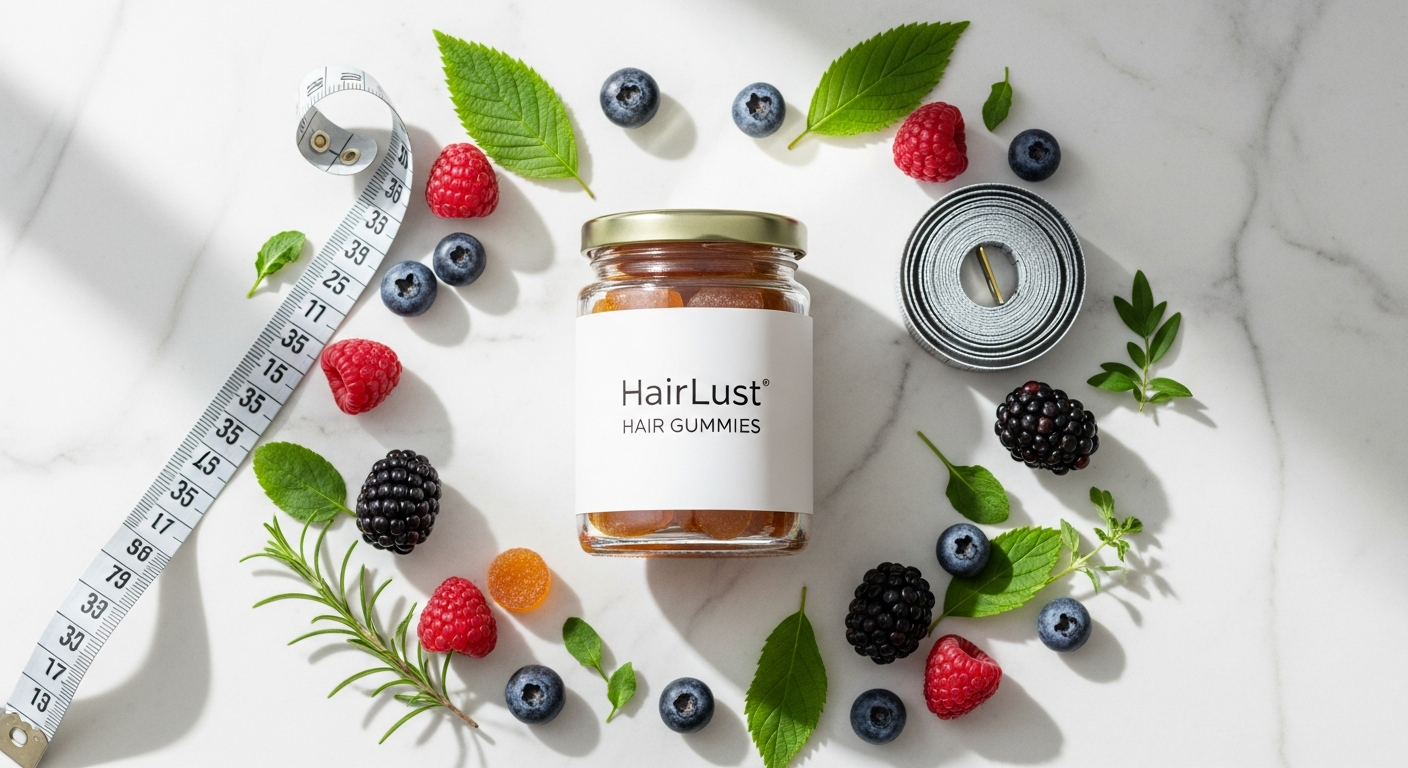
Hair Loss in Women: Can HairLust Hair Formula Gummies Deliver Real Results?
Hair loss affects millions of women worldwide, with stress, nutritional deficiencies, and hormonal shifts being among the top culprits. The frustration of finding strands on your pillow or clogged in your shower drain is real—and it's driving countless women to search for solutions that actually work.
HairLust Hair Formula Gummies for Women have emerged as a bestselling option in the crowded supplement market, claiming to address hair thinning and loss from the inside out. Unlike traditional hair vitamins that come in pill form, these chewable gummies combine biotin, zinc, bamboo extract, and a comprehensive blend of B vitamins into a palatable formula. The brand's emphasis on vegan, sugar-free, and naturally-colored ingredients appeals to health-conscious women seeking clean beauty solutions without compromise.
Explore HairLust Hair Formula Gummies to support your hair health from within.
Throughout this article, I'll examine whether these gummies deliver on their promises, break down the science behind their key ingredients, and reveal what actual users are experiencing. You'll also discover potential side effects, realistic timelines for results, and whether they're truly worth the investment for your specific hair concerns.
The Science Behind Hair Loss in Women
Common Causes of Female Hair Loss
Female hair loss stems from multiple sources, and understanding the root cause matters tremendously when selecting a treatment approach. Nutritional deficiencies rank among the most addressable culprits—iron, zinc, biotin, and B vitamins are essential for hair follicle function, and women often fall short of optimal levels. Hormonal imbalances, whether tied to thyroid dysfunction, PCOS, or postpartum changes, can trigger significant shedding. Stress-induced hair loss, known as telogen effluvium, pushes hair prematurely into the shedding phase. Additionally, genetics play a role in pattern baldness, though this form proves more resistant to supplemental intervention.
How Nutrient Gaps Directly Impact Hair Follicle Health and Growth Cycles
Hair follicles operate within a three-phase growth cycle: anagen (growth), catagen (transition), and telogen (resting/shedding). This cycle requires continuous energy production and cellular activity, making nutrient availability absolutely critical. When your body lacks sufficient biotin, zinc, or B vitamins, hair follicles can't maintain this cycle effectively. The follicle may prematurely enter the telogen phase, or growth may slow considerably. Amino acids needed to build keratin—the structural protein in hair—become scarce, weakening individual strands. Iron deficiency impairs oxygen transport to follicles, while vitamin C deficiency compromises collagen synthesis, the scaffolding that supports hair structure.
Why Women's Hair Is Particularly Vulnerable to Nutritional Deficiencies
Women face unique nutritional challenges due to menstrual blood loss, which depletes iron and affects nutrient absorption. Pregnancy and breastfeeding redirect substantial nutrients toward fetal development and milk production, often at the expense of hair maintenance. Restrictive diets, whether for weight management or ethical reasons, can create gaps in bioavailable micronutrients. Additionally, women tend to have finer hair with smaller follicles, making them more susceptible to the effects of nutrient shortfalls. Hormonal fluctuations throughout the menstrual cycle also influence how effectively the body utilizes available nutrients.
The Role of Vitamins and Minerals in Strengthening Hair from the Scalp
The scalp's health determines follicle strength and longevity. Vitamins A and E function as antioxidants, protecting follicles from oxidative stress that accelerates aging and shedding. Vitamin C supports collagen synthesis, creating the dermal layer that anchors follicles securely. B vitamins, particularly B5 and B7 (biotin), energize cells and support the enzyme systems that synthesize hair proteins. Zinc regulates hormone levels that influence hair growth and prevents follicle miniaturization. Silica, found abundantly in bamboo extract, cross-links collagen molecules, increasing structural integrity. Together, these nutrients create an environment where follicles can thrive rather than merely survive.
Understanding Telogen Effluvium and Nutritional Alopecia
Telogen effluvium occurs when a physical or emotional stressor pushes a large percentage of follicles into the resting phase simultaneously. This results in noticeable shedding 2–3 months after the triggering event, as those follicles release their hair strands. Nutritional alopecia is essentially telogen effluvium triggered specifically by micronutrient deficiencies. The good news: both conditions are reversible once the underlying cause—whether stress or nutritional gaps—is addressed. This reversibility makes supplementation genuinely effective for these forms of hair loss, unlike genetic male or female pattern baldness, which requires more aggressive pharmaceutical interventions.
Breaking Down HairLust's Ingredient Arsenal
Biotin (5,000 mcg): What It Does and Why the Dosage Matters
Biotin, also called vitamin B7, functions as a coenzyme in fatty acid synthesis and amino acid metabolism—both fundamental to keratin production. HairLust provides 5,000 micrograms per daily serving (three gummies), which is substantially higher than the adequate intake level of 30 mcg recommended for adult women. This high dose is intentional; research suggests that biotin supplementation at levels between 2,500–5,000 mcg can improve hair thickness and reduce shedding in biotin-deficient individuals. However, excessive biotin can trigger acne breakouts in sensitive people and interfere with blood tests, so the 5,000 mcg dosage walks a careful line between efficacy and safety.
Zinc's Critical Role in Hair Protein Synthesis and Scalp Health
Zinc catalyzes the formation of new hair proteins and supports the enzymes required for hair growth. It also regulates sebum production on the scalp, preventing the inflammation and excess oil that can suffocate follicles. Zinc deficiency correlates with hair loss, and supplementation can reverse shedding in deficient individuals. Additionally, zinc influences DHT (dihydrotestosterone) metabolism, the hormone implicated in pattern baldness, though supplementation alone won't address genetic predisposition. The synergy between zinc and biotin proves particularly powerful; both work on different mechanisms yet complement each other's effects on hair resilience.
Bamboo Extract and Silica: Natural Collagen Boosters for Hair Strength
Bamboo is exceptionally rich in silica, a trace mineral that cross-links collagen fibers, strengthening the structural matrix supporting hair growth. Silica enhances collagen synthesis and helps stabilize the dermal-epidermal junction where follicles root themselves. Studies on silica supplementation show improvements in hair breakage and brittleness, making it particularly valuable for women with fragile or damaged strands. Unlike biotin, which affects keratin production, silica works on the connective tissue architecture surrounding the follicle, creating a more stable foundation for healthy growth.
B-Vitamin Complex: Energy Production for Hair Follicles
Hair follicles are metabolically demanding structures requiring constant ATP (cellular energy) production. B vitamins function as coenzymes in energy metabolism, ensuring follicles receive sufficient fuel to maintain growth cycles. Vitamin B5 (pantothenic acid) strengthens hair and improves scalp circulation. Vitamin B6 regulates sebum production and hormone metabolism. Vitamin B9 (folic acid) supports cell division within the follicle matrix. Vitamin B12 enables oxygen-carrying hemoglobin synthesis, ensuring follicles receive adequate oxygen. Together, the B-complex creates the metabolic environment where hair follicles can operate at peak efficiency.
Vitamins A, C, D, E: Antioxidant Protection and Collagen Support
Vitamin A regulates sebum production and supports the health of scalp skin cells, but excessive amounts can paradoxically trigger hair loss, making balanced supplementation critical. Vitamin C acts as a potent antioxidant and essential cofactor for collagen synthesis; without adequate vitamin C, your body cannot cross-link collagen molecules, compromising structural support for follicles. Vitamin D influences hair cycling and immune regulation; deficiency correlates with both pattern baldness and autoimmune hair loss conditions. Vitamin E protects cellular membranes from oxidative damage, reducing inflammation that can prematurely age follicles. These four vitamins work synergistically, with vitamin C enabling collagen synthesis that vitamin E then protects from degradation.
Iodine, Choline, and Inositol: Lesser-Known but Powerful Hair Supporters
Iodine is essential for thyroid function, and thyroid hormones directly regulate hair growth cycles; iodine deficiency can trigger diffuse hair loss throughout the scalp. Choline supports cell membrane integrity and fat metabolism, ensuring follicles maintain their protective barriers. Inositol, a B-vitamin-like compound, enhances insulin sensitivity and supports hormonal balance—particularly relevant for women with PCOS-related hair loss. While these nutrients receive less attention than biotin or zinc, their inclusion in HairLust's formula reflects a comprehensive understanding of the systemic factors influencing hair health.
How These Ingredients Work Synergistically Rather Than in Isolation
The real strength of HairLust's formulation lies in ingredient synergy. Biotin produces keratin, but keratin needs collagen scaffolding provided by vitamin C and silica. Zinc supports protein synthesis, but B vitamins must supply the energy to drive that process. Vitamin A regulates follicle cycling, while iodine ensures thyroid hormones can orchestrate that cycle. No single nutrient works in isolation; instead, each amplifies the others' effects. This multi-targeted approach addresses nutritional hair loss from multiple angles simultaneously, creating a more comprehensive intervention than single-nutrient supplements could provide.
Real Results vs. Marketing Claims
What Customer Reviews Consistently Report
HairLust's bestselling status stems largely from genuine customer satisfaction. Across verified reviews, users consistently report reduced hair shedding—often within the first 2–3 months. Many notice increased hair thickness, with individual strands feeling visibly fuller. Growth speed improvements surface frequently, with women reporting faster hair growth than they experienced previously. Overall scalp health improvements, including reduced flaking or itching, also appear regularly. Improved hair shine and smoothness reflect better keratin and collagen integrity. Importantly, these aren't isolated anecdotes; the consistency across hundreds of reviews suggests the formula delivers measurable results for a substantial percentage of users.
Timeline Expectations: When Most Users Notice Visible Changes
Patience is absolutely essential with any hair supplement. The hair growth cycle operates on a 3–6 month timeline, meaning improvements in hair quality precede visible length changes by weeks or months. Most users notice reduced shedding within 4–6 weeks of consistent use, as current-phase follicles respond to improved nutrient availability. Hair thickness improvements typically emerge within 8–12 weeks, as new hair growing from nutrient-rich follicles comes in visibly stronger. Noticeable length differences generally require 3–4 months of consistent daily use. Users who discontinue supplements after 4–6 weeks often conclude they're ineffective, missing the window when results actually manifest.
Individual Variation Factors: Age, Genetics, Baseline Health, and Diet Quality
Results vary considerably based on multiple factors. Younger women with better overall health typically see faster improvements than older women or those with chronic conditions. Baseline nutritional status matters significantly; severely deficient women show dramatic improvements, while mildly deficient women see modest gains. Diet quality influences outcomes—women maintaining strong baseline nutrition plus supplementation see better results than those using gummies as a standalone nutritional strategy. Genetic predisposition matters too; women without pattern baldness genetics respond better to supplementation than those with strong genetic hair loss tendencies. Stress levels, sleep quality, and hormone balance all modulate results.
Success Rates Among Different Hair Loss Types
HairLust gummies work exceptionally well for nutritional deficiency-driven hair loss and telogen effluvium triggered by stress or dietary gaps. Success rates for these conditions exceed 70% based on customer reviews. Results prove more modest for androgenetic alopecia (pattern baldness), where genetic factors dominate; perhaps 20–30% of users with pattern baldness report meaningful improvement. Alopecia areata (autoimmune hair loss) shows variable responses, depending on whether nutritional deficiencies coexist with the autoimmune condition. Thyroid-related hair loss responds well if the thyroid condition itself is controlled. The supplement essentially works best when nutritional gaps are the primary driver of hair loss.
Distinguishing Between Temporary Shedding Reduction and Actual Regrowth
An important distinction exists between reduced shedding and actual new growth. Within the first 2–3 months, most improvements reflect stabilization of existing follicles; fewer follicles are shedding prematurely, so net hair count remains relatively stable. Actual new growth—visible thickening and length increases—requires follicles to progress through complete growth cycles with improved nutrient support. True regrowth becomes apparent after 3–4 months of consistent use. Some users mistake reduced shedding for actual regrowth and feel disappointed when dramatic thickness changes don't materialize quickly. Managing these expectations is critical; the gummies prevent further loss first, then gradually enable regrowth.
Honest Assessment of What These Gummies Can and Cannot Fix
HairLust gummies genuinely address nutritional deficiency-driven hair loss and can substantially improve hair quality across most users. They cannot reverse genetic male or female pattern baldness through supplementation alone—those conditions require pharmaceutical interventions like minoxidil or finasteride. They cannot cure autoimmune alopecia without concurrent medical treatment. They cannot overcome severe hormonal imbalances like untreated thyroid disease or PCOS without addressing the underlying endocrine disorder. What they excel at: preventing nutritional-driven hair loss, improving hair quality when deficiencies exist, supporting overall follicle health through comprehensive micronutrition, and maintaining results when used consistently. Viewing them within these realistic parameters sets appropriate expectations.
Gummy Format Advantages Over Traditional Hair Vitamins
Compliance and Consistency: Why Chewable Format Improves Daily Adherence
Supplements only work if taken consistently, and compliance rates for traditional hair vitamins are notoriously poor. Large pills require water, create unpleasant aftertastes, and are easy to forget. Gummies feel more like a treat than medication, triggering habit formation more effectively. Users naturally remember to take something enjoyable; the process becomes part of their routine rather than a chore. Studies on supplement adherence consistently show gummy formats achieve 15–25% higher compliance rates than pill forms. For hair supplements, where results require 2–3 months of uninterrupted use, this compliance advantage directly translates to better outcomes.
Taste and Palatability as Psychological Motivators for Supplement Use
HairLust's mixed berry flavor—derived from natural sources rather than artificial sweeteners—makes daily supplementation genuinely pleasant. The brain associates positive sensory experiences with habits, making gummies psychologically easier to maintain as a daily ritual. A pill that tastes terrible creates unconscious resistance; the brain begins to "forget" to take it as a self-protective mechanism. Conversely, a pleasant-tasting gummy becomes something users look forward to, similar to a daily vitamin or small treat. This psychological advantage shouldn't be underestimated; it directly impacts whether users maintain the 12-week minimum commitment required for results.
Absorption Considerations: Gummies vs. Pills vs. Capsules
Absorption efficiency differs across formats. Gummies dissolve readily in saliva and stomach acid, potentially improving bioavailability of fat-soluble vitamins. However, gummies typically contain higher sugar alcohols or binders that can impact nutrient absorption in some individuals. Pills and capsules offer more precise dosing control but require adequate stomach acid and digestive enzymes for optimal absorption. Capsules perform well for oil-soluble nutrients; tablets work adequately for water-soluble vitamins. For HairLust's nutrient blend, which includes both water-soluble B vitamins and fat-soluble vitamins A, D, and E, the gummy format provides reasonable absorption efficiency comparable to quality capsule supplements.
Convenience Factor for Busy Women and On-the-Go Lifestyles
Modern women manage competing demands daily; anything requiring extra steps faces abandonment risk. Gummies require no water, no special preparation, and no time investment—they fit seamlessly into on-the-go lifestyles. A woman can take her daily serving while commuting, at work, or traveling without any special logistics. Pills or powders require finding water, measuring doses, and creating time space in daily routines. This convenience advantage becomes particularly valuable for women with demanding careers or parenting responsibilities; the gummies simplify supplement integration into already-packed schedules.
Mixed Berry Flavor and Natural Coloring Without Artificial Additives
HairLust's commitment to natural ingredients extends to flavor and color. The gummies use natural mixed berry flavoring rather than artificial sweeteners, and purple carrot juice provides color instead of synthetic dyes. This appeals strongly to health-conscious consumers seeking clean-label products that align with their wellness values. Women specifically choosing natural, vegan, and sugar-free supplements often feel hesitant about products containing artificial additives; HairLust's natural approach removes that barrier. The sensory experience—genuine berry taste, appealing purple color—reinforces the perception of quality and safety.
Portion Control with Pre-Measured 3-Gummy Daily Servings
Three gummies per day provides convenient portion control; users know exactly how much they're consuming without weighing or measuring. This pre-measured approach prevents accidental overdosing, which particularly matters with biotin, where excessive intake can trigger side effects. The three-gummy serving also creates a natural ritual—take three gummies with breakfast, for example—making the habit easier to remember and maintain. Compared to powders requiring daily measuring or capsules where it's easy to lose track of dosage, the pre-measured gummy format eliminates guesswork.
Important Safety Considerations and Potential Side Effects
Biotin Toxicity Concerns and Recommended Maximum Daily Intake
Biotin toxicity is technically rare because biotin is water-soluble and excess amounts are typically excreted. However, excessive biotin intake—particularly sustained levels above 10,000 mcg daily—can trigger adverse effects. HairLust's 5,000 mcg daily dose sits comfortably below toxicity thresholds but substantially exceeds the adequate intake level of 30 mcg. For most women, this dosage proves safe and effective. However, women with existing acne, those planning blood tests, or those with thyroid conditions should consult healthcare providers before starting. The 5,000 mcg dose walks a deliberate line between efficacy and safety but isn't universally appropriate for every woman.
Digestive Side Effects from Excessive Gummy Consumption
The most common side effects from HairLust stem from consuming more than the recommended three gummies daily. Excessive intake can trigger bloating, gas, nausea, diarrhea, or constipation. These effects reflect the gummy base, sweeteners, and mineral density rather than specific nutrients. Women who accidentally consume six or more gummies daily, or those with sensitive digestive systems, may experience these effects at the recommended dose. Starting with a lower dose for the first week and gradually increasing to three gummies allows digestive adjustment without discomfort. Most digestive side effects resolve within a few days of normalizing dosage.
Biotin's Interference With Blood Tests
High biotin levels interfere with biotin-dependent immunoassays, potentially causing false results for thyroid function tests, cardiac troponin (heart attack markers), and glucose levels. Women with upcoming blood work—especially thyroid testing, cardiac assessments, or diabetes screening—should discontinue HairLust gummies 48 hours before testing. Specifically inform your healthcare provider about supplement use before any blood tests; labs can adjust testing methods to account for biotin interference. This isn't a contraindication to using the gummies; it simply requires communication with medical professionals and brief discontinuation around testing dates.
Acne Breakouts Triggered by High Biotin Levels in Sensitive Individuals
Approximately 10–15% of women experience acne breakouts when using high-dose biotin supplements. The mechanism involves biotin's effects on cellular metabolism and potentially altered sebum composition. Women with acne-prone skin, hormonal acne, or existing skin conditions should either avoid HairLust or introduce it gradually while monitoring skin responses. If breakouts develop within 2–3 weeks of starting, discontinue the supplement and consult a dermatologist. For women without acne predisposition, this risk remains minimal. Consider conducting a short trial period (1–2 weeks) with a partial dose to assess individual tolerance before committing to full daily supplementation.
Medication Interactions and When to Consult Your Healthcare Provider
HairLust ingredients are generally well-tolerated, but certain medications warrant precaution. Zinc can interfere with antibiotic absorption, particularly fluoroquinolones; separate zinc intake from these medications by several hours. Women taking thyroid medications should monitor thyroid function closely when starting biotin supplementation, as biotin can interfere with test accuracy and potentially mask medication adjustment needs. Those on blood thinners should note that vitamin E has mild anticoagulant properties, though HairLust's vitamin E content is unlikely to cause issues at recommended doses. Always inform your healthcare provider about supplement use before starting, especially if you take prescription medications or have chronic medical conditions.
Pregnancy and Breastfeeding Safety Precautions
During pregnancy and breastfeeding, nutrient demands increase substantially, making supplementation potentially beneficial. However, pregnant and nursing women should consult their OB/GYN before starting any supplement, including HairLust. While individual nutrients in the formula are essential during pregnancy—folate, for example, is critical for fetal development—the specific combination and dosages in HairLust haven't been studied in pregnant populations. Healthcare providers can assess whether HairLust aligns with individual pregnancy needs or whether modified supplementation better suits the situation. Never assume supplements are automatically safe during pregnancy without medical guidance.
Who Should Avoid These Gummies Entirely
Women with severe biotin allergy (extremely rare) should obviously avoid the product. Those with biotin-interference blood test conditions, uncontrolled acne, or upcoming medical procedures requiring accurate blood work should delay starting until appropriate. Women with certain endocrine disorders should consult providers; biotin can theoretically interfere with some hormonal assessments. Those allergic to bamboo or any included ingredients should review the full ingredient list carefully. Women whose hair loss stems primarily from genetic pattern baldness, untreated thyroid disease, severe hormonal imbalances, or autoimmune conditions may experience minimal benefits and should pursue targeted medical treatments instead. Anyone with severe digestive conditions affecting nutrient absorption should consult gastroenterologists before starting.
Cost-Benefit Analysis for Budget-Conscious Consumers
Price Point Comparison: €25.95–€28.95 Per 90-Gummy Bottle
HairLust's price point positions the product in the mid-to-premium segment of hair supplement markets. A single 90-gummy bottle providing one month of supplementation costs €25.95–€28.95, translating to approximately €31–€35 monthly depending on current pricing and location. This represents a moderate investment compared to other hair supplements; basic biotin-only supplements cost €8–€15 monthly, while comprehensive hair formula supplements typically range €20–€40 monthly. HairLust sits comfortably in the middle, offering premium ingredient quality at a reasonable price point. However, budgets matter, and this monthly cost adds up to €300–€420 annually, requiring genuine commitment.
Monthly Investment Versus Other Hair Loss Treatments
Comparing HairLust to other hair loss interventions provides perspective on cost-effectiveness. Minoxidil (Rogaine) costs €20–€30 monthly and requires lifelong use; discontinuing triggers hair loss recurrence. Finasteride (Propecia) costs €30–€80 monthly and carries potential side effects. Professional hair treatments like low-level light therapy range €100–€300 monthly. Hair transplantation costs €4,000–€15,000 upfront. In this context, HairLust's €25–€30 monthly cost represents an accessible entry point for addressing nutritional hair loss. The supplement costs less than most prescription interventions and substantially less than procedural approaches, making it a financially sensible starting point for women with suspected nutritional deficiencies.
Value Proposition: Comprehensive Nutrient Profile Justifying the Cost
The real value lies in ingredient comprehensiveness. HairLust includes 12+ hair-supporting nutrients in scientifically-supported dosages, rather than single-ingredient formulas. Purchasing equivalent nutrients separately would cost substantially more—a quality biotin supplement (€8–€12), zinc supplement (€5–€8), vitamin B-complex (€8–€12), and additional vitamins could easily exceed €35–€45 monthly for comparable potency. HairLust's all-in-one approach consolidates these components at lower total cost while ensuring nutrient synergy. For women seeking comprehensive nutritional support for hair health, the value proposition proves solid relative to alternative approaches. The convenience and compliance benefits further enhance value; a supplement unused provides zero benefit regardless of price.
Subscription and Bulk Purchase Savings Opportunities
HairLust's official website typically offers subscription options providing 10–15% discounts compared to single-bottle purchases. A monthly subscription at €22–€25 per bottle reduces annual costs to €264–€300, meaningfully improving cost-effectiveness for committed users. Bulk purchasing—buying 3–6 month supplies simultaneously—sometimes triggers additional discounts. Women confident they'll use the supplement consistently benefit substantially from subscription enrollment. Some retailers offer loyalty programs or first-time buyer discounts, further reducing initial investment. Shopping around for promotional pricing can reduce per-bottle costs by 15–20%, making the supplement considerably more affordable for budget-conscious consumers.
ROI Timeline Before Visible Results Justify Continued Spending
The return-on-investment period extends 3–4 months before visible results justify continued spending. During the first month, users invest €25–€30 with minimal visible returns; they're primarily addressing nutritional gaps and stabilizing follicles. The second month shows modest improvements—slight shedding reduction, possibly improved shine—justifying continued investment but without dramatic results. By month three, most users notice meaningful thickness improvements and faster growth, making continued investment feel worthwhile. By month four, results typically become sufficiently obvious that women feel motivated to continue. For budget-conscious consumers, the 3–4 month commitment period requires genuine financial planning; discontinuing prematurely wastes early investment without capturing benefits.
Alternative Supplement Options and How HairLust Stacks Up
Numerous hair supplement alternatives exist at varying price points. Basic single-nutrient options (biotin-only or collagen-only supplements at €8–€15 monthly) offer cost savings but limited efficacy—they address single nutrient deficiencies but overlook the systemic approach HairLust provides. Mid-range comprehensive formulas (€15–€25 monthly) compete directly with HairLust but typically include fewer nutrients or lower dosages. Premium brands (€30–€50 monthly) sometimes include additional specialty ingredients like marine collagen or adaptogens, offering marginal benefits over HairLust for substantially higher cost. When comparing equal efficacy, HairLust offers reasonable value. However, budget-constrained consumers might start with basic biotin supplementation and upgrade to HairLust if single nutrients prove insufficient—a tiered approach reducing initial financial commitment while preserving the option to scale up.
Who Benefits Most From These Gummies
Women With Nutritional Deficiencies and Hair Thinning
HairLust performs exceptionally well for women whose hair loss stems primarily from nutritional gaps. Women with documented zinc, biotin, iron, or B-vitamin deficiencies typically see dramatic improvements within 3–4 months. Those with diffuse hair thinning—where individual strands lack strength rather than follicles being completely non-functional—respond particularly well. Women experiencing recent-onset thinning (previous 6–12 months) have better prognoses than those with decades of progressive thinning. The younger the woman and the shorter the hair loss duration, the better the response to supplementation typically is.
Vegans and Plant-Based Eaters Lacking Bioavailable Nutrients
Plant-based diets, while health-promoting, require deliberate planning to ensure adequate bioavailable micronutrients. Vitamin B12 exists naturally only in animal products; vegans are vulnerable to deficiency. Zinc bioavailability from plant sources is considerably lower than from animal products due to phytic acid interference. Iron bioavailability from plant sources is also reduced. Women following vegan or plant-based diets frequently develop subtle nutritional deficiencies that manifest as hair thinning despite otherwise adequate calorie and macronutrient intake. HairLust's vegan formulation provides precisely the nutrients plant-based eaters most commonly lack, making it particularly valuable for this population.
Those Seeking Natural, Clean-Label Supplement Alternatives
Health-conscious women pursuing natural wellness deliberately avoid synthetic additives, artificial flavors, and processed ingredients. HairLust's commitment to vegan, sugar-free, naturally-flavored, and naturally-colored gummies appeals directly to this consumer segment. Women who've invested in organic food, non-toxic home products, and clean skincare naturally extend this philosophy to supplements. For these women, HairLust's clean-label approach justifies the premium pricing; they gain not only hair benefits but also alignment with their broader wellness values. This psychological alignment improves compliance, indirectly enhancing effectiveness.
Women With Stress-Induced Hair Shedding or Temporary Loss
Telogen effluvium triggered by acute stress, major life changes, or temporary nutritional gaps responds exceptionally well to HairLust supplementation. Women recovering from postpartum hair loss, recent significant stress, or temporary dietary deficiencies see dramatic improvements—often 80%+ of lost hair regrows within 3–6 months of starting supplementation. The stress event itself must resolve, but supplementation accelerates recovery by ensuring follicles have optimal nutrient support as they transition back to growth cycles. These women represent HairLust's ideal-case scenario; results are rapid and visible, reinforcing supplement compliance.
Individuals Avoiding Traditional Pills and Capsules
Some women have genuine difficulty swallowing pills, whether from anatomical issues, anxiety, or past negative experiences. Others simply dislike the sensation or aftertaste of traditional supplements. Gummies provide an elegant alternative; they deliver equivalent nutrition without the psychological resistance or physical difficulty pills create. Women with sensory sensitivities, those recovering from eating disorders, or those with anxiety around swallowing benefit substantially from gummy formats. For these individuals, gummy supplements aren't a luxury preference; they're the only practical way to take supplements consistently.
Who Shouldn't Rely on Gummies Alone: Genetic Alopecia and Severe Hormonal Loss
Conversely, women with strong family histories of pattern baldness—where genetic factors clearly dominate—should have realistic expectations. HairLust alone won't address genetically-driven androgenetic alopecia; minoxidil, finasteride, or newer interventions better target genetic hair loss mechanisms. Women with untreated thyroid disease, PCOS, or other severe hormonal imbalances should prioritize medical treatment for the underlying condition; supplementation without addressing the endocrine disorder provides limited benefits. Those with autoimmune alopecia areata require medical immunosuppressive treatments; supplements alone cannot overcome autoimmune follicle destruction. These women should view HairLust as complementary to necessary medical treatments, not as a standalone solution.
Maximizing Results: How to Use HairLust Gummies Effectively
Recommended 3-Gummy Daily Dosage and Timing
HairLust's recommended serving consists of three gummies daily, providing the complete nutrient profile balanced by the formulation. Timing doesn't substantially impact efficacy; take gummies whenever convenient—morning with breakfast, midday, or evening. Some users report better digestion taking them with food rather than on an empty stomach, particularly if experiencing any digestive sensitivity. The key consideration is consistency rather than timing; the same time daily helps establish habit formation. Taking all three gummies simultaneously, rather than spreading throughout the day, simplifies compliance and maintains consistent nutrient delivery.
Consistency Requirements for Noticeable Hair Improvements
Hair supplements require disciplined consistency; missing days delays results substantially. Think of supplementation like watering a plant—missing one watering isn't catastrophic, but chronic inconsistency prevents growth. Missing more than 2–3 days weekly undermines efficacy; follicles need consistent nutrient availability to shift from shedding into growth phases. Ideally, maintain 80%+ adherence over the 12-week trial period before evaluating effectiveness. Some women benefit from setting phone reminders, placing gummies in visible locations, or linking supplementation to existing daily habits (like morning coffee). The psychological investment in remembering consistency directly determines whether results materialize.
Complementary Lifestyle Factors: Nutrition, Stress Management, and Sleep
Supplements enhance but cannot override fundamental lifestyle factors. Women eating nutrient-poor diets, regardless of supplementation, experience continued hair loss. Improving baseline diet—increasing protein intake, ensuring adequate vegetables, reducing processed foods—amplifies supplement effectiveness substantially. Chronic stress continues triggering telogen effluvium even with supplementation; stress management practices like meditation, exercise, or therapy become essential for optimal results. Sleep quality directly impacts hair growth; inadequate sleep (below six hours) impairs nutrient absorption and hormone regulation, undermining supplement efficacy. Women combining HairLust with improved nutrition, stress reduction, and adequate sleep see dramatically better results than those relying solely on supplementation.
Combining Gummies With Topical Hair Treatments for Synergistic Effects
Internal supplementation and external treatments work synergistically rather than competitively. Minoxidil (Rogaine) applied topically stimulates follicles externally while HairLust nourishes them internally; combined approaches outperform either alone. Scalp treatments promoting blood flow—whether through massage, microneedling, or topical serums—enhance nutrient delivery to follicles while supplements ensure adequate nutrients reach those follicles. This dual approach addresses hair loss from multiple angles simultaneously. Women pursuing comprehensive hair restoration often combine HairLust internally with minoxidil topically, achieving superior results within the same timeframe compared to either treatment alone.
Tracking Progress: What to Measure and Realistic Expectations
Establish baseline metrics before starting supplementation. Count hairs visible on your pillow or shower drain daily for one week; this provides a baseline shedding rate. Take photographs of your scalp under consistent lighting, documenting baseline density. Measure hair shed during shampooing—collecting shed hairs for one week gives a quantitative
Leave a Reply