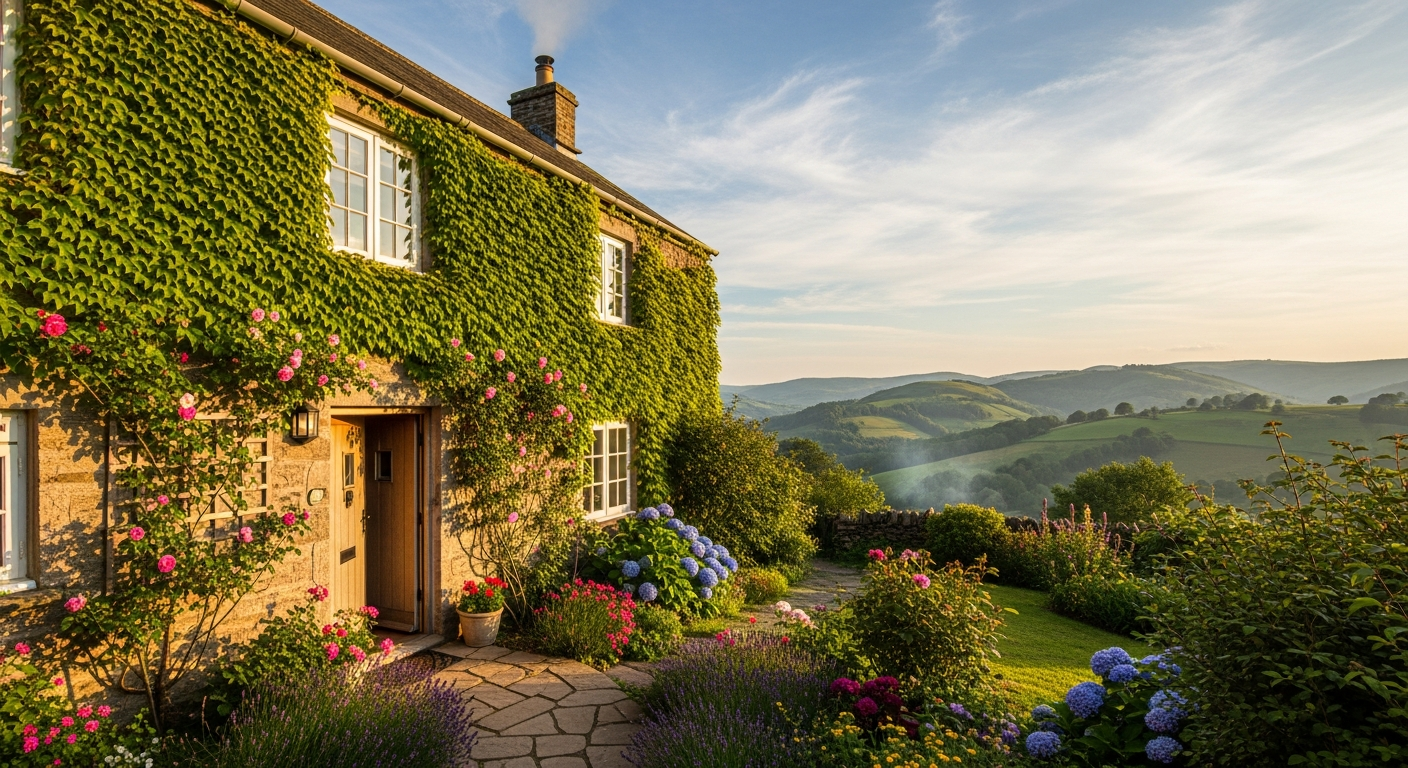
Imagine waking up in a centuries-old manor house, sunlight streaming through original windows, knowing that your stay directly supports the preservation of Britain’s most treasured landscapes. Over 500 historic properties await you—yet most holiday seekers never realize they can actually live in them. National Trust Holiday Cottages represent the UK’s most distinctive self-catering offering, transforming centuries-old buildings into immersive experiences that blur the line between accommodation and adventure. From lighthouse keeper’s residences perched on dramatic coastlines to Grade I listed manor houses nestled in rolling countryside, these aren’t your typical vacation rentals.
What truly sets National Trust cottages apart is the philosophy behind them. Every booking directly supports conservation efforts protecting Britain’s most treasured landscapes and heritage sites. You’re not simply renting a space—you’re becoming a steward of history, a guardian of natural beauty, and a contributor to preservation work that spans generations. This dual purpose transforms a holiday into something far more meaningful than a conventional getaway.
Explore National Trust Holiday Cottages and discover your perfect heritage escape today.
Throughout this guide, you’ll find everything that makes these cottages extraordinary: the diverse architectural styles and locations, the practical benefits like free National Trust entry, pricing structures that reflect their premium nature, and honest insights about booking considerations. Whether you’re seeking a peaceful countryside retreat or an active exploration base, understanding what National Trust cottages offer will help you make an informed decision about your next UK escape.
The Heritage Experience: What Makes These Cottages Truly Unique
Historic buildings spanning centuries of British architectural evolution await you—from Victorian farmhouses to converted lodges and bothies. These properties aren’t museum pieces frozen in time. Rather, they’re living spaces where restoration work respects historical integrity while incorporating modern comfort standards. Walking through their rooms means encountering original features and period details preserved throughout, creating an authentic atmosphere that sterile recreations simply cannot match.
Location amplifies this heritage experience considerably. Properties are positioned within or adjacent to iconic National Trust estates, providing unparalleled access to heritage sites. You’ll find cottages scattered across diverse settings spanning England, Wales, and Northern Ireland—coastal cliffs, moorland expanses, mountain valleys, and pastoral countryside. Each region offers distinct character shaped by its landscape and architectural traditions.
Understanding the story behind each property enriches your stay immensely. A converted lighthouse keeper’s residence carries narratives of maritime history. A moorland bothy tells stories of shepherding traditions. A grand country manor reflects the lives of generations who shaped the British landscape. This historical context transforms your accommodation from a functional space into a portal to different eras, allowing you to experience how people actually lived rather than imagining it from a distance.
Property Types and Accommodation Sizes for Every Group
National Trust offers remarkable variety in its cottage portfolio. Cottage categories range from intimate two-person retreats to large farmhouses accommodating 10 or more guests. Cwmmau Farmhouse welcomes groups up to 10 guests across multiple bedrooms, while smaller romantic cottages cater perfectly to couples seeking seclusion. Horton Court, a Grade I listed manor, exemplifies the premium properties available for those wanting to experience stately living.
Beyond traditional cottages, bunkhouses and bothies offer budget-conscious options without sacrificing character. These smaller, more rustic properties appeal to walkers, adventure seekers, and those prioritizing experience over luxury. Self-catering kitchens remain equipped with modern appliances while maintaining period aesthetics, ensuring you can prepare meals without sacrificing the historical ambiance.
Fully furnished interiors come with everything needed for independent holidays. Bedroom configurations and bathroom facilities are tailored to different group compositions—whether you need multiple en-suites for a family gathering or cozy shared facilities in a mountain bothy. Accessibility considerations and adaptations are available at select properties, ensuring visitors with mobility requirements can enjoy these historic spaces.
Dog-Friendly Getaways: Bringing Your Pet to Historic Homes
Many National Trust cottage properties welcome dogs, transforming your holiday into a shared family adventure. Pet-welcoming policies vary by property, so checking specific restrictions during booking proves essential. Guidelines for traveling with dogs ensure comfort and safety throughout your stay, protecting both your pet and the historic property.
The real advantage for dog owners lies in nearby walking routes and National Trust grounds accessible to canine companions. Imagine morning walks across moorland, afternoon hikes through woodland reserves, and evenings relaxing by the cottage fire while your dog rests by your feet. Properties specifically suited for dog-friendly holidays feature garden access and outdoor space where pets can roam safely.
Understanding breed or size restrictions beforehand prevents disappointment. Most properties require advance notification of pet arrivals, allowing staff to prepare appropriately. Facilities and amenities designed with pets in mind—such as secure gardens and convenient outdoor access—help balance your pet’s needs with heritage property preservation.
The Free Entry Advantage: Maximizing Your National Trust Membership Value
Complimentary access to National Trust attractions during your cottage stay represents substantial added value. Hundreds of properties become available to explore without additional entry fees—gardens, historic homes, and natural reserves that would otherwise require separate tickets. This advantage transforms how you experience your holiday region.
Planning itineraries that leverage free access becomes straightforward. You might spend mornings exploring a nearby stately home, afternoons walking through trust-managed gardens, and evenings returning to your cottage for self-catered meals. Family-friendly attractions and activities included with your stay mean children remain engaged and entertained throughout the holiday without mounting costs.
Seasonal variations affect what’s available at different National Trust sites. Gardens burst with spring bulbs in March, reach peak color in summer, display autumn foliage in October, and offer winter structure and bare-branch beauty in December. Understanding these seasonal patterns helps you plan visits that align with natural and landscape highlights. Combining cottage stays with membership benefits for maximum savings creates genuine financial advantage beyond the accommodation itself.
Understanding Pricing and Value Proposition
National Trust cottages command premium pricing, reflecting historic significance, location, and restoration quality. A three-night stay at a Grade I listed manor house like Horton Court costs from £1,138 for 10 guests. Cottage prices vary considerably based on season, property size, duration, and demand levels.
Seasonal pricing patterns reveal opportunities for savvy travelers. Peak summer rates climb substantially, while shoulder seasons—spring and autumn—offer moderate pricing with excellent weather for exploration. Winter stays present further discounts, though some properties close seasonally. Understanding these patterns helps align your budget with preferred travel timing.
Cost-per-person calculations for group holidays and family stays often reveal surprising affordability when divided among participants. A family of six sharing a cottage at £800 reduces to approximately £133 per person nightly—reasonable given the historic character, location quality, and included benefits. Hidden value emerges from conservation contribution, free National Trust entry, and the genuinely unique experience that standard holiday rentals cannot replicate.
Booking Practicalities: What You Need to Know Before Reserving
Limited availability for popular cottages requires advance planning and early booking. Properties in sought-after locations—Cornish clifftops, Lake District valleys, Cotswolds farmland—fill quickly during peak seasons. Booking windows and release dates for cottage reservations typically follow annual patterns, with the most desired weeks opening months in advance.
The online booking platform navigation varies in user experience, though National Trust provides clear filtering by region, group size, and property type. Minimum stay requirements vary by property and season—some demand one-week minimums during summer, while others accept shorter stays in quieter periods. Understanding these requirements upfront prevents wasted browsing time.
Utility costs, service charges, and what’s included in quoted prices deserve careful attention before confirming reservations. Some properties charge separately for heating, electricity, or cleaning, while others bundle these into the quoted price. Arrival and departure procedures, key collection, and property orientation typically occur through straightforward processes, though confirming specifics with customer service prevents confusion.
Cancellation flexibility and insurance options for peace of mind vary by booking terms. Peak season bookings often carry stricter cancellation policies, while shoulder-season dates may offer greater flexibility. National Trust customer service support responds to booking inquiries, though response times during busy periods may extend beyond immediate answers.
Location Spotlight: From Cornish Coasts to Yorkshire Moors
Coastal properties offer dramatic clifftop settings and beach-adjacent cottages in Cornwall, Devon, and Wales. Imagine morning coffee on a terrace overlooking the Atlantic, or evening walks along golden-sand beaches. Lighthouse keeper’s residences provide particularly unique coastal experiences, perched on remote headlands where sea spray mingles with history.
Countryside retreats scattered across the Cotswolds, Lake District, and English countryside appeal to those seeking pastoral tranquility. Traditional farmhouses offer village proximity combined with genuine countryside isolation. Rolling hills, stone-built villages, and agricultural landscapes create the quintessential English countryside aesthetic.
Mountain and moorland escapes in Yorkshire, Scotland’s borders, and Welsh highlands attract walkers and adventure seekers. These properties, often simpler bothies or farm cottages, position you perfectly for ridge walks, valley explorations, and encounters with wild, windswept landscapes. Regional character profoundly influences architecture—granite cottages in Cornwall, slate-roofed properties in Wales, limestone farmhouses in the Cotswolds.
Proximity to major attractions and cultural sites varies by location. Coastal properties near heritage coastlines offer natural exploration. Countryside cottages near grand estates provide architectural tourism opportunities. Mountain locations emphasize outdoor adventure over cultural attractions. Seasonal considerations affect each region distinctly—coastal areas remain accessible year-round, while moorland properties face winter weather challenges, and countryside locations display their greatest beauty during spring and autumn.
Conservation Impact: Your Holiday Supports Preservation Work
Direct connection exists between booking fees and National Trust conservation projects. When you pay for a cottage stay, portions of that revenue fund habitat restoration, building preservation, and landscape management across the organization’s vast portfolio. This isn’t abstract charity—your money literally protects specific places.
Types of work funded include wetland restoration, woodland management, coastal erosion prevention, and historic building repairs. Transparency in how holiday revenue supports the Trust’s mission appears throughout their communications. Stories of specific conservation successes funded by holiday revenue demonstrate tangible impacts—perhaps the cottage where you stayed funds the management of adjacent moorland that supports rare bird species.
Environmental sustainability practices at cottage properties reflect broader conservation values. Self-catering requirements reduce operational impacts compared to full-service hotels. Properties incorporate renewable energy where possible, manage waste responsibly, and encourage guests to tread lightly on surrounding landscapes. Educational opportunities to learn about conservation during your stay deepen your understanding of preservation work beyond basic tourist encounters.
Choosing National Trust cottages aligns inherently with values-driven travel. You’re not simply consuming accommodation—you’re actively supporting the protection of Britain’s natural and cultural heritage.
Honest Considerations: Potential Drawbacks and Limitations
Premium pricing may exceed budget-conscious travelers’ expectations. Compared to standard holiday rentals, National Trust cottages cost considerably more, reflecting genuine quality and heritage significance but potentially stretching some budgets uncomfortably. Availability constraints for sought-after properties during peak seasons mean spontaneous bookings prove nearly impossible—you must plan months ahead.
Booking processes occasionally receive mixed customer feedback regarding complexity, clarity, or responsiveness during peak periods. Limited flexibility regarding check-in and check-out times at some properties frustrates guests accustomed to flexible accommodation policies. Potential maintenance issues in older buildings require advance communication—ancient plumbing, creaking floorboards, and heating systems suited to different eras present occasional challenges.
Distance from some cottages to nearest towns or amenities affects those preferring walkable access to restaurants and shops. Self-catering requirement eliminates on-site dining or housekeeping services—you’re entirely responsible for meal preparation and cleaning. Seasonal closures affecting winter availability at certain locations disappoint those hoping to book during specific timeframes.
Despite these considerations, many guests conclude that authentic heritage experiences justify both the premium pricing and practical limitations.
Planning Your Perfect National Trust Cottage Escape
Matching property characteristics to your holiday goals and group composition remains essential. Adventure enthusiasts seeking hiking and exploration require different properties than those prioritizing quiet relaxation. Families with young children need different amenities than romantic couples. Travelers with dogs require pet-friendly properties with suitable outdoor spaces.
Seasonal considerations profoundly influence your experience. Spring wildflowers transform countryside properties into botanical displays. Summer warmth enables coastal swimming and moorland exploration. Autumn colors peak in October, attracting photographers and landscape lovers. Winter coziness appeals to those wanting cottage fires, hot drinks, and enforced relaxation away from daily demands.
Activity planning bridges the gap between on-site relaxation and National Trust exploration. You might spend some days adventuring across nearby estates, other days simply enjoying cottage surroundings, and evenings preparing meals together. Packing considerations for historic properties and rural locations include sturdy walking boots, layered clothing for variable weather, and items for self-catering meals not available in nearby villages.
Weather preparation and what to expect in different regions ensures you pack appropriately. Coastal areas experience wind and salt spray. Moorland properties require waterproof jackets and warm layers even in summer. Countryside locations offer milder conditions but unpredictable spring and autumn weather. Creating itineraries balancing on-site relaxation with National Trust exploration prevents the exhausting over-scheduling that can undermine holiday enjoyment.
Budget planning including accommodation, activities, and local dining prevents financial surprises. While cottage stays represent significant investments, factoring in free National Trust entry and self-catering options often produces overall holiday costs comparable to standard resort experiences—with considerably more memorable experiences.
Your Next Chapter in Heritage Travel
National Trust Unique Holiday Cottages represent far more than accommodation—they’re gateways into Britain’s living history. You’re choosing to sleep where generations lived, to walk grounds shaped by centuries of care, and to become part of a conservation story that extends far beyond your stay. The premium pricing reflects genuine value: the architectural authenticity, the free National Trust access, the location exclusivity, and the tangible impact your booking makes on preservation efforts across the UK.
Yes, availability requires planning ahead. Yes, prices command respect. But the experience of waking in a Grade I listed manor house, watching morning light filter through original windows, and knowing your holiday directly supports the protection of Britain’s natural and cultural heritage—that’s genuinely priceless. Whether you’re drawn to dramatic coastal lighthouses, tucked-away countryside farmhouses, or mountain bothies, the National Trust portfolio offers something that standard holiday rentals simply cannot replicate.
Ready to book your heritage escape? Start by exploring the options, filtering by your preferred region and group size, and securing your dates early. Your perfect historic home awaits—one that’s been preserved specifically for guests like you to experience, cherish, and help protect for future generations.
Begin your National Trust cottage adventure and start planning your heritage holiday now.

Leave a Reply