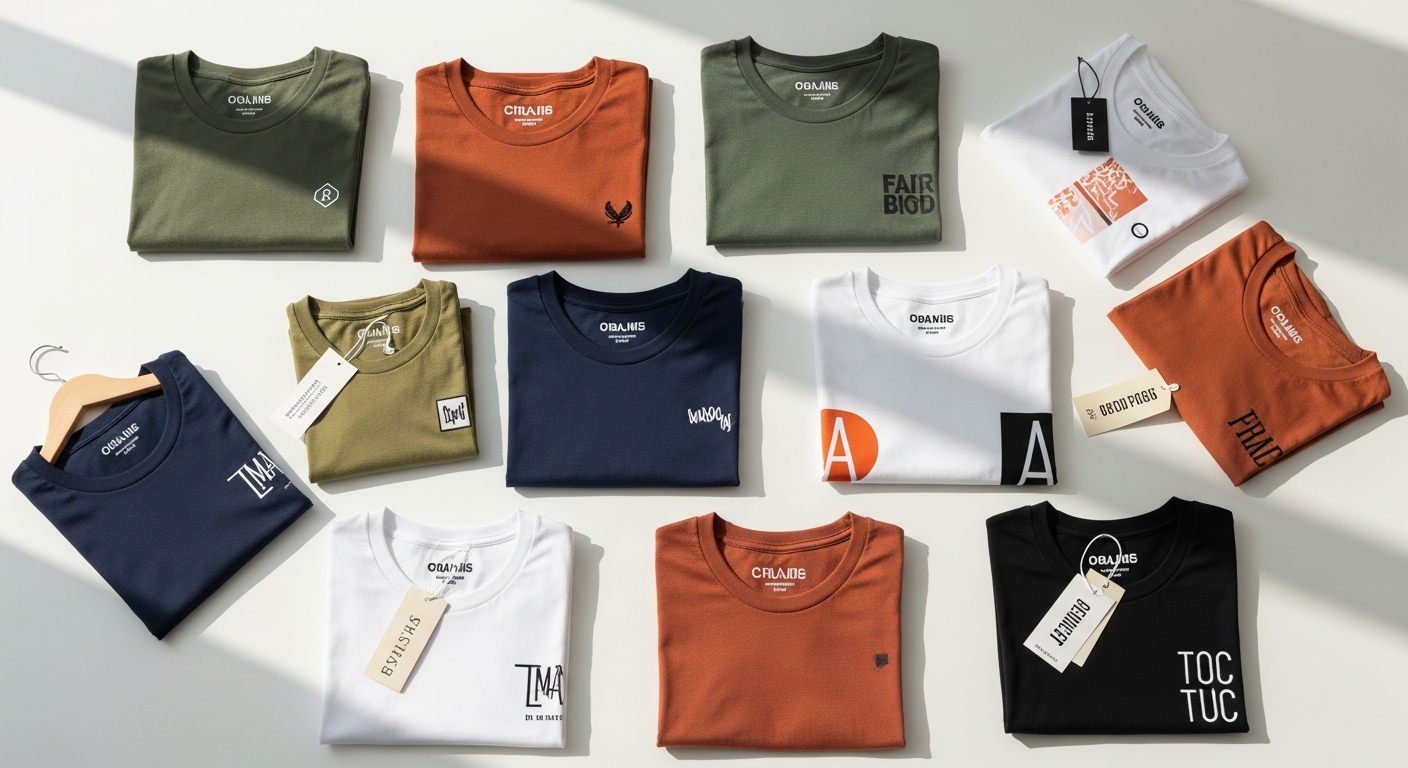
One in three consumers now owns at least one custom t-shirt, and the personalized apparel market shows no signs of slowing down. Custom t-shirts have emerged as the cornerstone of the Create economy, fueling a multi-billion-dollar print-on-demand industry. What started as a niche market for enthusiasts has evolved into a mainstream phenomenon where anyone can design, produce, and sell their own branded apparel.
The shift toward personalization reflects a deeper cultural change. People no longer settle for mass-produced clothing that blends into the crowd. They want garments that reflect their identity, celebrate their communities, and tell their stories. This desire has transformed custom t-shirts from a novelty into an essential category within the broader fashion landscape.
Start designing your custom t-shirts today and join the personalized apparel revolution.
The Print-On-Demand Revolution: Why Custom T-Shirts Dominate
The print-on-demand business model has fundamentally changed how custom apparel reaches consumers. Traditional manufacturing required upfront capital, warehouse space, and bulk inventory commitments. Entrepreneurs faced enormous financial risk before selling a single shirt. The POD model eliminates this barrier entirely—items are produced only after an order is placed, meaning you never pay for unsold inventory.
This shift has democratized the custom apparel industry. Previously, launching a branded clothing line required substantial investment and manufacturing expertise. Today, entrepreneurs can start with zero inventory, validate market demand, and scale gradually. The financial risk transfers from the seller to the platform, which handles production and fulfillment.
Market growth statistics tell a compelling story. The personalized goods sector has expanded at double-digit rates year-over-year, with custom t-shirts representing the largest category by volume and revenue. As consumer preference for unique, customizable products strengthens, platforms continue investing in faster production times and enhanced design tools. This virtuous cycle attracts more sellers, attracts more customers, and accelerates the entire ecosystem.
Low startup costs have proven irresistible to aspiring entrepreneurs. Creating a storefront, designing templates, and launching a product line now costs under $100 in many cases. Fulfillment platforms like Printful, Teespring, and Merch by Amazon handle the complex logistics—production, quality control, packaging, and shipping. Sellers focus entirely on design and marketing, the high-value activities that drive revenue.
Printing Techniques That Define Quality and Durability
Direct-to-Garment (DTG) Printing
Direct-to-garment printing applies ink directly onto fabric using specialized inkjet technology. The result is vivid, detailed designs with unlimited color options. DTG excels for complex artwork, photorealistic images, and intricate multi-color designs. The prints feel soft and maintain excellent durability through dozens of washes when cared for properly.
The trade-off exists in production speed and cost. DTG requires time per shirt and works best for single orders or small batches. Each garment gets its own production cycle, making bulk orders less efficient than alternative methods. Care instructions matter—customers should wash in cold water and avoid excessive heat to preserve print longevity.
Screen Printing
Screen printing is the traditional workhorse of custom apparel production. Ink is pushed through mesh screens onto fabric, creating bold, vibrant colors that feel substantial and last indefinitely. Screen printing dominates bulk orders because the setup costs are amortized across many units—producing 100 shirts costs only marginally more than producing 50.
This method works beautifully for straightforward designs with limited colors. Each color requires a separate screen, so intricate multi-color artwork becomes expensive. The prints have a classic feel and superior durability, making screen printing ideal for sports teams, corporate uniforms, and event merchandise where longevity is non-negotiable.
Embroidery
Embroidery represents the premium finishing option. Thread is stitched directly into fabric, creating a textured, three-dimensional effect. The result conveys quality and craftsmanship—perfect for logos, business branding, and high-end merchandise. Embroidered items command higher prices and feel distinctly more luxurious.
Embroidery works best for simple designs with clean lines. Complex artwork or dense graphics become prohibitively expensive to stitch. Setup costs are moderate, and per-unit production time is relatively quick once the design is digitized. Embroidered items withstand extensive washing and wear, making them ideal for corporate gifts and professional settings.
Explore printing options and create your first professional custom t-shirt collection now.
Quality Control Checkpoints
Each printing method requires specific quality assurance measures. DTG prints need color calibration and pre-production tests to ensure accurate reproduction. Screen printing demands registration checks to confirm color alignment and ink saturation levels. Embroidery requires digitization review and thread tension testing before full production begins.
Reputable fulfillment partners maintain rigorous quality standards, but sellers should understand the process. Requesting sample orders before scaling up production prevents costly mistakes. Inspecting finished products for defects, color accuracy, and durability ensures customer satisfaction and builds long-term brand reputation.
Material Selection and Garment Specifications
Cotton vs. Blended Fabrics
One hundred percent cotton offers natural breathability and comfort that consumers expect from t-shirts. Pure cotton feels soft, absorbs moisture effectively, and allows skin to breathe. The trade-off involves slightly higher costs and potential for minimal shrinkage without proper care.
Cotton-polyester blends balance comfort with practical advantages. Polyester reduces shrinkage, improves color retention, and increases durability. Blends typically cost less than pure cotton and perform better through repeated washing. Many consumers can't distinguish the feel between quality blends and pure cotton, making blends excellent for price-conscious sellers seeking healthy margins.
Organic Cotton and Sustainability
Eco-conscious consumers actively seek organic cotton options. Organic certifications ensure garments were produced without synthetic pesticides or harmful chemicals. The environmental angle resonates powerfully with younger demographics and values-driven consumers willing to pay premiums for sustainable choices.
Organic cotton costs more than conventional cotton, requiring corresponding price increases. However, the sustainability story justifies higher pricing and attracts a loyal customer segment. Sellers targeting environmentally conscious audiences should offer organic options prominently within their product lines.
Fabric Weight and Perceived Quality
Fabric weight, measured in ounces per yard, directly impacts how a shirt feels and performs. Lightweight fabrics (4-5 ounces) feel airy and drape elegantly but can seem insubstantial to customers accustomed to heavier garments. Mid-weight fabrics (5.5-6 ounces) represent the sweet spot for most applications, offering comfort and durability without heaviness. Heavyweight fabrics (6.5+ ounces) convey quality and durability but can feel stiff and uncomfortable in warm climates.
Heavier fabrics cost more but justify higher retail prices through perceived value. A heavyweight organic cotton shirt naturally commands premium pricing compared to a lightweight conventional cotton version.
Neckline and Style Variations
Crew neck shirts dominate sales volume, offering universal appeal and versatility. V-necks attract consumers seeking a different silhouette and those wanting a more contemporary look. Henleys and henley-style shirts appeal to customers in cooler climates and those preferring structured necklines. Long-sleeve options expand addressable market, particularly for fall and winter seasons.
Offering multiple styles increases total revenue by capturing different customer preferences. Sellers should test various options with initial collections to identify which styles resonate with their specific audience.
Size Inclusivity from XS to 5XL
Market research demonstrates that offering comprehensive size ranges significantly increases conversion rates. Customers searching for their size feel excluded when options are unavailable. Inclusive sizing—from extra-small through multiple extra-larges—signals that a brand welcomes everyone.
The financial impact is substantial. A brand offering eight sizes generates considerably more revenue than one offering only five, even accounting for the slightly higher cost of producing extended sizes. Most fulfillment platforms support full size ranges without prohibitive cost increases.
Design Customization Options That Drive Engagement
Unlimited Creative Possibilities
Custom t-shirts offer infinite design possibilities. Text ranges from simple slogans to complex typography. Graphics can be vectors, illustrations, or photographs. Customers upload their own artwork, combine design elements, or work with professional designers. This flexibility ensures that virtually any concept can be executed.
The ability to fully customize drives emotional investment. A customer designing a memorial shirt for a loved one, a sports team jersey with player names, or a corporate merchandise piece with company branding all create personal connections that mass-produced alternatives cannot match.
Design Tools for Non-Designers
Modern fulfillment platforms include intuitive design tools and extensive template libraries. Customers without design experience can create professional-looking shirts through drag-and-drop interfaces. Pre-designed templates provide starting points that customers customize with their own text, colors, and images.
This democratization of design dramatically expands the addressable market. Entrepreneurs without graphic design skills can still launch successful product lines. The barrier to entry has effectively disappeared.
Personalization Features Creating Emotional Bonds
Adding names, dates, inside jokes, or personal details transforms a generic product into a meaningful keepsake. A team jersey with individual player names carries far more value than a blank alternative. A birthday shirt commemorating a specific date or funny personal reference becomes a cherished memory object.
These personalization features justify premium pricing and generate higher customer satisfaction. The emotional attachment customers feel toward personalized items translates to repeat purchases and enthusiastic word-of-mouth marketing.
Bulk Customization Applications
Corporate clients order branded employee uniforms and promotional merchandise. Sports teams design custom jerseys. Event organizers create commemorative shirts for attendees. Nonprofit organizations produce fundraising merchandise. Each application involves bulk quantities with identical or slightly varied customization.
Bulk orders represent significant revenue opportunities and account for a substantial portion of custom t-shirt sales. Sellers targeting organizational buyers should develop dedicated sales processes and streamlined ordering systems for bulk quantities.
Trending Design Aesthetics in 2026
Minimalist designs featuring clean lines, limited color palettes, and negative space continue gaining popularity. Retro aesthetics—vintage typography, faded prints, and nostalgic imagery—resonate strongly across demographics. Bold typography combined with striking graphics offers high visual impact. Sustainability-focused designs featuring environmental messaging and eco-conscious imagery appeal to values-driven consumers.
Understanding current design trends helps sellers stay relevant and competitive. However, timeless designs maintaining appeal across multiple years often outperform trend-chasing approaches from a long-term perspective.
Pricing Strategy and Profit Margins
Price Range and Cost Breakdown
Custom t-shirt pricing typically ranges from $15 to $40 per unit for single orders. This range reflects significant variations in garment quality, design complexity, and printing method. A basic single-color screen print on lightweight cotton falls toward the lower end. A multi-color DTG print on heavyweight organic cotton with complex artwork lands toward the upper range.
Understanding cost structure enables strategic pricing. If production cost is $8 per shirt, a $24 retail price delivers healthy profit while remaining competitive. Higher quality garments and more complex production methods justify premium pricing.
Factors Affecting Price
Design complexity significantly impacts costs. Simple one-color designs cost considerably less than multi-color artwork. Intricate photorealistic images increase production time and material consumption. The printing method chosen directly determines feasibility and cost—DTG handles complexity well but costs more per unit, while screen printing offers economy only at volume.
Garment quality choices profoundly affect pricing. Heavyweight organic cotton from premium brands commands higher prices than lightweight synthetic blends. The quality tier communicates directly to customers and justifies corresponding price differences.
Bulk Discount Structures
Offering tiered pricing for bulk orders incentivizes larger purchases. A customer might pay $24 for a single shirt but $18 per shirt when ordering 12 units. This structure increases order value while delivering real savings that customers appreciate.
Minimum order quantities vary by platform and printing method. Most platforms allow single-unit orders, though DTG typically works best with smaller batches while screen printing requires minimum orders (often 24-50 units) to justify setup costs.
Wholesale and Reseller Pricing
Entrepreneurs selling to retail partners or resellers need wholesale pricing structures. A shirt retailing for $30 might wholesale at $12-15, allowing retail partners healthy margins while ensuring profitability. Developing clear wholesale pricing tiers supports channel growth and partnership development.
Profit Margin Analysis
Print-on-demand economics favor sellers with efficient operations. If production costs $6 and retail price is $24, gross margin is 75%. After accounting for platform fees (typically 5-15%), marketing, and customer service, net margins might reach 40-50%. These economics enable profitable businesses at surprisingly modest sales volumes.
Sellers should calculate expected margins before launching. High-volume low-margin strategies differ fundamentally from low-volume high-margin approaches, each requiring distinct marketing and operational strategies.
Seasonal Pricing and Promotions
Demand fluctuates seasonally. Back-to-school periods, holiday seasons, and major sporting events generate peaks. Strategic promotional pricing during slow periods smooths revenue and keeps inventory moving. Limited-time discounts create urgency and drive action.
However, aggressive discounting erodes margins and trains customers to wait for sales. Strategic promotion targeting specific periods differs markedly from constant discounting that diminishes brand value.
Real-World Applications Fueling Demand
Personal Expression and Niche Communities
Fashion enthusiasts use custom t-shirts to signal their identity and interests. Band merchandise, hobby communities, and niche subcultures create demand for specialized designs. A vintage video game fan wearing a custom shirt celebrating a beloved 1990s title or a craft beer enthusiast sporting brewery artwork expresses personality through apparel. These applications drive strong demand because they represent genuine passion rather than utility.
Special Events and Celebrations
Weddings, family reunions, birthday parties, and festivals all generate custom t-shirt orders. Event attendees wear commemorative shirts that memorialize the occasion. Bachelor and bachelorette parties, college reunions, and team outings order custom designs that create camaraderie and shared memory. The emotional value of event merchandise justifies premium pricing and drives strong sales.
Corporate Branding and Employee Uniforms
Companies use custom t-shirts to build brand identity and strengthen company culture. Employee uniforms featuring company logos create professional appearance while boosting team cohesion. Corporate giveaways and promotional merchandise put company branding directly into customers' hands. Internal marketing initiatives create branded merchandise celebrating company values and achievements.
These corporate applications represent substantial revenue opportunities, particularly for sellers developing dedicated sales processes for organizational clients.
Sports and Fitness Communities
Sports teams order custom jerseys with player names and numbers. Gym communities create branded merchandise strengthening member identity. Marathon participants wear event-specific shirts. CrossFit boxes, yoga studios, and recreational leagues all generate custom apparel demand. The intersection of sports, community identity, and performance creates powerful motivation for custom purchases.
Fundraising and Nonprofit Applications
Charitable organizations produce branded merchandise supporting fundraising campaigns. Cause-driven designs raising awareness for specific issues resonate with values-conscious consumers. Nonprofits selling custom t-shirts generate revenue while spreading their message. Schools, health organizations, and social justice movements all leverage custom apparel for awareness and funding.
Creator and Influencer Merchandise
Content creators build fan communities partially through branded merchandise. YouTubers, podcasters, streamers, and social media personalities develop loyal followers eager to wear branded shirts supporting their favorite creators. This merchandise strengthens fan engagement, generates revenue, and extends personal brands into physical products.
The creator economy has become a major custom t-shirt demand driver as audiences seek tangible connections to creators they follow.
Getting Started: Your Roadmap to Launch
Choosing Your Print-On-Demand Platform
Multiple platforms serve different needs and business models. Printful integrates directly with existing e-commerce systems and handles fulfillment transparently. Teespring provides all-in-one solutions with built-in audience tools and payment processing. Merch by Amazon plugs into the Amazon ecosystem, offering massive reach but rigorous approval requirements.
Evaluate platforms based on target business model, desired integrations, pricing structure, and target audience. A seller planning to drive traffic through personal brand should choose differently than someone building an Amazon presence.
Setting Up Your Online Storefront
Modern platforms make storefront creation straightforward. Upload logos, add product descriptions, configure design tools, and publish. Compelling product photography and clear descriptions communicate value. Organizing products into logical collections helps customers navigate offerings.
Platform templates provide professional designs requiring minimal customization. Sellers should spend more time on product copy and imagery—elements that actually drive conversions—rather than obsessing over design minutiae.
Creating Your First Collection and Testing
Launch with a focused initial collection rather than overwhelming customers with dozens of designs. Five to ten complementary products allow testing different designs, price points, and messaging simultaneously. Small initial collections reduce risk and provide data guiding future expansion.
Actively solicit feedback from early customers. Which designs resonated? What would have made the purchase easier? This customer intelligence proves invaluable for scaling.
Competitive Pricing While Maintaining Margins
Research competitor pricing within your niche while understanding your costs. Price too low and margins vanish; price too high and competitive disadvantage emerges. The optimal price often sits at a natural market level supporting healthy margins while feeling fair to customers.
Test pricing by adjusting prices weekly and monitoring conversion impacts. Data reveals customer price sensitivity far better than speculation.
Marketing Through Social Media and Content
Social media platforms offer cost-effective audience building for custom apparel brands. Instagram, TikTok, and Pinterest naturally showcase visual products. Behind-the-scenes content, user-generated posts, and design process videos build authentic engagement. Influencer partnerships amplify reach efficiently.
Content creation focused on target audience interests rather than constant product promotion builds communities. A fashion brand creates style advice; a fitness brand shares workout tips; a hobby brand builds enthusiast content. This audience-first approach generates authentic engagement supporting long-term growth.
Building Email Lists and Nurturing Relationships
Email marketing consistently delivers superior return on investment. Offering design discounts or exclusive early access in exchange for email addresses builds a direct communication channel. Regular newsletters featuring new designs, exclusive offers, and valuable content keep brands top-of-mind.
Segmenting email audiences by interest or purchase history enables targeted messaging. Customers purchased sports designs? Send sports-related offers. This precision dramatically improves engagement and conversion.
The Future of Personalized Fashion: Your Next Move
Custom t-shirts have transcended their status as a niche product to become the defining apparel trend of 2026. The combination of affordable production costs, unlimited design possibilities, and the human desire for self-expression creates a perfect storm of opportunity. The barriers to entry have crumbled, platforms have simplified design and fulfillment, and quality has improved dramatically. Whether you're a consumer looking to wear something uniquely yours or an entrepreneur ready to build a thriving business, the personalized apparel landscape offers something for everyone.
The question isn't whether custom t-shirts will remain relevant—the data makes that abundantly clear. The real question is: What story will your custom t-shirts tell? Start small, listen to your customers, refine your craft, and watch your personalized apparel business grow.
Launch your custom t-shirt empire and turn your designs into thriving revenue today.
Leave a Reply