Over 40% of UK renters cite kitchen appliances as a dealbreaker when choosing accommodation—yet many landlords skip investing in quality cooking equipment. If you're renting, furnishing your first home, or simply tired of overspending on appliances, you've probably wondered whether a genuinely affordable electric hob can actually deliver reliable performance without breaking the bank.
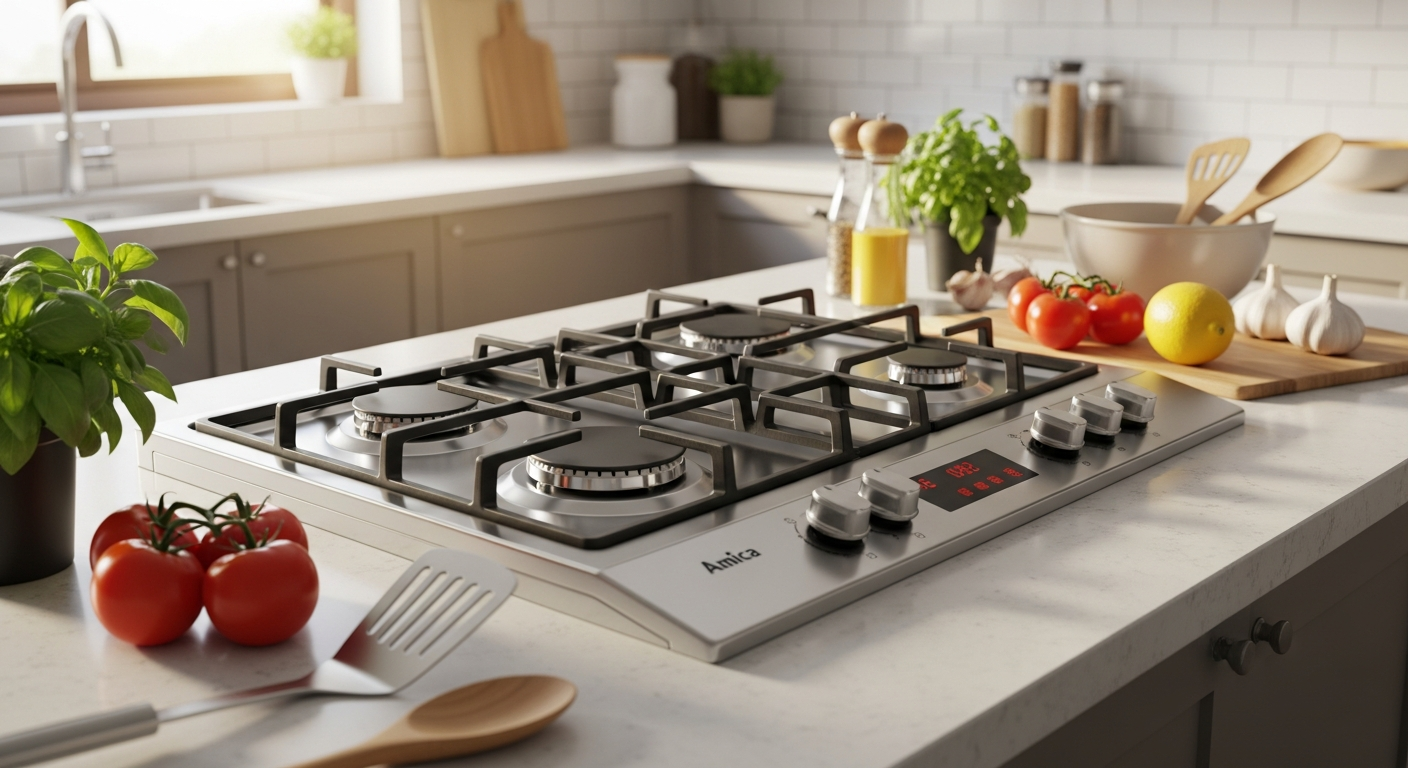
The Amica 60cm Four Zone Solid Plate Electric Hob has quietly become a bestseller at Core Appliances UK, and for good reason. At just £199, this stainless steel workhorse strips away fancy tech and delivers straightforward, dependable cooking. It's the kind of appliance that doesn't shout about itself—it just works, day after day, meal after meal.
Discover the Amica 60cm Four Zone Electric Hob at Core Appliances UK today.
The Solid Plate Design: Durability That Outlasts Trends
What solid plate technology actually means for everyday cooking
Solid plate hobs operate on a simple principle: cast iron or steel plates sit directly on heating elements beneath them. When you turn the dial, electrical resistance warms the plate, which then radiates heat to your cookware. There's no complexity here—no ceramic surface to crack, no induction coil to malfunction. The straightforward mechanics mean you get reliable, consistent heat transfer every time you cook.
Why the four-zone layout works for most household cooking scenarios
Four zones cover the vast majority of cooking needs. Whether you're simmering a sauce on one zone while boiling pasta on another, or managing breakfast components simultaneously, four burners provide genuine flexibility. The typical arrangement—usually with two smaller and two larger zones—accommodates everything from delicate saucepans to substantial stockpots without leaving you scrambling for counter space.
Heat distribution consistency compared to ceramic alternatives
Solid plates excel at even heat distribution once they reach temperature. Unlike ceramic hobs, which can develop hot spots, solid plates warm uniformly across their entire surface. This consistency matters when you're cooking something that requires careful temperature management. The tradeoff is speed—solid plates take longer to heat and cool than ceramic alternatives, but once they're at the right temperature, they maintain it reliably.
Longevity expectations: how long solid plates typically last with proper care
Quality solid plate hobs regularly last 10-15 years with standard use and basic maintenance. The Amica design prioritizes this durability through robust construction. Since there are fewer electronic components and no complex circuits to fail, you're looking at a genuinely long-lived appliance. The main wear items—the plates themselves—can be replaced if needed, extending the hob's lifespan even further.
Why renters and first-time buyers favor this design over complex alternatives
Renters appreciate solid plates because they're portable-friendly (when it comes time to move) and require no specialized installation. First-time homeowners value the low barrier to entry—a quality hob at £199 means less financial strain when setting up a kitchen. There's also peace of mind: mechanical components rarely fail unexpectedly, and repairs cost less than fixing electronic touch panels or induction circuitry.
Common misconceptions about solid plate hobs debunked
Many people assume solid plates are outdated relics with poor performance. In reality, they're reliable workhorses that handle 90% of home cooking tasks without issue. Another myth: that they're energy hogs. While induction edges ahead on efficiency, solid plates consume reasonable amounts of electricity for their output. The perception that they're "cheap" often translates to better value, not inferior quality.
Stainless Steel Finish: Aesthetics Meet Practicality
How the stainless steel exterior complements modern and traditional kitchens alike
The brushed stainless steel finish on this Amica hob works with nearly any kitchen style. In contemporary spaces, it reads as sleek and professional. In traditional kitchens, it blends seamlessly with period-appropriate cabinetry. This versatility means you're not locked into a specific design direction—the hob simply disappears into your kitchen's existing aesthetic rather than dominating the visual landscape.
Corrosion resistance and what it means for coastal or humid environments
Stainless steel's natural resistance to rust and corrosion becomes particularly valuable in coastal areas or kitchens with high humidity. Unlike painted or powder-coated surfaces that can degrade over time, stainless steel maintains its integrity regardless of environmental conditions. For UK households near the coast or in damp regions, this durability translates to genuinely longer-lasting aesthetics.
Cleaning and maintenance: why this finish beats black glass surfaces
Black glass looks premium but shows every fingerprint, smudge, and water spot. Stainless steel, by contrast, hides minor marks and requires only basic wiping with a damp cloth. Most household spills clean up instantly without leaving visible traces. The finish forgives ordinary kitchen messiness in a way glossy black simply doesn't.
Fingerprint and smudge resistance in real-world kitchen conditions
Daily kitchen reality involves spills, splashes, and handprints. The Amica's brushed stainless steel surface resists showing these marks prominently. A quick wipe restores its appearance. Families with children particularly appreciate this practical feature—your hob stays looking respectable without obsessive cleaning routines.
Long-term appearance retention without special treatments
You don't need specialized stainless steel polish or protective coatings to maintain this finish. Warm soapy water and a soft cloth handle 99% of situations. After years of use, properly maintained stainless steel develops a patina that actually enhances its character rather than detracting from it. This authenticity suits kitchens designed around durability rather than pristine perfection.
Cost savings on maintenance products and professional cleaning
Black glass requires specific cleaners to avoid streaking. Stainless steel works with basic household products. Over the hob's lifespan, you'll spend less on maintenance supplies and potentially avoid professional cleaning services altogether. These small savings accumulate, further improving the overall value proposition.
Intuitive Rotary Controls: Cooking Without Complexity
How rotary knobs simplify temperature adjustments for all skill levels
Turn the knob clockwise to increase heat, counterclockwise to decrease it. That's the entire learning curve. Rotary controls require no instruction manual, no settings navigation, no digital displays. Whether you're 8 years old or 80, the interface is instantly comprehensible. This simplicity appeals to households with mixed cooking abilities and ages.
Precision control across the four zones independently
Each zone responds immediately to its dedicated knob adjustment. You're not cycling through menus or waiting for electronic processors to register commands. The mechanical connection between control and burner creates a direct, responsive relationship that experienced cooks particularly value. Fine-tuning temperatures becomes intuitive rather than frustrating.
Why mechanical controls outlast digital touch panels in reliability
Digital touch panels fail when circuitry malfunctions or moisture penetrates the electronics. Mechanical rotary knobs simply don't have these vulnerabilities. The likelihood of control failure over the hob's lifetime drops dramatically with mechanical systems. For appliances designed to last, this mechanical reliability justifies the choice at every level.
Accessibility for elderly users and those unfamiliar with modern appliances
Aging in place matters for many households. Rotary knobs suit arthritis-affected hands better than touch panels, and the obvious on/off functionality creates confidence rather than confusion. Older family members who might struggle with smart controls or digital displays adapt immediately to straightforward mechanical operation.
No learning curve—immediate usability from day one
You open the box, install the hob, and start cooking. There's no setup process, no app to download, no modes to understand. This immediate usability appeals to people who simply want to cook without technology getting in the way. Guests visiting your kitchen can use the hob without explanation or supervision.
Durability of mechanical components versus electronic alternatives
The Amica's mechanical controls contain no microchips, no plastic touch sensors, no delicate circuits. These components rarely wear out and cost little to replace if they ever do. Electronic alternatives eventually fail—it's not a question of if, but when. Mechanical systems extend the hob's practical lifespan substantially.
The 60cm Standard Width: Space and Integration
Why 60cm is the most common hob size in UK kitchens
Standard UK worktops accommodate 60cm appliances seamlessly. This sizing reflects decades of kitchen design conventions that won't change anytime soon. Choosing a 60cm hob means maximum compatibility with existing cabinetry, standard cutouts, and replacement expectations if you ever upgrade further down the line.
Seamless integration into existing kitchen countertops
If your kitchen currently has a hob space, the Amica's 60cm width fits that opening without modification. No custom cabinetry adjustments, no awkward gaps requiring filler panels. The standard dimensions mean straightforward installation and the flexibility to swap this hob for another similar-sized unit in future without kitchen reconstruction.
Space optimization for smaller kitchens without sacrificing functionality
Smaller UK kitchens benefit from the 60cm size providing substantial functionality within compact footprint. You're not losing counter space with an oversized appliance, yet you gain the full operational capacity of four cooking zones. This balance proves particularly valuable in terraced houses or compact flats where every centimeter counts.
Pot and pan compatibility across all four zones
Standard UK cookware fits comfortably on all four plates. You're not forced into specialized pots or limited to certain sizes as you might be with smaller or oddly-proportioned hobs. Flexibility with your existing cookware and future purchases represents genuine practical value.
Gap-free installation possibilities with standard cabinetry
Most kitchen cabinet manufacturers designed their products with 60cm hob compatibility in mind. You'll achieve tight, professional-looking installation without additional framework or modifications. This standard sizing makes the Amica feel like it was designed specifically for your kitchen, even though it's the same size as countless others.
Flexibility for kitchen renovations and upgrades
Should you eventually upgrade your kitchen, a 60cm hob slot remains a permanent feature in UK kitchen design. Your investment in the Amica doesn't lock you into outdated specifications—the dimensions will remain relevant and compatible with future kitchen iterations.
£199 Price Point: Breaking Down the Value Proposition
How this hob achieves affordability without cutting corners on essentials
The Amica focuses spending where it matters: durable solid plates, quality stainless steel, reliable mechanical controls. Where costs compress is in packaging, marketing, and unnecessary features. There's no fancy LED display, no smart connectivity, no premium branding markup. You're paying for function, not frills—exactly what most kitchens actually need.
Cost comparison with ceramic, induction, and gas alternatives
A basic ceramic hob starts around £250-300. Induction models begin at £400+. Gas hobs with equivalent quality fetch similar prices to ceramic. At £199, the Amica undercuts all these alternatives while delivering genuine cooking capability. The savings prove substantial for budget-conscious households.
Hidden costs avoided: fewer repairs, simpler maintenance
Complex hobs accrue hidden costs through occasional repairs and maintenance. Ceramic surfaces crack and need professional resurfacing (£150-300). Induction cooktops develop electronic faults requiring specialist technicians. Solid plates? Basic maintenance costs almost nothing. The Amica's simplicity yields ongoing savings beyond the initial purchase.
Check the current price and availability of the Amica 60cm Four Zone Electric Hob.
Accessibility for budget-conscious households and rental properties
At £199, the Amica falls within reach for households where every pound matters. Landlords upgrading rental properties can equip multiple units affordably, improving property appeal without excessive investment. First-time homeowners managing multiple purchases find the cost reasonable when stocking a new kitchen.
Return on investment timeline for typical UK usage patterns
Even modest energy savings from the Amica's efficient operation pay back portions of the initial cost within 12-24 months of average household use. Factor in avoided repair costs and maintenance expenses over 10+ years, and the financial case becomes compelling. You're not just buying cheaply—you're buying intelligently.
Where the Amica brand prioritizes spending versus where it economizes
Amica invests in the core cooking function: solid plates and heat distribution. The brand economizes on aesthetic touches, premium finishes, and feature proliferation. This prioritization strategy means your money funds what actually matters in daily cooking rather than marketing appeal or unnecessary additions.
Real-World Performance: What to Expect in Your Kitchen
Heat-up times and practical implications for meal preparation
Solid plates take 3-5 minutes to reach operational temperature, longer than ceramic or induction. For everyday cooking—most meals prepared with advance planning—this timing barely impacts your routine. If you frequently need instant-heat cooking, the Amica's slower warm-up might frustrate. For typical UK household cooking, it's entirely manageable.
Consistency across different pot sizes and materials
The Amica handles stainless steel, cast iron, aluminum, and copper cookware equally well. Small saucepans and large stockpots both receive reliable heat. This versatility means you're not limited to specific cookware as you might be with induction hobs. Existing pots and pans work without modification or purchase of specialized equipment.
Energy consumption patterns compared to modern alternatives
Solid plates consume approximately 2-3 kW per zone during operation—reasonable for the heat output delivered. Induction uses similar wattage but converts it more efficiently to cookware. The practical difference in typical household electricity bills runs £20-40 annually compared to induction. Ceramic falls between the two. For most budgets, this energy difference doesn't substantially override the Amica's initial cost advantage.
Performance in high-use kitchens versus occasional cooking
Households cooking daily find the Amica reliable and sufficient. The robust solid plates handle constant use without degradation. Occasional cooks also benefit from simplicity and reliability. The hob performs equally well whether you're feeding a family of six nightly or cooking three times weekly.
User feedback from UK households using this model
Reviews from Core Appliances UK customers consistently highlight the Amica's straightforward operation and dependable performance. Users appreciate the minimal maintenance and durable construction. Common praise focuses on the value proposition—solid cooking capability at an unbeatable price. Few complaints emerge beyond the expected trade-off of slower heat-up compared to premium alternatives.
Reliability track record and warranty coverage
The Amica carries standard manufacturer warranty covering defects and component failures. This coverage provides genuine peace of mind for the initial ownership period. The brand's track record demonstrates that solid plate hobs rarely develop faults within normal warranty periods, suggesting the engineering is sound and construction quality adequate.
Maintenance and Care: Keeping Your Hob in Pristine Condition
Daily cleaning routines that take under five minutes
Once the hob cools after cooking, wipe the surface with a damp cloth and mild detergent. The stainless steel cleans easily without stubborn residue. This routine takes less time than it takes to read this section. Incorporating daily cleaning into your post-cooking routine prevents buildup and keeps the hob looking fresh continuously.
Protecting the stainless steel from scratches and staining
Use soft cloths rather than abrasive scouring pads. Dry the surface after washing to prevent water spotting. Avoid dragging cookware across the plates. These simple practices protect the finish from visible damage. Stainless steel's forgiving nature means minor scratches don't show dramatically, but preventative care maintains appearance longer.
Dealing with spill marks and burnt-on residue
Stubborn residue responds to gentle scrubbing with a paste of baking soda and water. Burnt-on marks occasionally require soaking with a damp cloth for several minutes before wiping. The solid plates resist damage from these cleaning methods, unlike ceramic surfaces that can scratch during aggressive cleaning. Even challenging residue cleans up without special products.
Seasonal deep cleaning for optimal appearance
Every few months, dedicate 15 minutes to thorough cleaning around the hob edges and controls. Use a specialized stainless steel cleaner if desired, though basic soap and water accomplish the job perfectly well. This seasonal attention prevents grime accumulation and keeps the hob looking showroom-fresh indefinitely.
Avoiding common mistakes that damage solid plate surfaces
Don't pour cold water directly onto hot plates (thermal shock can damage the metal). Avoid abrasive cleaners or steel wool. Don't allow acidic spills like vinegar or lemon juice to sit uncleaned for extended periods. These common mistakes can stain or degrade the finish. Mindful cleaning practices preserve the hob's appearance effortlessly.
Replacement parts availability and repair costs if needed
Should a solid plate eventually fail after years of use, replacement plates cost £25-50 from authorized suppliers. Professional installation adds another £50-100. These costs remain extremely reasonable compared to replacing entire hobs or repairing complex electronic components. The availability of affordable parts further extends the Amica's lifespan economically.
Solid Plates Versus Ceramic and Induction: Making the Right Choice
Key performance differences between hob technologies
Solid plates warm slowly but reliably, maintaining consistent temperature once reached. Ceramic heats faster with a glass-like surface and moderate temperature control. Induction responds instantly through electromagnetic coil technology but requires compatible cookware. Each technology reflects different engineering priorities.
Energy efficiency breakdown: what the numbers actually mean for your bills
Induction converts roughly 85-90% of electrical input to cookware heat. Ceramic achieves 70-75% efficiency. Solid plates manage 60-65%. These percentage differences translate to modest annual bill variations for typical households—roughly £15-30 annually between solid plates and induction. Over the 10+ year lifespan, total energy cost differences approximate several hundred pounds, meaningful but not transformational.
Heat-up and cool-down speed comparisons in practical scenarios
Induction reaches full temperature in 60-90 seconds. Ceramic takes 2-3 minutes. Solid plates require 3-5 minutes. For everyday cooking with planning, the time difference barely registers. Last-minute cooking benefits from faster heat-up, but most UK households cook with advance preparation where these seconds don't meaningfully impact meal timing.
Cookware compatibility across different hob types
Solid plates work with any cookware—no restrictions whatsoever. Ceramic accepts any cookware as well. Induction requires magnetic-bottomed pans, excluding copper, aluminum, and stainless steel without magnetic properties. The Amica's compatibility with your existing cookware collection represents genuine practical advantage.
Noise levels and user experience differences
Solid plates operate silently. Ceramic produces minimal sound beyond cooking sounds. Induction generates slight electromagnetic humming that bothers some users. For kitchen tranquility, solid plates provide the quietest cooking experience, particularly valuable in open-plan spaces where hob operation blends into ambient soundscape.
When solid plates make sense versus when alternatives are worth the extra cost
Choose solid plates when budget matters, reliability is paramount, and cooking habits favor planning over spontaneity. Consider ceramic or induction if you cook frequently under time pressure, want faster heat response, or value premium aesthetics. For most UK households balancing budget and function, solid plates justify their position as the bestselling choice.
Who Should Buy This Hob (And Who Shouldn't)
Ideal candidates: renters, first-time homeowners, budget shoppers
Renters benefit from straightforward operation, minimal maintenance, and the confidence that basics won't fail mid-lease. First-time homeowners appreciate the affordable entry point when stocking multiple kitchen appliances simultaneously. Budget shoppers value uncompromising function at genuinely accessible pricing. These groups consistently report satisfaction with the Amica.
Kitchen scenarios where this hob excels
Small kitchens benefit from the compact 60cm footprint providing maximum functionality. Households cooking traditional meals daily find the solid plates sufficiently responsive. Families with mixed cooking abilities appreciate the intuitive controls. Kitchens where reliability outweighs aesthetics thrive with the Amica's no-fuss approach.
Situations where investing in ceramic or induction makes more sense
Professional cooks or those preparing complex dishes under time pressure benefit from faster heat response. Households prioritizing premium kitchen aesthetics might prefer ceramic or induction's contemporary appearance. Open-plan kitchens where induction's silence matters more than cost savings warrant the investment. These scenarios genuinely justify premium pricing.
Family size and cooking frequency considerations
Small households cooking 3-4 times weekly find the Amica perfectly adequate. Larger families cooking daily also benefit from the four-zone setup. The hob scales appropriately from couple-focused cooking through full-family meal preparation. Cooking frequency matters less than the cooking style—planning-oriented cooks thrive with solid plates; spontaneous cooks sometimes struggle with slower response.
Lifestyle factors that influence hob choice
Working households appreciating straightforward, reliable appliances favor the Amica. Entertainment-focused kitchens where performance matters less than atmosphere might prefer premium alternatives. Health-conscious cooks managing dietary specifics appreciate the Amica's consistent performance for precise recipe execution. Sustainability-minded buyers might weight longevity and repairability—solid plates excel here.
Red flags: when to look for alternatives
If you frequently cook under extreme time pressure, faster heat response becomes necessary. Preference for smart kitchen integration and app-controlled cooking excludes the Amica entirely. Desire for induction's cookware magnetic technology requires switching cookware collections. These scenarios genuinely warrant exploring alternatives despite the Amica's compelling value proposition.
Installation and Setup: Getting Your Hob Ready to Cook
Pre-installation checks and measurements
Verify the existing hob cutout measures approximately 58cm wide by 48-50cm deep, accommodating the Amica's standard dimensions. Check that countertop material can support the hob's weight (typically 20-25kg). Examine the current electrical configuration to confirm proper voltage (typically 230V in UK kitchens). These preliminary checks prevent installation complications.
Electrical requirements and safety considerations
The Amica requires standard UK electrical wiring compatible with hob loads. Have a qualified electrician verify the circuit can handle the hob's power consumption safely. Don't attempt DIY electrical installation—professional electricians ensure safety compliance and proper grounding. This investment in professional installation protects your home and occupants.
Professional installation versus DIY options
Core Appliances UK offers professional installation services ensuring proper setup and safety certification. While some technically confident individuals manage DIY installation, professional installation provides warranty protection and the certainty that everything meets safety standards. The modest installation cost protects both your hob investment and your home.
Integration with existing kitchen layouts
The standard 60cm width integrates seamlessly into conventional UK kitchen cabinetry. Most kitchens require only removing the old hob and sliding the Amica into place. Specialist kitchen designers can advise on optimal positioning if your layout presents unusual challenges. The standard dimensions mean minimal integration complications for virtually any kitchen.
First-use preparation and safety protocols
Before first use, allow the hob to sit for 24 hours after installation. Run each zone at medium heat for 5-10 minutes to ensure proper operation and dry any installation moisture. Open windows for ventilation during this breaking-in period. These straightforward preparations ensure the hob operates optimally from day one.
Warranty activation and support access
Register the hob with the manufacturer immediately upon installation to activate warranty coverage. Retain the receipt and installation documentation for warranty claims. Note the support contact information for accessing help if issues arise. This administrative attention protects your purchase and ensures coverage if problems emerge.
The Verdict: Is the Amica 60cm Four Zone Electric Hob Your Match?
Strengths that justify its bestseller status
The Amica delivers reliable cooking function at genuinely unbeatable pricing. The durable solid plates outperform hype-driven expectations. Stainless steel finish remains perpetually relevant aesthetically. Mechanical controls provide intuitive usability for users of all technical comfort levels. The 60cm standard width integrates seamlessly into virtually any kitchen. These substantive strengths explain its consistent popularity.
Limitations to consider before purchasing
Slower heat-up times frustrate those cooking under pressure. The lack of smart features disappoints tech-integration enthusiasts. Lower energy efficiency than induction marginally increases electricity consumption. The absence of premium aesthetic touches disappoints those seeking kitchen showpiece appeal. These genuine limitations matter in specific situations but don't diminish value for most UK households.
Long-term satisfaction indicators from UK users
Customer reviews consistently report multi-year satisfaction without significant complaints. Users repeatedly praise the value proposition and reliable performance. Longevity reports suggest the Amica delivers the promised durability. Minimal repair needs across user populations indicate sound engineering. These indicators suggest genuine, sustained satisfaction rather than disappointment revealing itself over time.
Warranty and customer support quality
Standard warranty coverage protects against defects and manufacturing faults. Core Appliances UK provides responsive customer support for questions or issues. The straightforward design means support inquiries rarely become complex. This support ecosystem proves adequate for a hob this dependable—you won't need to access support frequently.
Resale value and kitchen upgrade flexibility
Should you eventually upgrade kitchens, the Amica retains modest resale value given its low initial cost. Its standard dimensions ensure it remains compatible with future kitchen specifications. The durability means secondhand examples remain functional and desirable. These flexibility factors mean your investment isn't wasted if circumstances change.
Final assessment for different buyer profiles
Renters seeking reliable cooking without financial overcommitment: definitive yes. First-time homeowners managing multiple purchases: strong yes. Budget-conscious households prioritizing function: absolutely yes. Premium kitchen designers seeking luxury appliances: no. Those demanding smart home integration: no. This honest assessment acknowledges both the Amica's substantial strengths and the specific situations where alternatives genuinely serve better.
Making Your Kitchen Work Harder for Less
The Amica 60cm Four Zone Solid Plate Electric Hob strips away the marketing noise and delivers exactly what it promises: reliable cooking at a price that won't drain your budget. This hob genuinely shines for renters who need flexibility, first-time homeowners watching their spending, and anyone who values straightforward functionality over flashy features. The stainless steel finish keeps your kitchen looking sharp, the rotary controls remain refreshingly simple, and the solid plates prove their worth through years of consistent performance.
Yes, it heats up slower than induction and won't match ceramic's sleek appeal. But here's what matters: you're getting a workhorse appliance that handles everyday cooking without fuss or failure. The £199 price tag becomes even more impressive when you factor in minimal maintenance, durability, and the peace of mind that comes with fewer complex parts to break down. Over the hob's lifespan, these advantages accumulate into genuine savings and satisfaction that extend far beyond the initial purchase moment.
If your kitchen priorities lean toward reliability and value, this hob deserves serious consideration. Your investment secures years of dependable cooking capability, frees up budget for other kitchen improvements, and provides the confidence that basics simply work day after day. That's the promise the Amica delivers, and that's why households across the UK continue choosing it.
Shop the Amica 60cm Four Zone Electric Hob at Core Appliances UK and transform your kitchen today.
Leave a Reply