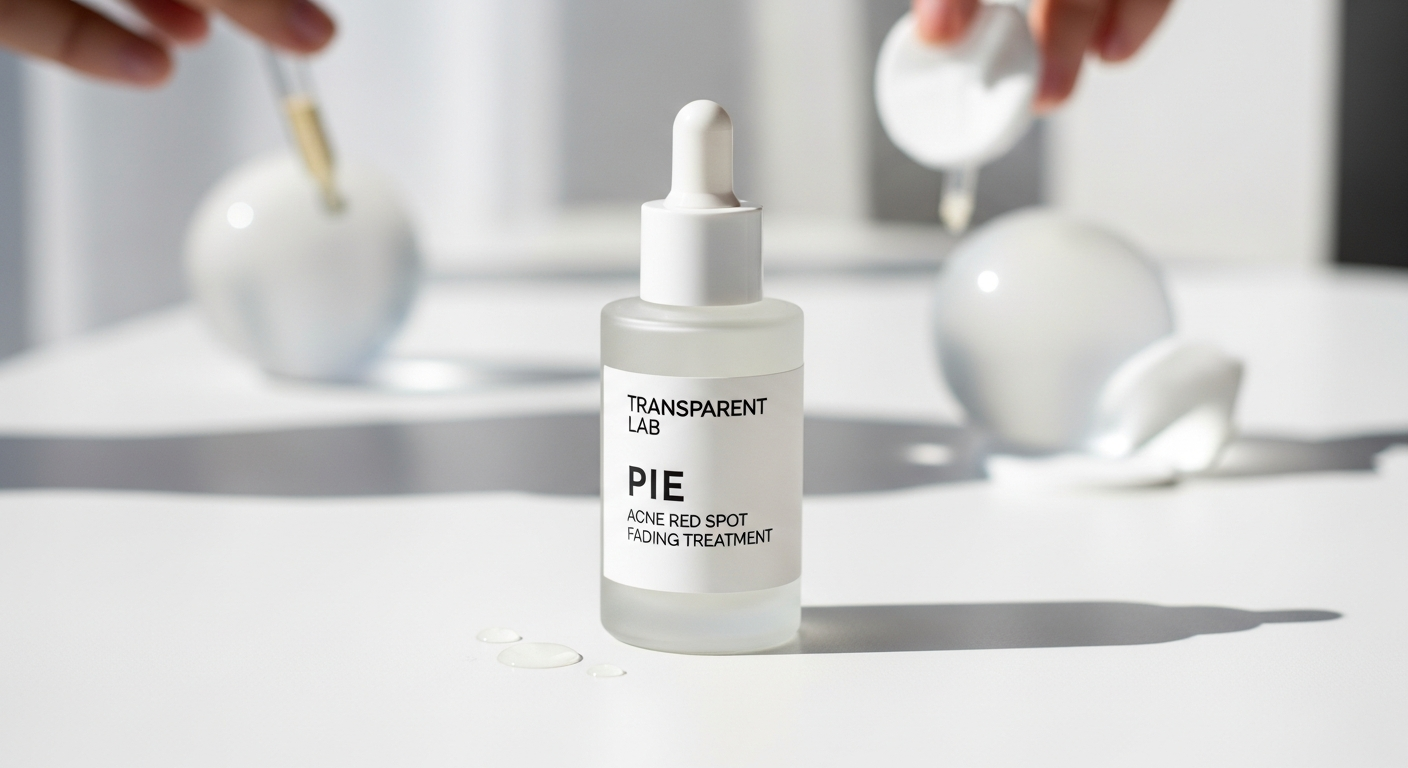
Red acne marks linger long after breakouts fade—and they're frustratingly stubborn. Post-inflammatory erythema (PIE) affects up to 80% of people recovering from acne, creating a disheartening situation where your skin finally clears, yet those persistent pink and red spots remain as unwanted reminders. The persistent nature of these marks often leaves people searching for solutions that actually work.
Understanding what causes these marks and why they're so resistant to fading is the first step toward addressing them effectively. PIE isn't simply a pigmentation issue that fades with time alone—it's a vascular response that requires targeted intervention. The good news is that the right treatment approach can make a meaningful difference in both the appearance and psychological impact of post-acne redness.
Understanding Post-Inflammatory Erythema and Why This Treatment Works
What PIE Actually Is and How It Differs From Other Acne Scars or Hyperpigmentation
Post-inflammatory erythema represents a specific type of post-acne concern that's often confused with other skin conditions. Unlike post-inflammatory hyperpigmentation (PIH), which involves darkening of the skin due to excess melanin production, PIE manifests as persistent red or pink spots caused by visible blood vessels and inflammation in the dermal layer. This distinction matters because it determines which treatments will actually resolve the issue. Hyperpigmentation often fades naturally over months or responds to pigment-targeting ingredients, while PIE requires a different approach entirely—one focused on reducing inflammation and supporting vascular recovery.
The Science Behind Why Red Marks Persist Months After Acne Clears
When acne forms and then resolves, the skin's inflammatory response doesn't immediately shut off. The blood vessels in the affected area remain dilated and visible, creating that characteristic red or pink appearance. This vascular inflammation can persist for months or even years because the skin barrier needs time to fully recover and the blood vessels need to normalize. The body's healing process involves remodeling the dermal tissue, which doesn't happen overnight. Environmental stressors, continued irritation, and lack of proper barrier support can extend this timeline significantly, which is why so many people find themselves dealing with stubborn red marks long after their acne has resolved.
How the Dual-Acid System (5% Glycolic Acid + 2% Salicylic Acid) Targets Inflammation at the Cellular Level
The Transparent Lab PIE treatment combines two complementary exfoliating acids that work synergistically to address inflammation from multiple angles. Glycolic Acid, an alpha-hydroxy acid (AHA), penetrates the skin's surface to promote cell renewal and reduce the appearance of uneven texture. Salicylic Acid, a beta-hydroxy acid (BHA), works within the pore to address deeper inflammation and prevent future breakouts. Together, this dual-acid system encourages the skin to shed damaged cells and accelerate the renewal process, effectively revealing fresher skin underneath. By promoting cellular turnover, these acids help reduce the visibility of red marks while simultaneously preventing new acne from forming—addressing both the symptom and the underlying cause of post-acne inflammation.
The Role of Niacinamide (3.5%-5.2%) in Reducing Redness and Strengthening the Skin Barrier
Niacinamide functions as a cornerstone ingredient in this formulation, serving multiple critical purposes simultaneously. This vitamin B3 derivative visibly reduces redness and inflammation while simultaneously strengthening the skin's natural barrier function. The barrier-supporting aspect is particularly important when using chemical exfoliants, as it prevents irritation and sensitivity from becoming problematic. Niacinamide also helps balance sebum production, reduce scarring, and support the skin's natural healing mechanisms. Its presence in a concentration of 3.5% to 5.2% ensures adequate efficacy without overwhelming the formula—a balance that allows the treatment to be both potent and tolerable for most skin types.
Why Ectoin's Soothing Properties Matter When Using Chemical Exfoliants
Ectoin represents an ingredient that directly counteracts the potential harshness of chemical exfoliation. This naturally-derived compound functions as a protective shield, defending skin cells from environmental stressors while simultaneously hydrating and soothing irritation. When using Glycolic and Salicylic Acid, some level of irritation or sensitivity is expected, particularly during the adjustment period. Ectoin's presence at 1% to 2.2% helps minimize this discomfort and supports the skin's natural healing response. Beyond its soothing properties, Ectoin strengthens cellular resilience, allowing the skin to tolerate the exfoliating acids more comfortably while still benefiting from their transformative effects.
How Ceramide NP and Punica Granatum Work Together to Support Skin Recovery
Ceramide NP functions as a lipid that comprises part of the skin's natural protective barrier. Its inclusion in this formulation directly addresses barrier damage that often accompanies both acne and chemical exfoliation. Ceramides help lock in moisture and prevent transepidermal water loss, creating an optimal environment for healing. Punica Granatum Seed Cell Culture Lysate brings antioxidant and anti-inflammatory properties to the formula, further supporting the skin's recovery process. Together, these ingredients ensure that while the exfoliating acids are actively promoting skin renewal, the barrier receives simultaneous support and protection—a balanced approach that allows for effective treatment without compromising skin health.
Step-by-Step Application Protocol for Optimal Results
Cleansing Preparation: Why a Gentle, pH-Balanced Cleanser Matters Beforehand
The foundation of successful treatment application begins with proper cleansing. Using a gentle, pH-balanced cleanser removes surface impurities, excess oil, and dead skin cells without disrupting the skin's natural pH. This preparation step is essential because it ensures that the treatment can penetrate evenly and effectively across the entire affected area. A compromised or irritated skin surface from harsh cleansing will experience more sensitivity when the exfoliating acids are applied. Invest in a cleanser that respects your skin barrier—typically a creamy or micellar formula that cleanses without stripping.
Skin Drying Time and Why Patience Prevents Irritation
After cleansing, allow your skin to dry completely before applying the treatment. Applying active ingredients to damp skin increases absorption and penetration depth, which can intensify irritation—particularly for those new to chemical exfoliants. Completely dry skin provides a controlled environment where the treatment works at an appropriate pace. This drying period typically requires 5-10 minutes of patience, depending on your skin and climate. This small step makes a measurable difference in your comfort level and safety when using this potent formulation.
The Recommended Amount to Dispense (Less Is More With Active Ingredients)
A common mistake with active treatments is using too much product in hopes of faster results. With the Transparent Lab PIE treatment, restraint is your ally. A pea-sized amount is generally sufficient for the entire face, or even less if you're targeting only specific areas of concentrated redness. The high concentration of active ingredients means that a little goes a long way. Using excessive amounts only increases irritation risk without improving results—it's about intelligent application rather than generous coverage.
Application Techniques: Dabbing Versus Rubbing and Why Distribution Method Affects Results
How you apply this treatment matters as much as how much you apply. Rather than rubbing the product across your face, gently dab it onto affected areas using your fingertips or a clean applicator. This dabbing motion ensures even distribution without creating micro-abrasions from friction. Rubbing motions can compromise the skin barrier and cause unnecessary irritation, particularly over areas already dealing with inflammation. Work methodically across each affected zone, ensuring the product makes contact with all problematic red marks. This gentle approach respects your skin while ensuring comprehensive treatment coverage.
Optimal Frequency: Starting With 2-3 Times Weekly and Building Tolerance
Begin using this treatment 2-3 times per week, then gradually increase frequency as your skin builds tolerance. This conservative approach prevents overwhelming your skin barrier and allows you to identify any sensitivity issues before they become problematic. After 2-3 weeks of consistent use at this frequency, many people can move to 4-5 times weekly if desired. Some individuals may find that 2-3 times weekly is their optimal frequency—and that's completely appropriate. Listen to your skin's feedback rather than following a preset schedule. If you experience persistent irritation, scaling, or sensitivity, reduce frequency rather than pushing through discomfort.
How Long to Leave the Treatment on Before Rinsing (Contact Time Recommendations)
Contact time refers to how long the treatment remains on your skin before rinsing. For the Transparent Lab PIE treatment, beginners should start with 10-15 minutes of contact time, then gradually extend to 20-30 minutes as tolerance builds. Some users eventually work up to leaving it on overnight, though this requires significant acclimation and isn't necessary for results. Initially, setting a timer prevents guesswork and ensures you're not leaving the product on excessively. Longer contact time doesn't necessarily equal better results—consistency and gradual progression matter far more than pushing contact time to extremes.
Post-Application Rinsing and Why This Step Shouldn't Be Skipped
After your designated contact time expires, rinse the treatment off thoroughly with lukewarm water. This rinsing step halts the exfoliating action and prevents prolonged irritation. Follow rinsing with a hydrating toner or essence, then apply your regular moisturizer while your skin is still slightly damp. This sequence helps lock in hydration and further support your barrier recovery. Never skip the rinse step in hopes of intensifying results—it's a critical component of the protocol that prevents damage rather than reducing efficacy.
The Critical Sun Protection Strategy You Can't Skip
Why UV Exposure Becomes a Serious Concern When Using Glycolic and Salicylic Acid
Chemical exfoliants like Glycolic and Salicylic Acid temporarily thin the skin's protective outer layer and increase cellular turnover, which creates a window of heightened UV sensitivity. During this vulnerable period, unprotected sun exposure can cause increased inflammation, hyperpigmentation, and even photosensitivity reactions. The skin treated with these acids requires more robust UV protection than your baseline—this isn't optional or exaggerated, it's essential. Without proper sun protection, you risk undoing your progress or creating new pigmentation problems while attempting to fade existing ones.
Minimum SPF Recommendations During and After Treatment
While SPF 30 is considered adequate for daily protection, use SPF 50+ while actively using the Transparent Lab PIE treatment and for several months afterward. This higher protection level accounts for the increased vulnerability created by exfoliating acids. Broad-spectrum SPF 50+ provides sufficient protection against both UVA and UVB rays, which is crucial since both contribute to skin damage and hyperpigmentation. Consider this a non-negotiable aspect of your treatment protocol rather than an optional enhancement.
Broad-Spectrum Protection and What That Actually Means for Your Skin
Broad-spectrum sunscreen protects against both UVA rays (which cause aging and penetrate deeply) and UVB rays (which cause sunburn and surface damage). When using chemical exfoliants, you need both types of protection because your skin is vulnerable across multiple damage pathways. Check your sunscreen label to confirm it explicitly states "broad-spectrum"—this designation ensures comprehensive protection. Narrow-spectrum products leave gaps in protection that could compromise your acne mark fading results.
Daily Sunscreen Application Timing and Reapplication Schedules
Apply sunscreen every morning as part of your regular skincare routine, and reapply every two hours if you're spending time outdoors. Many people underestimate sun protection by applying insufficient amounts—use about a quarter-teaspoon for your face (roughly the size of a pea when dispensed). If you're wearing makeup, apply sunscreen before makeup application, allowing it to set for a few minutes first. Reapplication is particularly critical if you're exercising, swimming, or sweating, as these activities compromise sunscreen efficacy. Consistent sun protection is perhaps the single most important variable in achieving and maintaining results from this treatment.
Physical Versus Chemical Sunscreen Considerations With Active Treatments
Physical sunscreens (containing zinc oxide or titanium dioxide) sit on the skin's surface and deflect UV rays, making them gentle and immediately effective. Chemical sunscreens penetrate slightly and convert UV rays into heat. Both work effectively with the Transparent Lab PIE treatment, though some people find physical sunscreens gentler during the adjustment period. If you have sensitive skin or experience irritation, start with a physical sunscreen, then experiment with chemical options if desired. The most important factor is using sunscreen consistently—the specific type matters less than reliability and adherence.
How Sun Sensitivity Evolves Throughout Your Treatment Journey
Your sun sensitivity will likely be elevated during the first 4-8 weeks of treatment use, then gradually normalize as your skin acclimates and barrier strengthens. Even as sensitivity decreases, maintain SPF 50+ protection throughout your treatment phase and for at least several months afterward. Some people continue with elevated protection indefinitely, which is a conservative but reasonable approach. Monitor your skin's response to sun exposure and adjust protection levels based on how your skin reacts, rather than making assumptions about when you can reduce protection.
Real Results: Timeline and Realistic Expectations
When You Can Expect to See Visible Fading of Red Spots (Typically 4-8 Weeks)
Most users report noticing meaningful improvement in red mark visibility between 4-8 weeks of consistent use. This timeline reflects the skin's natural cell turnover cycle and the time required for vascular inflammation to normalize. Some people see results sooner, while others require the full 8-week period or longer depending on the severity of their PIE and individual skin characteristics. Expecting dramatic overnight transformation sets you up for disappointment—the Transparent Lab treatment works through consistent, gradual improvement rather than sudden reversal.
Progressive Improvements in Skin Texture and Tone Evening
Beyond red mark fading, users typically report improvements in overall skin texture and tone evening. The exfoliating acids promote smoother skin surface, while the supporting ingredients strengthen barrier function and reduce concurrent inflammation. These texture and tone improvements often become visible before the red marks themselves completely fade, providing encouraging early signs of progress. By week 6-8, the cumulative effect of consistent exfoliation and barrier support becomes increasingly apparent.
How Consistent Use Compounds Results Over Months
The Transparent Lab PIE treatment delivers progressive results that compound over months of consistent use. Week 4 might show modest improvement, week 8 more substantial fading, and by month 4-6, many users report dramatic transformation of their post-acne appearance. This extended timeline might feel slow, but it reflects genuine skin remodeling rather than temporary surface effects. Consistency matters far more than intensity—using this treatment regularly at moderate frequency produces superior results compared to sporadic intensive use.
Factors That Influence Individual Timelines (Skin Type, Severity of PIE, Genetics)
Your specific timeline depends on multiple variables beyond the product itself. Severe PIE takes longer to fade than mild cases, simply due to the extent of vascular damage requiring repair. Genetics influence how quickly your skin turns over and heals—some people naturally remodel tissue faster than others. Skin type affects tolerance and application frequency, which indirectly impacts results timeline. Oily skin types often tolerate higher frequency than sensitive or dry skin, potentially seeing results slightly faster. Rather than comparing your timeline to others' progress, track your own improvement and adjust expectations based on your individual circumstances.
Measuring Progress Beyond What You See in the Mirror
Consider tracking progress through photos taken in consistent lighting rather than relying solely on mirror assessment. Mirror lighting fluctuates throughout the day, creating perception inconsistency that makes genuine progress difficult to gauge. Photographs taken weekly or bi-weekly in natural light provide objective documentation of improvement that often exceeds what you notice subjectively. Many users are surprised to see clear progress in photos when they feel they've made minimal improvement based on daily mirror checks. This photographic approach reduces discouragement during the middle phases of treatment when progress feels slow.
Maintenance Versus Intensive Treatment Phases
The Transparent Lab PIE treatment can be used in two distinct phases: intensive (more frequent application during the first 8-12 weeks) and maintenance (reduced frequency once significant improvement occurs). During intensive phases, use 4-5 times weekly to maximize results. Once red marks have substantially faded, reduce to 2-3 times weekly for maintenance. This flexible approach prevents over-treating once you've achieved your goals while still supporting ongoing skin health and preventing regression. Many users maintain this treatment indefinitely at lower frequency because it continues supporting skin quality and prevents new marks from becoming persistent.
Your Path Forward With Targeted Acne Mark Treatment
The Transparent Lab PIE Acne Red Spot Fading Treatment isn't a miracle worker that erases marks overnight—but it's a scientifically-formulated solution that genuinely delivers results when used strategically. By understanding how its dual-acid system, Niacinamide, and barrier-supporting ingredients work together, you can harness this treatment's full potential without the frustration of trial-and-error approaches. The key lies in respecting the adjustment period, committing to daily sun protection, and integrating this product thoughtfully into your existing routine.
Start conservatively with 2-3 applications weekly, allowing your skin to build tolerance gradually. Listen to your skin's feedback at each phase—mild tingling is expected, but persistent irritation signals the need to reduce frequency. Patience during the first 4-8 weeks pays dividends as your skin barrier strengthens and red marks begin noticeably fading. This isn't a race toward results; it's a deliberate, science-backed approach to addressing one of acne's most frustrating lingering effects.
Your post-acne skin deserves a treatment backed by both science and user testimonials. The combination of proven exfoliating acids, barrier-strengthening ingredients, and soothing compounds in this formulation addresses PIE comprehensively while respecting your skin's need for protection and support. By committing to consistent use, rigorous sun protection, and realistic expectations about timeline, you're setting yourself up for genuine, visible improvement.

Leave a Reply