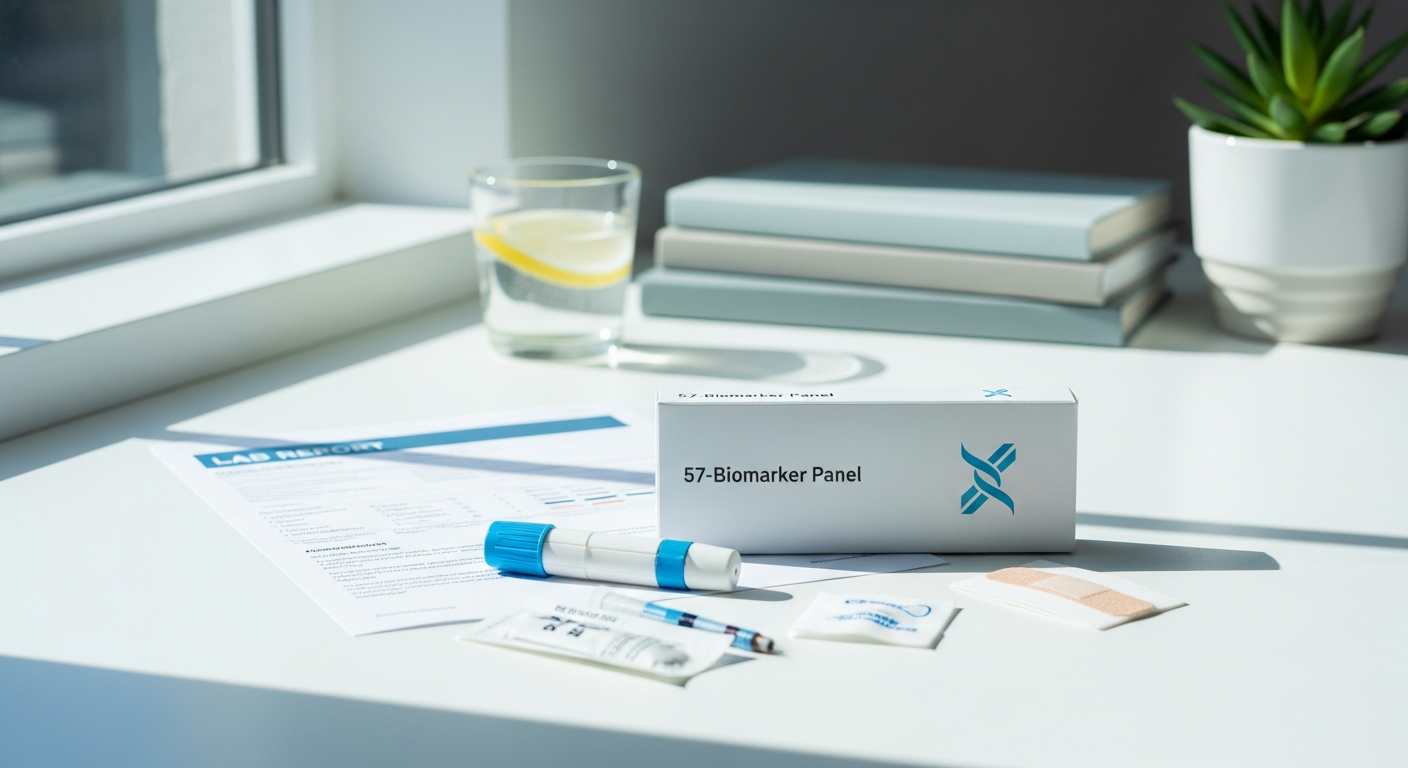
Your health data matters. Yet in the UK’s traditional healthcare system, understanding your complete health picture often means navigating lengthy GP waiting lists, fighting for referrals, and enduring months-long delays for results. One Day Tests changed that equation entirely. For years, their Ultimate Performance Blood Test functioned as a gold standard in private health screening—a comprehensive solution that thousands of people relied on annually to take control of their health without institutional gatekeeping.
The service operated until July 2026, but its impact on how people approach health monitoring remains significant. This wasn’t simply another blood test; it was a complete body systems health check delivered with remarkable speed and accessibility. The test measured 57 distinct biomarkers across 12 different health categories, providing insights into everything from thyroid function and hormone levels to organ health, nutritional status, and cardiovascular risk factors. What genuinely set this service apart was how it delivered results—within 24 hours, through convenient home finger-prick kits or professional clinic appointments nationwide, without requiring a single GP referral.
The closure of One Day Tests left a tangible gap in the private testing landscape. Understanding what made this test exceptional, how it worked, what it measured, and why it became the bestseller it was provides essential context for anyone now seeking similar comprehensive health screening options.
Discover what comprehensive blood testing can reveal about your health today.
The 57-Biomarker Panel Explained – What Your Ultimate Performance Test Actually Measured
The Ultimate Performance Test wasn’t designed to examine one narrow aspect of health. Instead, it functioned as a systematic examination of your body’s major operational systems, capturing data points that revealed how well each system functioned.
Micronutrients and Vitamin Status
The test measured essential micronutrient levels—iron, ferritin, B vitamins, folate, and vitamin D—providing clarity on nutritional deficiencies that often went undetected in standard healthcare. These markers matter enormously because deficiencies in these nutrients directly impact energy levels, cognitive function, immune response, and bone health.
Thyroid and Endocrine Function
Thyroid assessment included TSH, free T3, and free T4 measurements alongside thyroid antibodies. This comprehensive approach revealed not just whether your thyroid was functioning adequately, but whether autoimmune thyroid conditions might be developing. Additional hormone profiling covered testosterone, estrogen, progesterone, and cortisol—hormones that regulate metabolism, mood, reproductive health, and stress response.
Organ Function Assessment
Liver function tests included ALT, AST, bilirubin, and albumin measurements, while kidney function assessment examined creatinine, eGFR, and urea levels. These markers indicated whether your organs were processing waste efficiently and maintaining proper biochemical balance. Any abnormalities here pointed toward potential metabolic dysfunction or organ stress requiring investigation.
Cardiovascular and Blood Health
The full lipid panel measured cholesterol fractions and triglycerides—key cardiovascular risk indicators. Blood disorder screening involved a complete blood count examining red cells, white cells, and platelets. These measurements together painted a picture of your cardiovascular disease risk and blood cell health.
Metabolic and Inflammatory Markers
Glucose, insulin, and HbA1c levels revealed your metabolic health and diabetes risk. Inflammation markers indicated whether your body was experiencing chronic immune activation. Stress biomarkers—particularly cortisol patterns—showed how your nervous system was functioning under daily strain.
Fertility and Reproductive Assessment
Fertility-focused biomarkers provided insights for anyone considering conception or investigating reproductive health concerns. This wasn’t simply hormone measurement; it was a fertility-specific screening that helped people understand their reproductive status.
Home Testing vs. Clinic Appointments – Flexibility That Suited Every Lifestyle
One Day Tests understood that not everyone wants to visit a clinic. The service offered two distinct collection methods, each with genuine advantages.
The Home Collection Experience
Finger-prick home kits arrived with everything needed for self-collection: lancets, collection cards, and pre-paid return postage. This approach eliminated travel time, avoided clinic waiting rooms, and provided complete privacy. Busy professionals, shift workers, and parents managing multiple responsibilities could collect their sample at a moment convenient to them, then simply post it back to the laboratory. The simplicity of the process—a small finger prick, a few drops of blood, sealed collection cards—made it accessible to people who might otherwise avoid blood testing due to needle anxiety or logistical barriers.
Professional Clinic Venipuncture
For those preferring professional collection, One Day Tests maintained nationwide clinic locations where trained phlebotomists performed traditional venipuncture. This method produced slightly larger blood volumes, enabling slightly more extensive testing. The clinic experience itself was reportedly professional and efficient—booking was straightforward, waiting times were minimal, and the overall user experience reflected One Day Tests’ reputation for quality service delivery.
Speed of Results and Laboratory Quality
Regardless of collection method, results arrived within 24 hours from the state-of-the-art laboratory. This speed represented a genuine competitive advantage. Traditional NHS testing could take weeks; private clinics often quoted 5-10 working days. One Day Tests’ next-day turnaround meant you knew your health status quickly, enabling rapid response to any concerning findings. The laboratory maintained rigorous quality assurance protocols, meaning results were genuinely reliable—not just fast, but accurate.
Pricing Breakdown – Understanding the £190 Investment and Membership Value
The cost structure reflected One Day Tests’ positioning as premium yet accessible private healthcare.
Standard Test Pricing
The Ultimate Performance Test carried a standard price of £190, though regular discounting brought this down to £180 for many purchasers. For a 57-biomarker panel with next-day results and zero GP referral requirements, this represented reasonable value compared to comprehensive private testing elsewhere. To contextualize: a similar comprehensive panel through competing providers often cost £200-£300, making One Day Tests’ pricing genuinely competitive.
The Performance Plan Membership Advantage
The Performance Plan membership offered a compelling alternative for anyone planning regular health monitoring. At £29 monthly (or £349 annually), the membership included two complimentary Ultimate Performance tests yearly. This alone provided significant savings—two tests annually through membership cost £348/year, versus £360 if purchased individually. Beyond test discounts, membership included free clinic appointments and GP consultation access, effectively providing health advisory services alongside testing.
Cost-Benefit Mathematics
For someone testing once annually, the standard test at £180-£190 made sense. For anyone testing twice yearly or more—athletes, health-conscious professionals, people managing chronic conditions—the membership delivered genuine financial advantage while providing additional consultation benefits. The annual membership worked out to approximately £145 per test when accounting for the two included tests, versus £180+ for standalone purchases.
Why Customers Chose This Test – The Bestseller Advantage
The Ultimate Performance Test’s bestseller status didn’t happen by accident. Multiple factors converged to make it the UK’s most popular private comprehensive blood screen.
Speed and Comprehensiveness Combined
No competing service matched the combination of 57 biomarkers, next-day results, and complete accessibility. Traditional healthcare demanded patience—weeks for appointments, weeks more for results. One Day Tests eliminated this friction. You could book a test today, collect your sample tomorrow, and receive comprehensive results by the next business day.
Direct Access Without Gatekeeping
GP referrals represent genuine barriers for many people. Whether due to appointment scarcity, dismissive healthcare providers, or simply wanting to self-advocate, thousands preferred direct access to health testing. One Day Tests provided exactly this—no referral, no explanation required, just straightforward access to health data.
User Experience Excellence
Customer feedback consistently highlighted One Day Tests’ streamlined booking process, professional service, and quick response times. The company understood that private healthcare attracts people who value efficiency and respect for their time. The entire experience—from booking through results delivery—reflected this understanding.
Trust Among Health-Conscious Communities
Athletes, fitness enthusiasts, and biohackers particularly favored One Day Tests. These communities value data-driven optimization, and they trusted One Day Tests’ reputation for accuracy and professional laboratory standards. Word-of-mouth recommendations from these influential groups amplified the service’s appeal.
Limitations and Drawbacks – The Honest Assessment
No service is without flaws. One Day Tests’ limitations deserve acknowledgment.
The Permanent Barrier: Company Closure
The fundamental limitation is categorical: the company no longer operates. Following its closure in July 2026, thousands of loyal customers lost their preferred testing provider. This wasn’t a minor inconvenience; it was a genuine disruption for people accustomed to reliable, accessible comprehensive testing.
Price Point Barriers
While competitive, £180-£190 still excluded cost-conscious consumers, particularly those managing tight health budgets. Additionally, the company offered no financial assistance programs or sliding-scale pricing for lower-income users—making comprehensive testing fundamentally unavailable for some.
Dashboard Results Versus AI Analysis
Some competing services now offer AI-powered analysis and detailed interpretive reports. One Day Tests provided results through their dashboard but without the sophisticated algorithmic analysis that some alternative providers have developed. For users seeking highly detailed interpretation rather than raw biomarker data, this represented a relative limitation.
Absence of Integrated Health Coaching
Results alone don’t constitute complete healthcare. One Day Tests didn’t provide personalized health coaching, follow-up consultations with practitioners, or ongoing monitoring systems. You received data; interpreting that data and acting on it fell entirely to you. Some competitors now integrate GP consultations or health coaching into their service offerings.
Finding Alternatives – What to Consider Post-One Day Tests
The closure of One Day Tests created genuine demand for comparable alternatives. Several providers now operate in the UK market, though none perfectly replicate the original service.
Comparable Comprehensive Testing Providers
Multiple private blood testing services now offer similarly comprehensive biomarker panels covering the same 12 health categories. Research these alternatives based on their specific biomarker selection—some emphasize different markers, so direct comparison requires examining each provider’s actual panel contents.
Results Turnaround and Delivery
Seek providers offering results within 1-3 days. While One Day Tests’ next-day standard may not be universally matched, anything beyond 5-7 business days represents a backward step in terms of speed. Verify whether results arrive through online dashboards, directly to your email, or require clinic collection.
Testing Flexibility
Prioritize providers offering both home finger-prick kits and clinic-based venipuncture. This flexibility matters because different circumstances demand different collection methods. Confirm that pre-paid return postage is included with home kits—hidden shipping costs erode value.
Laboratory Standards and Accreditation
Verify that whichever provider you choose uses CLIA or UKAS-accredited laboratories. Laboratory accreditation directly impacts result reliability. One Day Tests maintained state-of-the-art standards; ensure successor providers do likewise.
Cost and Membership Structure
Compare pricing across both one-off tests and any membership programs offered. Calculate your expected testing frequency, then determine whether membership becomes cost-effective for your situation. Factor in any additional benefits—consultations, follow-up testing, ongoing health advisory services.
User Interface and Customer Service
Read recent customer reviews specifically examining booking experience, results delivery clarity, and customer service responsiveness. One Day Tests built its reputation partly through excellent user experience; prioritize successors maintaining similar standards.
Moving Forward With Your Health Data
The Ultimate Performance Blood Test represented something rare in UK healthcare: truly accessible, comprehensive health screening that respected people’s time and intelligence. Its 57-biomarker panel, delivered with next-day results through convenient testing options and at genuinely competitive pricing, set a standard that elevated expectations across the entire private testing sector.
The July 2026 closure left a real void. Thousands of people who’d grown accustomed to understanding their complete health picture without waiting lists or bureaucratic gatekeeping suddenly found their preferred option gone. Yet this void also reflects something important: the demand for accessible, comprehensive health screening has become normalized. People now expect to be able to test for complete health insights rapidly and conveniently.
While One Day Tests no longer operates, the principles that made it successful remain valid. Speed matters—waiting weeks for results diminishes utility. Comprehensiveness matters—single-marker testing misses the interconnected systems that constitute health. Accessibility matters—testing should fit your life, not force you to reorganize schedules around healthcare systems. No gatekeeping matters—you should be able to access your own health data directly.
As you navigate alternatives, use these principles as your evaluation framework. The successor provider doesn’t need to replicate One Day Tests exactly; the market has evolved. But it should deliver comparable speed, genuinely comprehensive biomarker coverage, flexible testing options, and transparent, reliable results. The technology and data exist; what matters is finding a provider who respects your time, values your agency in healthcare, and delivers the insights you need to maintain control over your health.
Leave a Reply