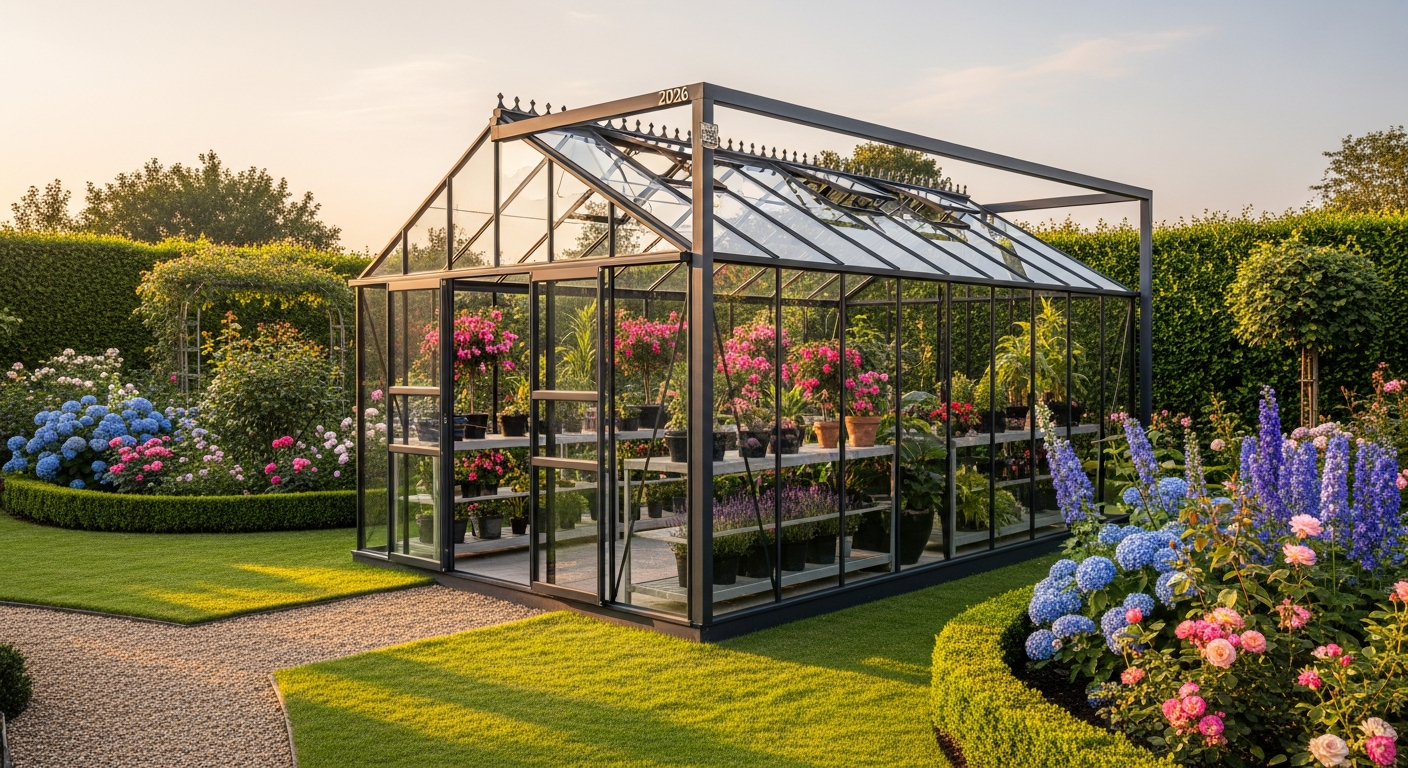
UK gardeners spent over £2.3 billion on garden structures in 2025 alone—and Bloomcabin’s Premium Aluminium Greenhouses captured a significant slice of that market. These weren’t just functional boxes; they were architectural statements that transformed backyards into controlled growing environments. Bloomcabin built its reputation on premium materials, meticulous engineering, and genuine customization, featuring powder-coated frames, 4mm tempered safety glass rated for 65 mph winds, and 90% natural daylight transmission.
However, Bloomcabin UK closed its doors on July 22, 2026, leaving customers in limbo. The company’s sudden closure marked a dramatic reversal for a brand that had earned loyal followers across the country. What had distinguished Bloomcabin from competitors was the marriage of exceptional product design with apparent operational competence—a combination that proved fragile when internal systems began to fracture.
This article examines what made these greenhouses legendary, why they resonated so deeply with UK gardeners, and the operational collapse that ultimately tarnished the brand’s legacy.
Discover what made Bloomcabin’s greenhouses the choice for serious gardeners
The Engineering Behind Bloomcabin’s Aluminium Frame Design
Bloomcabin’s structural foundation relied on powder-coated aluminium construction that delivered both corrosion resistance and visual flexibility. The powder-coating process created a protective barrier against the elements while being available in multiple RAL colours, allowing gardeners to choose finishes that complemented their home exteriors and garden aesthetics.
The engineering specifications reflected genuine consideration for UK weather patterns. A wind-load rating of 65 mph meant these structures could withstand the battering coastal gales and autumn storms that UK gardeners routinely encountered. Snow load capacity of 48 psf addressed the weight concerns of winter precipitation across northern regions. These weren’t arbitrary numbers; they represented calculated responses to real environmental pressures.
Aluminium’s strength-to-weight ratio proved crucial to the design philosophy. Unlike heavier steel alternatives, the material provided robust structural integrity without demanding extensive foundation work. This characteristic reduced installation complexity and foundation stress, making Bloomcabin greenhouses accessible to gardens with varying ground conditions.
Thermal efficiency considerations shaped the frame design as well. Aluminium’s conductive properties, when properly engineered with minimal thermal bridging, helped preserve heat within the greenhouse environment better than many steel competitors. This translated to extended growing seasons and reduced heating requirements during cooler months—practical advantages that resonated with gardeners seeking year-round productivity.
Glass Technology That Changed Everything for Plant Growth
The 4mm tempered safety glass used throughout Bloomcabin’s range represented a significant materials upgrade from standard glazing. Tempered glass achieves its strength through controlled heating and rapid cooling, creating internal stress patterns that distribute impact force across the entire pane. The result: glass up to seven times stronger than standard alternatives. When breakage did occur, the glass fractured into blunt, relatively harmless fragments rather than the dangerous shards characteristic of annealed glass—a critical safety feature in enclosed gardening spaces.
Light transmission performance directly influenced plant health outcomes. At 90% natural daylight penetration, Bloomcabin’s glazing allowed maximal photosynthetic activity without the light loss inherent in lower-quality glass. This specification wasn’t marketing hyperbole; it had measurable consequences for seedling vigor, flowering performance, and overall crop productivity.
The self-cleaning glass option represented a thoughtful response to maintenance reality. A hydrophobic coating caused water to bead and roll away, carrying dirt particles in the process. For busy gardeners juggling multiple responsibilities, this innovation reduced the frequency of manual cleaning while maintaining the optical clarity essential for plant growth.
UV-protective glazing variants addressed the needs of heat-sensitive plants and delicate seedlings. By controlling the light spectrum reaching the greenhouse interior, these options prevented light-induced damage to sensitive species while optimizing the wavelengths most beneficial for growth. Gardeners could effectively customize their light environment, a depth of flexibility unavailable from standard greenhouse manufacturers.
Explore premium greenhouse options that match Bloomcabin’s engineering excellence
Customization Options That Made Each Greenhouse Unique
Size flexibility distinguished Bloomcabin’s approach from competitors offering standardized dimensions. The range from 4 to 20 square meters accommodated genuine diversity in gardening circumstances—from modest urban balconies through sprawling country estates. This spectrum meant that budget and space constraints no longer dictated settling for undersized structures.
Design choices went beyond a simple choice between freestanding and lean-to models. Configuration options adapted to existing garden layouts, architectural styles, and practical preferences. A lean-to configuration maximized heat retention by utilizing an existing wall, while freestanding models provided flexibility in garden placement and orientation relative to sun exposure patterns.
Colour personalization through RAL colour matching allowed greenhouses to function as intentional garden focal points rather than utilitarian eyesores. Gardeners selected finishes that either harmonized subtly with surroundings or made bold aesthetic statements. This elevation of greenhouse design transformed the structures from necessities into design choices aligned with broader garden vision.
Glazing combinations represented the technical pinnacle of Bloomcabin’s customization philosophy. Rather than committing an entire greenhouse to one glazing type, gardeners could specify mixed panels—perhaps self-cleaning glass on north-facing roof sections while UV-protective glazing protected south-facing benches. This level of granular control reflected genuine understanding of how different greenhouse zones served different horticultural purposes.
Why Gardeners Chose Bloomcabin Over Competitors
Aesthetic appeal operated as a primary differentiator. Bloomcabin’s modern design elevated greenhouses from purely functional structures to garden focal points worthy of architectural consideration. Contemporary line weights, refined proportions, and material quality signalled that these structures belonged in thoughtfully designed gardens.
The low-maintenance reality resonated powerfully with time-constrained gardeners. Powder-coated aluminium eliminated the repainting cycles and rust concerns that plagued older steel structures and even some aluminium competitors. Owners could invest their effort in plants rather than structural maintenance, a distinction with genuine quality-of-life implications.
Year-round growing capability emerged as a transformative advantage. Superior insulation properties combined with exceptional light transmission created environments where productive seasons extended beyond traditional boundaries. Gardeners in northern regions could nurture heat-loving plants through winters that would otherwise prove prohibitive, fundamentally expanding what their gardens could produce.
Competitors offered standardized solutions; Bloomcabin offered dialogue. The customization depth meant that each greenhouse represented a negotiated conversation between gardener needs and manufacturing capability. This consultative approach built stronger customer relationships and resulted in structures that felt less like purchased commodities and more like realized visions.
The Operational Collapse: What Went Wrong in 2026
The first warning signs appeared in lead time extensions. Orders promising 8-12 week delivery began stretching toward 6+ months. Without transparent communication explaining the delays, customers were left speculating about supply chain breakdowns, manufacturing issues, or capacity overextension. The ambiguity proved nearly as damaging as the delays themselves.
The non-delivery crisis escalated substantially as orders entered the latter half of 2026. Customers reported cancelled orders and refund delays lasting months. Payment had been collected, structures promised, but neither greenhouse nor reimbursement materialized. The company’s inventory appeared to evaporate without explanation.
Communication breakdown represented perhaps the most corrosive element of the collapse. The company ceased responding to customer inquiries, support tickets, and complaints. Customers attempting to determine the status of their orders or seek refunds encountered walls of silence. In an era where customer service communication tools were ubiquitous, the absence of response signalled either catastrophic organizational dysfunction or deliberate avoidance—neither scenario instilled confidence.
Financial deterioration culminated in the July 22, 2026 closure announcement. The news came with minimal advance notice to customers, many of whom were still waiting for ordered products or processing refunds. The abruptness suggested that company leadership had delayed disclosure until circumstances became untenable, leaving affected customers with insufficient time to pursue remedies or escalate concerns.
The Bloomcabin Story: Brilliance Followed by Breakdown
Bloomcabin Premium Aluminium Greenhouses represented everything right about British garden engineering: meticulous attention to material science, genuine customization options, and products genuinely built to endure decades. The structures themselves earned deserved reputations for durability, aesthetic refinement, and horticultural functionality. Early customers who received their purchases celebrated greenhouses that performed precisely as specified and promised.
Yet the 2026 closure serves as a cautionary narrative. A product can embody engineering excellence and design sophistication, but if the company delivering it crumbles under operational pressure, that brilliance becomes irrelevant to frustrated buyers. Exceptional product design cannot compensate for missing orders, non-existent customer service, or vanished refunds. Bloomcabin’s decline demonstrates that manufacturing quality and corporate reliability are not synonymous; one represents what the company builds, the other represents whether the company can be trusted.
If you’re shopping for a premium aluminium greenhouse today, use Bloomcabin’s rise and fall as your blueprint for due diligence. Demand transparency on delivery timelines and verify manufacturer stability. Prioritize companies with proven customer service track records and transparent communication practices. Read recent customer reviews, not just testimonials from the company’s early years. The greenhouse you choose should outlast the company that builds it—which means selecting builders with demonstrated staying power and operational competence.
Find reliable premium greenhouse alternatives with proven customer service standards
Leave a Reply