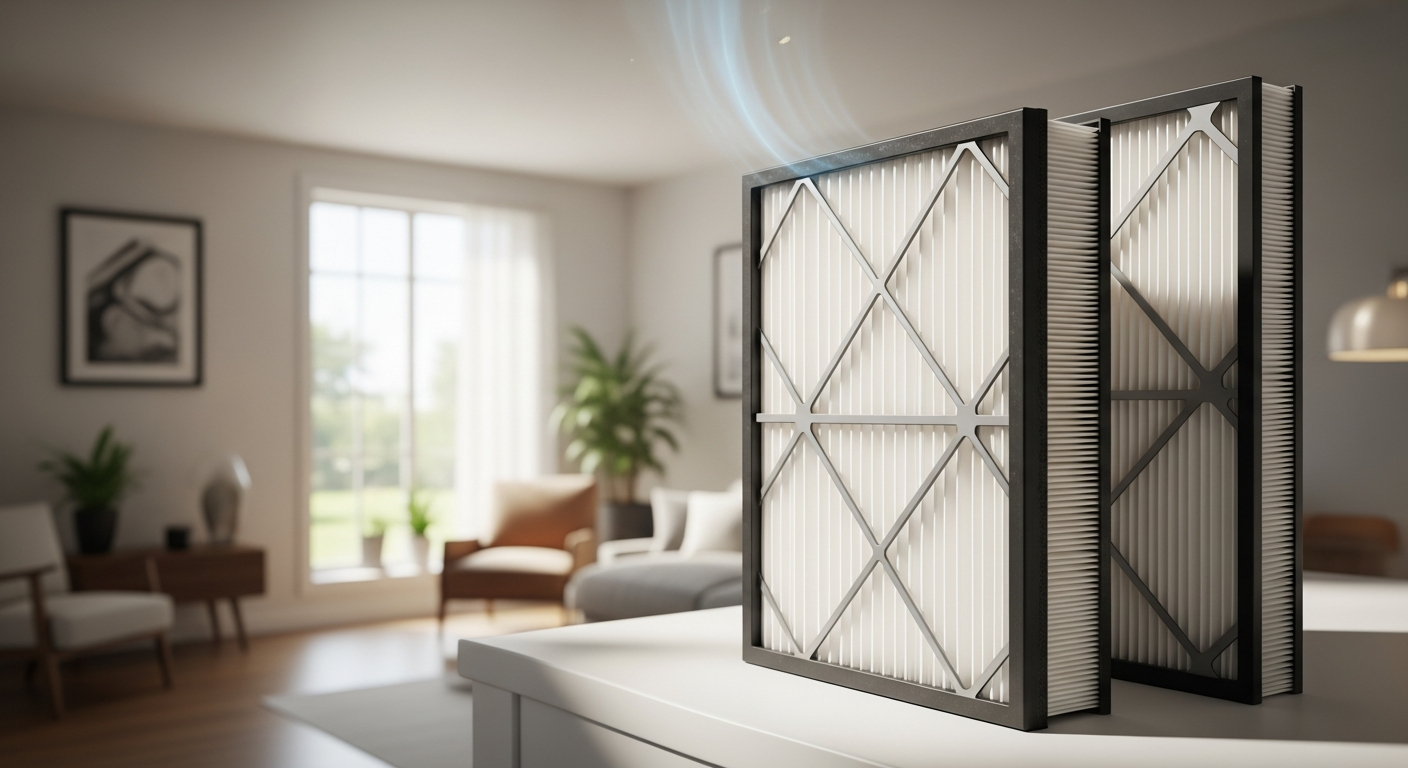
Nearly 40% of homeowners with older HVAC systems struggle to find air filters that actually fit their units. Standard sizes work great—until they don't. When stuck with uncommon dimensions or legacy furnaces, you're left hunting through endless listings, settling for inferior substitutes, or overpaying for specialty retailers.
Custom Filters Direct solves this by manufacturing air filters tailored to your exact specifications, whether that's unusual dimensions, commercial applications, or specific MERV ratings. Made in the USA with options from basic MERV 8 to hospital-grade MERV 13, they transform what could be a headache into a streamlined, affordable solution.
Discover custom-sized HVAC air filters that fit your system perfectly.
This guide walks you through everything about custom-sized HVAC air filters, including which MERV rating suits your situation, real-world benefits of perfect-fitting filters, subscription service advantages, and hidden savings opportunities. By the end, you'll understand why custom sizing is a smart investment in your system's longevity and home's air quality.
When Standard Filter Sizes Fail: The Custom Sizing Solution
Why older HVAC systems often require non-standard dimensions
Older furnaces and air handling units were manufactured to specifications that differ significantly from today's standardized dimensions. Built before industry-wide standardization became common, these systems used custom-built casings and frames that don't accommodate modern filter sizes. Legacy commercial HVAC setups present similar challenges, often featuring unique configurations designed for specific building layouts or specialized applications.
The performance penalty of forcing ill-fitting filters into your system
When a filter doesn't fit properly, air finds the path of least resistance—around the filter rather than through it. This bypass effect means unfiltered air reaches your ductwork, circulating dust, allergens, and contaminants throughout your home regardless of the filter's rated MERV level. Your system works harder to move air around the gaps, increasing energy consumption while delivering inferior air quality.
How bypass air leakage undermines your air quality efforts
Even the best MERV 13 filter becomes useless if air bypasses it entirely. Gaps between the filter frame and the furnace casing allow unfiltered particles to enter your system. You're essentially paying for premium filtration without receiving its benefits. This leakage is especially problematic for households with allergy sufferers or immunocompromised members who depend on high-quality air filtration.
Common HVAC unit types that benefit most from custom sizing
Vintage furnaces from the 1980s and 1990s rarely match modern filter dimensions. Commercial rooftop units, specialized industrial systems, and custom-built residential installations all benefit from made-to-order filters. Properties with non-rectangular air handlers or unusual ductwork configurations particularly struggle with standard sizes.
Real-world scenarios where custom filters become essential
A homeowner with a 1970s furnace might find that no standard filter seals properly in their system's frame. A small business with a specialized HVAC setup designed by a local contractor may have completely unique specifications. A multi-unit building retrofitted decades ago could have equipment that predates current filter standardization.
The efficiency loss that occurs when filters don't seal properly in the frame
Your HVAC system's blower motor compensates for filter bypass by working harder, consuming more electricity. Unsealed filters create air pressure imbalances that strain the entire system. Over months and years, this inefficiency accumulates into hundreds of dollars in wasted energy costs while your equipment ages faster due to the additional stress.
Decoding MERV Ratings for Your Specific Air Quality Needs
MERV 8 filters: Basic protection against dust, pollen, and household debris
MERV 8 represents the baseline for effective home air filtration. These filters capture dust, pollen, and larger household particles with reasonable efficiency. They're ideal for homes without specific air quality challenges, pets, or significant allergy concerns. MERV 8 filters place minimal strain on your HVAC system and offer the most affordable per-filter cost.
MERV 11 filters: Enhanced filtration for pet owners and allergy sufferers
MERV 11 filters capture finer particles including pet dander, mold spores, and dust mite debris. For households with pets or family members experiencing seasonal allergies, MERV 11 provides noticeably better air quality than MERV 8. These filters typically last three to six months before requiring replacement, balancing performance with reasonable maintenance frequency.
MERV 13 filters: Superior air quality for sensitive households and commercial spaces
MERV 13 represents premium residential filtration, capturing bacteria and some viruses alongside standard allergens. This rating suits homes with members who have asthma, severe allergies, or compromised immune systems. Commercial spaces, medical offices, and facilities requiring hospital-grade air quality benefit significantly from MERV 13 protection.
How MERV ratings affect HVAC system strain and energy consumption
Higher MERV ratings mean denser filter media that captures more particles but also restricts airflow slightly. Your blower motor works harder to push air through MERV 13 than MERV 8. However, a properly fitted custom filter minimizes this strain compared to a standard filter that's forcing air around gaps. The airflow penalty of higher MERV ratings is typically offset by the seal benefits of perfect-fitting custom filters.
Matching MERV levels to your specific health and comfort priorities
Your choice depends on household health factors, pets, and air quality concerns. Healthy households without pets or allergies thrive with MERV 8. Pet owners and allergy sufferers benefit from MERV 11. Immunocompromised individuals, severe asthmatics, or commercial spaces requiring clinical-grade air quality need MERV 13. Consider your specific situation rather than defaulting to the highest rating.
Seasonal considerations for changing MERV ratings
Some homeowners increase their MERV rating during high pollen seasons when outdoor allergens are elevated, then return to lower ratings during winter. This approach balances air quality needs with system efficiency throughout the year. High pollen spring and fall may warrant MERV 11 or 13, while winter and summer might function adequately with MERV 8.
Filter Materials That Match Your Filtration Goals
Pleated polyester and cotton paper: versatility and efficiency balance
Pleated filters offer excellent particle capture with reasonable airflow characteristics. The pleated design increases surface area significantly compared to flat media, extending filter lifespan while maintaining efficiency. Polyester and cotton paper materials provide durability and consistent performance across different humidity levels.
Fiberglass filters: budget-friendly entry point for basic filtration
Fiberglass represents the most economical filter option, ideal for applications where basic dust and particle removal suffices. These filters carry lower upfront costs but require more frequent replacement. Fiberglass works well for MERV 8 ratings in low-demand applications.
HEPA media: maximum particle capture for critical applications
HEPA filters capture 99.97% of particles as small as 0.3 microns, providing the highest filtration available. These specialized filters suit critical applications like medical facilities, immunocompromised household members, or severe allergic reactions. HEPA media is denser and more restrictive, requiring system compatibility verification.
Activated carbon options: odor and chemical vapor removal
Activated carbon layers trap odors, volatile organic compounds, and chemical vapors alongside particulate matter. Homes near busy roads, industrial areas, or those with chemical sensitivities benefit from activated carbon. This material adds cost but addresses air quality challenges beyond typical particulate filtration.
Comparing material performance against your indoor air challenges
Match your material choice to your specific needs. Household dust and pollen call for standard pleated filters. Pet odors and dander suggest activated carbon alongside higher MERV ratings. Immunocompromised household members justify HEPA investment. Chemical sensitivities warrant activated carbon selection.
How material choice impacts filter lifespan and replacement frequency
Fiberglass filters often require monthly replacement. Pleated polyester or cotton paper typically last two to three months. HEPA filters can extend beyond three months depending on air quality and usage patterns. Activated carbon lifespan depends on odor load and chemical exposure. Custom Filters Direct manufactures these materials to your specifications, ensuring optimal performance for your situation.
Order your custom filter materials tailored to your specific needs.
The Financial Case for Bulk Orders and Subscription Savings
How bulk purchasing unlocks up to 30% savings
Buying filters in quantities of 4, 6, or 12 units triggers substantial discounts. A $25 filter might cost $17.50 when ordered in bulk. For homeowners planning ahead or commercial properties managing multiple units, bulk purchasing dramatically reduces per-filter costs. Properties replacing filters quarterly or more frequently see significant annual savings.
Calculating your annual filter replacement costs
A household replacing MERV 11 filters every four months spends approximately $75-$100 annually on filters alone. Bulk purchasing reduces this to $50-$70 yearly. Commercial buildings with dozens of filter locations see hundreds in annual savings through bulk pricing. Custom Filters Direct's bulk discounts make premium MERV ratings financially accessible.
Subscription service benefits: automatic delivery without remembering reorder dates
Manual reordering means filters sometimes expire while sitting in storage or run out unexpectedly, forcing emergency purchases at full retail prices. Subscription delivery ensures fresh filters arrive automatically on your schedule. You set the frequency—monthly, quarterly, or custom intervals—and eliminate the admin burden of remembering replacement cycles.
Price transparency based on size, MERV rating, and material selection
Custom Filters Direct provides clear pricing based on your specific selections. A custom 20×25×5 MERV 11 pleated filter costs differently than a 16×20×1 MERV 8 fiberglass option. The company emphasizes affordable pricing without hidden fees, allowing you to understand exactly what you're paying for before ordering.
Cost per filter comparisons: custom vs. standard retail options
Standard retail filters range from $10-$40 depending on size and rating. Custom-sized alternatives cost competitively within this range while guaranteeing proper fit. When comparing prices, factor in the bypass air leakage cost of ill-fitting standard filters—often totaling hundreds annually in wasted energy and reduced air quality.
Hidden savings from reduced HVAC strain and extended system lifespan
A properly fitted filter reduces system strain, lowering energy consumption and extending equipment lifespan. HVAC systems operating with correct airflow wear more slowly. A furnace lasting 18 years instead of 15 saves thousands in replacement costs. These indirect savings often dwarf the filter cost difference between standard and custom options.
Perfect Fit, Perfect Performance: Benefits Beyond Air Quality
How proper filter sealing prevents bypass air leakage
Custom-sized filters seal completely within your system's frame, eliminating gaps where unfiltered air bypasses the media. This seal ensures that all air circulating through your system passes through the filter, delivering the full benefits of your chosen MERV rating. Perfect fit transforms air filtration from a compromised effort into a reliable barrier.
HVAC efficiency gains from optimized airflow
When filters seal properly, your blower motor operates at design specifications. Air moves through the filter as intended rather than around gaps. This optimized airflow reduces system strain, improves heating and cooling distribution, and lowers energy consumption. Efficiency gains typically manifest as measurable monthly electricity cost reductions.
Reduced system strain and extended equipment lifespan
Furnaces and air handlers designed for specific filter dimensions perform optimally with properly fitted filters. Reduced system strain means fewer components work harder than intended. Compressors, blowers, and motors age more slowly under normal operating conditions. An extended equipment lifespan postpones expensive replacement investments.
Measurable improvements in indoor air quality and allergen reduction
Homes switching from ill-fitting standard filters to custom-sized alternatives report noticeable air quality improvements within weeks. Dust accumulation on surfaces decreases. Allergy symptoms improve. Pet odors diminish. These measurable benefits validate the investment in custom sizing.
Energy bill reductions from improved system efficiency
Reduced system strain translates directly to lower energy consumption. Homes typically see 5-15% reductions in heating and cooling costs when switching from bypass-prone standard filters to sealed custom alternatives. Monthly savings accumulate into significant annual amounts, particularly in climate zones with high heating or cooling demands.
Quieter HVAC operation with properly fitted filters
Systems operating with excessive airflow restrictions produce noise from straining components. Properly fitted custom filters reduce this strain, creating quieter operation. Your furnace or air handler runs more smoothly, with reduced vibration and motor noise. Improved comfort extends beyond air quality to noise reduction.
Take Control of Your Indoor Air Quality
Finding the right air filter shouldn't require persistence. Custom-sized HVAC air filters from Custom Filters Direct eliminate guesswork, frustration, and compromise from forcing standard sizes into non-standard systems. Whether protecting your family from pet dander with MERV 11, safeguarding immunocompromised members with MERV 13, or maintaining baseline air quality with MERV 8, the perfect fit is within reach.
A properly fitted filter prevents bypass leakage that undermines air quality, reduces HVAC strain, and often pays for itself through improved efficiency and extended system lifespan. Add bulk savings up to 30% and subscription delivery peace of mind, and the case strengthens further. You're investing in your home's respiratory health and equipment longevity.
The path forward is straightforward: measure your system, select your MERV rating, choose your material, and let Custom Filters Direct handle manufacturing. Made in the USA with strong customer satisfaction, they've transformed an impossible search into a streamlined, affordable solution.
Start your journey toward cleaner air with Custom Filters Direct today.
Leave a Reply