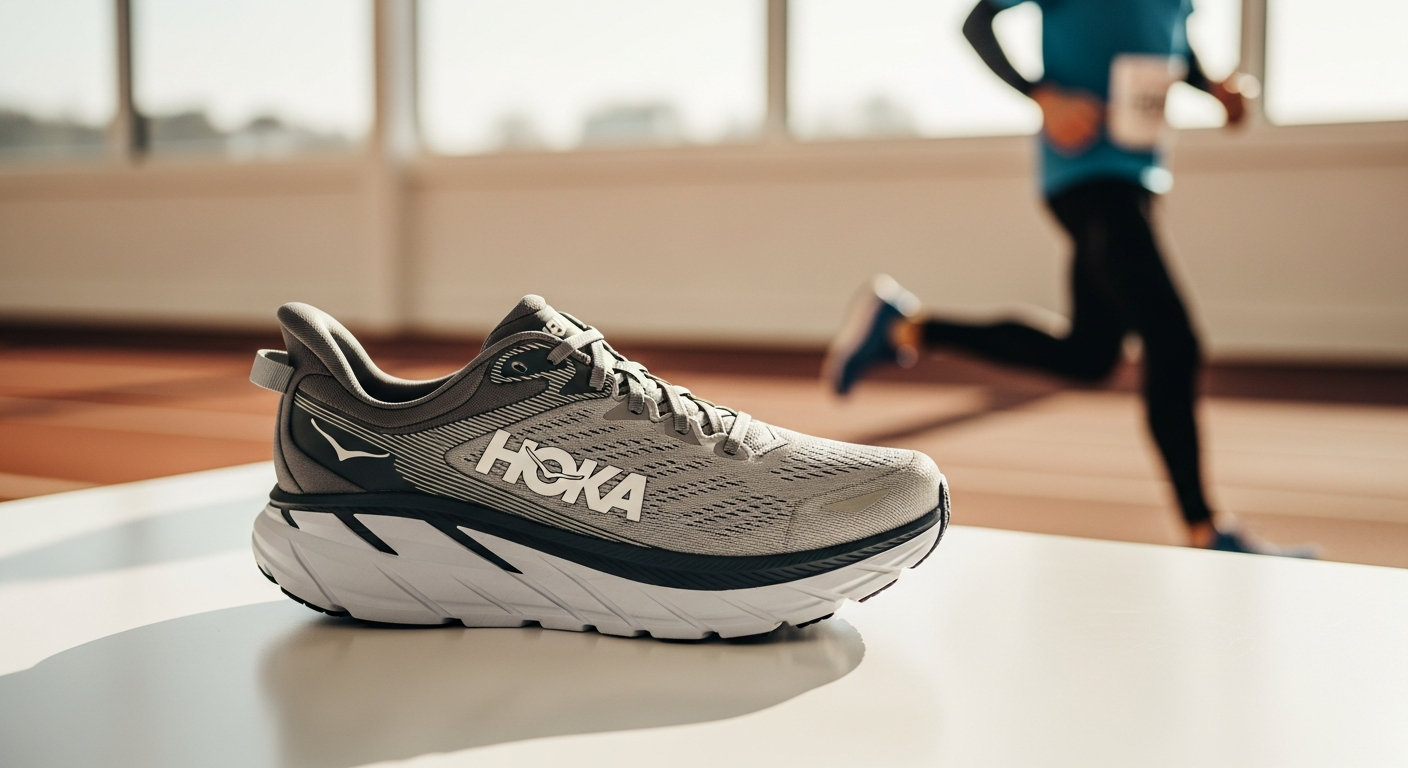
The Engineering Behind Maximum Cushioning for Distance Running
When marathon training pushes your body to the limit, the shoes beneath your feet become your first line of defense. The Hoka Clifton 10 has dominated run clubs globally in 2026, and this dominance stems from engineering that prioritizes what distance runners actually need: relentless impact absorption combined with forward propulsion. Over the span of a 20-mile training run, every stride compounds—which is why maximum cushioning isn't a luxury for marathoners, it's a necessity.
Hoka's proprietary foam composition represents a decade of refinement in the Clifton line. The Clifton 10 specifically incorporates modifications to foam density that work together to absorb shock before it reaches your joints. Unlike minimalist shoes that ask your body to adapt to the ground, maximum cushioning shoes like the Clifton 10 adapt to your body. The result: reduced pressure on ankles, knees, and hips during those crucial long-distance training sessions.
The elevated heel profile exceeding 42mm, paired with an increased 8mm drop (up from the previous 5mm), fundamentally changes how your foot strikes and propels forward. This isn't arbitrary design—the heightened stack creates a protective cocoon of foam between your foot and pavement while the geometry encourages a natural rolling motion through your gait. For marathon runners tackling varying terrain, this consistency matters tremendously.
Meta-Rocker™ Geometry and Efficient Forward Motion
The Meta-Rocker™ geometry represents Hoka's answer to fatigue-induced form breakdown. During miles 15-20 of a long training run, runners naturally lose their crisp mechanics. The curved midfoot design built into the Clifton 10 continues propelling you forward even when your legs are screaming. Rather than fighting against your tired muscles, the shoe's geometry works with your natural biomechanics, maintaining efficiency when efficiency matters most.
This technology particularly benefits marathon runners because it reduces the muscular effort required in the later stages of training. The shoe essentially carries you through fatigue, protecting not just from impact but from the compounding stress that comes with maintaining pace when exhausted.
Foam Density Modifications and Long-Distance Comfort
The relationship between foam composition and marathon performance extends beyond initial softness. Hoka modified the foam density in the Clifton 10 to maintain responsiveness across extended mileage. Marathon training involves running in various states—fresh legs on easy days, fatigued muscles on back-to-back long runs, and everything in between. The Clifton 10's foam performs consistently across these variables, ensuring that your protection doesn't diminish as mileage accumulates.
Explore the Hoka Clifton 10 at Atmosfera Sport ES today
Breaking In vs. Long-Term Performance: What to Expect
A critical detail separates casual shoe reviews from marathon training reality: the break-in period. The Clifton 10 arrives with initial foam stiffness that requires approximately 100-110 kilometers to fully soften and conform to your foot. This isn't a defect—it's the price of proprietary foam technology that demands activation through use.
During those initial runs, your feet will experience a firmer ride than the shoe ultimately delivers. Many runners make the mistake of abandoning shoes during this phase, assuming discomfort indicates a poor fit. In reality, the break-in period is when the foam begins its crucial transformation. Plan these early runs for shorter distances or easy-paced sessions where you can acclimate without pushing your mileage too aggressively.
Timeline for Optimal Comfort
The first 50 kilometers typically show the most dramatic changes. The foam begins softening noticeably, and you'll start recognizing the shoe's true character. By kilometer 75-100, the cushioning reaches its peak responsiveness—simultaneously plush and supportive, absorbing impact while propelling forward. This is when marathon runners truly understand why the Clifton 10 commands its reputation.
Real-World Durability Observations
Extended testing reveals foam creasing patterns after sustained use, a natural occurrence in high-density cushioning shoes. These creases don't indicate failure; they mark the foam adapting to your specific foot strike pattern. However, observing how the foam behaves over time provides insights into longevity expectations. Most marathon training cycles—typically requiring 500-800 miles of running—fall comfortably within the shoe's performance window before noticeable degradation occurs.
The outsole rubber, strategically placed rather than covering the entire sole, shows impressive durability across varied surfaces. Marathon training often involves both road work and occasional light off-road sections, and the Clifton 10 handles this versatility without premature wear patterns.
Extending Lifespan During Intense Training
Marathon training cycles are inherently demanding on shoes. Rotating between two pairs of the Clifton 10 during peak mileage weeks allows each pair recovery time between runs, extending overall lifespan. This strategy also provides backup footwear if one pair experiences unexpected issues. Additionally, using the Clifton 10 exclusively for running—not casual walking—preserves cushioning integrity for the runs that demand it most.
Stability and Fit Features That Matter for Long-Distance Training
Beyond cushioning, marathon shoes must deliver unwavering stability throughout extended mileage. The Clifton 10's midsole cradles the foot through a combination of foam density zones and strategic reinforcement placement, preventing excessive lateral movement during the fatigue-induced form breakdown that inevitably occurs during long training runs.
The Jacquard mesh upper features intentional reinforcements positioned where foot movement is most pronounced. Rather than distributing support equally, Hoka positioned strategic zones to address specific pressure points. This targeted approach means you get security where needed without unnecessary bulk or restriction.
Midsole Cradling and Movement Prevention
The midsole's design prevents your foot from rolling excessively inward or outward as fatigue compromises your proprioception. Marathon runners in peak training weeks experience cumulative fatigue that degrades natural stabilizing mechanisms. The shoe compensates for this degradation, maintaining structural support even as your muscles tire.
Fit Analysis for Diverse Runner Populations
Arch type and gait pattern vary significantly among marathon runners. The Clifton 10 accommodates neutral to slightly underpronated gaits effectively. Runners with severe overpronation may find better options in Hoka's stability-focused models, but most marathon runners fall within the Clifton 10's intended range. The fit is accommodating rather than restrictive, allowing your foot to function naturally within a supportive framework.
Proper Lacing Techniques for Marathon Distance
How you lace the Clifton 10 meaningfully impacts comfort during extended runs. The standard lacing provides solid support, but many experienced marathoners employ a heel lock technique for the upper laces to prevent heel slippage during fatigue-induced form changes. This simple adjustment eliminates a common source of blisters during 18-20 mile training runs.
Heel Counter and Blister Prevention
The heel counter design provides substantial structure without feeling restrictive. Combined with the elevated heel profile, this architecture prevents excessive heel movement inside the shoe—a primary cause of blister formation during marathon-distance efforts. During the crucial taper week before race day, your feet are already stressed; shoes that prevent additional friction become invaluable.
Versatility Across Training Surfaces and Conditions
Marathon training isn't confined to roads. Training routes often incorporate varied terrain, weather conditions, and pacing demands. The Clifton 10 transitions seamlessly between these variables, serving as a reliable single-shoe solution for most marathoners who prefer consistency in their primary training footwear.
The outsole rubber placement strategy prioritizes contact points while reducing overall weight. This approach maintains grip consistency without the bulk of fully rubberized soles. Marathon runners appreciate this balance because it preserves the lightweight feel necessary for tempo runs while delivering adequate traction for varied conditions.
Performance Across Road and Light Off-Road Terrain
On asphalt and packed roads, the Clifton 10 excels. The cushioning and responsiveness make road running feel efficient and enjoyable. Light off-road sections—packed dirt trails, gravel paths—present no challenge for the strategically placed rubber. Marathon training routes naturally include variety, and the Clifton 10 accommodates this diversity without requiring mid-cycle shoe changes.
Traction in Wet Conditions
The outsole grip holds up admirably in wet conditions, though marathon runners shouldn't expect performance equivalent to trail-specific shoes. Early morning runs during humid seasons and rain occasionally accompanying fall marathon training cycles won't compromise traction significantly. The rubber compound maintains adequate grip for the controlled paces typical of training runs.
Suitability for Varied Run Types
The Clifton 10 performs equally well during easy recovery runs, structured tempo sessions, and long-distance efforts. This versatility means you can use the same shoe for nearly every training scenario within a 16-20 week marathon plan. Some runners maintain separate shoes for different purposes, but the Clifton 10's adaptability makes this unnecessary for most.
Investment Value: Is the $150 Price Point Worth It for Marathon Training?
At approximately $150, the Clifton 10 sits in the mid-to-high price range for running shoes. Understanding whether this investment makes sense requires analyzing durability, performance benefits, and injury prevention value across a complete marathon training cycle.
Premium cushioned shoes in the same category typically range from $140-170. The Clifton 10 positions itself competitively within this range while offering proprietary technology unavailable in cheaper alternatives. Bargain shoes might cost $80-100, but they rarely provide the cushioning consistency and durability necessary for serious marathon training.
Durability-to-Price Ratio Analysis
A marathon training cycle typically requires 500-800 miles of running over 16-20 weeks. The Clifton 10 reliably delivers performance across this full mileage range, translating to roughly $0.19-0.30 per mile—reasonable for the protection and responsiveness provided. More importantly, that cost doesn't capture the injury prevention value.
A single running injury during marathon training—shin splints, plantar fasciitis, IT band syndrome—often forces race withdrawal or significantly compromised performance. The medical costs and lost training time far exceed shoe investment. Maximum cushioning shoes directly reduce injury risk through impact absorption and stabilization, making the Clifton 10 insurance against costly setbacks.
Long-Term Savings Through Injury Prevention
Runners who switch from minimalist or less cushioned shoes to maximum cushioning options like the Clifton 10 frequently report elimination of chronic pain patterns. Even if the Clifton 10 prevents a single injury episode that would otherwise require physical therapy or forced training cessation, the shoe pays for itself many times over.
Shop the Hoka Clifton 10 at Atmosfera Sport ES and invest in your marathon success
Value for Different Runner Categories
Casual marathoners running one race yearly find excellent value in the Clifton 10—one pair easily covers a full training cycle with durability extending into the next training block. Competitive marathoners completing multiple cycles annually benefit even more from the consistency and injury prevention the shoe provides. The value proposition strengthens as commitment to marathon training deepens.
Real Runner Experiences: Marathon Training Success Stories
The #1 ranking at run clubs worldwide stems from tangible results experienced by thousands of marathoners. These aren't marketing claims but accumulated evidence from runners who've logged serious miles in the Clifton 10 during critical training phases.
Members of elite run clubs report significant improvements during peak training weeks. The consistent cushioning allows runners to complete challenging long runs—20, 22, 24 milers—with less physical stress than previous shoe models. More importantly, they arrive at race day feeling fresher because cumulative training fatigue manifests less severely in properly cushioned shoes.
Injury Prevention and Training Resilience
Runners transitioning to the Clifton 10 from neutral shoes frequently report elimination of chronic pain patterns. IT band tightness, knee soreness, and plantar fasciitis symptoms often diminish significantly within the first few weeks of consistent use. This injury prevention directly translates to more consistent training adherence—missing workouts due to pain prevents the proper preparation marathon success demands.
Peak Performance During Critical Training Blocks
The shoes deliver measurable performance during race-simulation workouts. Runners completing 20-miler training runs in the Clifton 10 report maintaining target paces through fatigue better than in alternative shoes. The forward propulsion from Meta-Rocker™ geometry continues working when muscles tire, allowing pace maintenance without additional muscular effort.
Transition Experience from Previous Clifton Models
Runners upgrading from Clifton 9 or earlier versions notice the increased drop and elevated heel profile immediately. The initial adjustment period lasts 2-3 runs, after which most appreciate the enhanced cushioning. Some experienced Clifton runners initially question whether the extra stack height benefits their running, but extended mileage clarifies that the modifications deliver genuine advantages for distance running.
The community consensus within run clubs validates that the Clifton 10's evolution represents genuine progress rather than incremental marketing. This consensus supports the shoe's top ranking and explains its sustained popularity despite numerous competitors.
Making Your Marathon Training Decision
The Hoka Clifton 10 earned its #1 status at run clubs worldwide for a reason—it delivers on the promise of maximum cushioning without sacrificing the responsiveness marathon runners need. The engineering is thoughtful. The performance is consistent. The durability, while requiring proper care during the break-in phase, holds up through serious training cycles. Yes, you'll spend around $150, and yes, you'll need to invest 100-110 kilometers to fully appreciate what the shoe offers. But when you're grinding through mile 18 of a 20-mile training run and your joints feel protected rather than pounded, that investment pays dividends.
If you're serious about marathon training—if you're logging the miles, following a structured plan, and treating your preparation with the respect it deserves—the Clifton 10 belongs on your feet. The choice becomes clear when you consider the alternative: reaching race day under-prepared because training injuries sidelined your preparation, or completing a marathon in shoes that don't adequately protect your body through 26.2 miles of cumulative impact.
Start with a proper fitting at your local running specialty retailer, commit to the break-in period, and trust the process. Your feet will thank you when it matters most.
Get your Hoka Clifton 10 running shoes from Atmosfera Sport ES
Leave a Reply