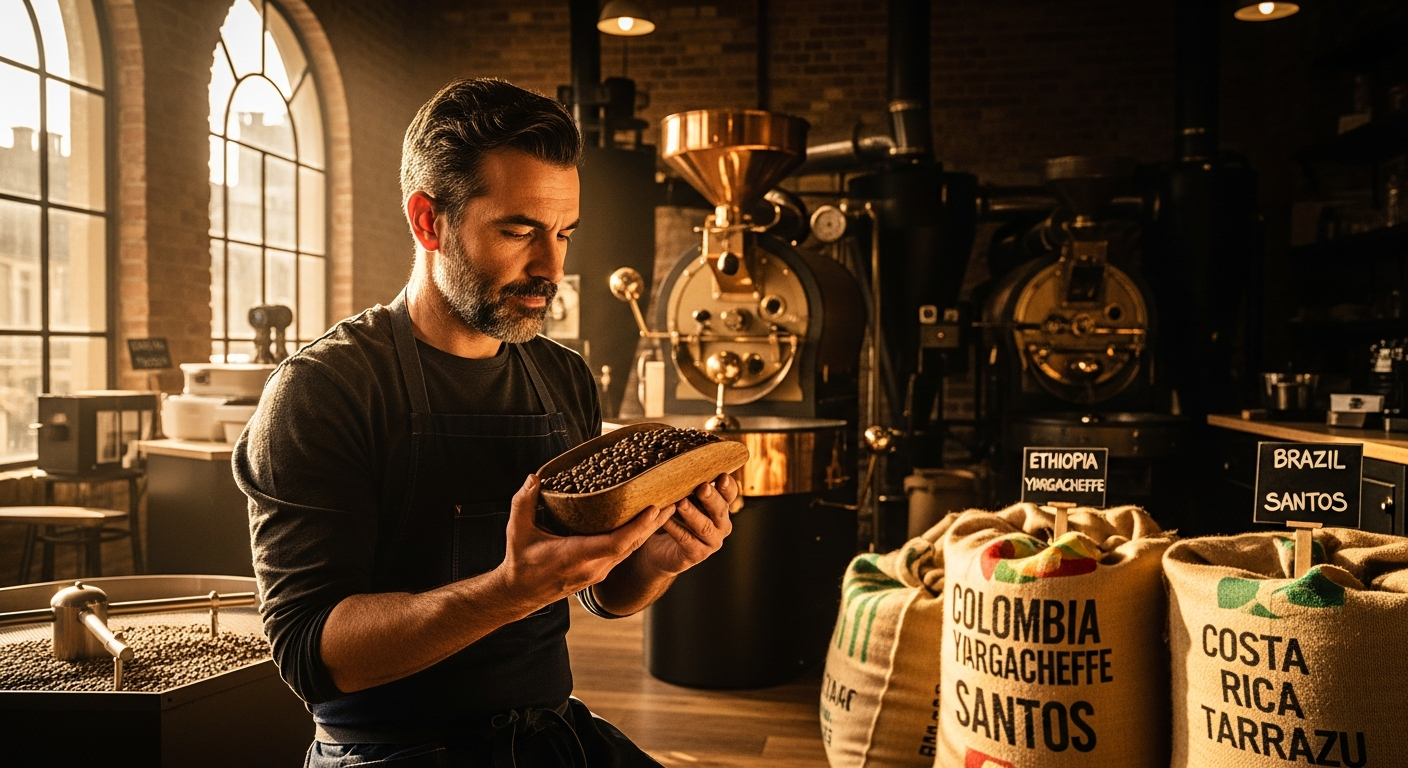
Specialty coffee consumption has grown 15% annually over the past decade, signaling a fundamental shift in how we approach our daily brew. We're no longer satisfied with generic blends gathering dust on supermarket shelves—consumers worldwide are seeking beans with traceable origins, distinct flavor profiles, and stories worth telling. This movement reflects something deeper than a passing trend: a genuine hunger for quality, authenticity, and connection to what we consume.
Caffè Alma IT, nestled in Italy's Euganean Hills, embodies this philosophy perfectly. This micro-roastery has earned its reputation by honoring a singular principle—that every coffee bean possesses its own distinct character, or soul, deserving preservation rather than masking. Their Caffè Monorigine Selezione Artigianale represents the essence of this commitment, functioning as both a product and a manifesto about how coffee should be sourced, roasted, and experienced.
Discover Caffè Alma IT's artisan single-origin selections and experience coffee transformed.
What Sets Single-Origin Coffee Apart from Commercial Blends
Traceability and Origin Transparency
Single-origin coffees come from specific plantations or regions, giving you complete knowledge of where your beans were grown and harvested. This transparency eliminates the mystery surrounding commodity coffee blends, which often combine beans from multiple origins and sometimes undisclosed sources. You know exactly what you're purchasing and why it matters.
Distinct Flavor Profiles
Each coffee-growing region produces unique tasting notes shaped by altitude, soil composition, climate conditions, and local farming practices. An Ethiopian Yirgacheffe tastes fundamentally different from a Colombian Geisha or a Kenyan AA—these differences aren't accidental variations but expressions of genuine terroir.
Terroir in Coffee
Similar to wine, coffee's characteristics are heavily influenced by its geographic origin and environmental conditions. The concept of terroir explains why the same coffee varietal grown at different altitudes or in different soil compositions yields measurably different flavor outcomes.
Varietal Differences
Different coffee plant varieties—Arabica and Robusta being the primary ones—and their sub-varieties grown in specific regions create measurable flavor variations. Certain cultivars naturally produce brighter acidity, while others develop deeper chocolate or nutty notes.
Harvest Timing Impact
The season and timing of harvest directly affect the coffee's acidity, sweetness, and overall complexity. Beans harvested during peak ripeness differ notably from those picked earlier or later in the season.
Processing Methods by Region
Different origins employ distinct processing techniques—washed, natural, and pulled natural methods—that dramatically alter the final cup profile. The same bean processed differently produces entirely different flavor outcomes.
Quality Control at Source
Single-origin producers typically maintain stricter quality standards at the plantation level compared to commodity coffee operations. This begins with bean selection and continues through every stage of processing and preparation.
The Artisan Roasting Philosophy Behind Caffè Monorigine Selezione Artigianale
Traditional Roasting Techniques
Caffè Alma IT employs time-honored methods that prioritize flavor development over speed and efficiency. These techniques honor the beans' inherent characteristics rather than forcing them into a predetermined profile.
Small-Batch Roasting Advantages
The micro-roastery model allows for precise control over temperature, airflow, and roasting duration for each bean origin. This level of attention simply cannot exist in industrial-scale operations where consistency demands standardization.
Preserving the Bean's Soul
The roasting approach focuses on enhancing natural characteristics rather than creating a one-size-fits-all profile. This philosophy—reflected in the brand name "Alma," meaning soul in Spanish—guides every decision made during the roasting process.
Avoiding Over-Roasting
Artisanal roasters deliberately stop before the point where bitterness develops, maintaining clarity and nuance in the final cup. This restraint distinguishes specialty roasting from commercial methods that often push beans beyond optimal development.
Origin-Specific Roast Profiles
Different single-origin coffees receive customized roasting curves tailored to their unique properties. A light African coffee requires a different approach than a denser Central American bean.
Freshness Through Local Roasting
Roasting in Italy near the point of consumption minimizes the time between roasting and customer delivery. This proximity to the consumer ensures maximum freshness and flavor retention.
Sensory Expertise
Artisan roasters rely on experience and palate training rather than purely automated systems to determine roast completion. This human expertise cannot be replicated by machines alone.
Sourcing Ethics and Sustainability in Specialty Coffee
Plantation Selection Criteria
Caffè Alma IT partners with top-tier plantations worldwide that meet rigorous quality and ethical standards. This selectivity begins long before beans arrive at the roastery.
Direct Relationships with Growers
Specialty roasters often establish direct trade relationships, ensuring fair compensation and transparent practices. This model eliminates middlemen and creates accountability throughout the supply chain.
Environmental Stewardship
Premium single-origin coffees typically come from farms practicing sustainable agriculture, shade-growing, and soil conservation. These practices protect both the environment and the long-term viability of coffee farming.
Fair Trade and Certification Considerations
Understanding certifications like Fair Trade, Rainforest Alliance, and direct trade models helps you recognize which practices impact farmer livelihoods. Each certification carries different standards and implications.
Water and Resource Management
Quality-focused plantations implement responsible water usage and waste management practices. Coffee farming requires significant water resources, making responsible stewardship essential.
Biodiversity Preservation
Many specialty coffee farms maintain diverse ecosystems rather than monoculture plantations. This approach protects wildlife and creates more resilient agricultural systems.
Carbon Footprint Awareness
The micro-roastery model reduces supply chain complexity and transportation distances compared to industrial operations. Local roasting in Italy decreases the overall carbon footprint of your coffee.
Flavor Profiles and Tasting Notes Across Different Origins
How to Identify Tasting Notes
Learning the vocabulary used to describe coffee—fruity, floral, chocolatey, nutty—and recognizing these characteristics in your own cup develops your palate significantly. This vocabulary becomes more meaningful once you actively taste for these notes.
Origin-Specific Characteristics
East African coffees often feature bright acidity and berry notes; Central American coffees tend toward chocolate and caramel; Asian coffees display earthy and full-bodied qualities. These generalizations provide starting points for understanding what to expect from different regions.
Seasonal Variation in Single-Origin Offerings
Caffè Alma IT rotates their single-origin selection based on harvest seasons, providing different flavor experiences throughout the year. This seasonal rhythm keeps the experience dynamic and prevents monotony.
Acidity Levels and Their Role
Understanding acidity's contribution to brightness and complexity rather than sourness fundamentally changes how you evaluate coffee. High acidity doesn't mean sour—it means vibrant and lively.
Body and Mouthfeel Differences
How origin and roasting affect whether a coffee feels light and delicate or full and heavy on the palate matters significantly for overall enjoyment. Some drinkers prefer delicate brightness; others crave heavy richness.
Aroma Complexity
Single-origin coffees typically display more layered aromatic profiles than blended coffees. The aroma often provides the first hint of the flavor complexity to follow.
Pairing with Brewing Methods
Certain origins shine through specific brewing techniques—pour-over, espresso, French press. Matching your coffee to your preferred brewing method optimizes the final result.
Whole Bean vs. Pre-Ground: Why Freshness Matters
Oxidation and Flavor Degradation
Ground coffee loses aromatic compounds and flavor complexity within minutes of grinding due to increased surface area exposure to oxygen. This rapid degradation explains why whole beans taste dramatically better.
Grinding at Home Advantages
Whole beans maintain peak freshness for weeks when stored properly, while pre-ground coffee deteriorates within days. This difference alone justifies home grinding for anyone serious about coffee quality.
Versatility for Different Brewing Methods
Whole beans allow you to adjust grind size to match your specific brewing equipment and technique. Pre-ground coffee locks you into a single brewing approach.
Storage Best Practices
Whole beans require cool, dark, airtight containers away from heat and light to maintain quality. Proper storage dramatically extends the freshness window.
Grinder Selection Impact
The type of grinder—burr versus blade—significantly affects extraction consistency and flavor clarity. A quality burr grinder becomes a crucial investment for whole bean coffee.
Freshness Indicators
Understanding roast dates, smell, and visual appearance helps you assess whether beans are at their peak. Fresh beans smell vibrant; stale beans smell flat and dull.
Cost-Benefit Analysis
While whole beans require an initial grinder investment, the flavor improvement and reduced waste justify the expense for serious coffee drinkers. The long-term value proposition strongly favors whole beans.
Investment Considerations: Price Point and Value Proposition
Specialty Coffee Pricing Structure
Single-origin artisan coffees typically range €15–€30 per 250g bag depending on origin rarity and quality tier. Understanding this price range helps contextualize the value proposition.
Comparing Cost Per Cup
Breaking down the actual expense when accounting for brewing efficiency and flavor intensity reveals that premium specialty coffee costs less per cup than many daily conveniences. A €20 bag yielding 15–20 excellent cups costs roughly €1 per cup.
Explore Caffè Alma IT's single-origin collection and find your preferred origins.
What Justifies Premium Pricing
Understanding the factors that contribute to higher costs—sourcing quality, small-batch roasting, sustainability practices, and direct trade relationships—clarifies why specialty coffee commands a premium.
Value for Different Coffee Drinker Profiles
Assessing whether the investment makes sense requires honest self-evaluation. Casual drinkers might not notice the difference; enthusiasts who appreciate nuanced flavors find exceptional value.
Subscription and Bulk Purchasing Options
Many specialty roasters offer discounts for regular orders or subscription models. These approaches reduce per-bag costs while ensuring consistent freshness.
Quality Consistency
Premium single-origin coffees deliver more consistent flavor from bag to bag compared to commodity alternatives. This reliability adds value beyond the immediate purchase.
Resale Value of the Experience
The knowledge, appreciation, and sensory experience gained from exploring different origins adds intangible value beyond the physical product. This personal enrichment extends far beyond the coffee itself.
Brewing Methods That Highlight Caffè Monorigine Selezione Artigianale's Characteristics
Pour-Over Brewing
Pour-over allows precise water temperature and contact time control, ideal for highlighting delicate flavor notes in lighter roasts. This method requires attention but rewards you with clarity.
French Press Technique
French press produces a full-bodied cup that showcases the coffee's inherent richness and complexity. The immersion method extracts oils and compounds that drip methods filter out.
Espresso Extraction
Espresso requires grind precision and technique but creates concentrated flavor intensity perfect for appreciating single-origin nuances. The compressed extraction reveals different characteristics than other methods.
AeroPress Method
AeroPress offers flexibility in brewing time and temperature, allowing experimentation to find the optimal extraction for each origin. Its versatility makes it ideal for exploring different single-origins.
Moka Pot Preparation
Moka pot represents a traditional Italian brewing method that pairs naturally with Caffè Alma IT's heritage and flavor philosophy. This approach connects you to coffee culture's Italian roots.
Cold Brew and Immersion Methods
Extended extraction time brings out different flavor compounds and creates smoother, less acidic profiles. Cold brewing reveals characteristics that hot brewing might obscure.
Water Quality Impact
Using filtered water at appropriate temperatures (195–205°F) ensures optimal extraction and flavor clarity. Water quality often gets overlooked but significantly impacts the final cup.
Building Your Single-Origin Coffee Rotation Strategy
Seasonal Origin Exploration
Planning your coffee purchases around harvest seasons allows you to experience the full spectrum of available single-origin options. This approach keeps your coffee experience dynamic throughout the year.
Tasting Notes Journal
Documenting your impressions of different origins helps develop your palate and identify personal preferences. Written records reveal patterns in what you genuinely enjoy.
Origin Pairing with Daily Routines
Matching lighter, brighter origins for morning cups and fuller-bodied coffees for afternoon brewing optimizes your experience throughout the day. Different times call for different flavor profiles.
Subscription Benefits
Regular deliveries of rotating single-origin selections expose you to new origins while ensuring freshness. Subscriptions remove decision fatigue while maintaining variety.
Building a Home Coffee Library
Maintaining 2–3 different single-origin coffees on hand allows for variety and comparison. This approach prevents monotony while staying manageable.
Community and Education
Connecting with other specialty coffee enthusiasts through online forums, local roasters, and tasting events enriches your knowledge and passion. Community amplifies the enjoyment considerably.
Budget-Friendly Approach
Starting with one premium single-origin coffee and gradually expanding your collection as your palate develops prevents overwhelming investment. This measured approach builds expertise sustainably.
Potential Drawbacks and Realistic Expectations
Learning Curve for Brewing
Achieving optimal extraction with specialty beans requires more attention to grind size, water temperature, and timing than convenience methods. This commitment isn't burdensome but does require intentionality.
Storage Requirements
Whole beans demand proper storage conditions; improper handling quickly diminishes the quality investment. Understanding storage becomes essential before purchasing premium beans.
Availability Variability
Single-origin offerings rotate seasonally, meaning your favorite coffee may not always be in stock. This variability encourages exploration rather than complacency.
Price Sensitivity
The premium cost compared to mass-produced alternatives may not align with every budget or coffee consumption level. Honest assessment of your financial priorities matters.
Brewing Equipment Investment
Achieving the best results typically requires quality grinders and brewing equipment, adding upfront costs. Budget for equipment alongside your coffee purchases.
Taste Preference Mismatch
Not every origin appeals to every palate; personal preference ultimately determines whether the premium is worthwhile. Some coffees simply won't resonate with your preferences.
Consistency Expectations
While artisanal roasters maintain high standards, natural variation between batches is inherent to small-batch production. This variation creates character rather than representing a flaw.
Your Next Cup Deserves Better Than Ordinary
Caffè Monorigine Selezione Artigianale represents far more than a premium coffee product—it's an invitation to fundamentally shift how you experience your daily brew. The journey from a carefully selected plantation in a specific region to your grinder to your cup tells a story of intention, expertise, and respect for the coffee plant's inherent qualities.
The honest truth? This category isn't for everyone. If convenience and cost are your primary drivers, commodity coffee will suffice adequately. But if you've ever wondered why coffee can taste wildly different depending on where it comes from, or if you appreciate the craftsmanship behind what you consume, then exploring Caffè Alma IT's single-origin selections opens an entirely new dimension of coffee appreciation.
The €15–€30 investment per bag becomes remarkably reasonable when you factor in the reduced waste from whole beans, the extended enjoyment from superior flavor, and the genuine connection to coffee's origins. Start small—select one single-origin coffee that intrigues you based on its origin story or tasting notes. Invest in a quality burr grinder if you haven't already. Experiment with your preferred brewing method. Track your impressions. Then, when you're ready, expand your rotation and continue exploring.
This is how coffee connoisseurship develops—not through expensive equipment or pretension, but through curiosity, intentionality, and a willingness to taste the difference that artisan roasting and ethical sourcing genuinely deliver.
Visit Caffè Alma IT today and begin your single-origin coffee journey.
Leave a Reply