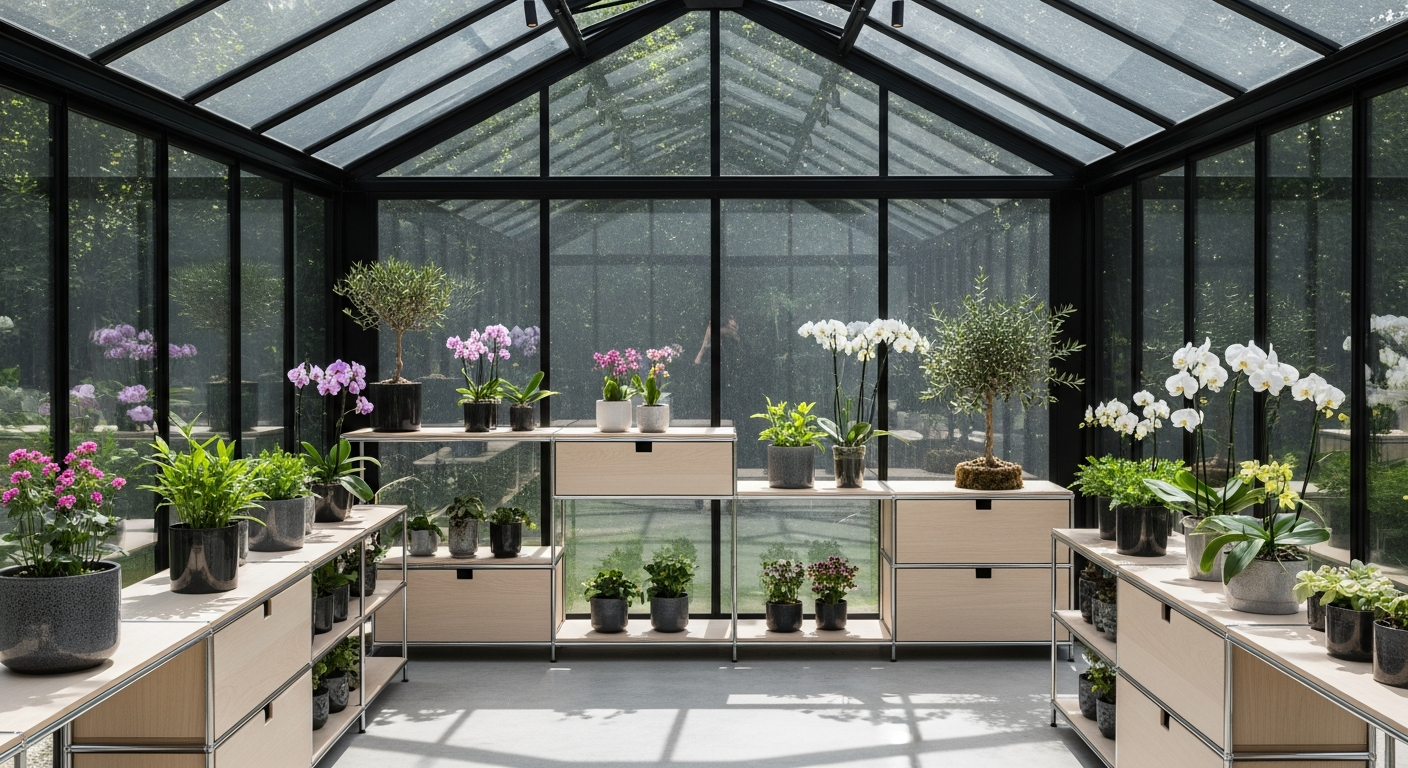
Imagine finally having a greenhouse that works exactly as you envisioned—not a compromise squeezed into your garden, but a genuine extension of your growing ambitions. Over 60% of greenhouse owners regret not personalizing their structures during the initial purchase phase, discovering too late that cookie-cutter designs simply don't deliver the results serious cultivators demand. The reality is stark: a one-size-fits-all greenhouse rarely aligns with both your practical requirements and the unique character of your property.
Luxvinduer, a Danish greenhouse manufacturer with deep roots in Nordic engineering, recognized this gap early on. Their Premium Aluminum Greenhouse collection breaks free from standardized offerings by providing extensive customization capabilities that transform what could be an ordinary garden structure into a personalized growing sanctuary. This approach has garnered attention from cultivators across Nordic regions who refuse to compromise between functionality and aesthetics.
Throughout this guide, I'll walk you through every customization option available—from glass specifications and frame configurations to door placements and ventilation accessories. You'll discover how to build a greenhouse that doesn't just survive harsh Nordic conditions, but thrives while complementing your property's unique character. By the end, you'll understand exactly which modifications matter most for your growing goals.
Explore Luxvinduer's customization options today and start building your ideal greenhouse.
Understanding Your Customization Canvas: Luxvinduer's Modular Design Philosophy
The Modular Foundation
Luxvinduer's approach centers on a modular aluminum frame system that allows flexible sizing from compact 6×4 models to expansive orangery-style structures. This isn't arbitrary modularity—it's engineered precision. Pre-engineered components ensure structural integrity while maintaining complete design flexibility, meaning you gain freedom without sacrificing durability.
The beauty of this system lies in its compatibility. Different glass types, door styles, and ventilation systems integrate seamlessly without compromising the overall structural performance. Factory-built customization ensures that modifications happen under controlled conditions where quality can be guaranteed, saving both time and frustration compared to field modifications that often introduce weak points.
Climate Resilience Through Design
The aluminum frame design specifically accommodates the demanding Nordic environment. Snow loads, wind resistance, and temperature fluctuations that would stress conventional structures are engineered into every customization option. Whether you're selecting a classic peaked roof or a contemporary flat design, the underlying frame maintains its ability to handle what winter throws at it.
Customization options cater to both classic and contemporary architectural aesthetics. This means your greenhouse won't look like an industrial afterthought—it becomes an intentional part of your landscape.
Glass Selection & Glazing Options That Transform Performance
Understanding Tempered Safety Glass
Tempered safety glass specifications matter far beyond mere safety certification. This material provides long-term durability and ensures your greenhouse maintains structural integrity across decades of temperature cycling. When glass fails prematurely, the entire growing environment destabilizes—so this choice impacts everything that follows.
Thermal Performance Across Configurations
Single, double, and triple-glazing configurations each deliver distinct thermal performance characteristics. Single glazing suits mild climates and cost-conscious builders. Double-glazing becomes the practical sweet spot for most Nordic gardeners, balancing heating efficiency with reasonable investment. Triple-glazing addresses extreme winter regions where every degree of insulation compounds into substantial heating savings.
The choice directly influences heating costs, humidity control, and plant growth cycles. Better insulation means more stable internal temperatures, which translates to extended growing seasons and healthier plants.
Light Control & UV Protection
Tinted and frosted glass options go beyond aesthetics. These customizations control light intensity for shade-sensitive plants, manage privacy concerns, and provide UV protection that extends the lifespan of interior components and prevents sun damage to sensitive specimens.
Polycarbonate alternatives offer specific advantages for certain applications. They're lighter than glass, provide superior impact resistance, and work well for budget-conscious builds or high-traffic areas where durability matters more than optical clarity.
Ventilation Efficiency Through Glazing
The specific glazing combination you select influences ventilation efficiency. Certain configurations naturally support better air circulation patterns, while others pair optimally with motorized vent systems.
Door & Window Configurations for Accessibility & Climate Control
Entry System Selection
Single versus double-door entry systems each present distinct advantages. A single door minimizes heat loss and suits smaller greenhouses where traffic remains light. Double doors accommodate easier movement for larger structures and support accessibility requirements for elderly gardeners or those with mobility considerations.
Sliding, hinged, and bi-fold door options exist for different garden layouts and traffic patterns. Sliding doors work well in tight spaces. Hinged doors provide traditional functionality. Bi-fold doors create maximum opening width with minimal swing space interference.
Window Strategy for Natural Ventilation
Strategic window placement directly impacts natural air circulation and temperature regulation. Positioning windows opposite each other creates cross-ventilation that reduces reliance on mechanical systems during favorable seasons. The height of windows influences which air layers circulate—upper windows vent hot air while lower windows admit fresh air.
Automation & Manual Control
Automated vent openers and manual window configurations serve different preferences and budgets. Motorized systems adjust based on internal temperature, maintaining optimal conditions even when you're away. Manual configurations offer simplicity and lower costs but require active management.
Emergency exit requirements vary by greenhouse size and intended use. Larger structures often require multiple exits. Compliance matters not just for safety but for insurance and resale purposes.
Ventilation & Airflow Customization for Optimal Growing Conditions
Roof Vent Configurations
Roof vents come in single, dual, and ridge-mounted configurations, each suited to different greenhouse dimensions and ventilation demands. A single vent works for compact models. Larger structures benefit from dual vents or ridge-mounted systems that provide comprehensive hot air escape during peak growing seasons.
Side Louver Systems
Side louvers manage temperature by admitting fresh air while preventing direct wind exposure. Their positioning and size customization determine how effectively they control humidity and temperature during transitional seasons when heating and cooling needs fluctuate.
Motorized Versus Manual Control
Motorized ventilation systems integrate with automation compatibility, enabling you to establish temperature parameters that the system maintains automatically. Manual ventilation requires attentiveness but offers lower costs and mechanical simplicity.
Air circulation fan placement and capacity customization depend on greenhouse volume and internal layout. Poorly positioned fans create dead zones. Strategic placement ensures even air distribution that prevents localized temperature variations and fungal growth.
Discover how to configure the perfect ventilation system for your custom Luxvinduer greenhouse.
Interior Layout Customization: Shelving, Benches & Growing Zones
Vertical Space Optimization
Aluminum shelving systems compatible with Luxvinduer frames maximize vertical space without compromising structural integrity. Modular bench configurations allow flexible growing zones for different plant types—vegetables requiring full light on lower shelves, delicate seedlings on elevated staging with filtered light.
Staging Heights & Pathways
Staging heights and depths should match your specific crops. Vegetable cultivation demands different bench heights than orchid collections or propagation operations. Pathway width customization accommodates comfortable movement and supports wheelchair accessibility if needed.
Climate Zones & Water Management
Partition options create separate climate zones within larger structures, allowing simultaneous cultivation of heat-loving and cool-season plants. Integrated water management systems and drainage solutions address the reality that water needs differ dramatically across your growing zones.
Aesthetic Integration: Matching Your Home's Architectural Style
Color Finishes & Material Customization
Standard silver aluminum works for many situations, but color finishes extend far beyond this default. Bronze, black, and custom anodized tones integrate seamlessly with various home exteriors. These choices matter because your greenhouse occupies prime visual real estate—making it complement rather than contrast with existing structures enhances overall property cohesion.
Roof Styles & Foundation Options
Roof styles (peaked, curved, flat) directly influence how the structure sits within your landscape. A peaked roof suits traditional homes and sheds heavy snow efficiently. Curved designs offer contemporary flair. Flat roofs work well for modern aesthetics and maximize internal headroom.
Foundation and base customization ensures seamless integration with existing garden hardscaping. A greenhouse that appears purposefully designed rather than randomly placed elevates the entire property's visual appeal.
Landscape Coordination & Property Value
Decorative trim and accent options elevate visual appeal without compromising function. These details signal thoughtful design rather than utilitarian afterthought. Landscaping coordination—how the greenhouse customization affects surrounding garden design—influences perceived value more substantially than most gardeners realize.
Climate-Specific Customization for Nordic Weather Resilience
Snow Load Capacity
Heavy winter precipitation demands reinforced frame options. Snow load customization isn't optional in Nordic regions—it's essential. Structures designed for standard loads fail catastrophically under exceptional winter conditions, leaving you without growing space when you need it most.
Wind Resistance Engineering
Wind resistance engineering extends beyond simply thickening aluminum. Frame angle adjustments, bracing patterns, and anchor point placement all contribute to structural stability in exposed locations. Coastal properties and exposed hilltops require different engineering than sheltered valley sites.
Thermal Management for Extremes
Thermal mass integration options and insulation accessories address extreme temperature fluctuations. Some gardeners install thermal storage—water tanks or stone—to moderate temperature swings. Others focus on superior glazing and ventilation control.
Drainage & Foundation Specs
Gutter and drainage system customization handles Nordic rainfall patterns and snowmelt management. Frozen drainage systems create internal moisture problems. Foundation depth and anchoring specifications appropriate for permafrost-prone regions prevent heaving and structural damage.
Seasonal accessory compatibility ensures your customized greenhouse accepts storm panels, shade cloths, and protective coverings that extend functionality across seasons.
Navigating the Customization Process & Managing Expectations
Initial Consultation & Documentation
The customization journey begins with accurate measurement and clear communication. Initial consultation establishes your greenhouse dimensions, intended uses, and design priorities. Measurement requirements demand precision—errors compound through every subsequent decision.
Design visualization tools help translate your vision into actionable specifications. Communicating with Luxvinduer's team requires clarity about what matters most to you. Are you optimizing for plant performance, visual integration, or maximum flexibility?
Lead Times & Delivery Realities
Lead times for custom builds differ substantially from standard models. Custom structures require factory scheduling, component sourcing, and careful assembly. Documented customer concerns regarding communication responsiveness and order tracking reveal a critical gap: Luxvinduer's product quality doesn't always match their customer communication consistency.
Specification sheets and documentation should be crystal clear before manufacturing begins. Request detailed written confirmation of every customization choice. Modification flexibility post-order exists but introduces complications and delays.
Cost Implications of Popular Customization Choices
Investment Strategy
Base model pricing represents just the starting point. Premium glass, ventilation systems, and accessory additions accumulate quickly. High-impact customizations that deliver maximum value—superior glazing, efficient ventilation, quality doors—deserve investment. Luxury upgrades provide marginal benefit relative to cost.
Value Optimization
Financing options and discount programs for bundled customization packages can make ambitious designs more accessible. The free delivery advantage offsets customization investment when you account for standard shipping costs.
Long-term cost savings through energy-efficient glass and ventilation configurations compound across seasons. A greenhouse that heats economically costs substantially less to operate across its lifespan than a poorly insulated alternative.
Warranty coverage varies across different customization combinations. Understanding what's covered for your specific choices prevents surprises during the inevitable maintenance needs.
Real-World Customization Examples: From Concept to Growing Reality
Urban Vertical Optimization
A compact urban greenhouse with vertical shelving and automated ventilation serves apartment dwellers with limited space. Custom shelving configurations transform a 6×4 footprint into surprisingly productive growing area. Automated ventilation handles temperature control without constant attention.
Dual Climate Family Greenhouse
A large-scale family greenhouse with dual climate zones accommodates diverse plant collections. Partition customization separates heat-loving peppers from cool-season greens. Different ventilation zones maintain optimal conditions for each microclimate.
Aesthetic Integration Success
An aesthetic-focused orangery-style structure seamlessly integrated into contemporary home design demonstrates how customization transcends pure function. Color finishes, roof style, and foundation design created a structure that enhances rather than disrupts the property's visual narrative.
Cold-Hardy Nordic Build
A cold-hardy build with reinforced frame and triple-glazing addresses extreme winters. This customization prioritizes thermal performance and structural resilience, enabling year-round cultivation in unforgiving climates.
Accessibility-Centered Design
An accessibility-centered design featuring wide pathways and ergonomic bench heights enables comfortable gardening for users with mobility limitations. This customization prioritizes functionality for specific user needs rather than generic design assumptions.
Before-and-after transformations reveal that customization impact extends far beyond functionality into visual appeal and practical usability. Properties transform when the greenhouse shifts from afterthought to intentional design element.
Maintenance & Longevity of Customized Greenhouse Systems
Material Durability Across Choices
Material durability across customization choices—aluminum, glass, and hardware longevity—depends partly on specific components selected. Premium aluminum, tempered glass, and quality hardware outlast budget alternatives substantially.
Maintenance requirements specific to your customization selections vary considerably. Motorized ventilation systems require periodic checks. Specialized glass demands careful cleaning protocols. Maintenance routines should match your customization choices to preserve both structural integrity and aesthetic appeal.
Seasonal Care & Component Availability
Seasonal upkeep routines shift with climate and use patterns. Northern winter requires different attention than summer growing season. Replacement part availability for customized components determines whether future modifications remain feasible or require complete component replacement.
Warranty claims and customization interaction matter during inevitable maintenance needs. Understanding how your specific customizations affect coverage and support prevents unexpected expenses. Lifespan expectations for different customization combinations under Nordic weather conditions range from 20-40 years depending on maintenance quality and component choices.
Making Your Final Customization Decision: A Strategic Checklist
Priority Assessment Framework
Priority assessment determines which customizations directly impact your growing goals. Confusing "nice to have" features with "essential" choices leads to budget misallocation. A ventilation system upgrade may deliver more functional benefit than an aesthetic color finish.
Budget allocation frameworks help distribute investment strategically across essential versus aspirational upgrades. Establish your total budget, then allocate percentages to critical areas before entertaining luxury additions.
Climate & Space Considerations
Climate zone evaluation requires matching customization to your specific regional weather patterns. Coastal areas prioritize wind resistance. Heavy snow regions demand load capacity. Mild climates allow different optimization strategies.
Space constraints demand maximizing functionality within available footprint. Vertical shelving, strategic pathways, and zone partitioning transform perceived limitations into design opportunities.
Long-Term Vision
Aesthetic alignment with existing property features and long-term design vision prevents creating something that feels disconnected from your home. Future-proofing considerations—building flexibility for expanded growing ambitions—ensure your initial customization supports growth without requiring complete replacement.
Building Your Perfect Growing Space: The Customization Advantage
The Luxvinduer Premium Aluminum Greenhouse transcends typical greenhouse functionality through its remarkable customization capabilities. Whether you're optimizing for Nordic climate resilience, creating distinct growing zones, or seamlessly integrating a structure that enhances your home's visual appeal, the modular design philosophy empowers you to build exactly what you envision.
I've outlined the critical customization dimensions—from glass specifications and ventilation systems to aesthetic finishes and climate-specific reinforcements. Each choice compounds to create a greenhouse uniquely suited to your growing ambitions and environmental context. The investment in thoughtful customization pays dividends through improved plant performance, reduced operational costs, and a structure that genuinely reflects your gardening philosophy.
One reality demands acknowledgment: while the product quality and customization options are genuinely exceptional, recent customer feedback highlights communication and delivery challenges. Lead times extend longer than anticipated for some orders, and responsiveness to inquiries occasionally lags. I recommend establishing clear timelines and documentation before committing to your custom build. Request detailed specifications for every modification, confirm realistic delivery expectations, and ensure all choices align with your budget constraints.
Your next step? Connect with Luxvinduer's team with your specific requirements, greenhouse dimensions, and design priorities. Request comprehensive documentation of your customization choices, confirm realistic delivery timelines, and ensure complete transparency about what's included. The free delivery benefit and competitive pricing remain genuinely compelling advantages, but clarity about lead times becomes crucial for planning purposes.
A greenhouse built to your exact specifications—rather than compromising with standard options—transforms your growing experience for decades to come.
Leave a Reply