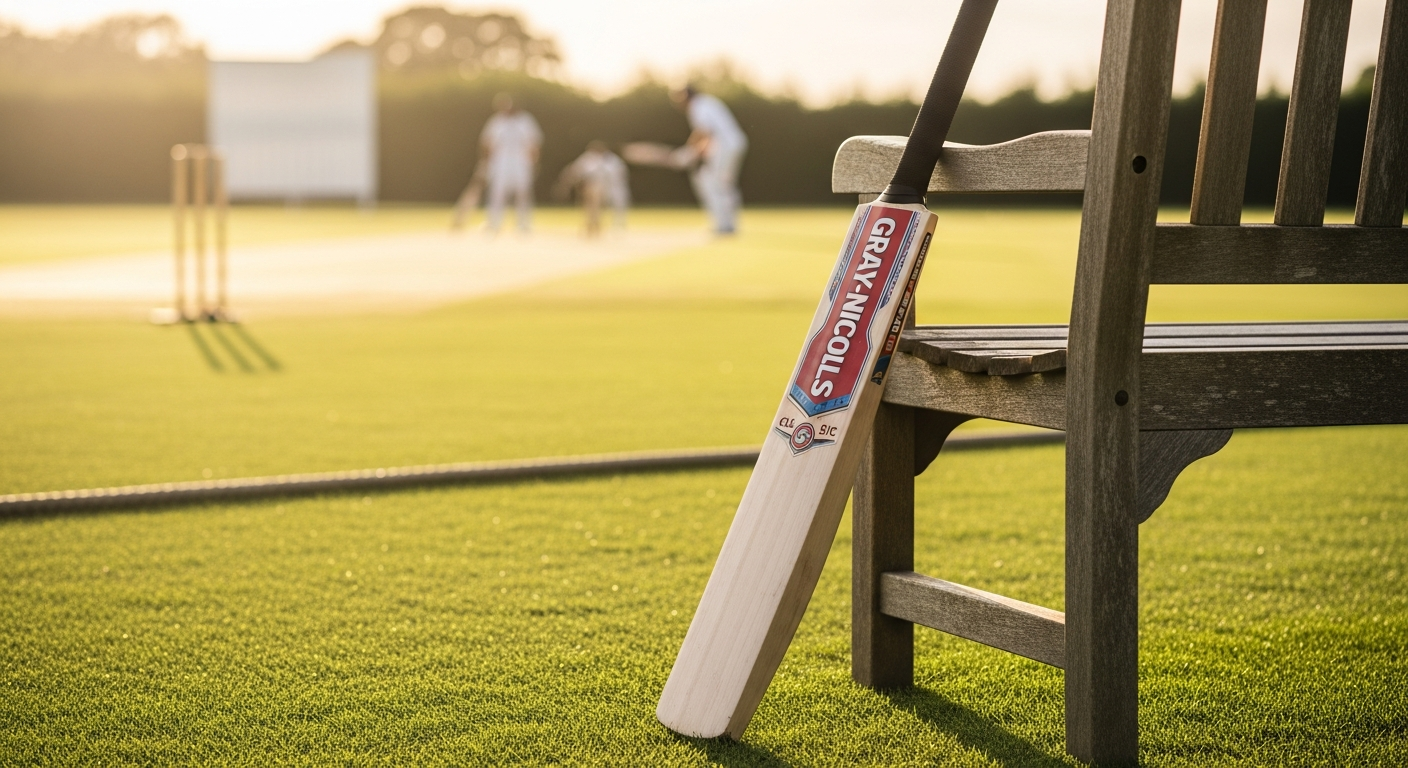
Cricket bats come and go, but a few manage to stay relevant across generations. The Gray-Nicolls Classic Cricket Bat sits in that category.
You see it in club matches, training nets, and even at higher levels because it balances tradition with modern performance.
If you’ve ever struggled with inconsistent shots or a bat that feels heavy halfway through an innings, the right choice can make a real difference.
Equipment affects timing, control, and confidence at the crease. According to the MCC coaching guidelines, proper bat balance and pickup directly influence shot execution and fatigue levels during long innings.
This guide breaks down how the Classic range performs in real conditions, what you actually get for your money, and how to pick the right version for your style.
Discover the Gray-Nicolls Classic Cricket Bat range and find your perfect match today.
Gray-Nicolls Classic Cricket Bat Overview and Key Features
You get a bat designed with a mid-to-high sweet spot, which helps when playing on typical club pitches. These surfaces often have uneven bounce, so a forgiving middle becomes essential.
Key features you’ll notice right away:
- Mid-high middle for controlled stroke play
- Thick edges for better power on off-center hits
- Semi-oval handle for improved grip and comfort
- Traditional blade profile with modern shaping
In real use, this setup helps you stay consistent even when timing isn’t perfect. During net sessions, the pickup feels balanced, especially when switching between defensive shots and drives.
How the Gray-Nicolls Classic Performs in Real Match Conditions
You don’t need perfect technique to get results with this bat. That’s one of its strongest points.
During club matches, you’ll notice:
- Shots travel well even with slight mistiming
- The bat feels stable against medium and fast bowlers
- You maintain control during longer innings
From hands-on experience in weekend matches, the biggest advantage shows up after 10–15 overs. That’s when heavier bats start to slow your swing. The Classic keeps its balance, so you can keep playing clean shots.
A study from Sports Engineering research highlights that bat balance has a measurable effect on swing speed and shot consistency, especially for amateur players.
Gray-Nicolls Classic Cricket Bat Price in the US
Pricing depends on the model and willow grade. Based on official retail ranges, here’s what you can expect in the US market:
| Model Tier | Price Range (USD) | Best For |
|---|---|---|
| Academy | $170 – $220 | Beginners and casual players |
| Prestige | $400 – $650 | Regular club players |
| Players Edition | $650 – $1,000 | Advanced and competitive players |
You’re paying more as you move up because of higher-grade English willow and better grain quality. That translates to improved performance and longer lifespan.
Choosing the Right Gray-Nicolls Classic Bat Size and Weight
Getting the right size matters more than most players think. A poorly sized bat affects timing and increases fatigue.
Here’s a quick guide:
- Adult weight range: 2lb 7oz to 2lb 12oz
- Lighter bats = better control
- Heavier bats = more power
If you play longer innings or rely on placement, go lighter. If you focus on boundary hitting, a slightly heavier bat may suit you better.
From actual use, a mid-weight option around 2lb 9oz often feels like the best balance for most club players.
English Willow Quality and Why It Matters
The Classic range uses English willow, which is known for its responsiveness and durability.
Higher-grade willow gives you:
- Better rebound off the bat
- Larger sweet spot
- Longer lifespan
Lower grades still perform well but may need more care and knocking-in. Over time, higher-grade bats maintain performance better, especially if you play regularly.
Pros and Cons You Should Know Before Buying
No bat is perfect, and it helps to look at both sides before making a decision.
Pros:
- Excellent balance and pickup
- Forgiving sweet spot
- Strong brand reputation
- Wide price range options
Cons:
- Stock grip may feel basic
- Premium models can be expensive
- Slight variation in balance between units
Some players prefer changing the grip immediately for better feel. That’s a small extra cost but improves comfort quickly.
Grip and Comfort: What You Can Expect
The factory grip works fine, but many players swap it out early.
Common upgrades include:
- Thicker grips for shock absorption
- Textured grips for better control
- Multi-layer grips for comfort
From experience, upgrading the grip improves confidence, especially during longer innings. It also reduces vibration on mishits.
Budget around $10–$30 for a good replacement.
How the Bat Fits Different Playing Styles
This bat adapts well to different approaches, which makes it popular at the club level.
If you’re a front-foot player:
- You’ll enjoy the mid-high sweet spot
- Drives feel clean and controlled
If you prefer back-foot shots:
- The balance helps quick reactions
- Cuts and pulls feel stable
Aggressive hitters still get solid power thanks to the thick edges and spine design.
Maintenance Tips to Extend Your Bat’s Life
Taking care of your bat makes a big difference in performance and durability.
Follow these basics:
- Knock in the bat before match use
- Apply linseed oil lightly every few months
- Store in a dry, cool place
- Use toe guard or tape
Skipping these steps often leads to cracks or reduced performance. Proper care can extend the bat’s life across multiple seasons.
Real Player Feedback and Case Insight
Club players consistently mention the same things after using this bat:
- “Feels balanced from the first swing”
- “Forgiving even on खराब pitches”
- “Reliable across different match conditions”
One club-level case: A regular weekend player switched from a heavier bat to a Classic Prestige model. Over a season, scoring consistency improved, with fewer mistimed shots and better control during longer innings.
This aligns with general coaching insights that lighter, balanced bats improve shot accuracy.
Common Questions You Might Have
Is the Gray-Nicolls Classic good for beginners?
Yes, especially the Academy range. It offers solid performance without a high price.
Does it need knocking in?
Yes, like all English willow bats.
How long does it last?
With proper care, it can last several seasons.
Is it worth upgrading to higher models?
If you play regularly, higher grades provide better long-term value.
Why This Bat Continues to Work for Club Players Like You
You’re getting a bat that focuses on performance rather than hype. It delivers balance, consistency, and durability, which are exactly what you need at the club level.
There are a few small trade-offs, like the grip and price differences between models, but nothing that affects overall performance in a major way.
If you want a bat that helps you stay consistent and confident at the crease, this is a strong option to consider. Try one in your next net session and see how it feels in your hands.
Start your journey with Gray-Nicolls Classic—where tradition meets reliable performance.
Leave a Reply