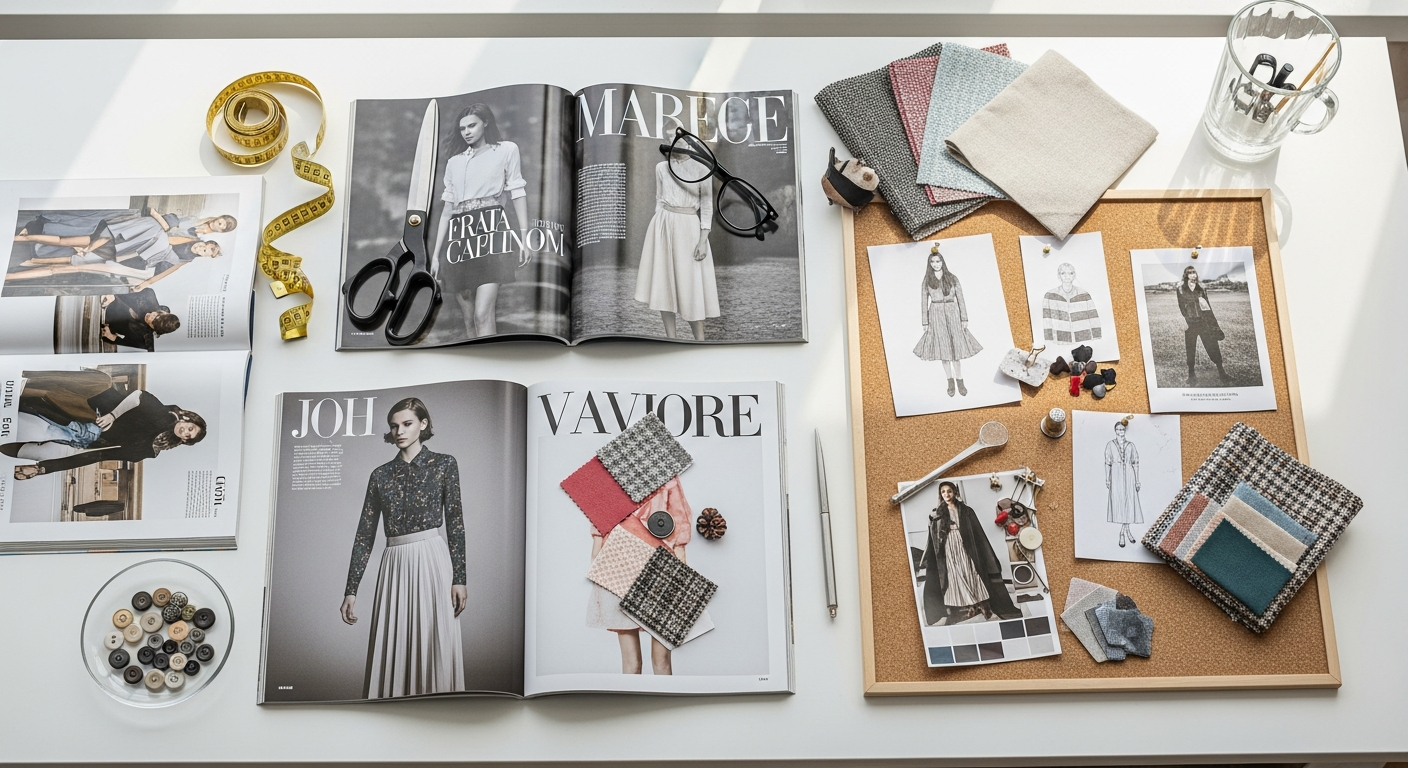
Fashion magazines receive thousands of portfolio submissions annually, yet only a handful of stylists possess the editorial eye that makes editors stop scrolling. The gap between competent styling and truly compelling editorial work separates those who book consistently from those who struggle to break through. This distinction isn't mysterious or innate—it's the result of deliberate training in the specific techniques that editorial professionals use to craft visual narratives.
The Media Editorial Fashion Styling Course from Milan Fashion Campus addresses this exact gap by compressing essential knowledge—from body analysis to color theory to fashion history—into a focused, practical curriculum that culminates in actual professional photoshoots. Rather than wandering through years of generalist fashion education, you gain concentrated instruction in the skills that matter most to magazine editors and creative directors.
Discover how Milan Fashion Campus prepares editorial stylists for real magazine work.
Why Editorial Styling Demands Specialized Training
General styling and editorial styling operate in different universes. A personal stylist helps a client select flattering pieces for their lifestyle. An editorial stylist constructs entire visual narratives—moods, concepts, stories—that communicate through clothing, accessories, and composition. The skills required diverge significantly.
Editorial stylists must understand how to tell a story across a series of images. They consider not just whether an outfit flatters a body, but whether it reinforces a concept, complements the photographer's vision, and translates through a camera lens in ways that captivate readers. This demands training in visual communication beyond traditional styling fundamentals.
The gap between general styling and editorial styling in the fashion industry
General styling focuses on individual presentation—making someone look their best. Editorial styling focuses on collective visual impact—making a concept come alive across multiple frames. The editorial stylist thinks in terms of mood boards, narrative arcs, and how each styling choice contributes to a larger creative vision.
How editorial stylists create visual narratives for magazines and campaigns
Editorial professionals build stories through careful curation. They select pieces that speak to a theme, layer them in unexpected ways, and position them within a broader conceptual framework. A campaign might explore the tension between structure and freedom, and the stylist's choices—sharp tailoring against fluid fabrics, rigid silhouettes against organic movement—visually reinforce that narrative.
The specific skill set that separates editorial professionals from general stylists
Editorial stylists combine technical knowledge with conceptual thinking. They understand body proportion and color harmony, but they also read cultural trends, anticipate editorial directions, and translate abstract concepts into tangible styling choices. They work collaboratively with photographers, art directors, and creative teams, requiring communication skills and the flexibility to solve visual problems in real time.
Why traditional fashion degrees often miss practical editorial application
Most comprehensive fashion programs teach design, merchandising, or marketing—valuable skills, but not editorial styling. Those that include styling instruction typically integrate it as one component among many, without the depth required for magazine-level work. The missing piece: actual photoshoots where students apply these skills under professional conditions and receive feedback from working creatives.
The competitive advantage of focused, intensive training over generalist programs
Someone completing a two-year fashion program has broad knowledge but limited portfolio depth in editorial work. Someone completing an intensive editorial styling course emerges with a narrowly focused skill set and actual editorial pieces ready to show editors. For career-switchers and those seeking entry into magazines or campaigns, this concentrated approach proves more valuable.
Core Curriculum: What You'll Actually Learn
The Media Editorial Fashion Styling Course structures its teaching around knowledge that directly applies to editorial work. Rather than theoretical fashion history taught in isolation, you study fashion history through the lens of editorial storytelling—understanding how historical references become visual language in contemporary shoots.
Body and face analysis techniques for editorial contexts
You'll learn to analyze proportions and features, but with editorial applications in mind. This means understanding how different silhouettes read through a camera, how facial features work with specific makeup directions, and how to enhance a model's natural strengths for maximum impact in imagery. The goal isn't flattery in the traditional sense—it's strategic presentation that serves the editorial concept.
Color theory fundamentals and how to apply them in editorial shoots
Color becomes a narrative tool in editorial work. You'll study how color combinations create mood, how they interact with skin tones and photography lighting, and how to build cohesive color stories across a shoot. This training moves beyond "these colors work together" into "this color palette tells our story."
Fashion history overview and its relevance to contemporary editorial work
Editorial work frequently references historical periods, movements, and aesthetic traditions. Understanding fashion history allows you to recognize when a designer is revisiting the 1980s power suit or riffing on 1970s bohemianism—knowledge that deepens your styling choices and helps you contribute intelligent ideas during concept development.
Concept development for editorial stories and visual campaigns
Rather than starting with clothing and building around it, editorial work starts with a concept. You'll learn to develop themes, identify visual language that supports those themes, and select clothing that amplifies the narrative. This process—concept first, styling second—represents a fundamental shift in how you approach every shoot.
Trend forecasting and translating trends into styling choices
Fashion trends exist, but editorial stylists must understand the deeper shifts they represent. A trend toward oversized silhouettes might reflect changing attitudes about gender and comfort. Understanding these undercurrents allows you to style trend pieces authentically rather than simply following surface-level rules.
The Game-Changer: Professional Photoshoot Experience
The theoretical knowledge matters, but the professional photoshoot separates this course from online styling tutorials. This component transforms abstract concepts into tangible portfolio pieces—the exact work you'll show editors when seeking assignments.
How the included photoshoot bridges theory and real-world application
You've studied color theory and body analysis in a classroom setting. Now you apply that knowledge under actual shooting conditions—with real lighting, a professional photographer, models, and time constraints. Problems emerge that theory alone never anticipated. You solve them, learn from the results, and refine your approach.
Building portfolio pieces that impress fashion magazine editors
Magazine editors recognize the difference between student work and publishable work. The professional photoshoot produces images at that publishable level. Your portfolio—the make-or-break factor in editorial styling careers—grows directly from this course experience rather than requiring years of additional work to develop adequate pieces.
Working with photographers, models, and creative directors
Editorial shoots involve collaboration among professionals with different expertise. You'll experience how photographers see light and composition, how models interpret direction, and how creative directors guide overall vision. This collaboration teaches you to communicate your styling ideas clearly, listen to other perspectives, and integrate feedback that serves the final image.
Developing your editorial eye through hands-on practice
The editorial eye—the ability to instantly recognize compelling visual combinations and spot when something doesn't work conceptually—develops through repetition and feedback. Working through multiple looks during a professional photoshoot accelerates this development dramatically compared to theoretical study alone.
Creating publishable work samples during the course
By completion, you don't just understand editorial styling—you possess actual images that demonstrate your competence. These pieces form the foundation of your portfolio immediately, positioning you to pursue editorial assignments without the typical years of unpaid assisting that many stylists endure.
Start building your editorial portfolio with Milan Fashion Campus today.
Your Path to Editorial Styling Starts Here
The Media Editorial Fashion Styling Course delivers exactly what aspiring editorial stylists need: concentrated, practical training that produces portfolio-ready work. You're not sitting through years of general fashion theory—you're learning directly from professionals, building tangible pieces, and emerging with the editorial eye that magazine editors actually want.
The intensity of the program works in your favor. Rather than spreading coursework across semesters, you engage deeply with material over weeks, maintaining focus and momentum. The flexibility to start any Monday accommodates life circumstances, and the international certification recognized across the fashion industry signals genuine skill development to potential employers and clients.
Whether you're pivoting from another fashion role or entering the industry fresh, this course compresses months of self-teaching into weeks of focused skill-building. The hands-on approach, personalized instruction in small groups, and practical photoshoot component address the exact gaps that prevent stylists from breaking into editorial work. The track record of student success and the high ratings from past participants suggest this investment pays dividends quickly.
Leave a Reply